
Thomas P. Sterry, MD
1080 5th Avenue #1b
New York, NY 10128
Phone: (212) 249-4020
Monday - Thursday: 9 a.m.–5 p.m.
Friday: 9 a.m.–3 p.m.
Tummy Tuck in New York City
A tummy tuck contours the abdominal area for women and men with excess skin, stubborn fat, and weakened muscles after significant life events such as pregnancy, dramatic weight fluctuations, or aging. Board-certified plastic surgeon Dr. Thomas Sterry specializes in tummy tuck surgery in New York City using advanced surgical techniques, including drainless tummy tucks.
Serving Patients Throughout New York City
Located in Manhattan, Dr. Sterry provides tummy tuck surgery for patients throughout New York City and the surrounding boroughs, including Brooklyn, Queens, and Long Island. His practice is also a trusted destination for out-of-town patients who travel to NYC for his advanced techniques and natural-looking results.
What Is a Tummy Tuck?
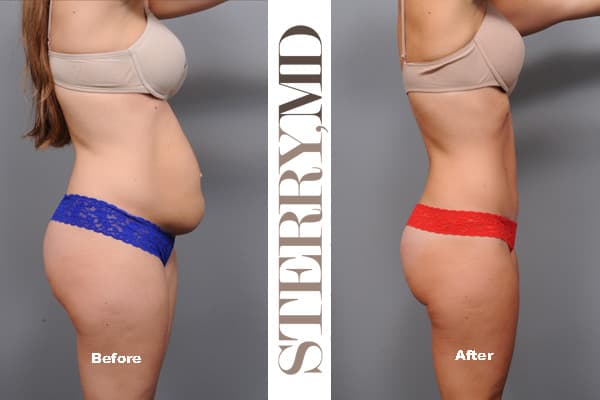
A tummy tuck, or abdominoplasty, is a surgical procedure that removes excess abdominal skin and fat while restoring a smoother, firmer contour. The surgery also addresses weakened or separated abdominal muscles, which can occur after pregnancy or significant weight changes.
This procedure is ideal for people whose midsection has not responded to diet and exercise. A tummy tuck restores structural support and contour to create a flatter, more balanced silhouette. Patients often describe the results as both physically and emotionally transformative.
Tummy Tuck At A Glance
- Type of Anesthesia: Sedation with local anesthesia and nerve blocks in most cases (general anesthesia is rarely used)
- Length of Surgery: Typically 2–4 hours, depending on technique and other included procedures
- Type of Surgery: Outpatient (most patients return home the same day)
- Recovery Time: Desk work: ~2 weeks; light exercise: ~3–4 weeks; full activity: ~6 weeks
- Scarring: Low, discreet incision placed below the underwear line
- Typical Results: Flatter, firmer abdomen with improved muscle tone and contour
Ideal Tummy Tuck Candidates
You may be a strong candidate for a tummy tuck if you’re a nonsmoker in overall good health and struggling with loose skin, weakened muscles, and stubborn belly fat that hasn’t responded to diet and exercise. Dr. Sterry customizes each procedure to align with your goals and deliver safe, natural-looking results.
- Women Post-Pregnancy: Pregnancy often leaves lasting physical changes, such as stretched skin and separated muscles. Abdominoplasty restores your pre-pregnancy appearance, tightening loose skin and repairing muscular separation, significantly improving your overall physical comfort and emotional well-being.
- Individuals After Significant Weight Loss: Major weight loss is a tremendous accomplishment but can leave behind loose, sagging skin. A tummy tuck effectively removes this excess skin, highlighting the true results of your weight loss journey and enabling you to fully embrace your newly sculpted figure.
- Men and women experiencing age-related changes: With age, skin elasticity declines and abdominal muscles may weaken. A tummy tuck helps restore tone and tightness to the midsection.
Maintaining realistic expectations is key. While abdominoplasty can dramatically improve how you look and feel, long-term results depend on a commitment to a healthy lifestyle.
Tummy Tuck
Before & After Photos
Case: 1 of 9

Before & After
Tummy Tuck & Hernia Repair
This 34-year-old woman came in asking for a tummy tuck and hernia repair. Dr. Sterry performed the operation at Mount Sinai Hospital in New York City. She was 5 feet 6 inches tall and 125 pounds. She developed a hernia after a previous C-section and needed to have her abdominal muscles put back in their proper place. An a... Read More

Before & After
Manhattan Mommy Makeover Case #195
This is a 39 year old Manhattan woman who has given birth to twins, breast fed, and wanted to "get her body back" with a Mommy Makeover.
We decided to move forward with a tummy tuck, breast lift (without implants), and liposuction of the flank to enhance her waistline.
The operation took about 4.5 hours and was performed with sedation,... Read More
We decided to move forward with a tummy tuck, breast lift (without implants), and liposuction of the flank to enhance her waistline.
The operation took about 4.5 hours and was performed with sedation,... Read More
Before & After
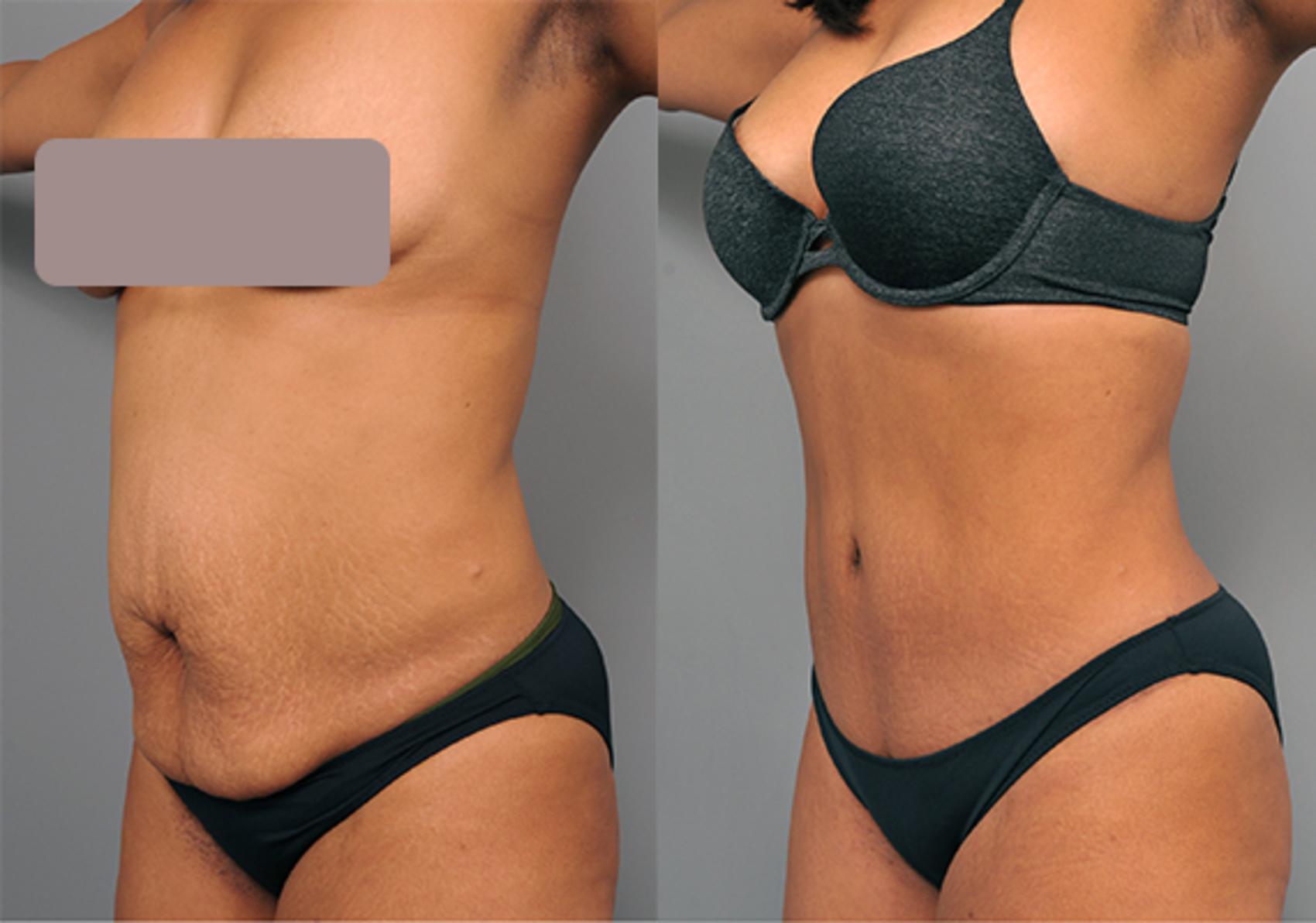
Tummy Tuck NYC Compares C-Section to Tummy Tuck Case #203
This is a 39 year old mother of two who thought it was time to "reset" her body. She had been on a very aggressive diet and exercise routine, but was unable to regain the slender figure she had before giving birth. None of her efforts helped to tighten her belly skin no matter how extreme she lived.
She came to my... Read More
She came to my... Read More
Before & After
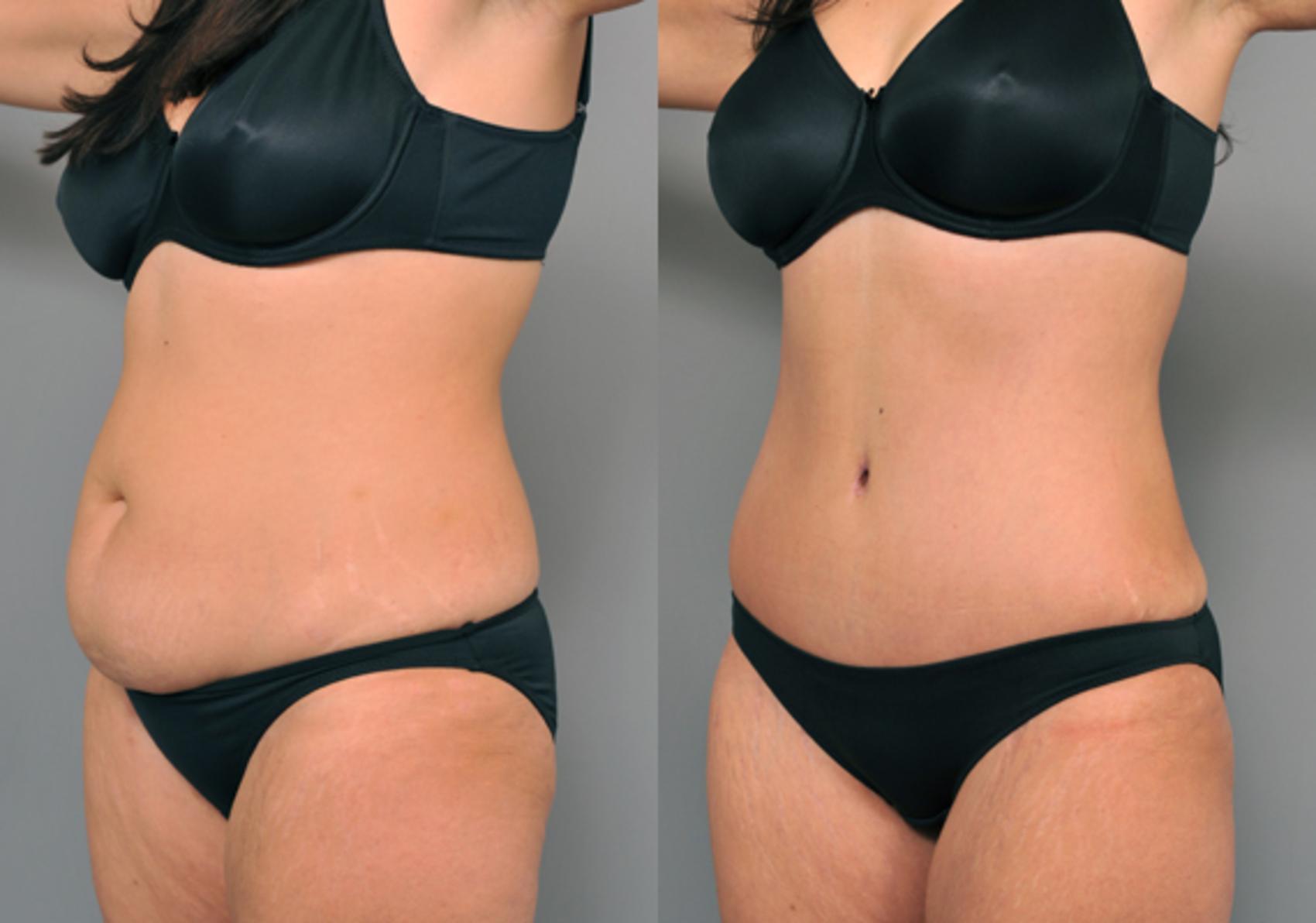
Tummy Tuck NYC Hot Mother Guilt Free
This is a 38 year old mother who wanted a tummy tuck for years but says she always felt "guilty" about spending the money and the time on herself instead of her family. We came up with a plan to make this a very fast recovery and helped her figure out how she could make it happen for herself. When her recovery was finished she ref... Read More
Before & After
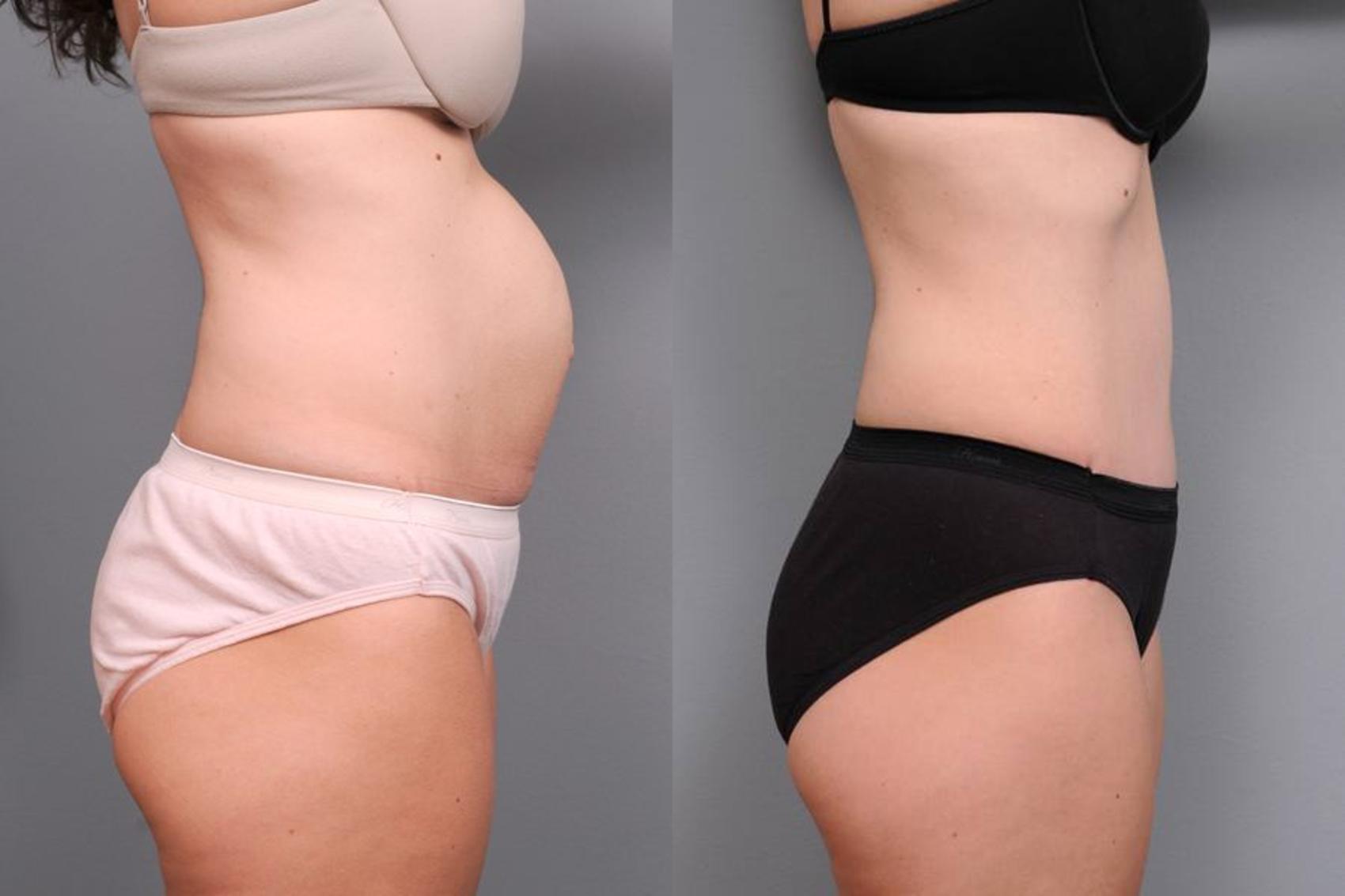
Tummy Tuck & Hernia Repair
This 35-year-old woman was 5 feet 4 inches tall and 125 pounds. She came to us for hernia repair and a tummy tuck at our practice in New York City to restore her midsection after 2 pregnancies.
Patient Age: 35
Pregnancies: 2
Motivation for tummy Tuck:
Hernia repair
Cosmetic umbilical repair (belly... Read More
Patient Age: 35
Pregnancies: 2
Motivation for tummy Tuck:
Hernia repair
Cosmetic umbilical repair (belly... Read More
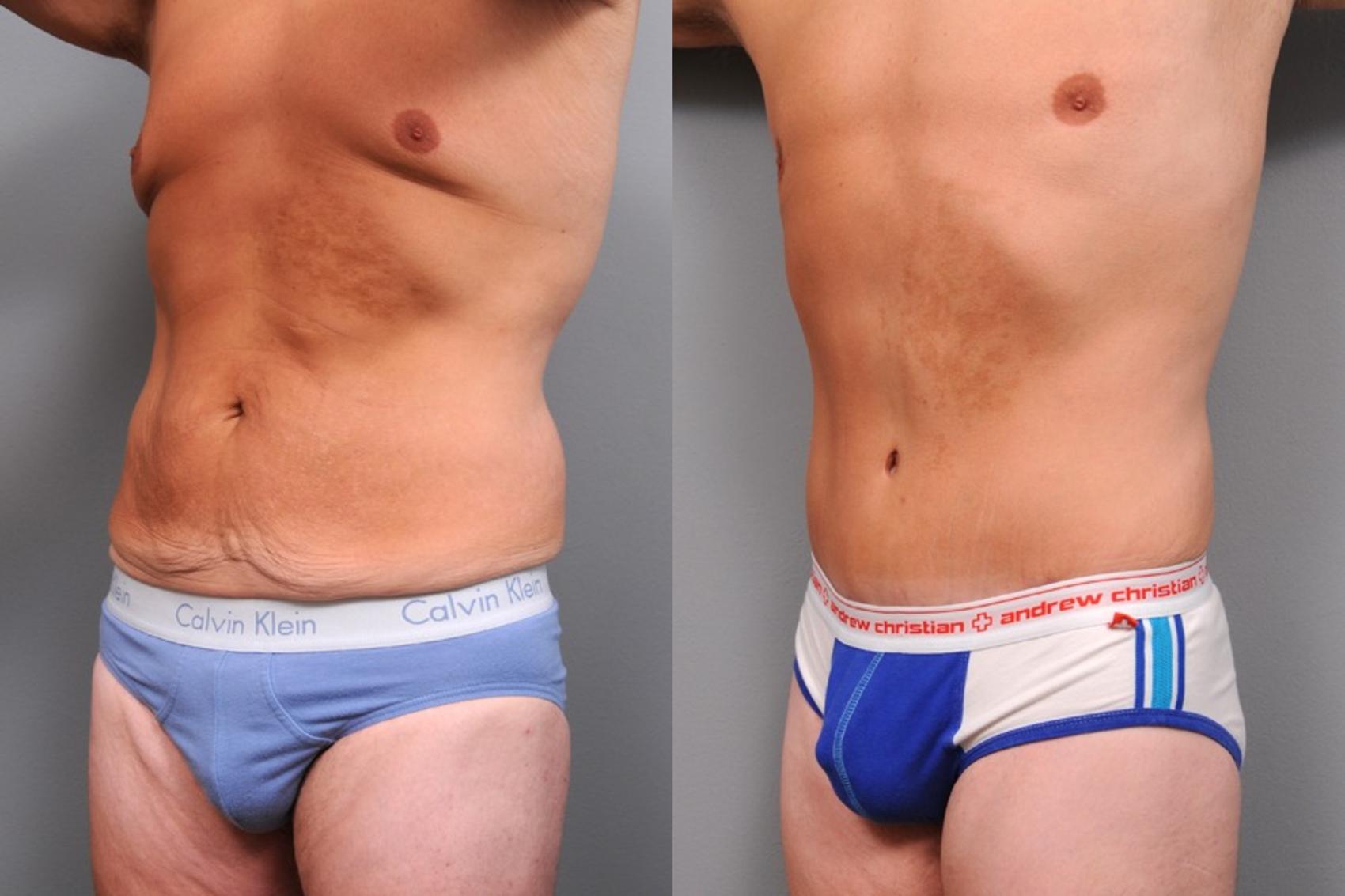
Before & After
Tummy Tuck for Men
This 32-year-old man was 5 feet 7 inches tall and 175 pounds. He had lost some weight during the last year with the help of a lap-band procedure and was left with some excess loose skin that he wanted to have removed. He came to our New York practice for tummy tuck advice. His biggest concern as a man having a tummy tuck was placement of the... Read More
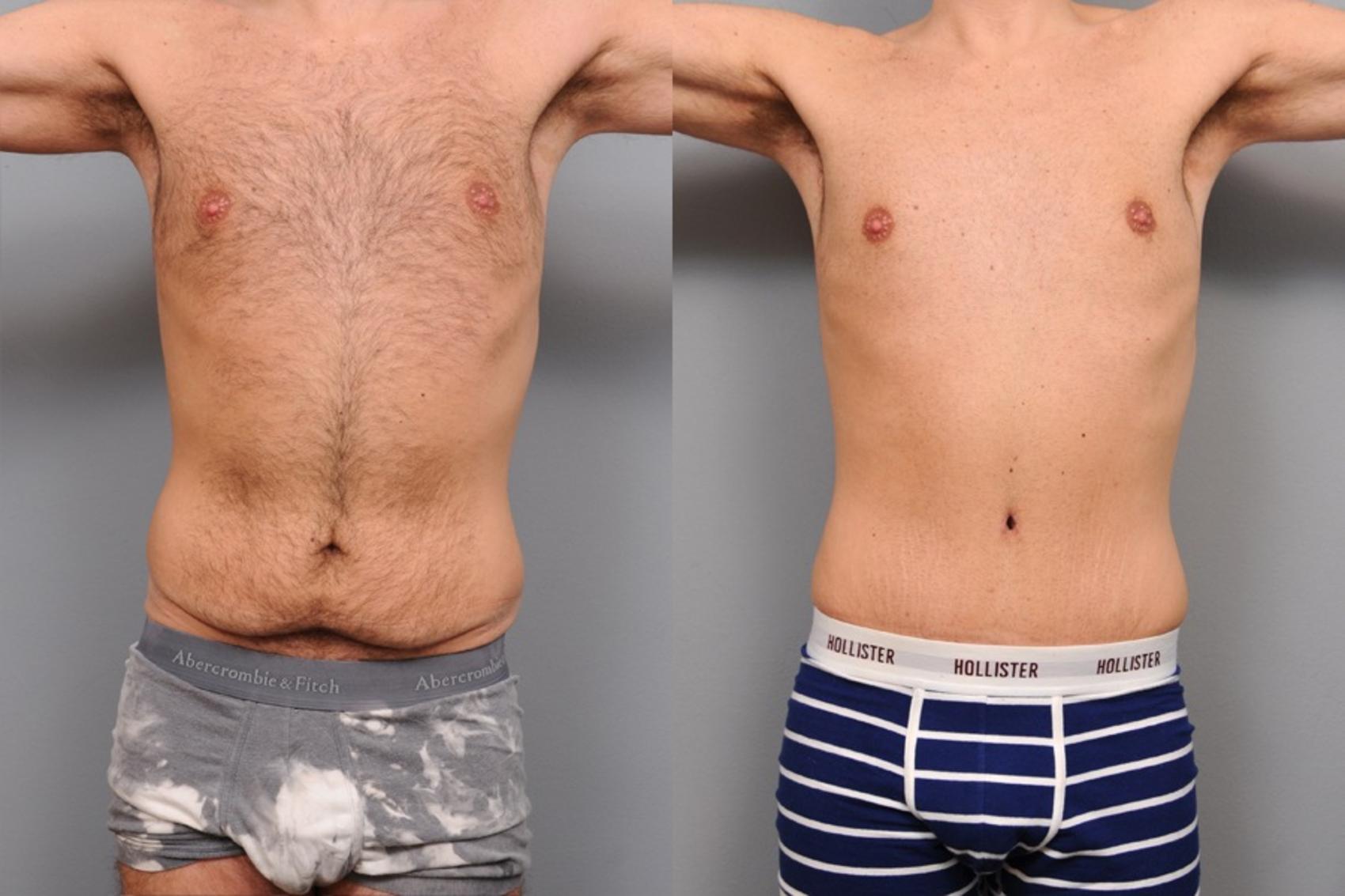
Before & After
Tummy Tuck for Men
This 34-year-old New York-area man was 5 feet 9 inches tall and 178 pounds. He had lost weight through diet and exercise but was disappointed to find that he was left with excess loose skin that he couldn't hide, even while dressed. He came to us interested in getting a tummy tuck in NYC. The real trick in performing a tummy tuck for... Read More

Before & After
Real Tummy Tuck Results
This is a 37 year old woman who had two children and said she didn't feel "proud" anymore. She wanted another chance to have a physique she would be able to reveal at the beach without hesitation. There was also a belly button hernia that she wanted to have fixed to make her umbilicus look normal.
In addition to the abdomin... Read More
In addition to the abdomin... Read More
Keep in mind that each patient is unique and your results may vary.
Advantages of Choosing a Tummy Tuck Specialist
Dr. Sterry is recognized as one of the leading body contouring surgeons in New York City, with more than two decades of experience performing tummy tuck surgery. Known for delivering personalized care with exceptional precision and artistry. Dr. Sterry was an early adopter of ERAS (Enhanced Recovery After Surgery) protocols to minimize discomfort and accelerate recovery. He is recognized for producing consistently superior, natural-looking results, supported by his extensive training, board certification, and numerous accolades. Patients value his reassuring bedside manner and detailed, patient-focused approach.
Choosing Dr. Sterry for your tummy tuck offers several advantages. During your consultation, you and Dr. Sterry will discuss considerations such as:
- Incisions: Incisions are carefully placed low on the abdomen so scars are more easily concealed.
- Belly button: A natural-looking navel is created to complement the abdomen’s appearance.
- Drains: Drainless or minimal-drain techniques using progressive tension sutures reduce aftercare needs and enhance comfort.
- Pain control: TAP blocks and long-acting medications help support a smoother recovery experience.
- Anesthesia: Sedation is used in most cases instead of general anesthesia, helping reduce side effects and supporting a faster return to activity.
Dr. Sterry will take time to understand your priorities and design a surgical plan that reflects your vision. His meticulous approach consistently delivers results that look beautiful, feel natural, and stand the test of time.
Dr. Thomas P. Sterry
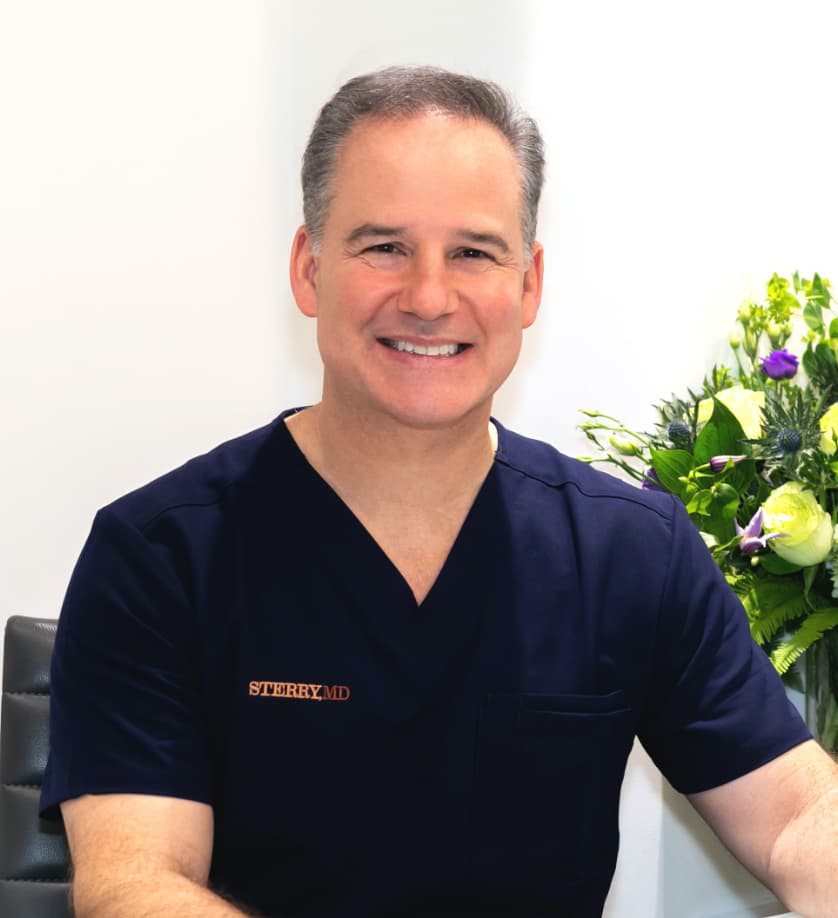
Thomas Sterry, MD, is a board-certified New York City plastic surgeon with over 20 years of experience. He has been president of both the New York State Society of Plastic Surgeons and the New York Regional Society of Plastic Surgeons. In addition, he sits on the executive council of the New York County Medical Society and has been a delegate to the Medical Society of the State of New York for years. At his inviting, boutique-style practice in Manhattan, he focuses on each patient’s unique needs and aesthetic goals so that he can provide the most attractive and natural-looking outcomes possible.
Meet Dr. Sterry Request a ConsultationCredentials you can trust

Which Tummy Tuck Technique Is Right for You?
Dr. Sterry has performed hundreds of tummy tucks, refining his approach to minimize scarring and create natural-looking, balanced results. Dr. Sterry offers several tailored tummy tuck techniques depending on your specific goals and anatomy.
Full Tummy Tuck
This option is typically best if you have loose skin and stretched muscles above and below the belly button. This tummy tuck includes ab muscle repair for a firmer core and a smoother, flatter abdomen.


Mini Tummy Tuck
A mini tummy tuck is a less extensive procedure, ideal when excess skin is limited to the area below the navel. Muscle tightening isn’t usually needed, and recovery is quicker.
Extended Tummy Tuck
This procedure is often the right choice after significant weight loss. It includes muscle repair and removes skin across the front and sides of your torso for a more dramatic, balanced result.
Not sure which option fits your goals? Dr. Sterry will walk you through each approach during your consultation and help you choose the technique that best suits your body and lifestyle.
The Unexpected Benefits of a Tummy Tuck: Going Beyond Aesthetics
While a cosmetic transformation is often the biggest motivator, many patients are surprised to learn that a tummy tuck can also offer meaningful physical and emotional improvements, such as the following:
- Improved posture: Tightening the abdominal wall strengthens core support and helps restore posture, especially for patients with diastasis recti or long-term muscle laxity.
- Less back pain: A stronger core reduces the burden on your lower back, often relieving chronic discomfort tied to poor posture or weak abdominal support.
- Easier movement: With excess skin gone and muscles restored, everyday activities like bending, walking, or exercising feel easier and more comfortable.
- A lift in confidence: Many patients report feeling more at ease in their clothes, more motivated to stay active, and more confident in their appearance after surgery.
These added benefits make a tummy tuck more than just a cosmetic procedure—it’s a step toward feeling stronger, more comfortable, and more confident in your body every day.
Preparing for Your Tummy Tuck
Getting ready for a tummy tuck involves more than just picking a date. It’s about setting yourself up for a smooth surgery and a strong recovery. Dr. Sterry will guide you through each step during your consultation, but here’s what you can begin planning now:
- Complete your presurgical evaluation: A full medical assessment helps confirm you’re a good candidate and ensures your safety throughout the process.
- Make smart lifestyle choices: Avoid smoking, prioritize balanced nutrition, and stay physically active. These steps improve circulation, support healing, and reduce the risk of complications.
- Line up support at home: Arrange for someone to help with meals, childcare, and mobility during the first few days after surgery. Having a reliable support system makes a big difference.
Most procedures are performed in our accredited surgical facility, where we maintain the highest safety standards.
Want to know exactly what to expect before, during, and after surgery? Dr. Sterry can walk you through every detail during your personal consultation. Schedule your consultation today using the online form to get started.
What To Expect on Surgery Day
Dr. Sterry performs every tummy tuck with meticulous attention to detail, using techniques that deliver natural-looking results while making your recovery as seamless as possible.
- Anesthesia Administration: Safely administered anesthesia by an experienced anesthesiologist improves comfort throughout the surgery. He typically uses a combination of local anesthesia, nerve blocks, and sedation rather than general anesthesia.
- Strategic Incisions: Meticulously placed incisions below the underwear line ensure discreet scarring and enhance the overall aesthetic outcome.
- Removal of Excess Skin and Fat: Skillfully performed to achieve a smoothly contoured and firmer midsection.
- Abdominal Muscle Repair: Repairing muscle separation significantly strengthens your core and refines your abdomen’s shape.
- Optional Liposuction: Frequently incorporated to enhance the definition and contour of your abdomen, liposuction optimizes your final results.
- Careful Incision Closure: Refined suturing techniques minimize visible scarring, promoting optimal healing and aesthetically pleasing outcomes.
Each step is performed with precision to ensure you feel safe, cared for, and excited about your results starting from the moment you arrive on surgery day.
Tummy Tuck Recovery Timeline
Every patient heals differently, but most follow a similar path during tummy tuck recovery. Here’s a general idea of what to expect:
- Day 1: You’ll be up and walking the day of your surgery. Light movement helps prevent complications and supports circulation.
- Days 2 to 7: Discomfort is most noticeable during this period but is typically manageable with medication. You’ll wear a compression garment and limit activity to short walks around the house.
- Week 2: Swelling starts to go down, and most patients feel well enough to return to nonstrenuous activities or a desk job.
- Weeks 3 to 4: You may resume light exercise, such as walking or stretching, with Dr. Sterry’s approval. You’ll continue wearing your compression garment to support healing.
- Weeks 5 to 6: Many patients resume full activity, including more intense workouts. Your scars may still be noticeable at this stage, but with good scar care, they will gradually soften and blend with your natural skin tone over time.
- 3 to 6 Months: Final results become more visible as swelling resolves. Your abdominal area typically feels stronger, firmer, and more comfortable.
Dr. Sterry and his team will guide you every step of the way, ensuring you know what to expect and how to support your body as it heals and transforms.
Aftercare Tips for the Best Results
Following Dr. Sterry’s detailed aftercare plan will make a big difference in your comfort and outcomes:
- Wear your compression garment consistently to reduce swelling and support healing.
- Follow medication instructions to stay ahead of discomfort and minimize inflammation.
- Stay active, but not too active. Light walking supports circulation, but wait for clearance before lifting, bending, or exercising.
- Prioritize rest, hydration, and nutrition. Give your body what it needs to recover.
- Keep your follow-up appointments so Dr. Sterry can monitor healing and answer questions.
- Care for your incisions as instructed to support minimal, well-healed scars.
By taking a thoughtful, consistent approach to aftercare, you’ll set yourself up for the smoothest healing process and the most attractive, lasting results.
Traveling To Visit Dr. Sterry
Dr. Sterry’s Manhattan practice attracts patients from around the world who are seeking refined, natural-looking tummy tucks in one of the most trusted surgical environments in the area. Our team is committed to making the experience smooth and personalized from start to finish.
Out-of-town patients appreciate the convenience of virtual consultations, concierge-level planning support, and a private, accredited surgical suite in the heart of the city. You’ll receive expert care with minimal disruption to your routine; Dr. Sterry’s streamlined approach to recovery helps many patients return home within days of surgery.
What Does a Tummy Tuck Cost in NYC?
Tummy tuck pricing varies based on your anatomy, goals, and whether additional procedures like liposuction are included. After your consultation, Dr. Sterry will provide a personalized quote that outlines exactly what’s included—no surprises.
To make your transformation more manageable, we offer flexible financing with easy monthly payments. Many patients find this investment in their confidence and comfort to be truly life-changing.
Procedures Commonly Combined With a Tummy Tuck
Dr. Sterry may recommend combining your tummy tuck with other procedures to maximize your results and streamline total recovery time. Some of the most frequently combined options include:
- Liposuction (including Lipo 360): Targets excess fat in surrounding areas like the flanks, hips, or back to refine your physique and create smoother transitions between treated zones.
- Breast Enhancement: Breast augmentation or breast lift surgery is often paired with abdominoplasty to restore youthful-looking contours after pregnancy or weight loss.
- Diastasis Recti Repair: Abdominal muscle separation, common after pregnancy or significant weight changes, is corrected during most tummy tucks but can also be the primary reason for surgery.
- Rib Removal (RIBXCAR): For select patients seeking a more sculpted waistline, Dr. Sterry offers a specialized rib contouring procedure that further enhances your hourglass shape. This technique is rare among Manhattan plastic surgeons and sets his practice apart.
Dr. Sterry will tailor your surgical plan to your anatomy, goals, and safety, always with an emphasis on achieving natural-looking results and a smooth recovery.
A Reputation Built on Results
Dr. Sterry did lipo 360 and rib remodeling on me and I have stunning results! My waist started at 31.5...

I absolutely loved going to see Dr. Sterry and his team. They were so kind to me every time I visited....
From the very first consultation, I felt completely comfortable and genuinely cared for. The doctor...
I got chin and cheek lipo with Dr. Sterry three months ago and I am so happy with the results. The procedure...
‘Dr Sterry is incredible!’
“Dr Sterry is incredible! He removed a childhood facial scar that I’ve spent countless amounts of money on over the years with other doctors to fix. The scar went from haunting me every time in the mirror to no longer noticeable! I also did cheek and neck liposuction with the Dr that came out amazing. No more moon face! He does an amazing job. His staff is great too!”*
—James L.
‘Absolutely recommend him…’
Best Doctor and staff ever!!! Am 6 weeks post up did tummy tuck and I can say with all confidence Doctor Sterry have a God made hand for his profession! From consultation to surgery day and right into recovery he have been with me as well as his staff!!
Absolutely recommend him in my experience if you feel any type of fear in making this decision, he gives so much confidence….I have no regrets!! ⭐️⭐️⭐️⭐️⭐️⭐️⭐️⭐️⭐️⭐️!!*
—Christileen F.
‘I highly recommend Dr. Sterry and his staff.’
“Dr. Sterry is not only a gem on a personal level but is also a fabulous plastic surgeon. I could not be more pleased with the results of my tummy tuck and look forward to using him again for other procedures in the future.
A bonus is his incredible staff. I could not have gotten better advice, tips and caring from Michelle, Alex and Stephanie.
I highly recommend Dr. Sterry and his staff. I had a wonderful experience.”*
—Roberta G.
Common Abdominoplasty Questions From NYC Patients
What is the ideal weight for a tummy tuck?
There’s no single “ideal” weight for a tummy tuck, but most plastic surgeons recommend being at or within 10 to 15 pounds of your goal weight. Candidates should have a stable BMI under 30 and maintain a healthy lifestyle. Abdominoplasty is not a weight loss procedure, but it can be the final step in contouring your midsection after weight loss or pregnancy. Many patients choose this surgery after reaching a plateau through diet and exercise.
Are tummy tucks worth the money?
For most patients, the answer is a resounding yes. A tummy tuck provides lasting results by tightening abdominal muscles, removing excess skin, and restoring a flatter, firmer silhouette. Patients often say their confidence and posture have improved after the surgery; some even report relief from certain physical discomforts. If you’ve worked hard to lose weight or recover after childbirth but still struggle with loose skin or muscle separation, the investment can be well worth it.
How many sizes will I drop with a tummy tuck?
Most people drop 1 to 2 clothing sizes after a tummy tuck, depending on how much excess skin and fat are removed. While it’s not guaranteed, many patients find their clothes fit better and more comfortably, especially around the waist. Keep in mind that size changes vary depending on your body type and whether liposuction is also performed during your procedure.
What is a 360 tummy tuck, and how do I know if I need one?
A 360 tummy tuck—also known as a circumferential abdominoplasty—goes beyond the front of the abdomen and addresses the entire midsection, including the flanks and lower back. Dr. Sterry usually combines it with an outer thigh lift as part of a lower body lift for patients who’ve experienced massive weight loss and have loose skin around their entire torso. If you’re wondering whether you need a 360 tummy tuck, he will assess your skin laxity, goals, and overall health to recommend the most appropriate option.
How soon after giving birth can I get an abdominoplasty?
Most plastic surgeons recommend waiting at least 6 months after giving birth to consider a tummy tuck. This allows your body time to recover, hormones to stabilize, and breastfeeding to conclude (if applicable). It’s also ideal to wait until you’re finished having children, as future pregnancies can affect the results of your surgery. Many new moms consider abdominoplasty as part of a comprehensive “mommy makeover” once they’re feeling physically and emotionally ready.
I’m really concerned about my belly button–will it look natural?
Many tummy tuck patients are concerned about how their belly button will look after surgery. A skilled surgeon can create an attractive belly button that is artistically reshaped and positioned to enhance your newly contoured abdomen. The goal is a small, vertical, inward-facing belly button that blends seamlessly with your tightened midsection, helping your final result look as natural as possible.
Does tummy tuck surgery lift the pubic area?
Yes, a tummy tuck may create a slight lift in the pubic area as excess lower abdominal skin is removed and the remaining tissue is tightened. However, if the mons pubis (the area above the pubic bone) has significant sagging or fullness, Dr. Sterry may recommend adding a pubic lift or monsplasty to your tummy tuck for more noticeable improvement. He can discuss whether combining these procedures is the best approach for your needs during your consultation.
Do they remove back fat (bra fat) when a tummy tuck is performed?
Standard tummy tucks do not directly target back fat. However, many patients combine their tummy tuck with liposuction to contour the flanks, upper back, or bra line area. If back fat is a concern, be sure to bring it up during your consultation so your surgeon can create a customized surgical plan that includes those areas.
How do I choose the best tummy tuck surgeon for me?
The right tummy tuck surgeon should be board certified, have extensive experience in body contouring, and have before-and-after photos that reflect your aesthetic goals. Look for a surgeon who listens carefully, provides a personalized plan, and operates in an accredited surgical facility. Patient reviews and in-person consultations can also help you feel confident about your decision.
Trusted Results. Personalized Care. NYC’s Choice for Natural-Looking Tummy Tucks
Patients from across New York, the Northeast, and beyond trust Dr. Sterry’s expertise in complex, customized body contouring, knowing that a tummy tuck can change more than your appearance—it can renew your confidence, lift your spirit, and open the door to a more vibrant, self-assured life. Are you ready to take the next step? Call our office today at (212) 249-4020 or request a consultation.
Ask Us About Our
Skincare Products

Medical References
- A Primer on Abdominoplasty Safety – PubMed Central (PMC)
Journal: Aesthetic Surgery Journal Open Forum
https://pmc.ncbi.nlm.nih.gov/articles/PMC11629367/ - Abdominoplasty as an Acute Postoperative Pain Model
Journal: Frontiers in Pain Research
https://pmc.ncbi.nlm.nih.gov/articles/PMC9833108/ - Tummy Tuck (Abdominoplasty): Overview, Risks, and Outcomes
Organization: Mayo Clinic
https://www.mayoclinic.org/tests-procedures/tummy-tuck/about/pac-20384892 - Abdominoplasty: American Society of Plastic Surgeons – Patient Safety and Procedure Overview
Organization: American Society of Plastic Surgeons (ASPS)
https://www.plasticsurgery.org/cosmetic-procedures/tummy-tuck
Recent
Tummy Tuck Posts from our Blog
 April 30, 2025
All You Need To Know About a Tummy Tuck:…
A tummy tuck (abdominoplasty) removes loose, stretched skin from the lower belly and tightens the underlying muscles. The result is improved body con…
Read Now July 31, 2024
Tummy Tuck Cost Considerations: Fees, Fi…
Tummy Tuck Cost Considerations: Fees, Financing & Other Factors (Updated 2026) A tummy tuck is a meaningful financial decision, and I think pa…
Read Now February 23, 2023
Tummy Tuck vs Liposuction: Which Is Righ…
One of the questions most often asked on websites such as RealSelf is about the difference between a tummy tuck and liposuction. It sounds like a sim…
Read Now