
Facelift recovery can feel like a big unknown, especially in a fast city where every hour matters. Patients want to look refreshed, not different, and they want to move through healing with grace, control, and privacy. At his Manhattan practice in New York, NY, Dr Thomas Sterry, Board-Certified Plastic Surgeon, offers a precise and reassuring roadmap that turns worry into a calm routine. His approach favors short steps, clear instructions, and consistent follow up so that healing feels steady and results look beautifully natural. This article shares his ten essential tips for a smoother facelift recovery and layers in New York specific guidance that fits real city life. It is written in clear, patient-centered language and reflects the safety culture and aesthetic philosophy that define care with Dr Thomas Sterry in New York, NY.
Who This Guide Helps
This guide speaks to women across the region who are contemplating a facelift or who have already scheduled one. It covers a wide age range from the twenties through the seventies and recognizes that every patient brings a unique mix of goals, responsibilities, and health considerations. For busy New Yorkers, reality matters. Recovery must fit around workdays, school runs, walk up apartments, and public transportation. Expectations are set thoughtfully. Most patients plan for roughly ten to fourteen days of social downtime while remembering that refinement continues for several weeks. Technique, age, and overall health influence the pace, and no two journeys are identical. The plan complements surgical skill rather than replacing it, and it adapts to the person in front of the surgeon. Throughout the process, the team communicates in plain English and reinforces steps that make a meaningful difference.
Meet The Surgeon
Dr Thomas Sterry is a Board-Certified Plastic Surgeon in New York, NY with decades of experience in facial rejuvenation. His Manhattan practice was built on a philosophy of natural looking results that avoid the pulled or overdone appearance patients fear. Safety is not a single step but a culture. It begins with thoughtful preoperative planning, continues with a calm operating room that values precision, and extends to attentive aftercare. Communication remains open and simple. Questions are welcomed, progress is checked, and follow up is non negotiable. Patients can expect consistent guidance, quick answers, and practical coaching that reflects real New York living. The goal is always the same: a refreshed, authentic appearance that lets personality lead.
The 10 Top Tips – High Level Overview

The essentials of recovery are straightforward when explained clearly. Preparation before surgery sets the stage for comfort at home. Steady blood pressure protects results and lowers the chance of unwanted bleeding. Head elevation, cool compresses, and real rest help to control swelling. Wearing support as directed guides new contours and keeps the jawline and neck looking smooth. Nourishing the body with protein and hydration sustains energy and healing. Incisions receive clean care and later benefit from silicone based therapy and strict sun protection. Movement follows a simple timeline that avoids strain and honors the body. Emotional shifts are expected, especially in week two, and they pass with perspective. Communication with the surgeon keeps small concerns small. Finally, long view habits like sun protection, sleep, and gentle skin care help results age gracefully and keep confidence high.
Tip 1 – Prepare Your Space Before Surgery
✓ Create A Calm Home Base
Recovery begins at home and comfort is created rather than left to chance. Patients are encouraged to make a calm base that supports head elevation and easy access to essentials. A few extra pillows turn a sofa or bed into a supportive nest. A small table near the resting spot can hold water, medications, a phone charger, lip balm, and tissues. Soft, front opening tops are helpful in the first days because they avoid pulling clothing over the head. Soft light in the evening helps the mind settle and reduces the urge to strain the eyes with bright screens.
✓ Stock Simple, Nourishing Meals
Meals should be straightforward and protein forward so that nutrition supports healing without creating work. Greek yogurt, soups, smoothies, and ready to heat options reduce decision fatigue. Keeping a light snack near the resting spot makes it easier to stay on track with medication timing. Hydration is planned, not guessed, and a refillable bottle keeps the routine visible.
✓ Plan City Logistics
In New York, NY, it is wise to schedule transportation that avoids rush hour and to consider a nearby hotel for the first night if traveling from Brooklyn, Queens, Long Island, Westchester, Connecticut, or New Jersey. Dr Thomas Sterry advises that a trusted adult stay with the patient the first evening to keep the routine quiet and to help with small tasks. Grocery and pharmacy deliveries can be arranged in advance so heavy bags do not become a temptation.
Tip 2 – Keep Blood Pressure Calm
✓ Understand Why Calm Numbers Matter
Steady blood pressure is a pillar of safe healing because stable numbers help reduce the risk of bleeding under the skin. This is an invisible but critical part of recovery that protects results and comfort. It is easier to keep numbers calm than to manage a surge after the fact.
✓ Choose Comfort Over Stoicism
Patients should take pain and anti nausea medications on the schedule provided rather than waiting to be uncomfortable. The first seventy two hours are designed to be quiet and predictable. Phone calls, complex decisions, and unnecessary errands can wait. Lifting should be limited to a few pounds and movements should be slow and controlled.
✓ Eat And Drink For Stability
Food choices influence pressure as well. Lower sodium meals, modest portions, and hydration without excess sugar support a steady state. Energy drinks and alcohol do not belong in the early plan. If appetite is low, broths and simple smoothies provide gentle support. Any sudden one sided swelling or tense discomfort should prompt immediate contact with the office.
Tip 3 – Elevate, Cool, And Rest
✓ Sleep Smart For Swelling Control
Swelling is part of healing, but small habits keep it manageable. Sleeping on the back with the head elevated for at least a week is a simple practice with real benefits. A wedge pillow or stacked pillows can make the position comfortable and sustainable.
✓ Use Cool Compresses Safely
Cool compresses can be soothing during the first forty eight hours when used exactly as instructed. Ice should never touch the skin directly and dressings must stay dry. Short intervals are more effective than long, intense sessions and they fit easily into a quiet schedule.
✓ Embrace Rest As Productive
Short hallway walks or a few gentle laps around the apartment support circulation without driving up blood pressure. Rest is productive during this time. Predictable routines allow the body to do its work and they reduce decision making that can feel tiring after anesthesia.
Tip 4 – Wear Support As Directed
✓ Understand The Purpose Of Garments
Support garments are not about tightness but about guidance. A soft compression wrap helps manage swelling and encourages smooth contours along the jawline and neck while tissues settle. The right fit feels snug but not restrictive.
✓ Follow An Individualized Schedule
Many patients wear support continuously for the first week and then part time as directed, but the exact plan is individualized. Cleanliness and comfort matter. Garments should be kept dry and hair should be secured gently to avoid friction around incision lines. Patients should follow the specific schedule created by Dr Thomas Sterry so that support works with the operation rather than against it.
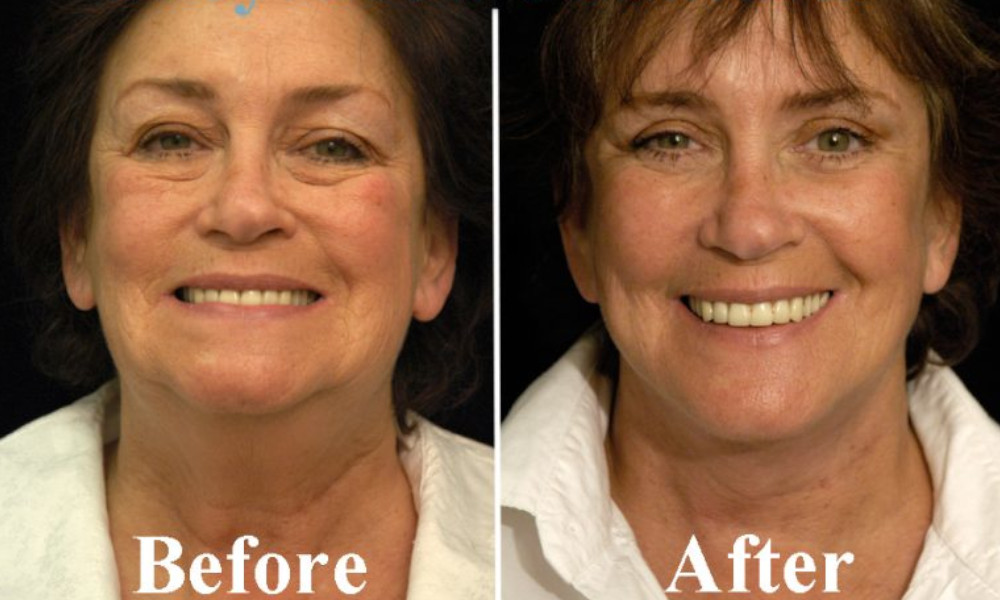
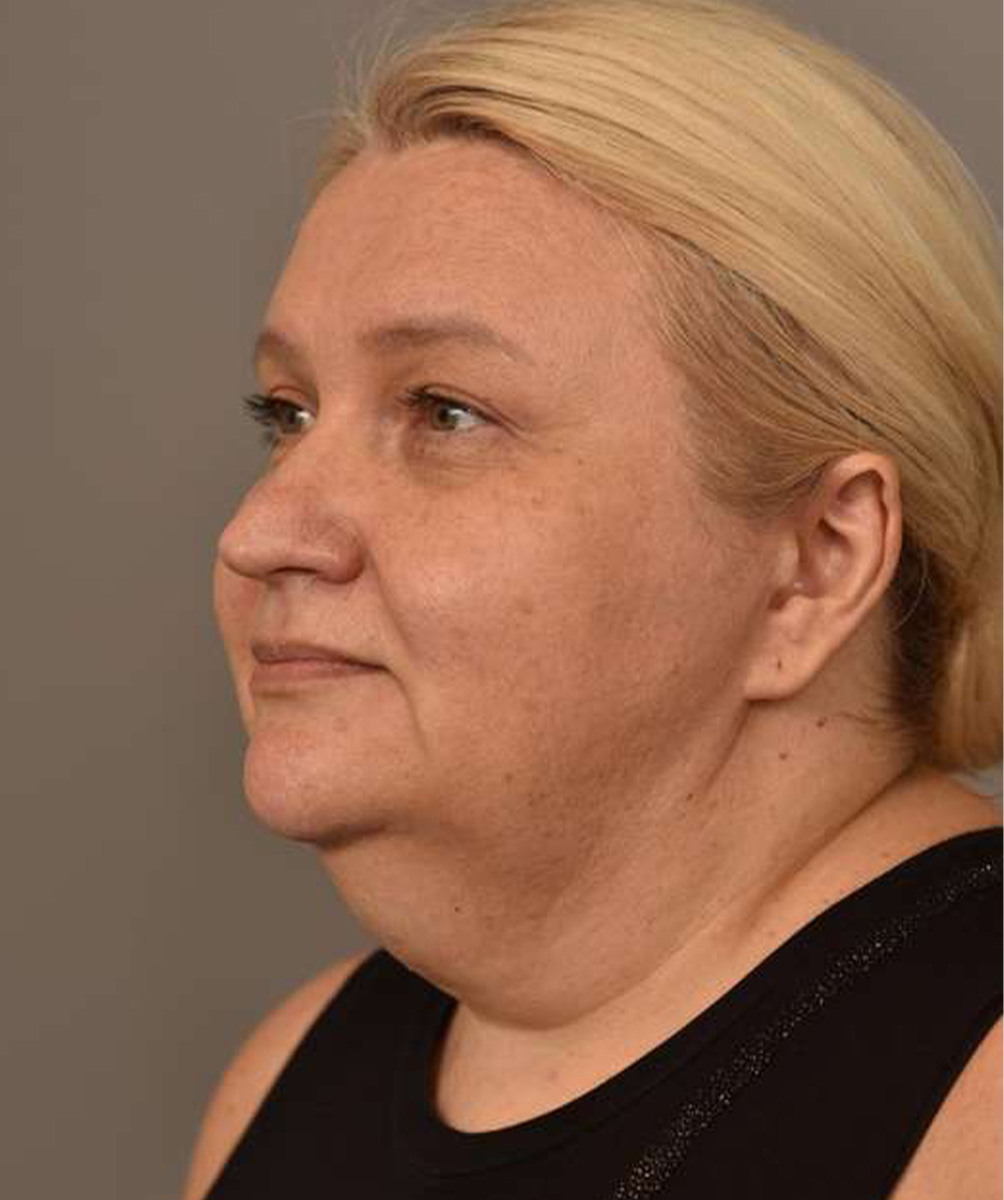
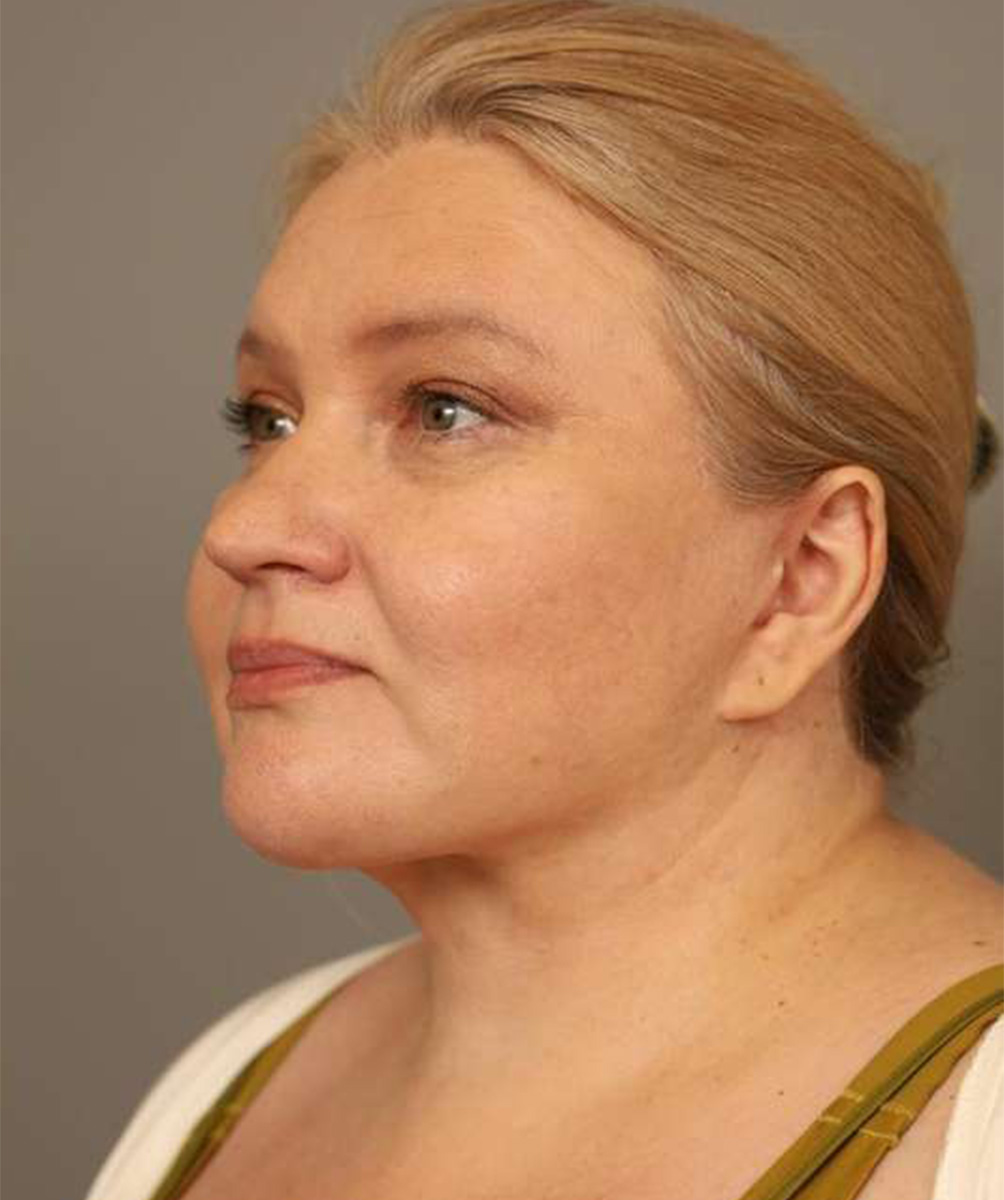
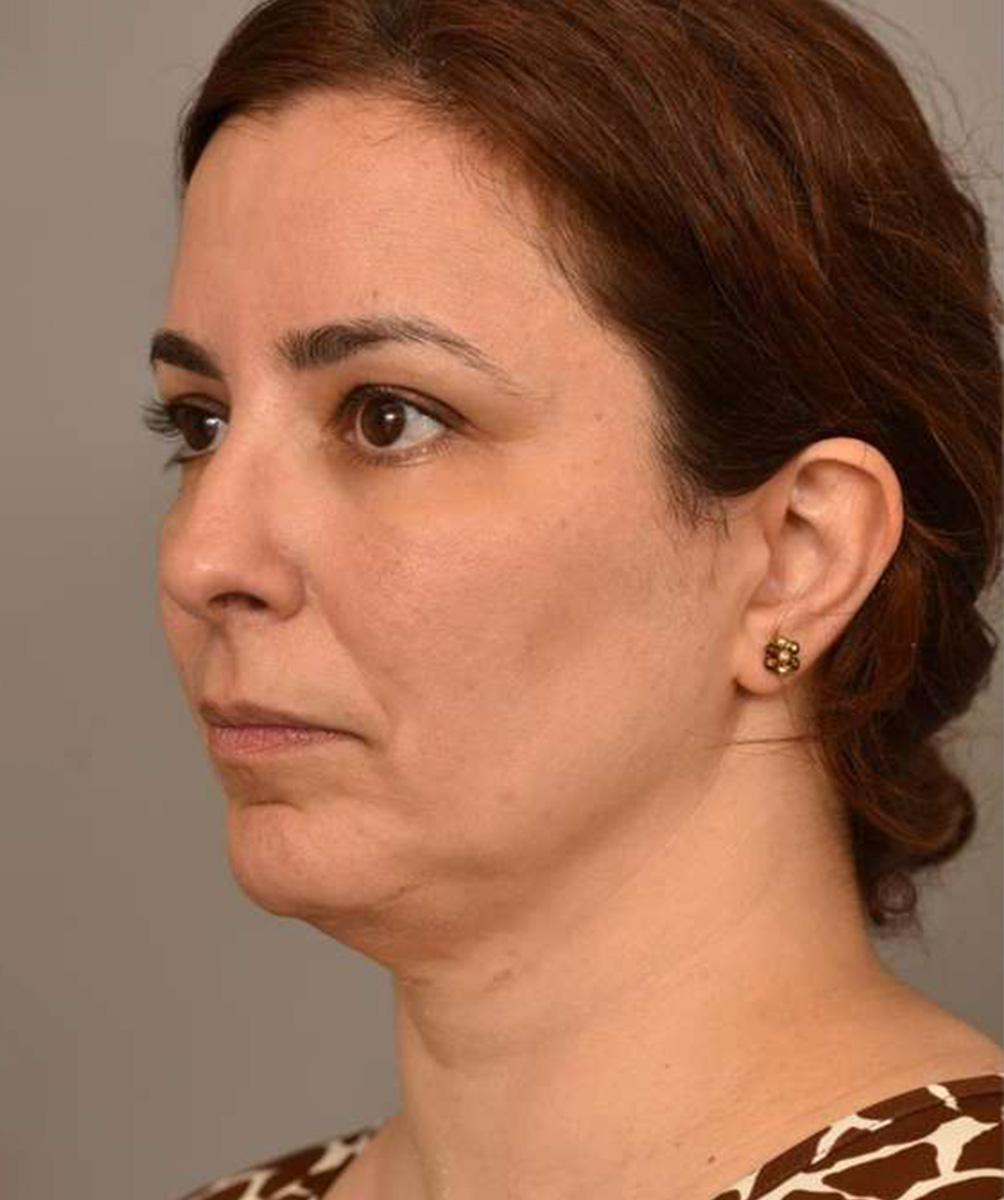
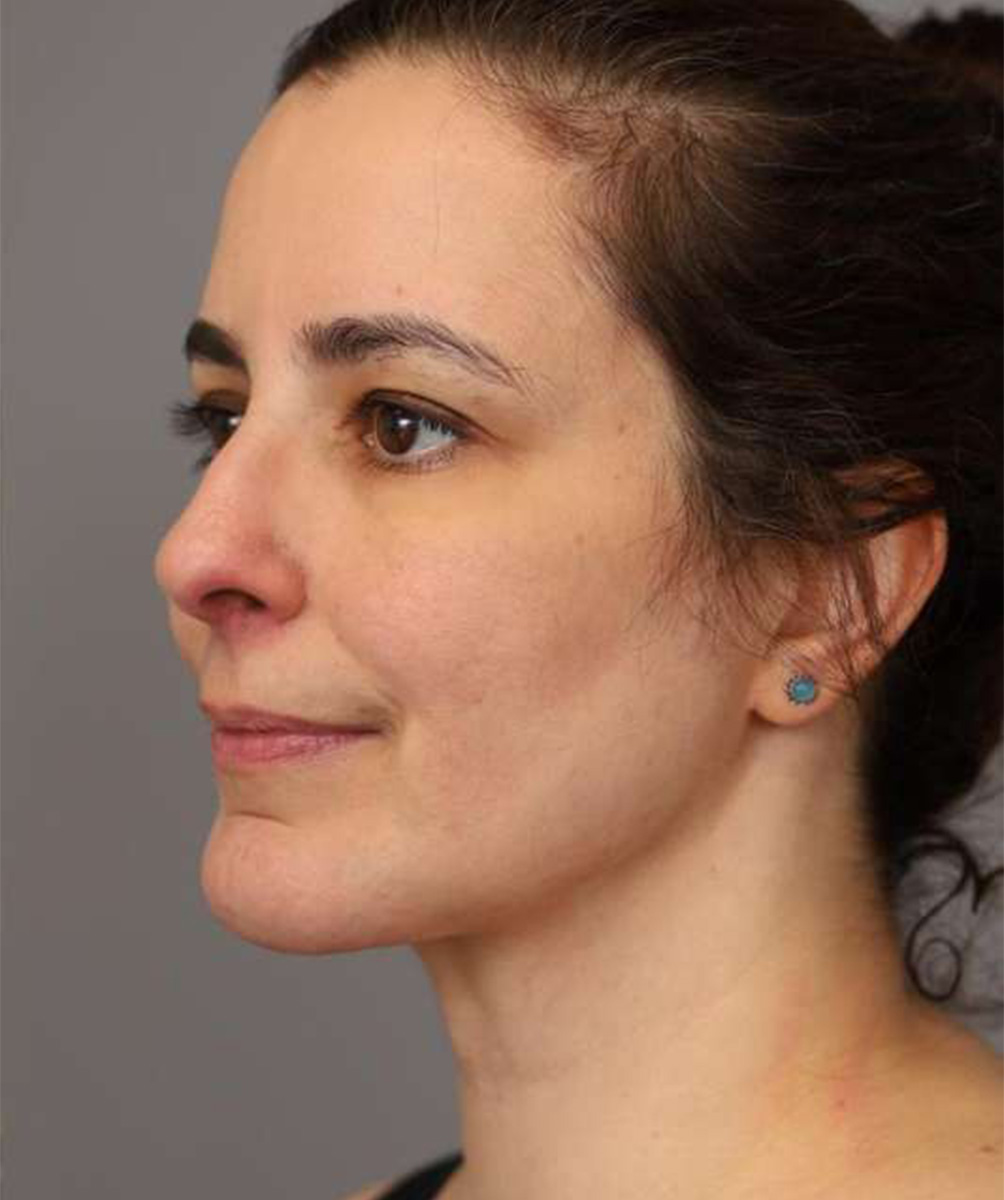
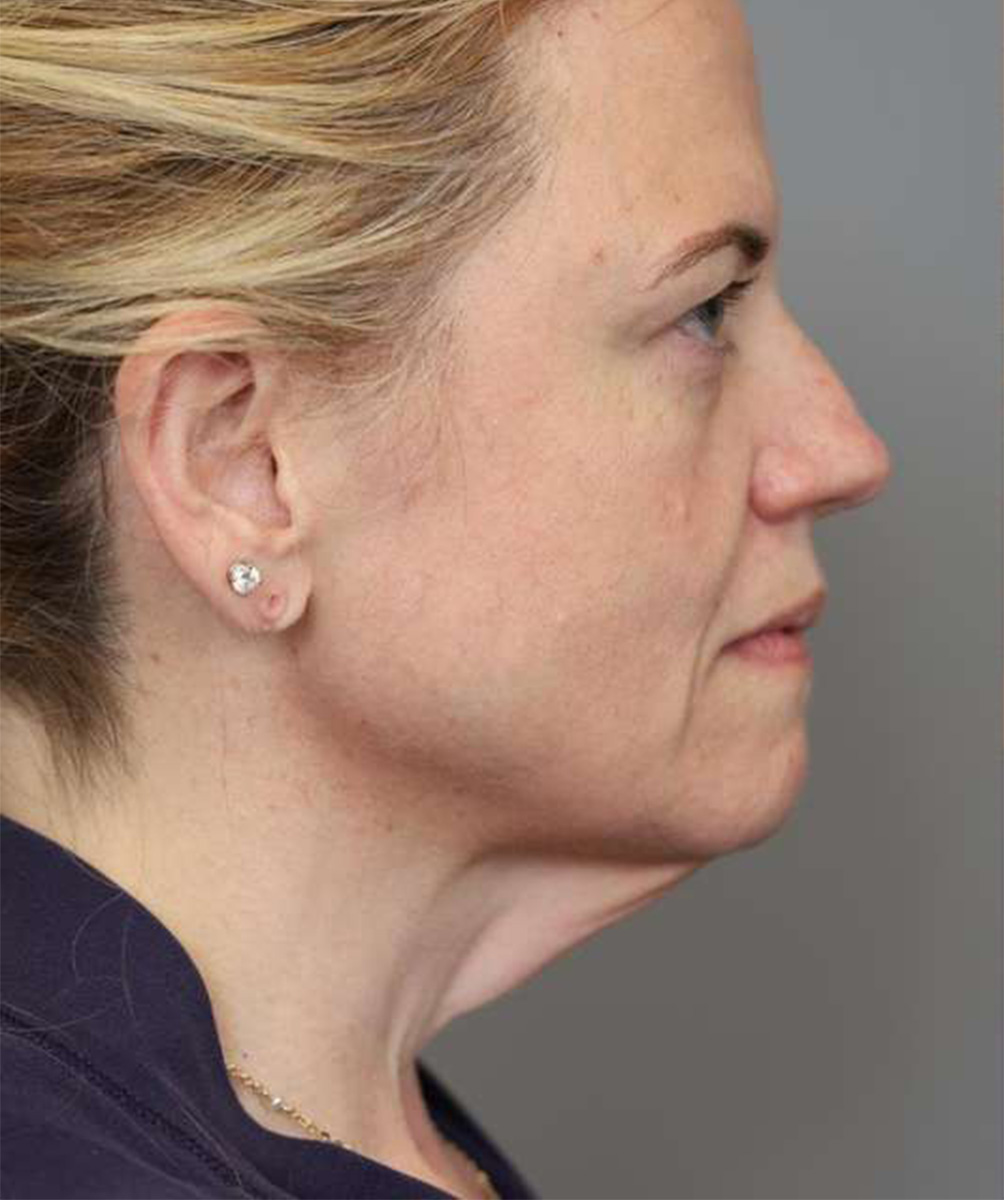
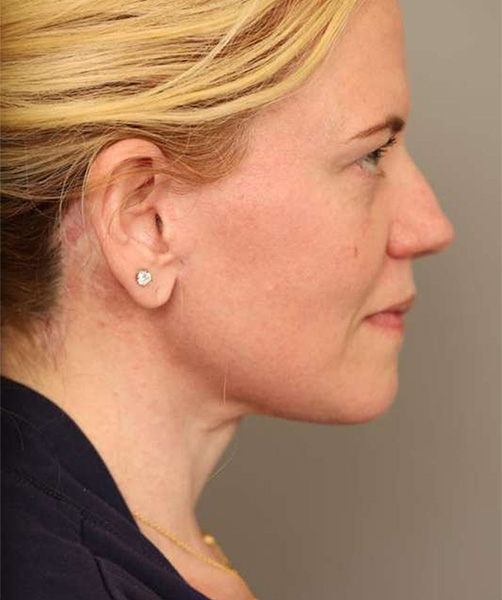
Before and After Facelift Photos


Why Choose Dr. Thomas Sterry In New York, NY
Tip 5 – Nourish Healing
✓ Put Protein First
Recovery is a time to simplify nutrition, not to complicate it. The body needs protein to repair and it needs fluids to carry that work forward. Patients do well when they include protein in small, frequent meals. Eggs, yogurt, salmon, tofu, and lentil soup are practical options that require little effort and travel well from kitchen to bedside.
✓ Hydrate With Intention
Water should be sipped regularly and broth can be helpful if appetite is low. Electrolyte drinks can be used if chosen wisely and without excessive sugar. A measured bottle encourages consistency and makes it easy to track intake during the first days at home.
✓ Support Comfort And Digestion
Keeping a light snack near the resting spot makes medication timing easier and prevents dips in energy. Gentle movement after meals often helps digestion and prevents the sluggish feeling that sometimes follows anesthesia. Simple, familiar foods are usually best in the first week.
Tip 6 – Protect Incisions
✓ Keep Incisions Clean And Dry
Incisions deserve attention and respect. They should be kept clean and dry, following the exact instructions provided by the practice. No creams or ointments should be applied unless they are specifically recommended. Touching less often is better than touching more often during the early days.
✓ Add Scar Care When Cleared
When the surgeon clears the patient, silicone based scar care becomes a daily habit and sun protection becomes non negotiable. In New York, NY, bright seasons and reflective city light can challenge the skin, so a wide brim hat and SPF 30 or higher are important for daily use when outdoors.
✓ Avoid Heat And Irritation
Heat exposure should be avoided during early healing because it can increase redness and swelling. High heat tools for hair should be used carefully and only when clearance is given. Clothing choices should be soft and easy to remove so friction at incision lines stays low.
Tip 7 – Move Smart
✓ Follow A Realistic Timeline
Movement follows a sensible timeline that honors both circulation and surgical healing. During days one through three, patients rest, take short walks for comfort, and avoid lifting more than a few pounds. Between days four and seven, light household tasks are reasonable while continued head elevation supports comfort when reclining. In week two, many patients feel ready to re enter life with a scarf or strategic hairstyle, but rigorous workouts still wait. Weeks three and four often bring a gradual return to low impact exercise when approved by Dr Thomas Sterry. By weeks six through eight most activities resume, but each step should be confirmed during follow up.
✓ Adjust For New York Living
City living adds unique wrinkles that are easy to plan around. Stair climbing with heavy groceries can spike blood pressure, so deliveries are often the smarter path. Crowded trains or busy sidewalks can feel overstimulating in the first days and may increase heart rate. Choose quiet routes, move slowly, and use door to door rides when possible until energy levels rebound.
Tip 8 – Expect An Emotional Dip
✓ Recognize Normal Feelings In Week Two
Healing does not progress in a perfectly straight line and feelings can fluctuate. Around week two many patients experience a temporary dip. Swelling may linger, medications are typically reduced, and patience can feel thin. This is normal and it passes.
✓ Create Simple Comfort Routines
Practical comforts help, such as light films, quiet playlists, and short check ins with supportive friends. It is wise to compare progress week to week rather than day to day so that small variations do not overshadow real gains. Keeping a simple journal or a few dated photos can make improvements more obvious.
✓ Keep Your Eyes On The Goal
A gentle reminder of the goal helps every time motivation dips. The aim is a rested and authentic appearance that mirrors how the patient feels on the inside. Perspective returns as the mirror changes and confidence rises with it. Dr Thomas Sterry reminds patients that healing is an arc, not a straight line, and that consistent routines are the fastest way through it.
Tip 9 – Stay In Touch
✓ Use Easy Communication Channels
Communication is part of the treatment plan. The practice encourages patients to send updates and questions through secure channels so that course corrections can be made swiftly when needed. Clear photos taken in good light can be very helpful for remote guidance.
✓ Know The Red Flags
Certain changes require same day contact. Sudden one sided swelling, escalating pain, a tense sensation beneath the skin, fever, shortness of breath, or concerning drainage should be reported without delay. Do not wait to see if things settle on their own if the change is sudden and worrisome.
✓ Keep Every Follow Up
Scheduled follow ups with Dr Thomas Sterry in New York, NY are essential and should be kept even when everything appears to be going well. These visits confirm progress, review the next steps, and refine home care so that the path remains smooth.
Tip 10 – Think Long Game
✓ Understand The Pace Of Refinement
A facelift is an investment in confidence and it deserves long view habits that protect the return. Major swelling improves notably in the first month, while refinement continues over the next several months as tissues settle. Small day to day changes add up to a real transformation.
✓ Protect Skin Every Day
Daily choices matter more than occasional bursts of effort. Consistent sun protection preserves skin quality and helps incisions fade. Regular sleep supports repair. Simple, gentle skin care avoids irritation. When appropriate, non surgical options can complement results by maintaining tone and texture, but they do not replace the surgical rejuvenation already achieved.
✓ Keep Confidence Growing
The shared goal remains the same across seasons. Patients should look like themselves, only more rested and vibrant. A few healthy habits, refreshed each year, keep results aligned with a patient’s sense of self and maintain the quiet elegance that defines work by Dr Thomas Sterry.
Localized Notes For New York, NY Patients
New York living is a character in every recovery story, so planning with the city in mind pays dividends. Transportation to and from the Upper East Side practice should be scheduled during lighter traffic windows, often late morning or early afternoon. Apartments can run warm in winter and that warmth can increase facial flushing, so indoor temperatures should be kept comfortable rather than overly cozy. Out of borough patients may prefer a nearby hotel the first night so that the trip home does not elevate blood pressure. Grocery and pharmacy deliveries save energy and remove the temptation to carry heavy bags up stairs before the body is ready. Quiet neighborhoods and parks provide gentle walking routes during the first week when noise and bustle may feel overwhelming.
Tailored Advice By Life Stage

✓ In Your 20s To 30s
Candidates in their twenties and thirties may present after significant weight changes or for targeted neck refinement. Recovery often moves quickly in these age groups, yet the same guardrails apply. Elevation, hydration, and calm routines are helpful regardless of age. Work and social calendars can be adapted with short notice, but it is still wise to protect the first week as quiet time.
✓ In Your 40s To 50s
Many women are balancing demanding careers and family responsibilities in their forties and fifties. Success here begins with blocking real time off the calendar, preparing meals in advance, and arranging childcare or eldercare support during the first week. By weeks two or three many feel meeting ready with thoughtful styling. Lighting, camera angle, and a soft scarf make video work more comfortable while swelling continues to settle.
✓ In Your 60s To 70s
Healing can be beautifully smooth in the sixties and seventies with proper planning. Hydration, protein, and daily walks take center stage while medication lists are reviewed carefully to avoid spikes in blood pressure. Building in an extra week before major events creates breathing room and confidence. Friends and family can be invited to support in small, specific ways that make rest easier.
Safety Culture
Safety is present in every paragraph of this guide because it is central to the way Dr Thomas Sterry practices in New York, NY. Calm planning reduces surprises. Clear instructions replace guesswork with structure. Quick responses keep concerns small. Patients are reminded to avoid nicotine, to respect activity limits, and to treat incision care as a priority. Lymphatic massage is not part of aftercare at this practice and is not recommended. The culture of safety values thoughtful pacing that allows artistry to shine through as healing progresses.
Gentle Myth Busting
Several myths deserve a measured response. The idea that everyone will know a facelift has been performed ignores the power of subtle technique and careful aftercare. Natural looking outcomes are the guiding principle for Dr Thomas Sterry, Plastic Surgeon in New York, NY, and they do not announce themselves in social settings. Another fear is that patients will be unable to work for weeks. Many find that remote or hybrid schedules can be resumed sooner than expected, especially with camera off periods and careful planning around follow up. The belief that all facelifts look tight belongs to a different era. Contemporary planning, precise execution, and patient first recovery create results that are refined, soft, and authentically aligned with the person wearing them.
How This Guide Fits Into Care At The Practice
This article mirrors the care pathway at the Manhattan office. Consultation is a conversation about personal goals, anatomy, and lifestyle. It includes technique discussion and a medical review that ensures safety from the beginning. Surgery day is designed around comfort and predictability so that the patient arrives prepared and leaves with simple instructions. Recovery includes scheduled check ins that keep momentum, reinforce safe behaviors, and celebrate progress. The thread through every step is individualized attention from Dr Thomas Sterry, Board-Certified Plastic Surgeon in New York, NY.
FAQs About Facelift Recovery
Can I take the subway or a rideshare home after surgery?
Patients should not travel alone on surgery day. A trusted adult should accompany the patient and a private car or rideshare is preferred over the subway because crowds, stairs, and platform heat can raise blood pressure. Quiet, door to door transport helps keep the trip calm and comfortable.
How do I handle walk up stairs in New York without stressing healing?
Plan ahead so the first several days do not involve hauling bags. Arrange grocery and pharmacy delivery and ask a friend or doorman for help with parcels. If stairs are unavoidable, move slowly, avoid carrying weight, and pause for a breath as needed. The goal is steady numbers and minimal strain while tissues settle.
When can I return to hybrid work with on camera meetings?
Many patients ease into remote work in the second week with brief sessions, camera off options, and strategic lighting. In person meetings usually feel reasonable after the most visible swelling softens. A scarf, hairstyle, and light makeup can help. The exact timing is confirmed with Dr Thomas Sterry during follow up in New York, NY.
What should I do if I wake at night with one sided swelling that feels tense rather than soft?
Contact the office right away. Sudden, tense swelling can signal a problem that needs prompt attention. Keep the head elevated, avoid exertion, and follow the instructions provided by the team. Do not wait until morning if the change is sudden or uncomfortable.
Is winter or summer better for facelift recovery in New York, NY?
Each season has trade offs. Winter coats and dry indoor heat can increase facial warmth and redness if rooms run hot, while summer brings stronger sun and humidity. Patients do well in any season when they control temperature, practice strict sun protection, and follow the plan from Dr Thomas Sterry.
When is it safe to color or style my hair near the incisions?
Hair appointments should wait until the surgeon clears the patient, since early chemicals, heat tools, or tension can irritate healing skin. Many patients are cleared for gentle, professional care several weeks after surgery with careful positioning and low heat. Incisions should remain protected and clean throughout.
Can I attend a Broadway show or a dinner reservation in week two?
Some patients feel ready for a quiet evening out in the second week if they keep expectations modest. Choose seating that avoids crowding, wear a scarf if desired, and skip heavy lifting or rushing through the city. If swelling or energy levels say stay home, postpone without guilt. Healing is the priority.
Next Steps
Patients who are ready to plan a calm and confident recovery are invited to request a private consultation with Dr Thomas Sterry, Board-Certified Plastic Surgeon in New York, NY. The Manhattan team will tailor a plan, provide clear instructions, and support every step so that healing feels manageable and results look authentically refreshed.
Medical References
- Face-lift – Mayo Clinic – https://www.mayoclinic.org/tests-procedures/face-lift/about/pac-20394059
- Facelift (Rhytidectomy): What Is It, Recovery & What to Expect – Cleveland Clinic – https://my.clevelandclinic.org/health/treatments/11023-facelift
- Evidence-Based Medicine: Face Lift – PubMed / Plastic and Reconstructive Surgery – https://pubmed.ncbi.nlm.nih.gov/28027252/
- Assessing Patient Satisfaction Following Facelifts – PubMed Central – https://pmc.ncbi.nlm.nih.gov/articles/PMC11750884/
- Neck lift – Mayo Clinic – https://www.mayoclinic.org/tests-procedures/neck-lift/about/pac-20384583
- Health Literacy in Oculofacial Plastic Surgery – PubMed Central – https://pmc.ncbi.nlm.nih.gov/articles/PMC10404445/
- Impact of Surgical Rejuvenation on Visual Processing – PubMed Central – https://pmc.ncbi.nlm.nih.gov/articles/PMC10508498/
Further Reading
- Read Dr Sterry’s Procedure page on Deep Plane Facelift
- Read Dr Sterry’s Procedure page on Naturalift™ Mini Facelift
- Read Dr Sterry’s Blog about Exercise After A Facelift in New York, NY

- Read Dr Sterry’s Blog about How To Reduce Scars After Facelift
- Read Dr Sterry’s Blog about Benefits Of A SMAS Facelift


Leave a Reply