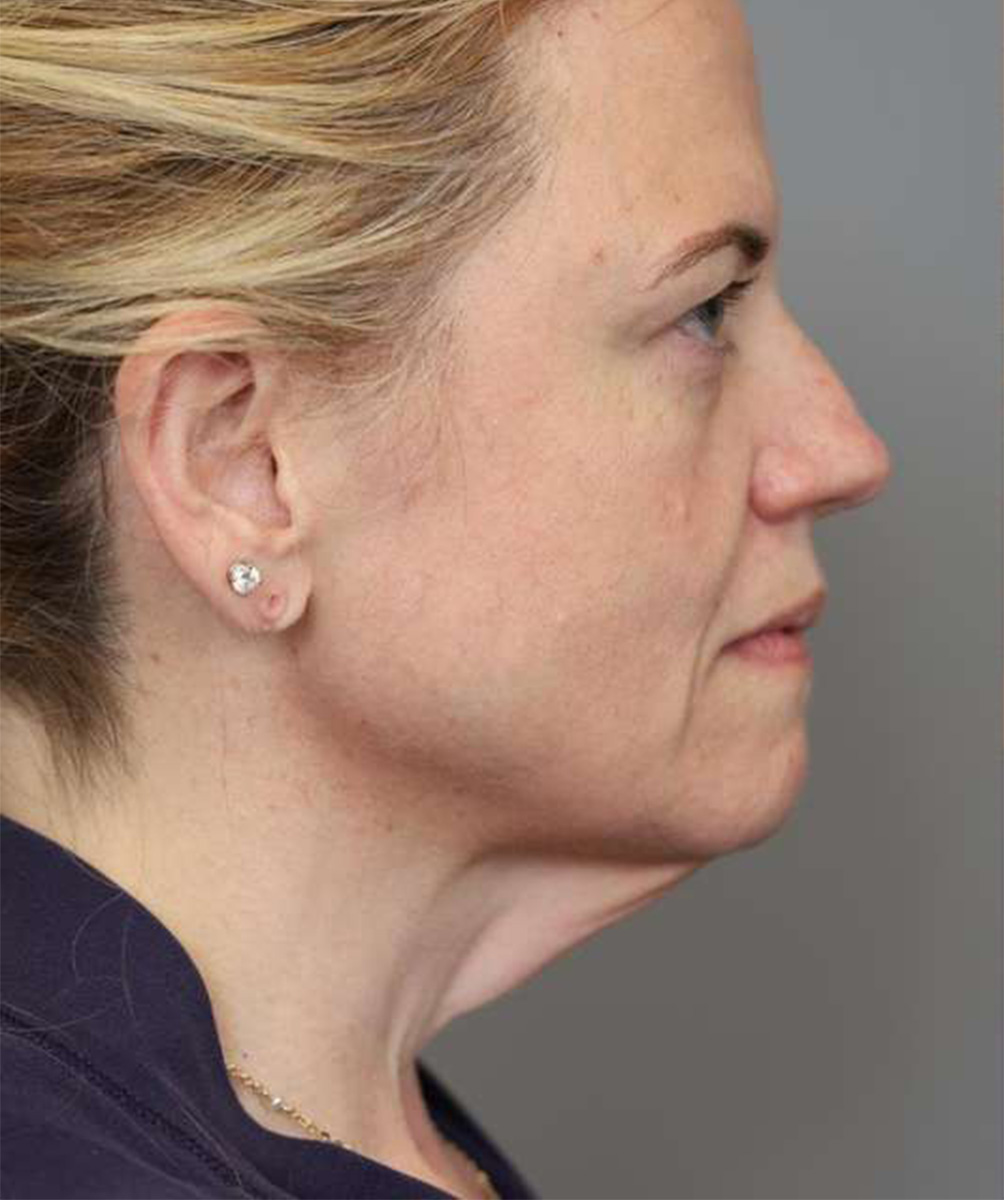
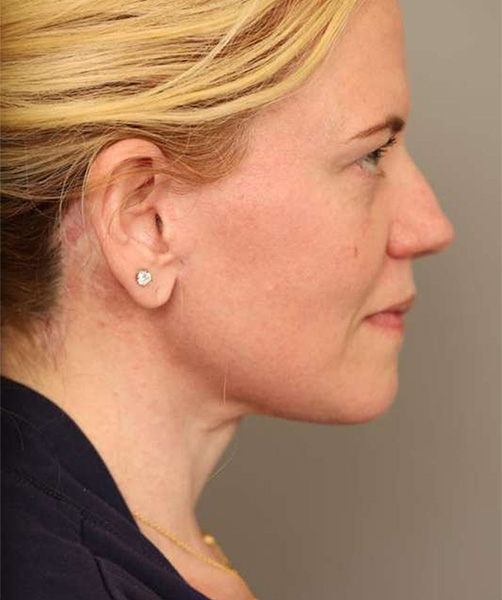

A facelift surgery should help a woman look like herself – simply more rested, refined, and assured. In New York, NY, Dr Thomas Sterry, Plastic Surgeon, guides this transformation with surgical precision and a calm, practical recovery plan that honors real life. From the first evening at home through the return to regular workouts, his patients receive clear, measured steps that keep blood pressure steady, protect delicate facial tissues, and nurture confidence with every walk around the apartment or lap through Central Park. Dr Thomas Sterry in New York, NY emphasizes natural results, discreet care, and a personalized timeline so every decision feels safe and sensible.
Contents
- 1 A Manhattan-friendly overview: why exercise after a Facelift surgery matters
- 2 Understanding post-Facelift movement
- 3 The week-by-week return to movement – always personalized
- 4 New York, NY specific tips for safer movement
- 5 What to avoid and why
- 6 How to know it is working
- 7 Tailoring by life stage and lifestyle
- 8 Technique essentials: how to move safely
- 9 Home setup for a calm recovery
- 10 Food, fluids, and sleep to support movement
- 11 Red flags and green lights
- 12 Facelift Before and After Photos
- 13 The role of professional guidance
- 14 Language and tone throughout the article
- 15 Sample lines and bridges for consistent flow
- 16 Gentle motivation for different personalities
- 17 Reinforcing the expert’s role
- 18 FAQ
- 18.1 Is it normal for my cheeks to feel warm on a short summer walk in Manhattan?
- 18.2 Can I use the subway in the second week without overdoing it?
- 18.3 Which walking routes in New York, NY are best when I am reintroducing activity?
- 18.4 How should I carry daily items like a laptop or tote without straining my neck?
- 18.5 Are boutique fitness classes in Manhattan safe during early recovery?
- 18.6 Can a smartwatch help me keep effort in a safe range?
- 18.7 What is the best way to time my return to the office commute in New York, NY?
- 19 Book a consultation
- 20 Further reading
- 21 References
A Manhattan-friendly overview: why exercise after a Facelift surgery matters
The goal is healing first and fitness second. The face and neck do best when circulation is gently supported and pressure changes remain stable. Movement can lift mood, deepen sleep, and restore rhythm, yet intensity must wait until tissues are ready. Women in New York, NY often balance jobs, families, and commutes, which is why the plan must be simple and realistic. Under the guidance of Dr Thomas Sterry, Plastic Surgeon in New York, NY, patients reintroduce activity with small, repeatable steps that never feel like a test.
This article speaks to active women ages 20 to 70 who value clarity and personalization. It is written for patients of Dr Thomas Sterry in Manhattan and for anyone considering consultation. His voice blends surgical experience with exercise science to create guidance that is reassuring and exact. He favors early movement with calm effort, steady breathing, and a watchful eye for how the face feels during and after any activity.
Understanding post-Facelift movement
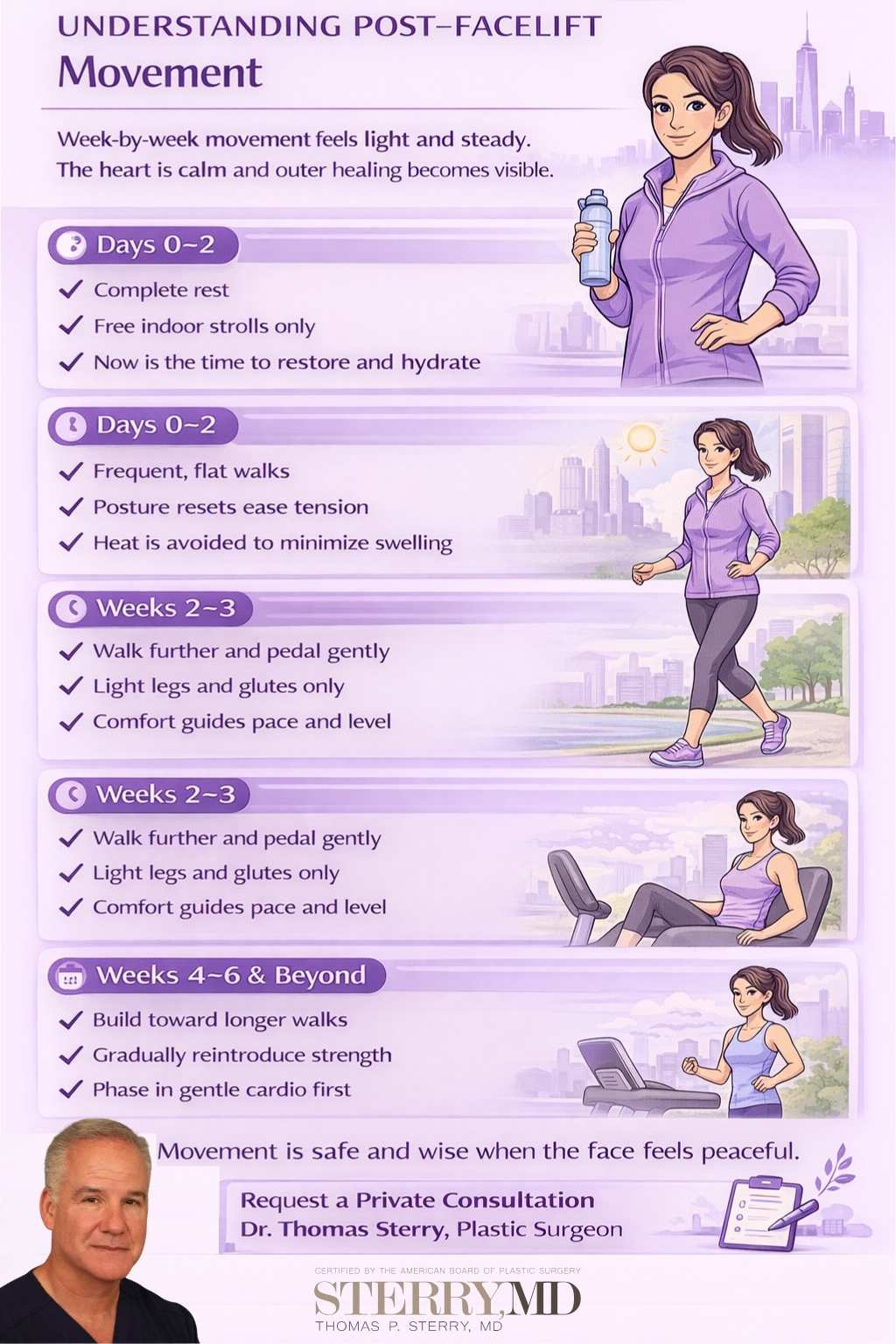
After facial surgery, not all activity carries the same demand. Some movements nudge circulation without strain. Others drive heart rate up too quickly. In the earliest days, it is helpful to think of activity as a spectrum that starts with quiet mobility and grows toward structured exercise. Short indoor walks and gentle posture resets belong at the start of the spectrum. Flat outdoor walking or an easy recumbent bike session can follow when cleared. Higher intensity efforts like hills, sprints, or heavy lifting wait for a later chapter when tissues are stronger and swelling has settled.
The face and neck deserve special respect because fresh tissues react strongly to pressure changes and heat. Breath-holding increases internal pressure. Sudden bursts of effort do the same. Smooth, even breathing keeps pressure steady and helps the face feel calm. The most reliable test is simple. During activity the face should feel quiet. There should be no pounding, pulling, or throbbing. If any of those sensations appear, the session should pause, the pace should ease, and the next attempt should begin more gently.
The week-by-week return to movement – always personalized
Every recovery is individual. Procedure details, personal health, and daily responsibilities all shape the plan. With that in mind, many healthy patients follow a pattern that grows from quiet circulation to structured activity while remaining attentive to comfort and appearance.
During days zero to two the priority is rest with short, frequent indoor walks. The head stays elevated on pillows. Bending at the waist is avoided, and anything heavier than a half-gallon of milk is left on the shelf for now. Hydration remains steady and meals emphasize protein to support healing. These days set the foundation. They are quiet by design so swelling can settle and energy can begin to return.
From days three to seven the body welcomes a gentle rhythm. Several five to ten-minute flat walks break up the day. Posture resets become a habit. The spine lengthens, the shoulders soften, and the jaw relaxes. Light shoulder and ankle mobility maintain comfort without involving the neck. Heat is avoided because it can magnify swelling. There is no hot yoga, no steam, and no long, hot baths. The face should feel peaceful after every session.
Week two builds consistency. Walks extend to fifteen or even thirty minutes as energy allows. A recumbent bike may be introduced at very easy resistance so conversation remains effortless. Light lower body work with bands can start without involving the neck or upper body. The plan remains simple and patient-led. After each activity the face is assessed. If it feels calm and looks unchanged, the same plan continues the next day. If it feels tight or looks puffy, the next session becomes shorter and easier.
Weeks three and four bring steady progress. Brisk walks on flat ground become common. Short treadmill sessions with minimal incline are acceptable if they feel smooth and quiet. Gentle machine-based strength for legs and glutes helps maintain tone. Core training stays careful and avoids neck flexion or breath-holding. The mantra remains clear. Exhale on effort. Stop at the first hint of facial pressure. Rest and retry later at a lower intensity if needed.
Weeks four to six allow controlled challenge when cleared by Dr Thomas Sterry, New York, NY Plastic Surgeon. Moderate cardio, such as an elliptical session without arm attachments or longer brisk walks, fits this chapter. Light upper body strength returns with strict form and lighter loads. No forced repetitions. No breath-holding. Sessions remain shorter than pre-surgery workouts and grow gradually as comfort allows. The face should feel as calm at the end as it did at the start.
After week six, many women transition toward their previous routines. The return remains thoughtful. Hills, intervals, and heavier weights are reintroduced only with explicit clearance from Dr Thomas Sterry, Plastic Surgeon in New York, NY. The same test applies every day. A quiet face, a steady heart, and easy breathing signal that the plan is right. The goal is to protect results while regaining strength and joy in movement.
New York, NY specific tips for safer movement
City walking is a gift when paced correctly. In the first weeks, flatter routes feel best. Central Park’s lower loop and the East River Esplanade offer smooth paths without steep inclines. Crowds are avoided whenever possible. Sidewalks and subway platforms can be unpredictable, so it helps to allow more time and to keep steps measured. Curbs, cab doors, and abrupt stops can jolt the neck. Patience keeps everything calm.
Weather deserves attention in New York, NY. Summer heat can dilate vessels and raise facial warmth. Early morning or indoor options work better on hot days. Winter cold can stiffen muscles and make footing tricky. A soft scarf that does not press on incisions keeps the neck comfortable. Supportive shoes protect balance, and a crossbody bag frees the hands for rails and doors.
Subways and stairs become part of the fitness equation. Stairs are real exercise. They should be taken slowly with one hand on the rail and no heavy items in the other hand. When possible, a friend or family member can carry groceries, luggage, or backpacks in the early weeks. Apartment gyms offer useful alternatives on days when the weather is uncooperative. A flat treadmill walk or a short recumbent bike session fits well into this phase, and it can be done without navigating crowds.
What to avoid and why
Some activities wait because they place unnecessary stress on healing tissues. Heavy lifting and aggressive pushing raise pressure quickly. Max effort repetitions and performance-driven goals do not belong in early recovery. Heat-based environments like hot studios, saunas, and steam rooms are postponed because they encourage swelling. Inverted positions or deep forward bends increase facial pressure and can feel uncomfortable. Impact-heavy workouts and contact sports are held for later because jarring or contact can disturb the neck. Even playful roughhousing with children or pets can create sudden strain.
Surprise spikes are also a concern. Sprinting for a train, lugging a heavy bag up several flights, or rushing through a crowded platform can undo a calm morning. Planning a little extra time turns the city into a partner rather than a challenge.
How to know it is working
Progress feels quiet and steady. Swelling trends down from week to week and bruising fades without returning after activity. Energy improves and sleep deepens. Many patients notice a brighter mood as walks become routine.
Personal tracking helps. A simple log of duration, perceived effort, and how the face feels at the end of each session builds confidence. A quick morning check the following day is useful. If the face feels puffy or tight after yesterday’s plan, the next session becomes easier. If it feels normal, the plan continues and grows by small, thoughtful steps.
Tailoring by life stage and lifestyle
Different seasons of life bring different needs. Women in their 20s to 40s often arrive with strong training habits and busy schedules. They can channel that discipline into recovery by swapping sprints for brisk flat walks and trading kettlebell swings for seated or machine-based leg work. Wearables become tools for step counts rather than heart rate targets. Recovery is not a competition. Women in their 50s to 70s may prioritize joint comfort and steady gains. Low-impact machines, chair-supported balance drills, and two shorter sessions instead of one long session can work beautifully. Hydration and protein take center stage, especially on days when appetite is light.
Caregivers and commuters benefit from planning. Grocery delivery helps during the first weeks. Heavy items and high shelves are delegated. Movement is woven into normal days with gentle laps at lunch and easy evening walks. Apartment living inspires a tidy setup. Clear pathways reduce the risk of trips. A chair with good back support keeps the neck neutral for reading and watching television. Small environmental choices add up to a smoother recovery.
Technique essentials: how to move safely
Technique turns ordinary activities into healing tools. Posture comes first. Imagine the crown of the head rising toward the ceiling while the shoulders soften and the jaw relaxes. The eyes look forward with the chin in a neutral position. There is no craning toward screens. Breathing is quiet and rhythmic. Inhale through the nose and exhale on effort. Breath-holding is avoided in every phase. When walking outdoors, shorter steps improve control on uneven sidewalks and reduce sudden pivots. Arms remain relaxed at the sides so the neck does not tense. In the gym, machines are favored before free weights and bands before heavy bells. Each movement rises on a two-count and lowers on a three-count. Sets stop well before any sensation of strain.
Home setup for a calm recovery
A thoughtful home environment supports every step of the plan. Many patients designate a recovery corner with pillows for head elevation, a soft blanket, and a side table for water, protein snacks, and a charger. Entertainment is set up in advance so rest periods feel pleasant and unhurried. A simple walking path through the home is cleared of rugs and cords and is lit well for evening laps. Supportive shoes wait by the door. Essentials are within easy reach to avoid bending and reaching. A small timer can prompt gentle movement breaks during the day so circulation remains steady without creating fatigue.
Food, fluids, and sleep to support movement
Hydration works best as a rhythm rather than a single large effort. Small sips through the day feel easier than big gulps at night. Meals include a protein source at each sitting so tissues have what they need to heal. Sleep receives the same attention as exercise. A regular bedtime, a cool dark room, and head elevation as advised create a calm night. Mornings begin gently. Sit up. Breathe slowly. Assess how the face feels. Then begin the first short walk of the day. This simple routine builds momentum without strain.
Red flags and green lights
Green lights are the reassuring cues that confirm the pace is right. Comfortable walks, a calm face, and no next-day puffiness signal that healing and movement are working together. The body feels quietly energized rather than driven. Yellow lights are mild tightness or warmth during activity. They suggest a step back so the plan can be adjusted and tried again later. Red flags require a pause and a call to the office. Sudden swelling on one side, new throbbing, unusual bruising, persistent warmth, or increasing discomfort deserve prompt attention. When in doubt, communication with the care team keeps recovery on track and protects results.
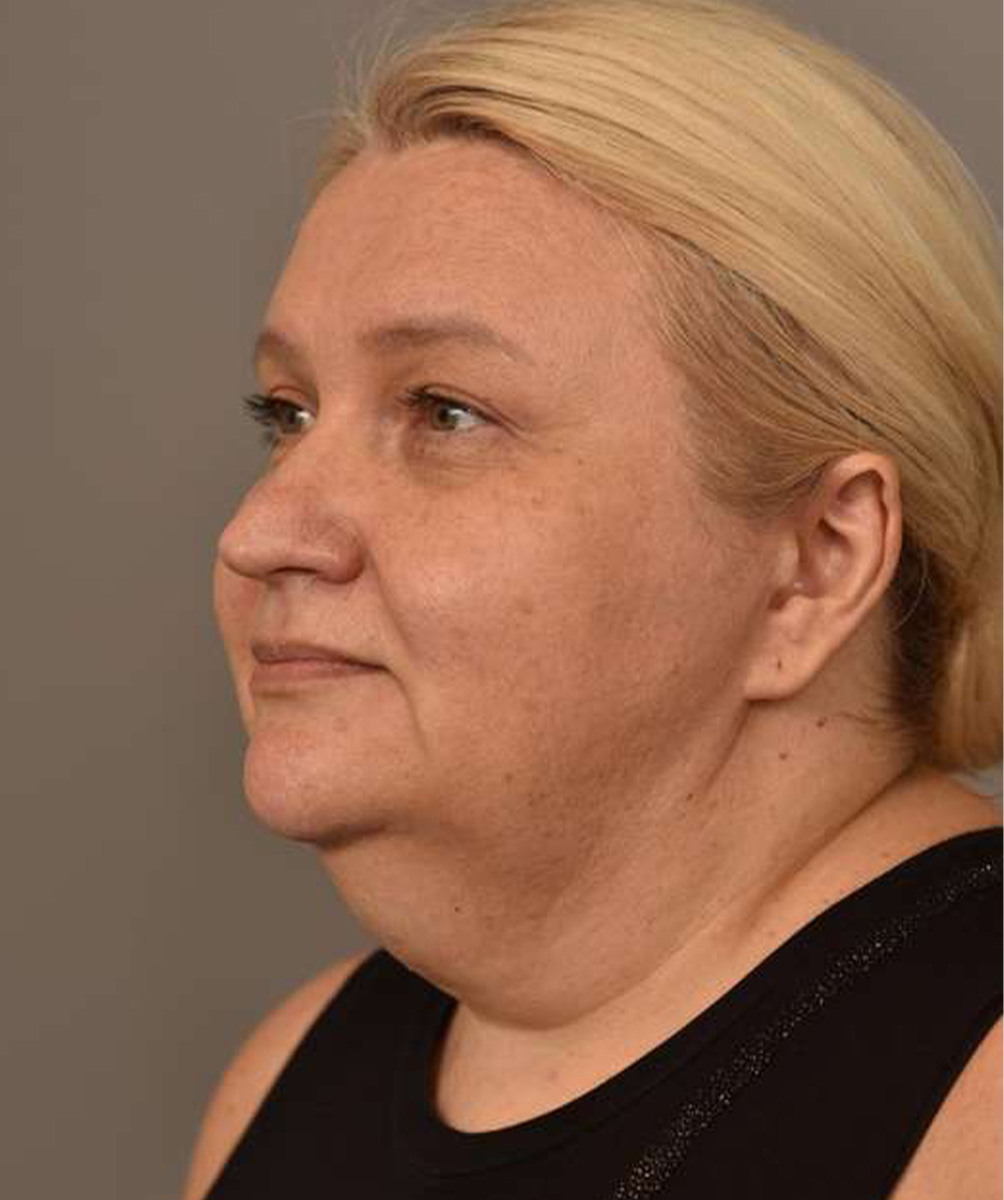
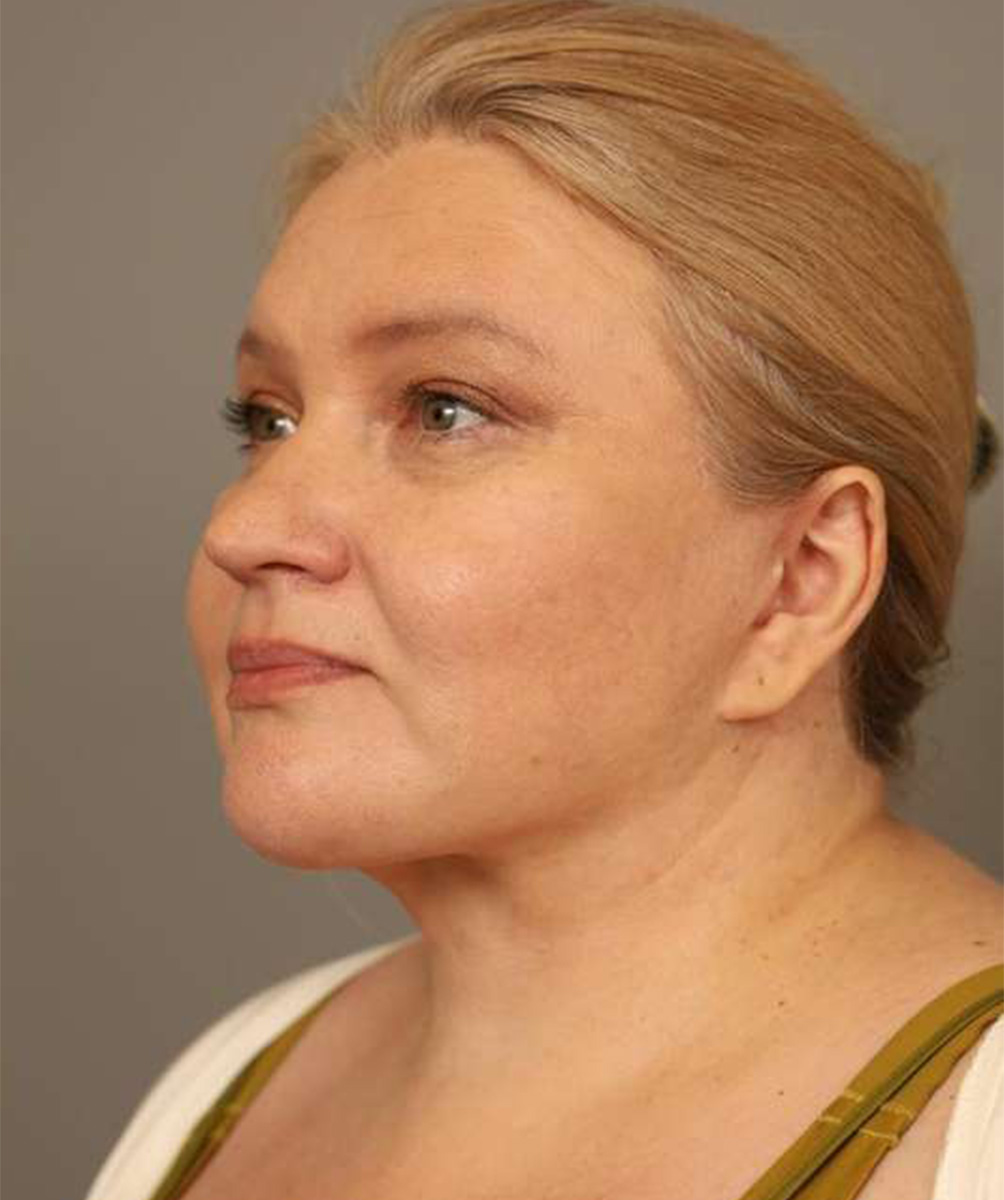
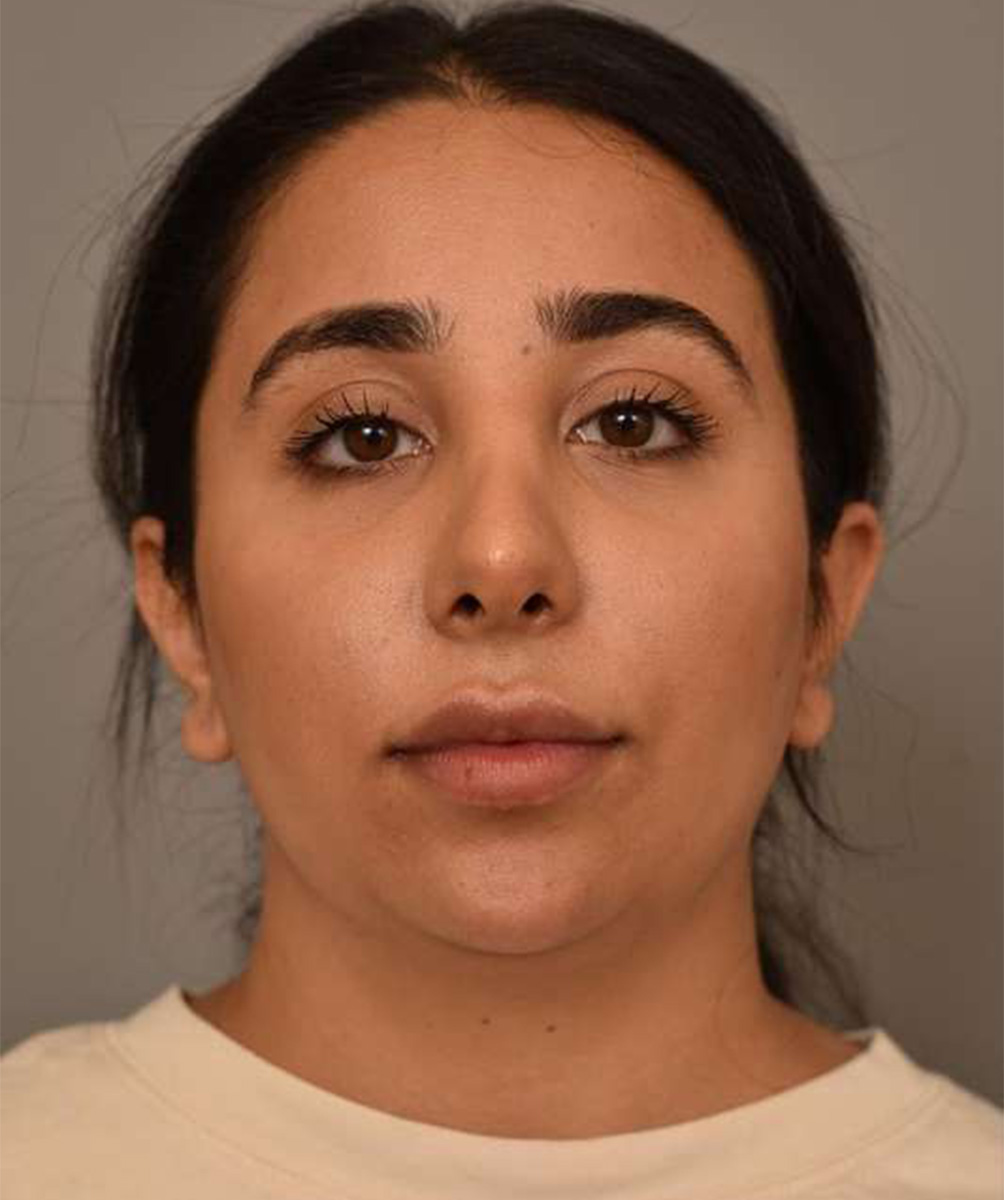
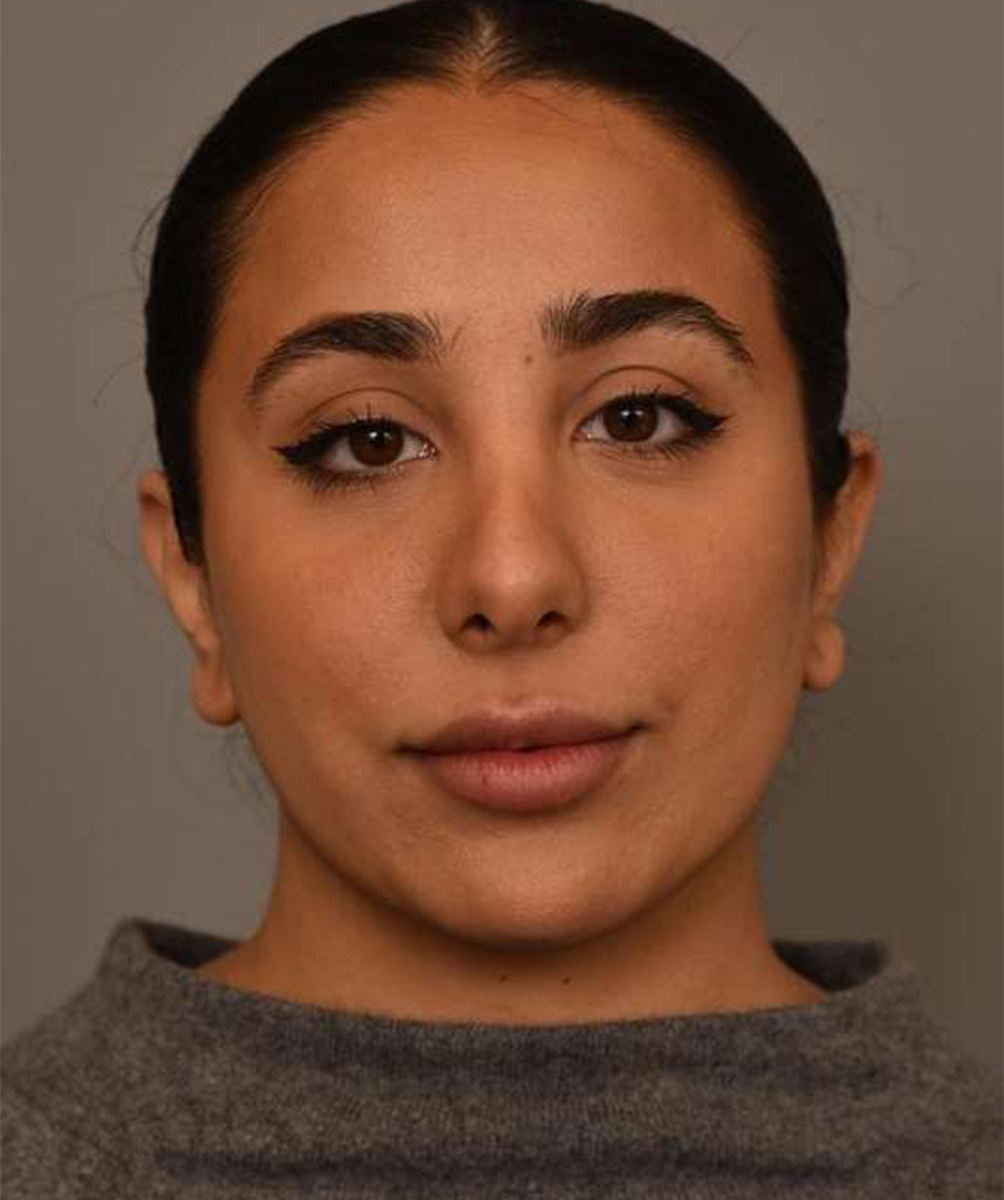
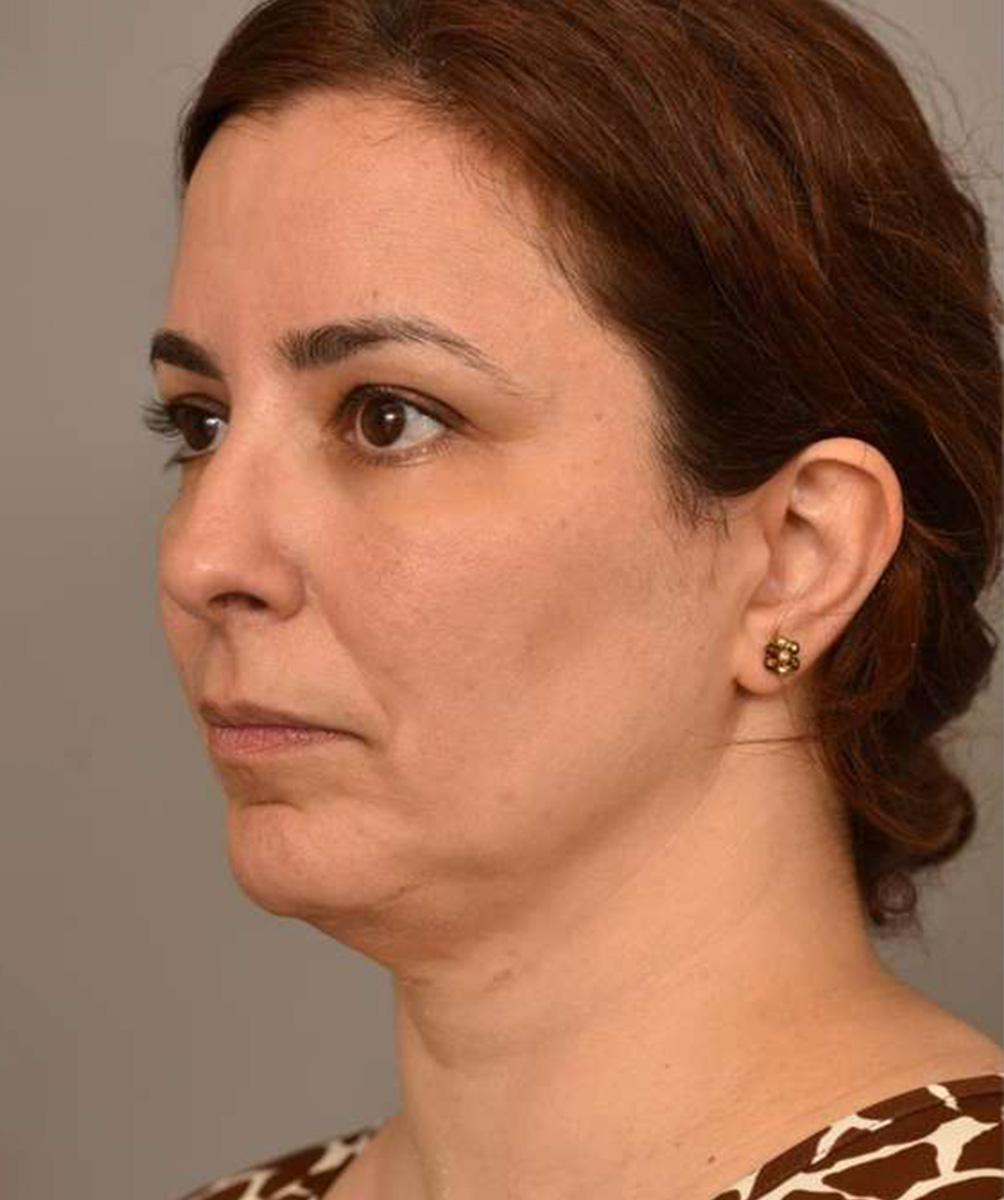
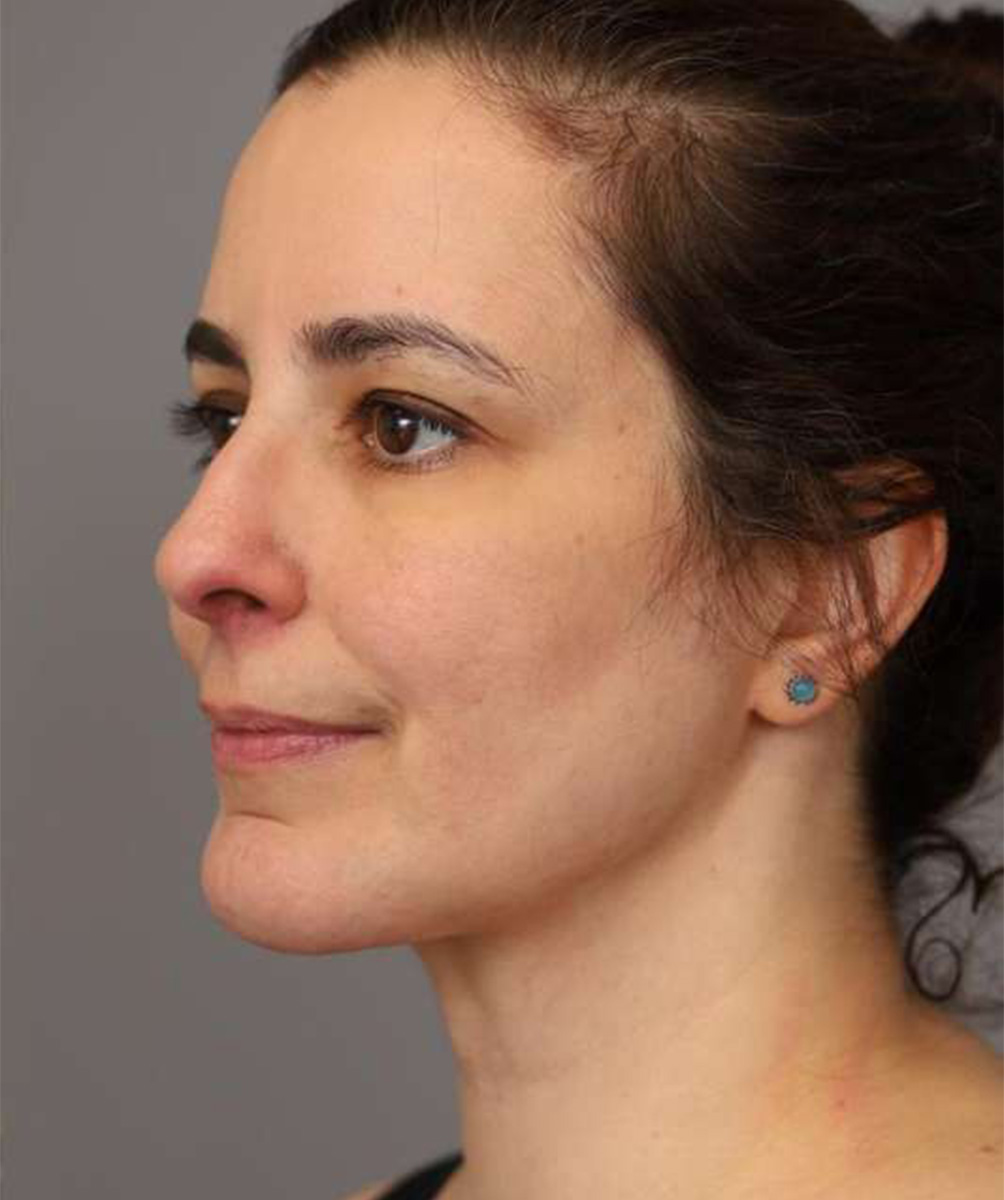
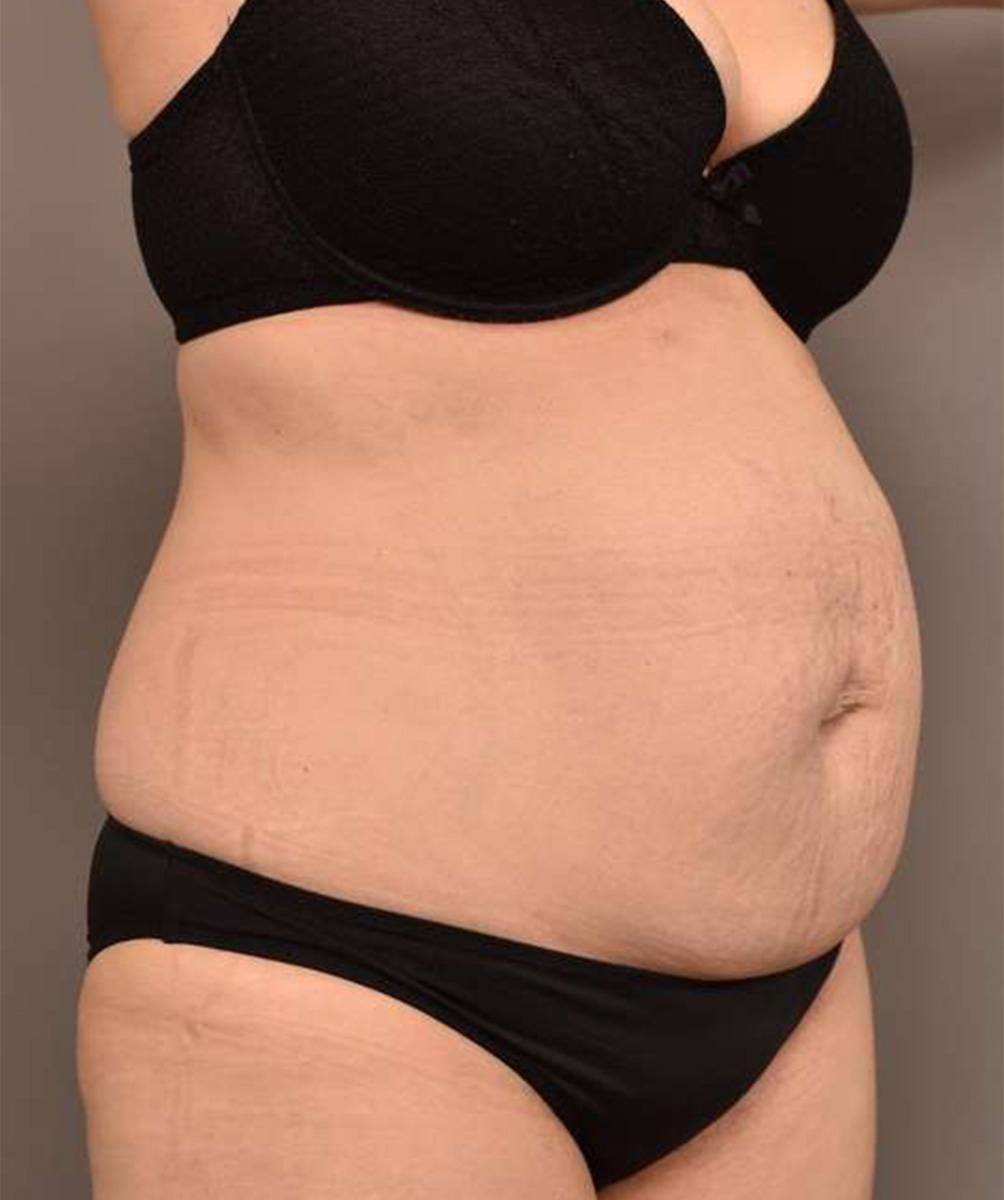
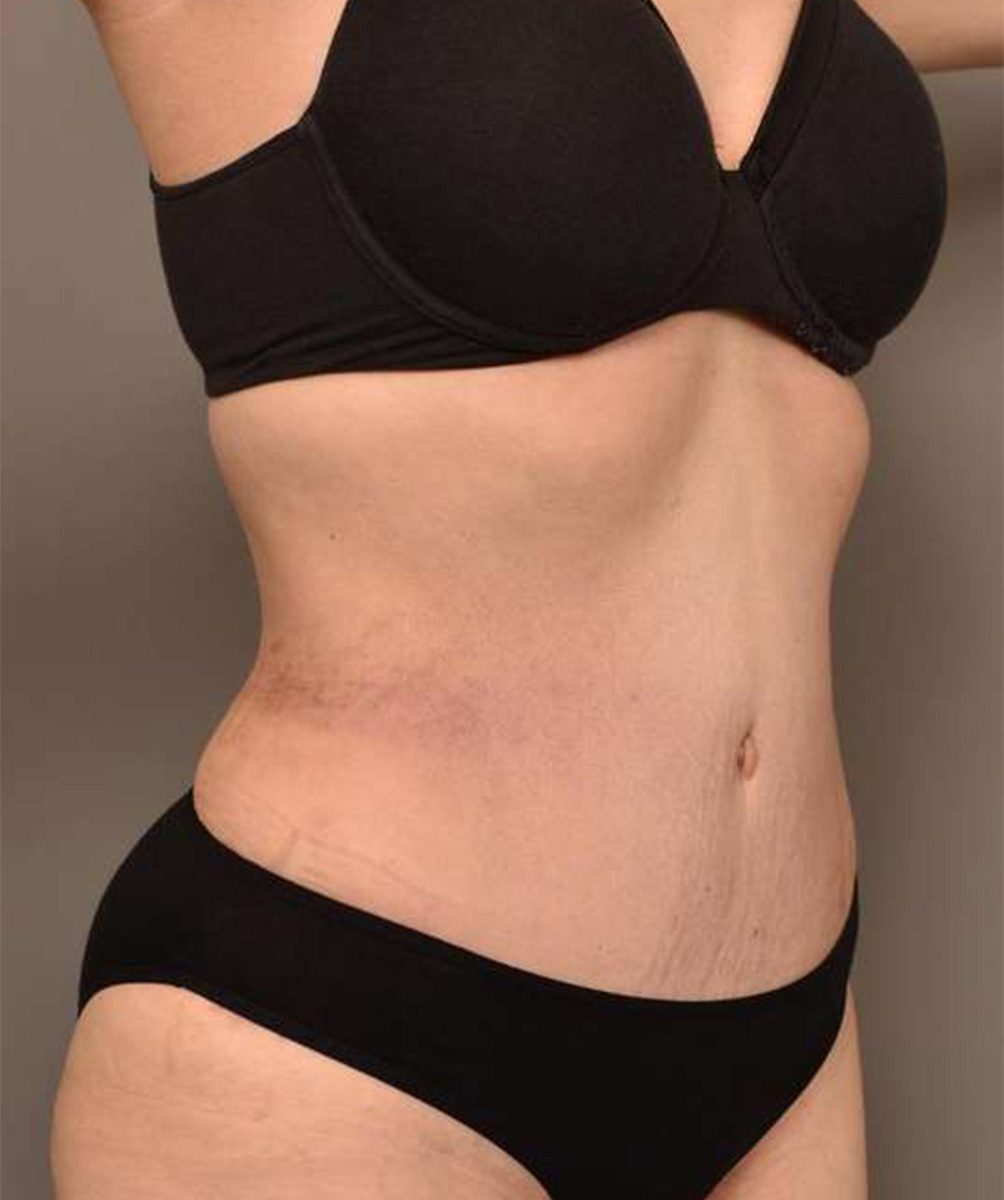
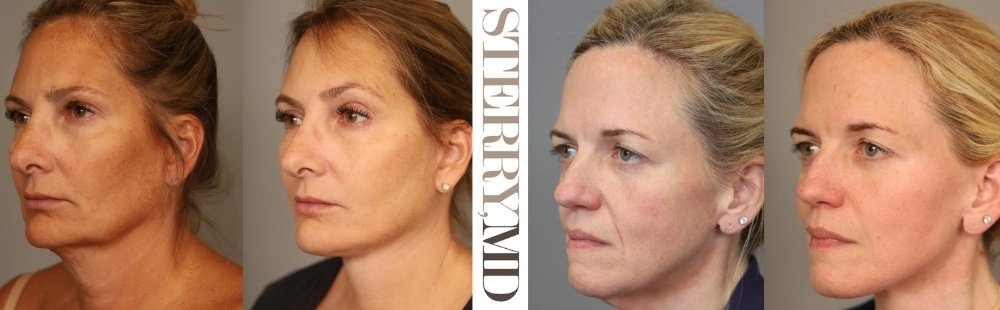
Facelift Before and After Photos
The role of professional guidance
Personalized clearance matters because procedures differ and bodies differ. Facelifts can involve different layers, varying amounts of neck work, and unique incision patterns. The timeline adjusts based on healing, energy, and daily responsibilities. Dr Thomas Sterry, Plastic Surgeon in New York, NY, provides clear written steps for each phase, fast access to his team for questions, and timely check-ins to green-light the next stage. His experience across thousands of recoveries brings reassurance when choices feel uncertain. Patients appreciate his careful, compassionate, and precise approach that blends surgical art with practical coaching tailored to Manhattan life.
Language and tone throughout the article
This guide keeps the Manhattan reader in mind. It references local routes, typical weather, and real city moments so advice feels usable the same day. It respects privacy and discretion. It keeps the message personal by reminding readers that their plan is theirs and their pace is their pace. It maintains authority by repeating the presence of Dr Thomas Sterry in New York, NY and by showing how expert oversight protects results. The tone remains warm, confident, and direct from the first step to the last, with short sentences that favor clarity over jargon.
Sample lines and bridges for consistent flow
Movement is welcome while intensity can wait. Circulation matters more than strain. Rhythm beats rush every time. If the face feels loud, the workout is too strong. Quiet effort builds beautiful results. As routines return, the smart habits stay in place. Confidence grows when progress is steady and choices are measured. These lines weave through the article and help the reader feel safe and guided.
Gentle motivation for different personalities
Every personality can find a lane. The driven athlete treats recovery like a training cycle with base building before speed. The careful planner uses checklists and short logs to confirm progress and reduce worry. The busy caregiver finds five-minute windows because two short walks can beat one long walk early on. The city walker enjoys flat routes with an easy cadence, eyes up, and shoulders down. Each style works when the rules remain simple, breathing stays smooth, and the face stays quiet.
Reinforcing the expert’s role
Authority and location are anchors that keep the plan grounded. Early in the journey, patients learn to move safely under the guidance of Dr Thomas Sterry, Plastic Surgeon in New York, NY. As healing advances, clearance from Dr Thomas Sterry in New York, NY sets the pace for the next step. When workouts reappear, patients trust the measured plan from Dr Thomas Sterry, Plastic Surgeon and his Manhattan team. The presence of an experienced surgeon gives every walk and every session a sense of safety and calm.
FAQ
Is it normal for my cheeks to feel warm on a short summer walk in Manhattan?
A mild, temporary warmth can happen when outdoor temperatures are high. In New York, NY summers it helps to choose early morning or evening, pick shaded routes like tree-lined paths in Central Park, and slow the pace so breathing stays easy. If warmth persists or swelling rises, it is a sign to shorten the walk and switch to an indoor option until the weather cools. Staying hydrated and wearing a light-brimmed hat can also help keep facial tissues comfortable.
Can I use the subway in the second week without overdoing it?
Yes, if the plan from Dr Thomas Sterry allows light outings and you avoid rush hours. Enter stations with elevators when possible, stand near doors to limit jostling, and let others handle heavy doors or bags. Stairs should be taken slowly with a hand on the rail. If your face feels pressured afterward, scale back to surface walks for a few days and then reintroduce short rides at quieter times.
Which walking routes in New York, NY are best when I am reintroducing activity?
Look for flat, predictable paths. The Central Park lower loop and the East River Esplanade offer long, even stretches and easy turnarounds. Side streets on the Upper East Side can be calmer than avenues during business hours. Early mornings tend to be quieter and cooler, which helps the face feel calm. Aim for a route that lets you shorten the outing quickly if needed.
How should I carry daily items like a laptop or tote without straining my neck?
Choose a light crossbody bag or a backpack with both straps and keep the load minimal. Hold the strap higher on the shoulder to prevent pulling and avoid long carries in the first weeks. If you must bring a laptop, consider a rolling briefcase for a short period so weight does not translate to neck tension. Small choices like these keep pressure off healing tissues.
Are boutique fitness classes in Manhattan safe during early recovery?
Select formats that focus on posture, breath, and gentle mobility without heat or inversions. Inform the instructor that you are returning after a facelift so they can suggest neutral neck positions and reduce intensity. Skip crowded, competitive settings until you have explicit clearance to increase effort. When in doubt, choose a short, simple session you can leave early if your face feels pressured.
Can a smartwatch help me keep effort in a safe range?
Set gentle alerts for time and cadence rather than aggressive heart rate targets. Aim for a conversational pace and review how your face felt during and after each session. If heart rate spikes correlate with facial pressure or next day puffiness, adjust goals to stress duration over intensity. The goal is calm consistency, not records or badges.
What is the best way to time my return to the office commute in New York, NY?
Start with partial days if your role allows and avoid peak travel times for the first week back. Leave extra time so you can walk slowly, choose elevators, and avoid rushing between platforms. If you notice swelling after the commute, discuss minor adjustments with the office and with Dr Thomas Sterry so your plan stays comfortable and sustainable. A few small changes can make the transition smooth and protective.
Book a consultation
Women who want a safe, confident return to movement after a facelift are invited to connect with Dr Thomas Sterry, board certified Plastic Surgeon in New York, NY. Request a consultation to explore a personalized facelift plan and a clear, step-by-step roadmap back to the activities you love. The Manhattan office is ready to guide you from the first gentle walk to a full return to your routine with results that look natural and feel like you.
Further reading
Read more about Deep Plane Facelift
Read more about Naturalift™ Mini Facelift
Read more about Lower Facelift
Read Dr Sterry’s Blog on How To Reduce Scars After Facelift
Read Dr Sterry’s Blog on Facelift Philosophy and Technique
Read Dr Sterry’s Blog on Don’t all Facelifts look fake?
Read Dr Sterry’s Blog on 5 Facelift Myths You Might Believe (Updated 2024)
References
- Current Trends in Facelift and Necklift Procedures – Aesthetic Plastic Surgery / PMC-NIH – https://pmc.ncbi.nlm.nih.gov/articles/PMC12193931/
- The relationship between physical activity and post-operative length of hospital stay: A systematic review – Journal of Bodywork and Movement Therapies / ScienceDirect – https://www.sciencedirect.com/science/article/pii/S1743919117305721
- Importance of Exercise for Career Longevity – Journal of Surgical Education / PMC-NIH – https://pmc.ncbi.nlm.nih.gov/articles/PMC11778094/
- Health Benefits of Exercise – Applied Physiology, Nutrition, and Metabolism / PMC-NIH – https://pmc.ncbi.nlm.nih.gov/articles/PMC6027933/
- Postoperative Care Following Rhytidectomy – Clinics in Plastic Surgery / PubMed – https://pubmed.ncbi.nlm.nih.gov/34531022/
- Recovery Protocols After Facial Rejuvenation Surgery – Facial Plastic Surgery Clinics / Mayo Clinic Proceedings – https://www.mayoclinicproceedings.org/article/S0025-6196(20)30845-7/fulltext[15]
- Guidelines for Physical Activity Resumption Post-Cosmetic Surgery – Plastic and Reconstructive Surgery / PMC-NIH – https://pmc.ncbi.nlm.nih.gov/articles/PMC10567890/