
A Facelift should look like you, only more rested and refined. That is the guiding principle of Dr. Thomas Sterry, Plastic Surgeon in New York, NY, whose Manhattan practice focuses on meticulous technique and results that enhance rather than alter. By addressing the supportive layer beneath the skin called the SMAS, a SMAS facelift builds structure where it matters. Women in their 40s through their 70s often choose this approach to soften jowls, define the jawline, and refine the neck while keeping expressions warm and authentic. Dr. Thomas Sterry believes that great surgery is quiet and confident, the kind that invites compliments without revealing a secret. His goal is simple and personal – help patients feel like themselves again.
Facelift Basics In Plain Language
A Facelift is a surgical procedure that lifts and supports aging tissues of the lower face and neck. The difference between a temporary surface change and a durable improvement usually lives in the deeper support system. Skin can be repositioned, but if the underlying scaffolding is lax, results can look tight at first and fade too quickly. Dr. Thomas Sterry focuses on strengthening that foundation so the skin can be redraped gently. His planning aims to restore proportion and contour rather than chase lines. The result should look natural in bright Manhattan daylight, during a video call, and in candid photos where expression matters most.
What Is The SMAS
The superficial musculoaponeurotic system, or SMAS, is a layer of connective tissue and muscle that influences the jawline, the corners of the mouth, and the upper neck. Over time, gravity and soft tissue changes allow this layer to descend. That descent is what creates jowls and softens the once crisp transition from face to neck. A SMAS facelift works directly on that layer. By tightening and repositioning the SMAS, then redraping the skin without tension, the face reads as refreshed rather than pulled. Dr. Thomas Sterry uses understandable language in consultation so patients can visualize what will be supported and why that support matters. He often describes the SMAS as scaffolding that holds a familiar shape.
Why Choose A SMAS Facelift
Patients choose a SMAS facelift for natural contouring of the jawline and for neck refinement that stands the test of time. The approach allows targeted improvement in the lower face while keeping the cheeks soft. It offers customization of vectors and tension so the lift can be tuned to a person’s anatomy. For many candidates the recovery curve is steady and predictable, an important consideration for busy New Yorkers. The long term value can be compelling when compared with cycles of nonsurgical treatments aimed at jowls or neck heaviness. Dr. Thomas Sterry, Plastic Surgeon in New York, NY, frames the choice around personal goals, anatomy, and lifestyle so that the plan serves the person. His philosophy prioritizes balance and restraint because harmony ages better than extremes.
Who May Be A Good Candidate In NYC
Good candidates are women who see early jowls, marionette shadows, a heavier neckline, or a loss of jawline definition. Health, medications, and smoking history are reviewed to support a safe plan. Skin quality, elasticity, bone structure, and fat distribution also guide decisions. Age is only one factor. Some women in their 40s benefit from conservative structural work, while others in their 60s or 70s do well with a more comprehensive approach. The common thread is a desire for elegance over extremes. In every case the conversation centers on authenticity, comfort, and practical timelines for New York life. Dr. Thomas Sterry invites questions and encourages patients to bring reference photos that reflect the energy they want to project.
Tailoring The Plan – How Dr. Sterry Works
Planning begins with a thoughtful consultation and standardized photographs to map changes precisely. Incisions are designed to be discreet, often within the hairline and around the ear with a post tragal approach for many women. At the SMAS level, technique selection is individualized. Options include plication, imbrication, lateral SMASectomy, or an extended SMAS approach when indicated by anatomy. Complementary procedures are considered carefully and only when they support balance, such as eyelid surgery or conservative fat transfer to restore youthful proportions. Anesthesia choices are discussed in clear terms, and safety is prioritized at every step. Dr. Thomas Sterry, Plastic Surgeon in New York, NY, sets realistic expectations about social downtime so patients can plan work and family life with confidence. He also outlines how to prepare the home environment for a smooth first week.
Benefit Deep-Dive – What Patients Actually Notice
✓ Jawline And Jowl Control
A supported SMAS sharpens the mandibular border and softens jowls in a way that reads as healthy rather than tight. Corners of the mouth often look friendlier as shadows ease. Because the deeper layer carries the tension, the skin is not pulled hard, and the face keeps its character. Friends tend to comment that you look refreshed. That is the goal Dr. Thomas Sterry aims for every time, with outcomes designed to look good in motion and not just in still photographs.
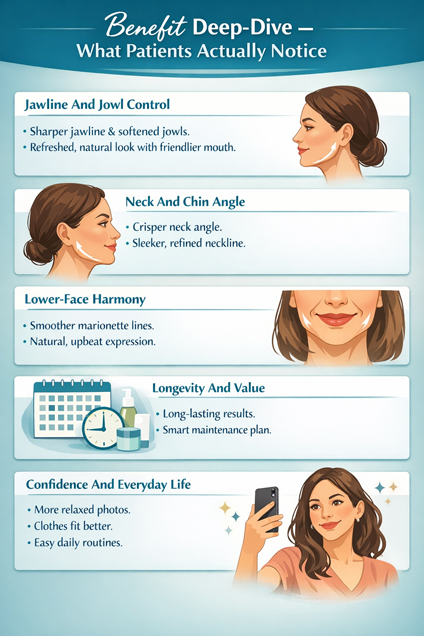
✓ Neck And Chin Angle
When the neck is addressed in tandem with the lower face, the angle under the chin becomes crisper. Platysma bands can be softened when appropriate, and the overall neckline looks lighter. The improvement shows in photographs, in mirrors, and on city sidewalks where the light is unforgiving. The intention is not to make a neck look twenty again, but to restore a graceful transition that aligns with the rest of the face. Clothing choices like open collars and scoop necks often feel better after healing.
✓ Lower-Face Harmony
A SMAS facelift improves the lower face while respecting expression. Marionette lines can look less heavy, and the perioral region often appears more upbeat without changing personality. In meetings, at brunch, or during school events, the face feels like yours. That is the hallmark of a natural Facelift performed with restraint and structure. The goal is a warmer resting expression that still looks believable up close.
✓ Longevity And Value
Because the SMAS carries the lift, the aesthetic benefit tends to last for years when combined with healthy habits. While office based treatments have a role, repeated attempts to correct jowls or a heavy neck without addressing support can become frustrating. Many patients appreciate the long view. They choose a structural procedure once and maintain it with skincare and sun protection. Dr. Thomas Sterry helps patients create a timeline that fits budget, goals, and lifestyle, including how and when to layer gentle, noninvasive maintenance later on.
✓ Confidence And Everyday Life
Confidence returns in quiet, meaningful ways. Patients describe feeling more themselves on camera and more relaxed in conversation. They notice that clothes sit better at the neckline and that candid photos look kinder. The change is not loud. It is a subtle shift toward harmony that feels right at home in New York, NY. Many also report that makeup sits better on smoother contours, making daily routines faster and easier.
Technique Notes – In Patient-Friendly Terms
Limited SMAS approaches can help early jowls, while extended SMAS options address deeper laxity and a heavier neck. The critical idea is that tension is placed on the SMAS rather than on the skin. That strategy allows incisions to heal more discreetly and helps scars mature well. Vector planning is meticulous so lift directions match each face. Throughout the operation, gentle tissue handling and careful hemostasis support a smooth recovery. Nerve aware technique protects expression and sensation. These details are where craftsmanship shows, and they reflect the careful standard Dr. Thomas Sterry applies to every case.
How The Day Of Surgery Usually Flows
On the morning of surgery patients arrive for unhurried markings and last questions. The anesthesia and nursing teams introduce themselves so there are familiar faces in the operating room. The operation itself is paced for precision, not speed. Before going home the same day, dressings are placed and comfort is prioritized. Clear instructions are reviewed with a trusted caregiver. Dr. Thomas Sterry, Plastic Surgeon in New York, NY, remains accessible to his patients because peace of mind is part of excellent care. Transportation is planned to avoid crowded commutes so rest begins quickly.
Recovery Roadmap For Manhattan Life
The first two to three days are a time for rest with the head elevated and short indoor walks as advised. Swelling and bruising are expected and usually begin to soften after several days. Keeping salt intake modest and staying well hydrated supports comfort. During the first week, a follow up visit helps with dressing changes and reassurance. Light household activities are common, and many patients feel presentable for quick errands with hairstyle and makeup strategies. Weeks two and three bring more visible progress. Desk work becomes reasonable for many, and low key social time returns as confidence grows. Makeup covers residual discoloration, and swelling continues to fade. By weeks four to six, activity expands once cleared by the team. Facelift scars continue to mature over the following months as refinement becomes more apparent in photos and mirrors. Occasional check-ins with the practice help fine tune recovery and maintain momentum.
Scars, Hair, And Styling – Practical NYC Tips
Incisions are planned to hide along hairlines and around the ear so they are difficult to detect at a conversational distance. Sideburn preservation and hairline shape matter and are considered during design and closure. In early healing, part lines and soft waves can camouflage while swelling settles. Sunglasses and a brimmed hat offer privacy during outdoor errands. These small tactics help patients move comfortably through the city while they recover. Once cleared, a professional blowout or soft color refresh can be a confidence boost for reentry into social life.
Durability And Maintenance
A SMAS facelift is built to age gracefully. The lift does not stop time, but it resets the clock in a way that looks authentic. Skin care, sun protection, and healthy routines are the maintenance plan. Office based treatments can complement the surgical foundation in the future when used thoughtfully and sparingly. Dr. Thomas Sterry provides a long term roadmap so the investment keeps paying dividends in confidence and ease. He emphasizes protection from UV exposure because New York light can be intense even in cooler months.
Combining Procedures When It Makes Sense
Facial balance often improves further when eyelid surgery is paired with lower face work, provided the anatomy supports it. Conservative fat transfer can restore youthful contours in areas that have hollowed, and targeted chin or neck refinements may enhance jawline definition. None of these are automatic. They are options that are considered only when they make the outcome more coherent and still natural. The purpose is not to do more, but to do the right amount for the most believable result.
Risk Awareness And How Risks Are Minimized
Every operation carries risks, and those risks are discussed in clear, individualized terms. Common early experiences include swelling, bruising, and temporary numbness. Less common issues are reviewed in consultation with a plan for prevention. Careful patient selection, sterile technique, precise hemostasis, and attentive follow up reduce risk. Patients receive direct guidance about when to call after hours so that no concern goes unanswered. The practice provides written instructions that are easy to follow so recovery feels organized.
Comparing Options In Plain English
Skin only lifting can look tight for a short time because the surface is pulled without strengthening the support. A SMAS facelift places the effort where it lasts. For some patients, a continued schedule of fillers or energy devices can help with fine lines or texture, but these nonsurgical tools are not substitutes for structural lifting when jowls and neck heaviness are the main concern. There is no single best technique for everyone. Dr. Thomas Sterry selects the approach that serves the face in front of him. This individualized strategy is why results look familiar and not formulaic.
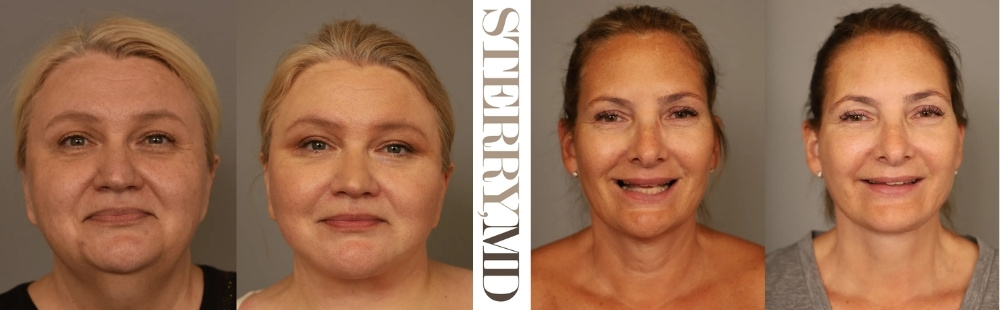
Facelift Before and After Photos
Tailored Advice By Decade
In the 40s and early 50s, some women benefit from a conservative approach that addresses early jowls with smaller incisions when anatomy allows. In the mid 50s and 60s, many are classic candidates for a comprehensive SMAS facelift and may also benefit from eyelid rejuvenation. In the 60s and 70s, careful medical optimization and incision strategy, prioritize safety while delivering elegant, age appropriate refinement. The common theme is personalization so that results feel like you at your best. Dr. Thomas Sterry guides these decisions with clarity so each plan aligns with individual goals.
The New York, NY Perspective
Timing matters in a city that never slows down. Some patients schedule surgery during quieter work periods or cooler months when scarves and turtlenecks are common. Walkable neighborhoods make early light activity easier, and access to rideshare or car services simplifies appointments. Results are planned to look believable in bright, unforgiving light, from subway platforms to Central Park lawns to evening dinners under spotlights. Local knowledge helps with logistics like finding comfortable clothing that sits away from the ears and planning a gentle return to the office.
Photo Planning And Honest Expectations
Standardized photographs before and after help patients appreciate subtle shifts that are easy to miss in daily mirrors. During consultation Dr. Thomas Sterry explains what natural means in practice so that expectations are aligned with anatomy and healing. Timelines for being comfortable on camera are discussed openly. The aim is confidence that grows, not a surprise reveal that fades. Many patients find it helpful to keep a private album to track progress week by week.
What Makes Dr. Thomas Sterry A Smart Choice In NYC
Dr. Thomas Sterry is a board certified Plastic Surgeon with more than two decades of focused experience. He serves as an Assistant Clinical Professor at Mount Sinai, reflecting a commitment to education and innovation. His Naturalift mini facelift concept is one example of tailoring structural work to select candidates who want smaller incisions without sacrificing support. Patients describe a calm, collaborative consultation style and a craftsman’s attention to detail. The Manhattan practice is known for responsive communication and thoughtful follow up that respects time and privacy. This blend of technical rigor and kindness is why so many patients refer friends and family.
Gentle Myths To Retire
Tight does not equal youthful. Firmness without softness can look unnatural, especially in motion. Fillers cannot correct jowls or a heavy neck long term when support has descended. No single technique is best for every face. Bigger change is not automatically better. Elegant restraint tends to age best because it works with the face rather than against it. These ideas guide planning so results feel refined rather than obvious. Learn more about Facelift Myths Debunked blog or Best Facial Plastic Surgery & Facelift In New York.

FAQs About The Benefits Of A SMAS Facelift
Will I still look like myself in bright new york light?
Yes. A SMAS facelift supports the deeper layer so the skin can be redraped gently. The goal for Dr. Thomas Sterry is a refreshed face that looks authentic on a sunny Manhattan sidewalk, under office fluorescents, and on camera. Friends should notice energy and ease, not surgery. Makeup should sit more smoothly and hair can frame the face without drawing attention to scars once healing progresses.
How do daily city routines affect early recovery?
Short walks are helpful once approved, but heavy bags and rushed subway commutes are not. Plan car service or gentle rides for the first visits. Dr. Thomas Sterry advises keeping movements calm, keeping the head elevated when resting, and avoiding crowded rush hours until swelling softens. A quiet week at home sets the tone for the rest of healing.
When can I color my hair or style it around the incisions?
Most patients wait until the team clears them at a follow up visit. Gentle styling and loose, soft waves can camouflage early healing. Post tragal incisions near the ear are placed to hide well, and careful timing with your colorist keeps the area comfortable while it matures. If you wear behind the ear glasses, choose light frames early on.
I have years of filler – does that change the plan?
It can. Filler history helps Dr. Thomas Sterry understand tissue thickness and elasticity. Some filler may be dissolved before surgery if it distorts natural contours. The facelift then restores structure, and future touch ups, if any, are planned conservatively to protect the refreshed shape. The aim is balance, not fullness for its own sake.
Can I wear glasses, sunglasses, or a mask after surgery?
Yes with guidance. Light frames and gentle pressure points are preferred in the first weeks. Sunglasses are excellent for privacy outdoors. Masks should be worn loosely and only when advised safe, avoiding tight straps that press on healing areas around the ears. Comfort first is the rule during early recovery in New York, NY.
What If I Have An Event In Manhattan Soon?
Share the exact date at consultation. Dr. Thomas Sterry will map a realistic timeline for photos and public appearances. Many people feel camera ready with makeup and hairstyle strategies by several weeks, but the final refinement continues for months. Planning is everything, and thoughtful scheduling protects both comfort and confidence.
Is a SMAS facelift helpful if I had a facelift years ago?
Yes in many cases. Sub SMAS strategies can refresh support in a thoughtful way after prior surgery. Dr. Thomas Sterry evaluates scar placement, tissue quality, and nerve function, then recommends a plan that respects what has been done while aiming for natural harmony today. Revision work is delicate and benefits from a measured, individualized approach.
Ready To Take The Next Step
If you are considering a Facelift in NYC and want results that feel like you, schedule a private consultation with Dr. Thomas Sterry, Plastic Surgeon in New York, NY. The conversation will center on your goals, your anatomy, and a plan that fits your life in Manhattan. Whether you live in the city or plan to travel to New York, NY, the team will help you organize a smooth experience. Bring your questions and a short list of priorities. The objective is simple and personal – a refreshed, familiar face that moves and smiles like your own.
Further Reading
- Read more about Lower Facelift
- Read more about Deep Plane Facelift
- Read more about Buccal Fat Removal
- Read Dr Sterry’s Blog on 5 Facelift Myths You Might Believe (Updated 2024)
- Read Dr Sterry’s Blog on Facelift Philosophy and Technique
- Read Dr Sterry’s Blog on How To Reduce Scars After Facelift
- Read Dr Sterry’s Blog on Don’t all Facelifts look fake?
Medical References
- A Systematic Review and Comparative Analysis of Facelift Techniques Including SMAS / Plastic and Reconstructive Surgery Global Open / https://pmc.ncbi.nlm.nih.gov/articles/PMC11539935/
- Clinical Application of the High Superficial Musculoaponeurotic System (SMAS) Facelift / Plastic and Reconstructive Surgery Global Open / https://pmc.ncbi.nlm.nih.gov/articles/PMC12068760/
- The Application of Basic SMAS Rhytidectomy and Comprehensive SMAS Techniques / Annals of Plastic Surgery / https://pmc.ncbi.nlm.nih.gov/articles/PMC11521065/
- Evolution of Superficial Muscular Aponeurotic System Facelift Techniques: A Systematic Review / International Journal of Surgery Case Reports / https://pmc.ncbi.nlm.nih.gov/articles/PMC10819192/
- Retaining Ligaments of the Face: Still Important in Modern Approach in Facelift Surgery / Plastic and Reconstructive Surgery / https://pmc.ncbi.nlm.nih.gov/articles/PMC12734016/
- Transtemporal Endoscopic Deep Plane Face Lift Technique and Outcomes / Aesthetic Surgery Journal Open Forum / https://pmc.ncbi.nlm.nih.gov/articles/PMC11756885/

Leave a Reply