
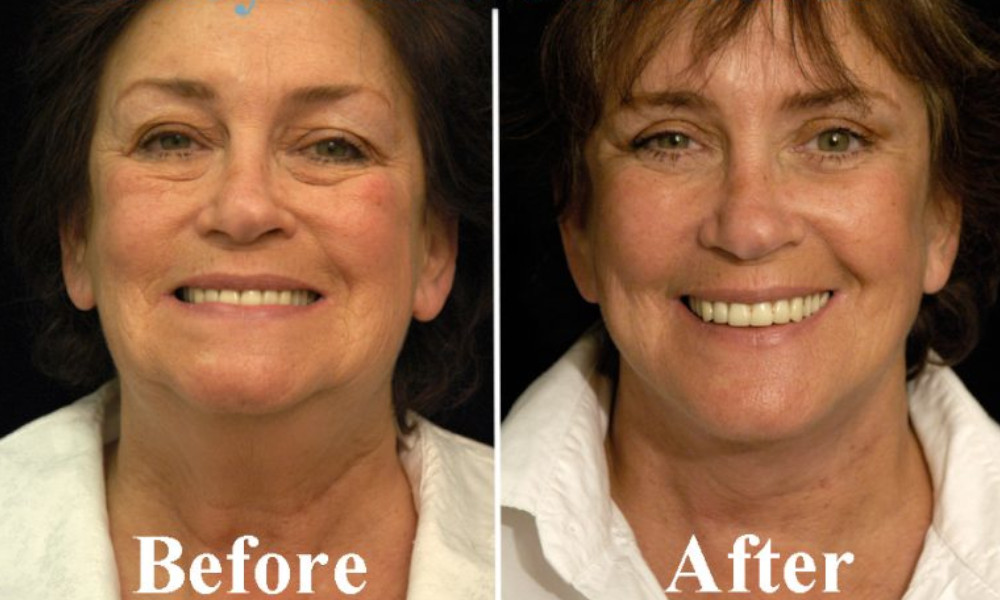
New York women want results that feel authentic. They want a refreshed face that still looks like their face. That is why so many patients exploring facial plastic surgery in Manhattan look to Dr Thomas Sterry, a board-certified Plastic Surgeon in New York, NY. His reputation centers on natural facelift outcomes, careful technique, and calm guidance from the first conversation to the final follow up. In this guide, written in a clear and reassuring voice, readers will learn what a facelift can and cannot do, how Dr Thomas Sterry plans each step, and how to decide whether now is the right time. Every section places the patient at the center. The promise is simple and powerful – she should look like herself, only fresher.
Best Facial Plastic Surgery In NYC – What Best Means For Real Women
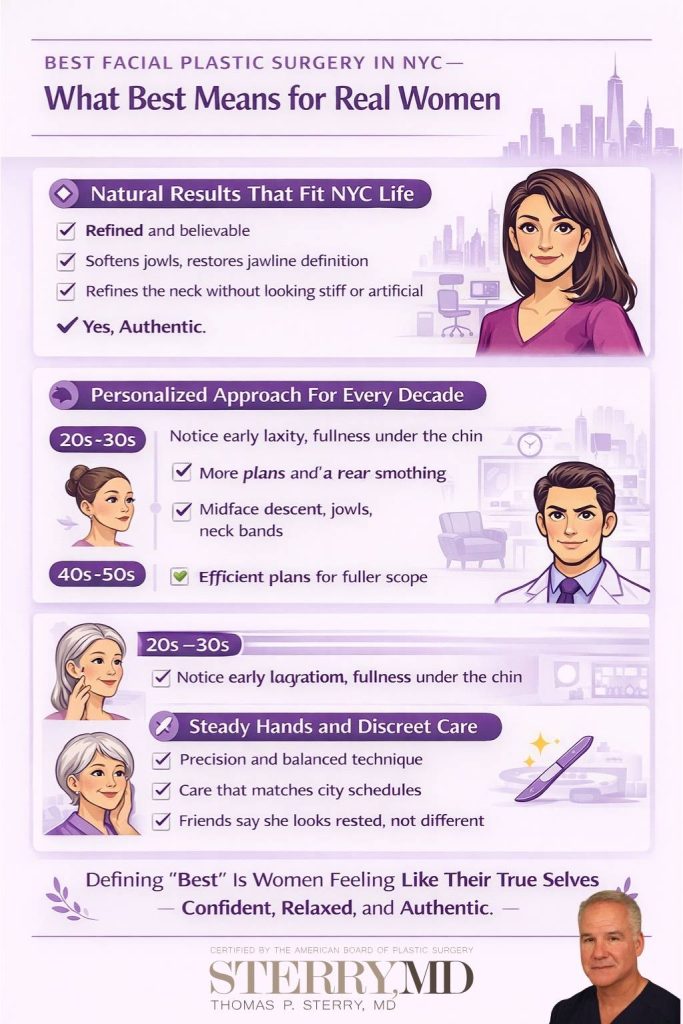
New Yorkers equate the word best with outcomes that are refined, believable, and balanced. The best facial plastic surgery does not announce itself. It allows a woman to move through the city feeling confident at work, on camera, and at dinner with friends. Authenticity leads the way. The ideal facelift softens jowls, restores jawline definition, and refines the neck without the stiff look that people fear. Privacy and efficiency matter in a city that never slows down. Schedules, recovery plans, and discreet support should respect the pace of Manhattan life and the realities of commutes, school drop offs, and board meetings.
Personalization is essential across decades. In the 20s and 30s, some women notice early laxity along the jawline or a genetic tendency to fullness under the chin. These concerns may be addressed with a conservative lift or focused neck refinement when appropriate. In the 40s and 50s, midface descent, jowls, and neck bands often appear together. A comprehensive facelift that treats the face and neck as one unit tends to give the most harmonious result. In the 60s and 70s, plans often become broader in scope while prioritizing safety and thoughtful pacing. Each decade brings unique skin behavior and lifestyle demands, so the plan must flex accordingly.
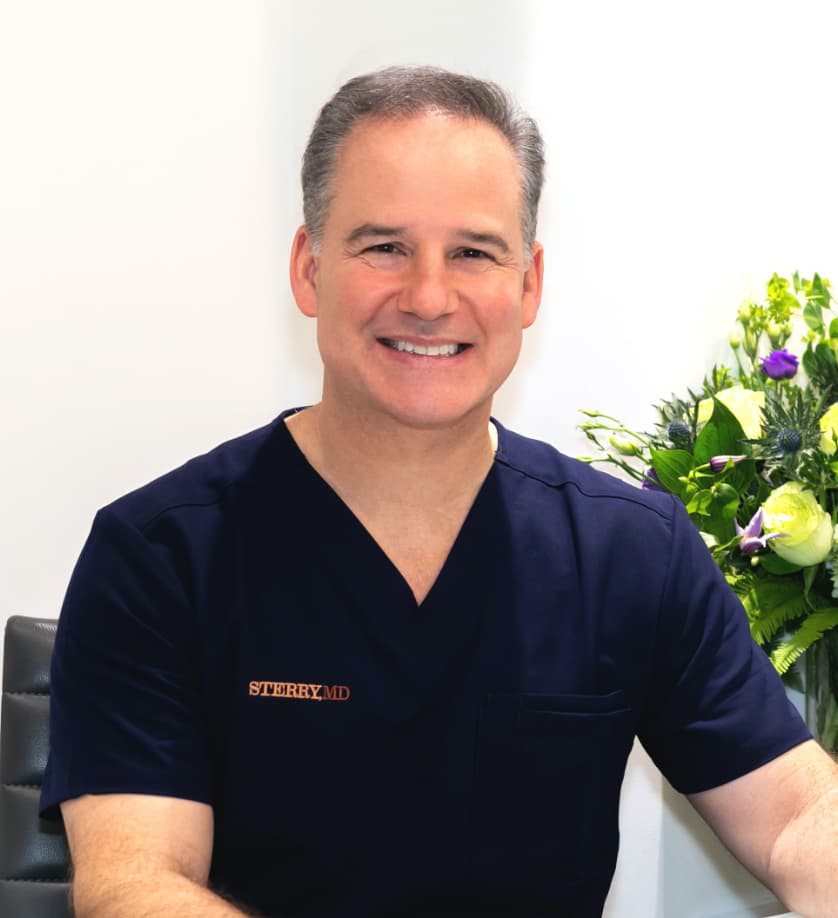
Dr Thomas Sterry’s philosophy is steady and patient centered. He protects facial identity while refreshing shape. Precision, restraint, and balance guide his hands in the operating room. He chooses technique to match anatomy, not to chase trends. The measure of success is simple – friends should say the patient looks rested, not different. That is the aesthetic standard that defines his New York, NY practice and it is the standard that has earned him the trust of women across the region.
Facelift Fundamentals – Clear, Calm Explanations
A facelift is designed to reposition descended facial tissues and restore cleaner lines along the jaw and neck. It addresses jowls that soften the mandibular border, descent that flattens the cheeks, and laxity that produces banding in the neck. The goal is a smoother transition from cheek to jaw to neck so the face reads as youthful and energetic. A facelift does not change skin type, erase every fine line, or replace the long term value of good skincare and sun protection. It sets a stronger foundation. The skin can then be cared for intelligently as time continues to pass.
Technique families can be explained in plain language. A deep plane facelift works in deeper layers to release and reposition the cheek and jowl as a natural unit. This approach can be powerful for women who need robust midface support with fluid facial motion. A SMAS based facelift reinforces the superficial muscular support layer and has a long record of reliable results when executed with care. A mini facelift uses limited incisions to address early laxity and is often paired with neck refinement in selected patients. Labels are less important than fit. What matters most is matching the right method to the patient’s anatomy and goals in the hands of an experienced Plastic Surgeon.
Neck refinement often completes the story. When neck bands, deep fat pads, or issues within the platysma are the main concern, precise work in the neck can be combined with the lift to restore definition under the chin. A balanced chin to neck angle enhances the entire face. This is why Dr Thomas Sterry evaluates the face and neck together and explains how each element supports the other.
Comfort and safety deserve clear explanation. Healthy, well screened patients may be candidates for IV sedation with local anesthesia, while others are better served with general anesthesia based on scope and medical history. Dr Thomas Sterry discusses anesthesia choices candidly and designs a comfort plan that includes gentle medication strategies and guidance for early movement. Safety is the constant. Every decision is filtered through that lens.
The Manhattan Approach – How Dr Thomas Sterry Works
Dr Thomas Sterry approaches facial surgery with a craftsmanship mindset. Planning comes first. He studies standardized photographs, listens to the patient’s goals, and maps vector directions that will lift tissue without creating tension lines that look unnatural. During surgery he respects tissue planes and blood supply. He releases tethering points methodically so the cheek and jaw can move as a unit and the neckline can be refined without distortion. He pays close attention to ear and hairline details because these details determine how the face looks in daily life with hair pulled back or styled for an event.
Natural aesthetic priorities guide his choices. Expressions must look like the patient. The cheek should glide into the jaw without a step off. The jawline should read as clean yet soft. Incisions are placed for camouflage so that a patient can wear her hair up with confidence. The priority is a look that stands up in motion, not just in still photographs. This philosophy is why patients describe his results as believable and camera ready.
Safety is built into the process. A detailed medical review and medication reconciliation help identify risk factors early. Blood pressure control and meticulous hemostasis during surgery reduce the chance of avoidable complications. When combination procedures are on the table, Dr Thomas Sterry stages plans when staging is safer and designs recovery timelines that fit the patient’s life. Clear written instructions and accessible follow up keep patients supported from the first day through the final check.
Women choose Dr Thomas Sterry for many reasons that add up to trust. He is a board certified Plastic Surgeon with long experience in New York, NY. He communicates with empathy and sets realistic expectations. His team manages scheduling discreetly and treats each patient with warmth and professionalism. Most importantly, the results look like the women who wear them – simply refreshed.
Are You A Candidate – Age Specific Guidance She Can Trust
In the 20s and 30s, candidacy is usually defined by early jawline softening or genetic neck fullness. A conservative lift or targeted neck work can provide meaningful definition while preserving youthful volume. Skin health investments at this stage have outsize impact on long term quality. Sunscreen, retinoids as appropriate, and lifestyle stability help protect collagen and scar quality for future procedures.
In the 40s and 50s, many women discover that isolated treatments no longer keep pace with change. Jowls, deeper folds, and neck bands often arrive together and cast shadows that read as fatigue. A comprehensive facelift that addresses the midface, jawline, and neck in one plan typically produces the most harmonious improvement. When eyelid concerns are present, these can be thoughtfully addressed to maintain balance across the face. Downtime is planned around work responsibilities, family calendars, and social commitments.
In the 60s and 70s, decisions focus on longevity and safety. Medical optimization is essential. Home support is organized before surgery. Activities are paced to protect healing. Women in this group frequently comment that the right plan helps them feel like themselves again – energized, engaged, and comfortable in photographs.
Lifestyle and health habits play a key role at every age. Non smoking status and stable weight support predictability. Medication adjustments are made only with physician guidance. Sun protection remains a daily discipline in New York, NY, where urban glare increases exposure even on cloudy days.
The New York, NY Consultation – What To Expect
The consultation at Dr Thomas Sterry’s Manhattan practice is designed to be warm and purposeful. The visit begins with a conversation about goals rather than a list of features to fix. Medical history and comfort preferences are reviewed so that safety and experience are tailored from the start. Education comes first. Pressure has no place in the room. Patients describe leaving the consultation feeling calm, informed, and in control of their choices.
Standardized photography anchors planning. Consistent angles and lighting make real change visible and build realistic expectations. Image simulation can be used as an educational tool to explain direction, not as a promise of pixel perfect results. This approach protects trust and helps both surgeon and patient speak the same visual language.
Scope and sequencing are discussed openly. Some women benefit most from a full facelift that includes neck refinement. Others are well served by a mini facelift now and a staged plan later. Dr Thomas Sterry explains when it may be wise to time eyelid surgery or chin shaping alongside the lift or to separate procedures for safety and convenience. Timelines are tailored for Manhattan lifestyles and for patients who travel from surrounding boroughs or out of state.
During consultation Dr Thomas Sterry listens carefully, explains options in plain English, and aligns technique with anatomy and goals. He ensures that consent is truly informed and that the patient leaves with a plan that fits her life. This is one of the reasons women recommend him to friends and family.
Preparing For Surgery – Calm, Organized, Empowered
Preparation reduces stress and supports smooth healing. Home and work are set up before surgery so the first days can be focused on rest. Patients arrange help for the first 48 hours, prepare simple meals, and place extra pillows to keep the head elevated. Comfortable, front closing clothing makes early dressing easier. The social calendar is kept quiet while swelling begins to settle.
Health optimization is practical and patient specific. With guidance from physicians, medication plans are adjusted when needed. Hydration, balanced nutrition, and adequate sleep improve resilience. Nicotine exposure is avoided in the pre and post operative periods to protect blood flow and scar quality. On surgery day, patients bring a list of medications and allergies and wear clothing that is easy to remove. Most importantly, they bring confidence that the plan aligns with their goals and daily life.
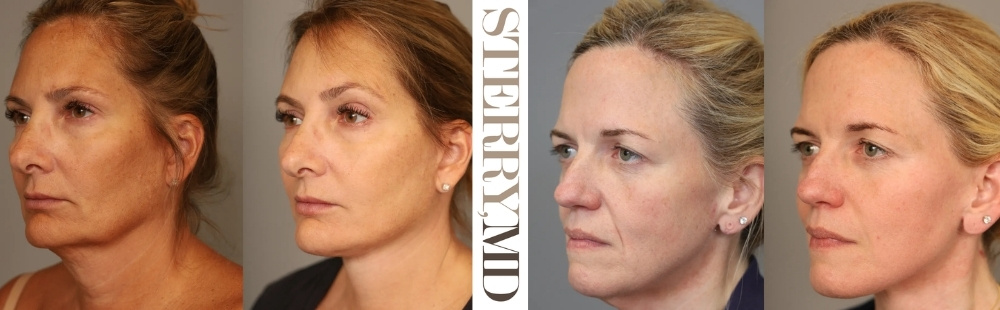
Facelift Before and After Photos
Recovery In Real Life – What Healing Looks Like Week By Week
The first 72 hours are quiet by design. Rest and head elevation are prioritized. Strategic cold therapy helps with comfort. Short, gentle walks support circulation without strain. Days four through seven often bring the first visible turning point as bruising and swelling begin to recede. Scheduled check ins keep patients supported and reassured. Many patients can handle light computer work at home by the end of the first week.
Week two usually marks a shift toward normalcy. Many women return to non strenuous office tasks and feel comfortable with low key social interactions. Subtle concealer and simple hairstyles draw attention to the eyes while the jawline settles. Weeks three through six involve gradual exercise progression, guided by the team. Scar care becomes routine. Sun protection is non negotiable. Small refinements in hairstyle and makeup can highlight the recovered jawline and neckline as swelling continues to fade.
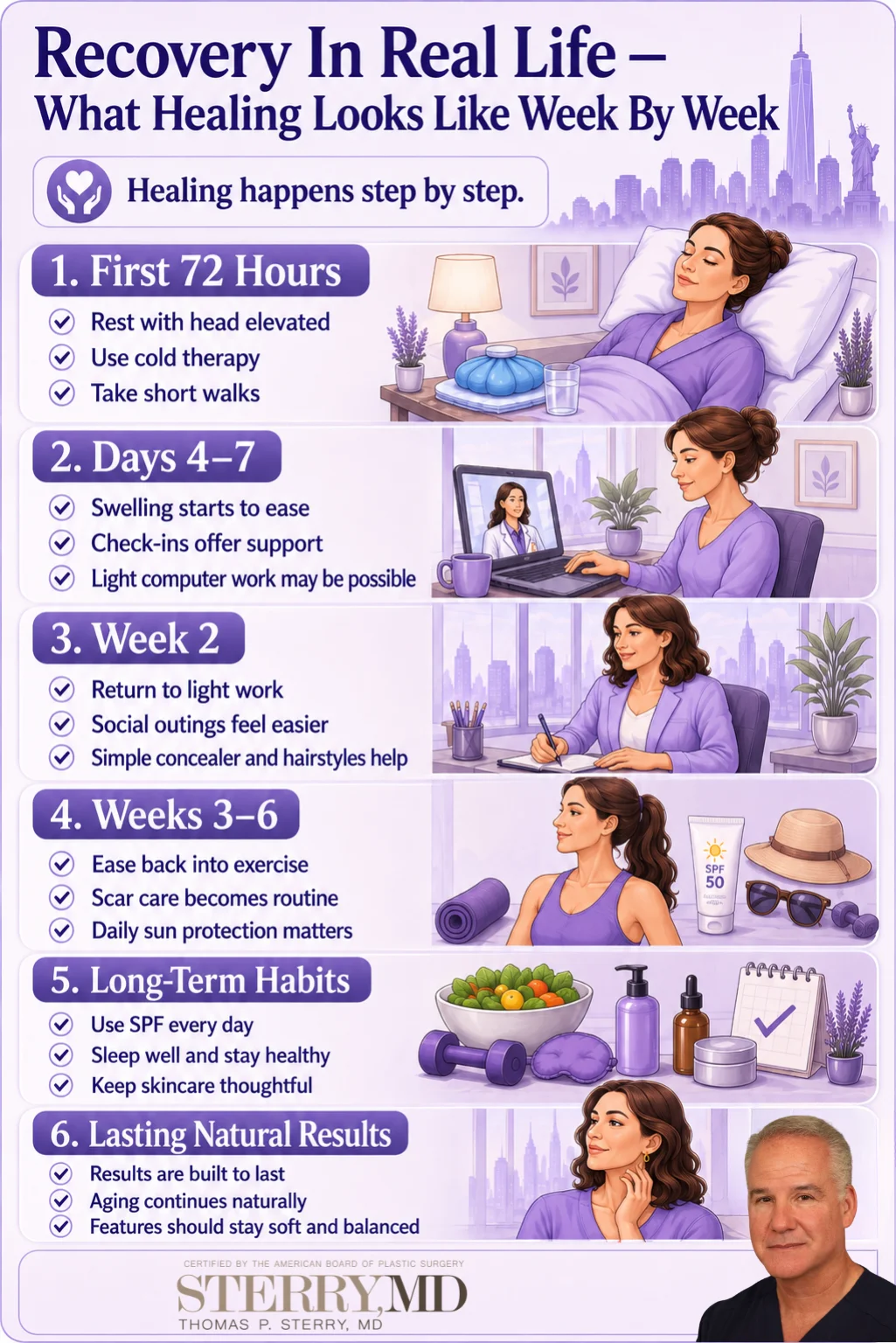
Long term habits protect the investment. Consistent SPF, healthy weight, regular sleep, and thoughtful skincare extend the life of the result. Periodic check ins with the practice help patients stay on track and address questions as they arise.
Results That Feel Like You – Longevity And Maintenance
Facelift results are designed to last for years rather than months. Genetics, skin behavior, and lifestyle influence the exact timeline, but the overarching idea remains consistent. The face continues to age naturally from a more youthful starting point. With time, some women choose subtle enhancements to maintain skin quality or to address areas that were not part of the original plan. The key is restraint. Balance preserves believability and keeps outcomes timeless.
Natural results must hold up in motion. Smiles and laughter should look effortless. Hairlines and earlobe contours should appear undisturbed in social settings and on camera. Cheek and jaw should glide into one another without an abrupt shelf. These are the quiet signs of quality that discerning New Yorkers expect and that Dr Thomas Sterry works to deliver.
Why Choose Dr Thomas Sterry In New York, NY
Experience and credentials matter. Dr Thomas Sterry is a board certified Plastic Surgeon with decades of focused practice in Manhattan and a deep familiarity with facial anatomy and aging patterns. He has taught and mentored colleagues and remains committed to techniques that prioritize both beauty and safety. His results are known for a natural, camera ready quality that reads as refreshed rather than altered.
Reputation grows from outcomes and patient experience. Women often find him through trusted referrals from friends, sisters, and colleagues who value authenticity. Case selection is thoughtful. Plans are personalized. The atmosphere is calm and professional. Discreet scheduling, clear instructions, and attentive aftercare shape an experience that respects privacy and time.
The patient experience at his New York, NY practice is designed to feel personal from start to finish. Calls are returned promptly. Questions are answered plainly. Follow up is reliable. The goal is confidence at every step. As Dr Thomas Sterry often tells patients, safety is beautiful and craftsmanship is non negotiable.
Smart Questions To Ask Any Surgeon – Guiding The Decision
Women deserve transparent conversations when they interview a surgeon. It is reasonable to ask how the surgeon defines a natural result and how technique choices support that definition. It is appropriate to ask which facelift variants the surgeon uses most often and why those approaches fit specific anatomy. It is smart to ask how facial harmony and neck refinement are considered together instead of as separate problems. These questions reveal philosophy as much as they reveal technique.
Safety and recovery questions are central. Patients should understand the center’s safety protocols, how pain and nausea will be managed, and what the check in schedule looks like during the first two weeks. Planning questions matter as well. Women can ask how downtime will be timed around work or events, how staged approaches are handled when staging is safer, and how standardized photographs will be used to show true change over time. The best surgeons welcome these conversations and answer with clarity.
Local Notes – Facelift In The Context Of New York, NY
Timing often revolves around the city’s calendar. Many patients choose quieter work cycles, school breaks, or holiday periods for surgery so recovery aligns with real life. Event based planning is common for women who attend galas, reunions, or on camera engagements. Weather influences aftercare in New York, NY because urban glare increases UV exposure even on cloudy days. Hats, SPF, and shade are daily allies in the first months after surgery.
Logistics and privacy are respected. Car to office arrivals allow discretion. Patients who travel from outer boroughs or out of state can choose nearby accommodations for the first night. The practice communicates through secure channels to keep information private and convenient. These local considerations make the process smoother and more personal.

FAQs About Facelift
How soon after a facelift can a New York patient feel comfortable riding the subway or using rideshare across town?
Most women feel comfortable using car services within the first week if the route is smooth and the seat can recline slightly. Subway use involves stairs, crowds, and variable temperatures, so many prefer to wait until swelling has settled during the second week. Dr Thomas Sterry suggests planning door to door rides for early follow up visits, then adding public transit when energy and balance feel steady. A loose scarf, a soft cap, and sunglasses can make early travel feel more private while the face continues to settle.
Can a patient who appears on camera for work in Manhattan plan a facelift so she looks presentable on Zoom by a specific date?
Yes. With careful scheduling, many return to video calls with soft lighting by week two. Strategic hairstyling and light concealer help redirect attention to the eyes. Dr Thomas Sterry builds a calendar that includes target dates for on camera work and recommends simple adjustments to framing, background tone, and camera angle so healing remains discreet while confidence returns.
What is the best season in New York, NY for a facelift if sun, humidity, and event schedules are factors?
Every season can work when planned. Winter and early spring offer lower UV exposure and layers for warmth and camouflage. Late summer is comfortable indoors with reliable air conditioning and lighter social calendars. Fall is popular for aligning results with holiday photos and year end events. The team helps match dates to each patient’s personal schedule so recovery feels private and well paced rather than rushed.
If a patient lives in a walk up or high rise, how should she plan the first 48 hours after surgery in the city?
Plan for minimal stair use and arrange help for packages, pets, and errands. Elevators are fine when trips are short and smooth. Dr Thomas Sterry encourages a home setup with prepared meals, extra pillows for head elevation, and a quiet space away from street noise. Gentle walks inside the apartment or hallway support circulation without strain while the city carries on outside.
Will friends in tight social circles notice a change right away, and how do patients keep the process discreet in Manhattan?
Most friends notice that the patient looks rested and polished rather than different. Discretion is supported by private scheduling, car to office arrivals, and avoiding major events during the earliest healing days. Scar placement near the ear and within hairlines allows normal hairstyles without drawing attention. When the face reads as refreshed instead of altered, curiosity fades and compliments sound natural.
How does New York weather influence early recovery when walking outside between buildings is unavoidable?
UV exposure bounces from glass and sidewalks even on cloudy days. A wide brim hat, SPF, and shade on the sidewalk protect incisions and reduce redness. Light scarves add warmth and a touch of camouflage without pressure on the cheeks or neck. Dr Thomas Sterry’s team reviews wardrobe ideas at the first visit so patients feel prepared for city life while healing.
If a patient travels into Manhattan from another borough, is it realistic to combine the preoperative visit, surgery, and early follow ups without excessive travel?
Yes. The practice coordinates clustered appointments when appropriate. Some patients choose a nearby hotel for the first night to simplify logistics and allow restful sleep. Follow up schedules are set to minimize trips while maintaining safety and support. Communication stays easy by secure messages and phone so questions are answered quickly without unnecessary commuting.
Next Steps
If a reader is ready to talk through options with Dr Thomas Sterry in New York, NY, she can request a private consultation and begin a calm, structured planning process that respects her timeline. If she is curious whether a mini facelift or a full facelift with neck refinement would better fit her anatomy, the team will respond with guidance that is personal and practical. The primary invitation is clear and respectful. Schedule a confidential consultation with Dr Thomas Sterry, board certified Plastic Surgeon in New York, NY. Discover a facelift plan that looks like you – only fresher. The practice welcomes new and returning patients with the same care and attention that define every step of the journey.
Further Reading
- Read more about Deep Plane Facelift
- Read more about Lower Facelift
- Read more about Neck Lift
- Read Dr Sterry’s Blog on Don’t all Facelifts look fake?
- Read Dr Sterry’s Blog on How To Reduce Scars After Facelift
- Read Dr Sterry’s Blog on 5 Facelift Myths You Might Believe (Updated 2024)
- Read Dr Sterry’s Blog on Neck Liposuction vs. Neck Lift Surgery: Which Is Right for You?
Medical References
- Bibliometric Analysis of the Highest Cited Cosmetic Upper Facial Plastic Surgery Articles – PMC/NIH – https://pmc.ncbi.nlm.nih.gov/articles/PMC11758881/
- Advancements in Facial Reconstruction Surgery – PMC/NIH – https://pmc.ncbi.nlm.nih.gov/articles/PMC12414503/
- Insight into a Rapid Technique for Diced Cartilage Creation in Rhinoplasty: Quantitative Analysis of the Tas Method – JAMA Facial Plastic Surgery & Aesthetic Medicine – https://jamanetwork.com/journals/jamafacialplasticsurgery/fullarticle/10.1089/fpsam.2024.0316
- Commentary on: “A Novel Technique to Create Finely Diced Septal Cartilage in Rhinoplasty” – JAMA Facial Plastic Surgery & Aesthetic Medicine – https://jamanetwork.com/journals/jamafacialplasticsurgery/fullarticle/10.1089/fpsam.2024.0392
- Maximizing Septal Cartilage and Bone Harvest for Autologous Nasal Septal Grafts in Congenital Cleft Nasal Deformity – JAMA Facial Plastic Surgery & Aesthetic Medicine – https://jamanetwork.com/journals/jamafacialplasticsurgery/fullarticle/10.1089/fpsam.2024.0292
- Effectiveness of Isotretinoin Administration in Rhinoplasty: A Systematic Review – JAMA Facial Plastic Surgery & Aesthetic Medicine – https://jamanetwork.com/journals/jamafacialplasticsurgery/fullarticle/10.1089/fpsam.2024.0229
- Tranexamic Acid in Rhytidectomy: A Split-Face Multi-Institutional Study – JAMA Facial Plastic Surgery & Aesthetic Medicine – https://jamanetwork.com/journals/jamafacialplasticsurgery/fullarticle/10.1089/fpsam.2024.0008

Leave a Reply