


Liposuction and tummy tuck surgeries are two of the most transformative body contouring procedures available—but they often spark confusion and myths. Inspired by a real question from a RealSelf user, this post explains how these procedures can be integrated safely and effectively when performed by a boardcertified plastic surgeon. I’ll clarify what each surgery does, why you might combine them, and how to decide if it’s right for you.
Contents
Understanding Liposuction and Tummy Tuck
To understand why these procedures pair so well, it helps to separate what each one is actually designed to do. Patients sometimes use the terms interchangeably because both can create a flatter-looking midsection, but they work in very different ways. Liposuction is the removal of localized fat deposits with a thin cannula, while a tummy tuck as an operation that removes excess skin and fat while tightening separated abdominal muscles for a firmer, flatter abdomen.
Liposuction is a contouring procedure. It is ideal for fat that does not respond the way a patient wants, even with discipline, healthy eating, and exercise. It is especially useful along the upper and lower abdomen, the flanks, the waist, and sometimes the lower back. What liposuction does very well is improve shape. It can carve in a cleaner transition from the ribcage to the waist and from the waist to the hips. It can reduce heaviness in the love-handle area and make clothing fit better. What it does not do well is tighten significantly loose skin or repair stretched muscles.
A tummy tuck addresses a different set of problems. It is the operation we turn to when the skin itself has become lax, when there is excess tissue hanging or bunching in the lower abdomen, or when the abdominal muscles have separated, as often happens with pregnancy or substantial weight fluctuations. A tummy tuck can remove the skin and stretch marks that lie within the excised area, flatten the lower abdomen, and restore a firmer core by repairing the abdominal wall when appropriate.
This difference is the whole reason the combination works. Liposuction refines. Tummy tuck restores. Liposuction shapes the sculpture; tummy tuck fixes the canvas. When patients understand that distinction, they stop asking, “Which one is better?” and start asking the more useful question: “Which problems do I actually have?”
That is also why the best consultations are anatomy-based, not trend-based. Some patients truly need only liposuction. Some need only a tummy tuck. But a very large group, especially postpartum patients, benefit most from doing both in a coordinated plan.
Before and After Photos




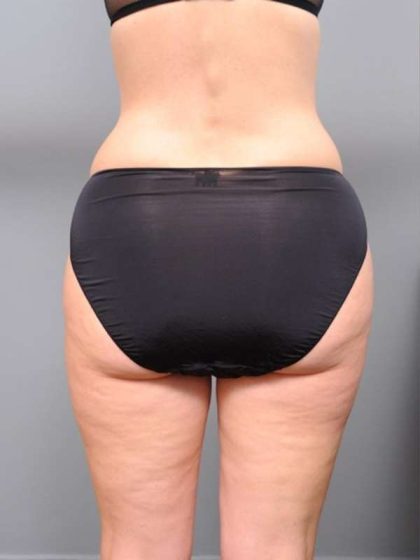
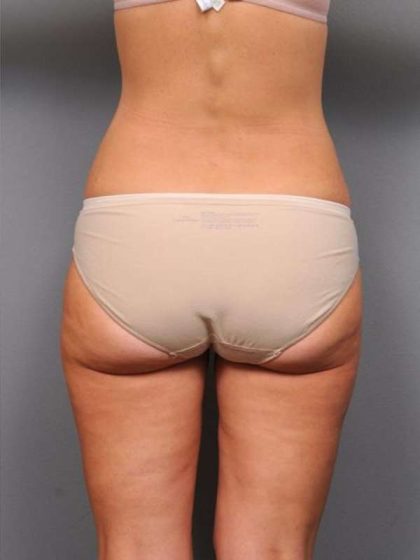
Liposuction Before & After
Why combine the two procedures?
The biggest reason to combine liposuction and tummy tuck surgery is that most body-contouring problems are layered. Fat, skin, and muscle are separate tissues, and they do not all respond to the same treatment. If we treat only one layer, the result can be improved but incomplete. Liposuction can refine the waist, hips, and back while a tummy tuck tightens the midsection for a smoother transition and more customized transformation.
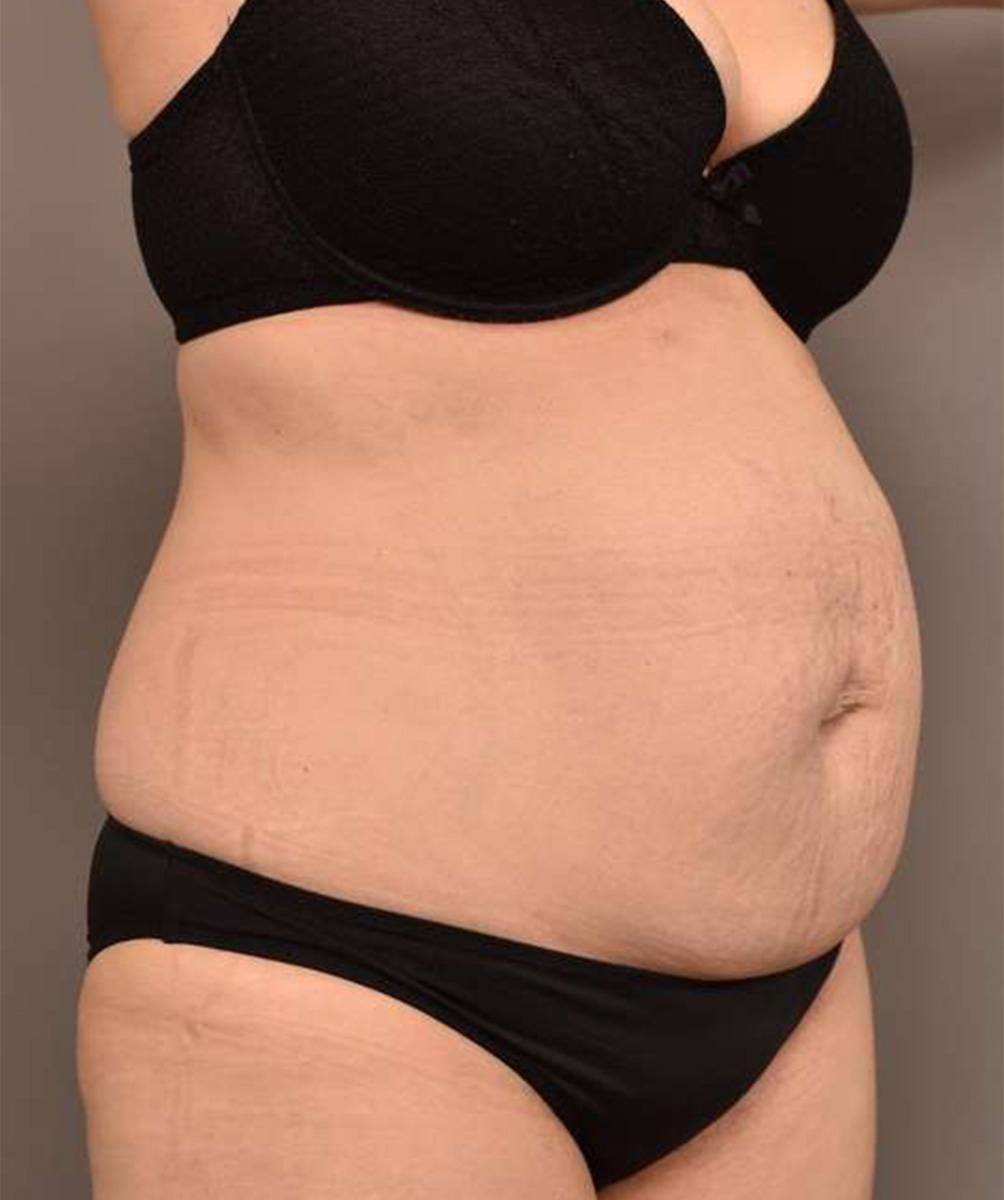
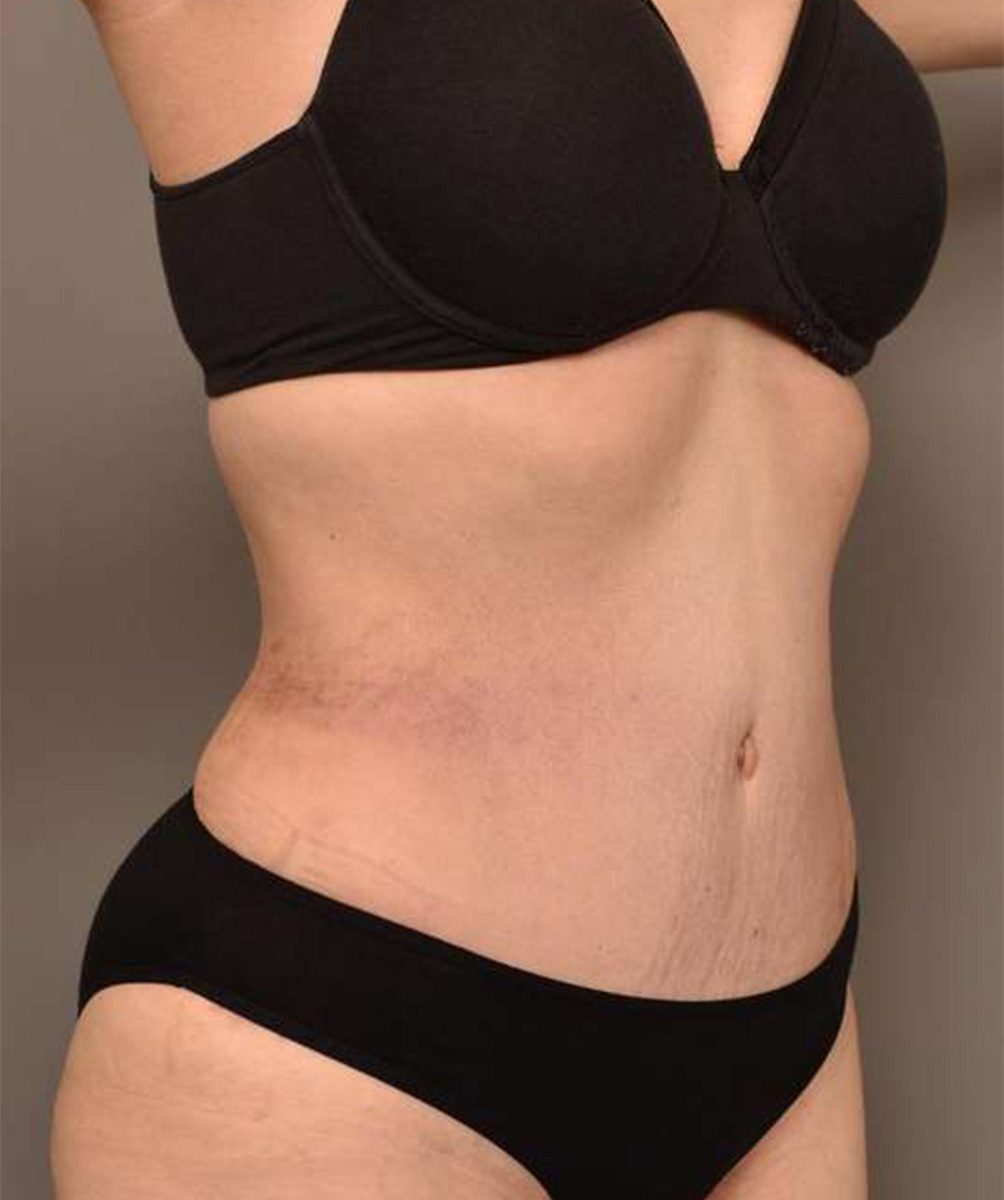
Think about a patient after pregnancy. She may have loose skin below the belly button, muscle separation causing abdominal protrusion, and fullness in the flanks that makes the torso appear boxy. A tummy tuck alone can flatten the front, but it may not adequately create a waist. Liposuction alone can reduce flank fullness, but it will not remove the stretched lower-abdominal skin or tighten the abdominal wall. When both are combined, the result is not simply “more done.” It is more harmonious.
As highlighted in this patient photo gallery, the tummy tuck with flank liposuction can be described as the “Peanut Butter and Jelly Sandwich of Body Contouring Surgery.” This is because a tummy tuck flattens the belly, while a liposuction of the back and flank area gives the patient a waistline and hourglass shape.
There are practical reasons to combine them as well. One anesthesia session, one operating day, and one recovery period are often more convenient than staging procedures months apart. A combined plan can offer efficient recovery because patients go through one healing period instead of two. This is especially attractive for busy professionals and parents who want to minimize time away from work, exercise, family responsibilities, or travel.
There is also a psychological benefit. Patients usually prefer to address the whole contour problem at once rather than fix one area and remain bothered by the next. When the abdomen, waist, and surrounding contours all improve together, the result tends to feel more complete. Clothing fits differently. The profile improves. The body looks more balanced from multiple angles, not just head-on.
Of course, “combine” does not mean “do everything possible.” It means combining the right procedures in the right patient with a plan that respects safety first. Good surgery is not about adding more. It is about selecting what will genuinely improve the outcome.
Video
The Difference Between a Tummy Tuck & Liposuction
Board Certified Plastic Surgeon, Dr. Thomas P. Sterry, talks about the difference between tummy tucks & liposuction. For more information, to submit your question, or to schedule a consultation at Dr. Sterry’s office, visit: Tummy Tuck. Subscribe now to keep up on the latest videos: Youtube.
How recovery differs when combining surgeries
Recovery is one of the first concerns patients raise, and understandably so. A tummy tuck already requires real downtime. Adding liposuction means there are more treated areas, more swelling, and a slightly more demanding early recovery. Combined procedures generally mean longer surgical time and a more intense initial recovery, even though the patient benefits from a single healing period.
In practical terms, most patients feel tighter through the midsection because of the tummy tuck, and sorer in the flanks or adjacent areas because of the liposuction. The early days are about controlled movement, rest, hydration, garment use, and following instructions carefully. There is usually more swelling when the procedures are combined, because more tissue has been treated. That does not mean something is wrong; it simply reflects the broader scope of surgery.
What patients often find, however, is that one combined recovery is still preferable to two separate recoveries. Instead of going through surgery, healing, returning to normal, and then starting over again, they do it once. I should stress that aftercare must be followed closely because both operations are healing simultaneously.
The timeline also deserves realistic framing. You may be socially presentable before you feel fully normal. You may be back at work before all swelling has resolved. You may love the front view first and only later appreciate how much the waist contour improved. Combined procedures are worth planning for. Help at home, a comfortable recovery setup, loose clothing, appropriate compression, and a realistic schedule all matter.
The other piece of recovery is emotional. When patients combine surgery, they tend to focus on the abdomen because it is the centerpiece of the transformation. But the liposuction areas often become the unsung heroes later. Early on, patients may notice only swelling and tenderness. Weeks later, they begin to appreciate that the improved silhouette was not created by the tummy tuck alone. It was the combination.
Before and After Photos




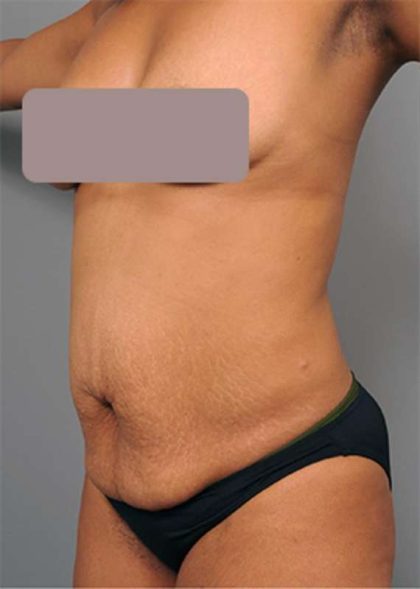

Tummy Tuck Before & After
Are results better with both?
For many patients, yes. Combining the procedures often leads to an enhanced silhouette, fewer future touch-ups, and higher satisfaction because excess fat, skin, and muscle laxity are addressed together. I think that is exactly the right way to phrase it.
A tummy tuck by itself can produce a flatter abdomen. But body contour is not just about flatness. It is also about proportion. A beautifully flat front can still look somewhat blocky if the flanks and waist are not refined. Liposuction contributes the shaping that helps the torso look natural and balanced, especially from the front three-quarter view and the back. That is why the combined result often looks more polished, not just more dramatic.
Patients usually notice this in very real, everyday ways. Dresses and fitted tops sit more smoothly. Jeans and tailored pants fit better through the waist. Swimwear feels less revealing because the whole torso looks more cohesive. These are not minor improvements. They often influence confidence more than a measurement on a tape measure ever could.
There is another reason results can be better together: it is easier to create continuity. When liposuction and tummy tuck are planned as one operation, the surgeon can think about the torso as a single aesthetic unit rather than isolated zones. That means the transitions from the upper abdomen to the waist, from the waist to the hips, and from the front to the side can all be designed intentionally.
That said, “better” is always patient-specific. In some patients, adding liposuction may offer only a modest gain. In others, it is the difference between a nice result and an exceptional one. My own case examples repeatedly show this logic, particularly where flank liposuction is used to create the waistline that a tummy tuck alone cannot provide.
Pros and Cons of combining Liposuction & Tummy Tuck
Considering the pros and cons of combining liposuction with a tummy tuck can help you weigh whether the benefits outweigh the potential challenges.
Pros
- Comprehensive contouring in one surgery
- Single anesthesia and recovery period
- Potentially lower total cost than separate procedures
- Addresses both fat and skin/muscle laxity
Cons
- Longer surgery and anesthesia time
- Higher complication risk than single procedures
- More postoperative discomfort and restrictions
- Not suitable for everyone (e.g., those with significant medical issues)
By looking at both sides, you’ll be better prepared to have an informed discussion with your surgeon and decide if this approach aligns with your goals and health needs.
Making your decision
The decision to combine liposuction and a tummy tuck should come down to anatomy, goals, and safety. I advise patients to weigh the advantages of a single comprehensive surgery against the demands of a longer recovery and to make that choice with an experienced, board-certified plastic surgeon.
In my view, the best candidates are those who are close to a stable weight, bothered by more than one layer of contour problem, and looking for a durable improvement rather than a quick fix. They understand that this is body contouring surgery, not a shortcut to weight loss. They are prepared for recovery. And they want a result that looks elegant in clothing and out of clothing, from the front and from the side.
A combined procedure can be safe and effective under the care of an experienced, board-certified plastic surgeon. As you decide, weigh the benefits of a single comprehensive surgery against the longer recovery. I invite you to call our office today at 646-904-5584 or request a consultation using the online form.