

If you’re considering a necklift or are already recovering from one, chances are you’ve wondered about the visibility of your scars. As a Board-Certified Plastic Surgeon based in New York, NY, Dr. Sterry understands that while you’re seeking a more youthful neckline, you don’t want the transformation to come with visible reminders.
This comprehensive guide is designed to walk you through how necklift scars form, how we minimize them, and what you can do at each stage to ensure the most beautiful, discreet healing possible. Our focus is always on empowering patients with clear, professional, and compassionate guidance that leads to long-term satisfaction and confidence.
Why Necklift Scars Form
Necklift surgery, or lower rhytidectomy, is performed to remove excess skin and fat from the neck area, tighten the underlying muscles, and refine the jawline for a more youthful appearance. To achieve this, incisions are typically made behind the ears and under the chin, placed strategically within natural creases or along the hairline to minimize their visibility. These incision sites allow the surgeon to access and manipulate the deeper structures of the neck, restoring contour and eliminating sagging tissue.
Despite careful placement, scars are an inevitable part of any surgical procedure. They form as the body initiates a complex healing process that involves inflammation, tissue regeneration, and remodeling. The quality of the scar depends not only on surgical technique but also on the patient’s skin type, genetics, and how diligently post-operative care instructions are followed.
Younger patients may heal quickly but still face scarring if incisions are not properly cared for. Older individuals might experience delayed healing due to decreased skin elasticity and collagen production, but with proper management, their scars can still fade beautifully over time. Those with a family history of hypertrophic or keloid scarring should discuss preventive strategies with their surgeon during the consultation phase.
What Is Normal Healing?
Healing from a necklift is a journey that unfolds over several months. During the first week, patients often experience tightness, swelling, and mild discomfort. The incisions may appear red or slightly raised, and there may be some bruising in the surrounding areas. These are all normal signs that the body is working to repair itself.
As you move into the second and third weeks, scabs will naturally fall off, and the skin will begin to smooth over. This is a critical period where avoiding sun exposure and following cleaning protocols can make a significant difference in scar appearance. Scar tissue will initially appear darker or more prominent due to increased blood supply and collagen activity, but this appearance is temporary.
By the second month, most patients start to notice that their scars are flattening and blending more with their natural skin tone. The skin may still feel a bit tight, and numbness can persist in the treated areas. By six to twelve months, the majority of scars have matured significantly. They become less visible, softer in texture, and often take on a faint, silvery tone that is barely noticeable, especially when the initial incision was expertly placed.
How Expert Technique Reduces Scarring
The surgical hands that perform your surgery matter immensely. Dr. Thomas Sterry brings over two decades of experience and a meticulous eye for detail to every necklift he performs in New York, NY. His surgical technique is grounded in both aesthetic vision and medical precision. He believes that the foundation of beautiful results lies in minimizing tissue trauma and placing incisions with foresight and intention.
When performing a necklift, Dr. Sterry uses fine surgical instruments and magnification to ensure accuracy. He carefully follows the natural contours of the ear and chin to ensure incisions remain well-hidden. Special care is taken to control bleeding during the operation, as excessive bruising and swelling can prolong healing and increase the risk of thick scar formation.
Moreover, Dr. Sterry’s layered closure technique is a key factor in minimizing tension across the incision site. He closes deeper tissues first to alleviate stress on the surface layers, which helps the skin to knit together more seamlessly. This method promotes smooth, even healing and reduces the likelihood of visible scarring.
Post-Operative Care That Matters
Once you leave the operating room, your role in achieving optimal results begins. The healing environment you create at home will significantly influence the final appearance of your scars. Dr. Sterry provides each patient with a personalized aftercare plan, tailored to their unique skin, lifestyle, and surgical details.
Keeping the incisions clean and dry is essential in the early days of recovery. Gentle cleansing helps prevent infection and ensures that the healing process isn’t compromised by external irritants. It’s equally important to avoid applying any unapproved products to the skin, as some ingredients, even those marketed as “natural,” can interfere with healing.
Your sleeping position also plays a major role. Elevating the head during rest reduces blood flow to the neck area, thereby minimizing swelling and relieving pressure on the fresh incisions. This simple adjustment can lead to faster healing and less prominent scars.
Physical activity should be limited in the initial weeks. Even simple movements like turning the head quickly or lifting objects can stretch healing skin. Patients should follow Dr. Sterry’s guidance carefully to avoid these risks and prioritize relaxation and hydration. Sunscreen application becomes vital once the incisions are fully closed, as UV exposure can darken healing scars and make them more difficult to treat later.
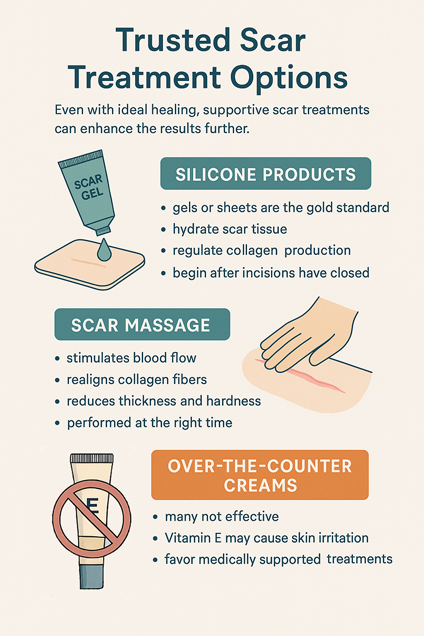
Trusted Scar Treatment Options
Even with ideal healing, supportive scar treatments can enhance the results further. Silicone-based products, available as gels or sheets, remain the gold standard in post-surgical scar management. They work by hydrating the scar tissue, regulating collagen production, and softening the scar over time. Most patients are advised to begin silicone treatments as soon as their incisions have closed completely.
Scar massage is another valuable tool. Performed correctly and at the right time, it stimulates blood flow and helps realign collagen fibers in a smoother pattern. This reduces the thickness and hardness of the scar, promoting a more natural feel and appearance. Dr. Sterry or a team member will guide you on the right time and method to begin this practice.
It’s important to note that while over-the-counter creams are widely available, not all are effective. Vitamin E, once considered a go-to solution, has been shown in some studies to cause skin irritation or contact dermatitis. For this reason, Dr. Sterry typically recommends avoiding Vitamin E and instead suggests medically supported treatments such as silicone or prescription-grade topicals that are proven safe and effective.
When To Consider Additional Treatment
Despite best efforts, some scars may still develop with more prominence. This does not mean the surgery was unsuccessful, but rather that your body’s healing response may require additional support. It’s crucial to monitor your scars closely and communicate with your care team if anything seems unusual.
Signs that may indicate a need for intervention include persistent redness, excessive thickness, itchiness beyond the expected period, or the development of nodular or raised tissue. If these symptoms appear, don’t wait, reach out to Dr. Sterry’s office. He offers a range of in-office treatments designed to manage and significantly reduce the appearance of these types of scars.
Steroid injections are a first-line solution for raised or hypertrophic scars. These injections help break down excess collagen and soften the scar tissue. In cases where pigmentation is a concern, laser treatments can safely target and reduce discoloration while promoting smoother skin texture. Microneedling may also be used to stimulate collagen remodeling, improving both the feel and appearance of the scar over several sessions.
If non-invasive treatments don’t deliver the desired improvement, scar revision surgery may be considered. This involves removing the scar and carefully re-closing the area with advanced techniques to yield a more refined and discreet result. Patients who undergo revision often report significantly improved outcomes and higher satisfaction.
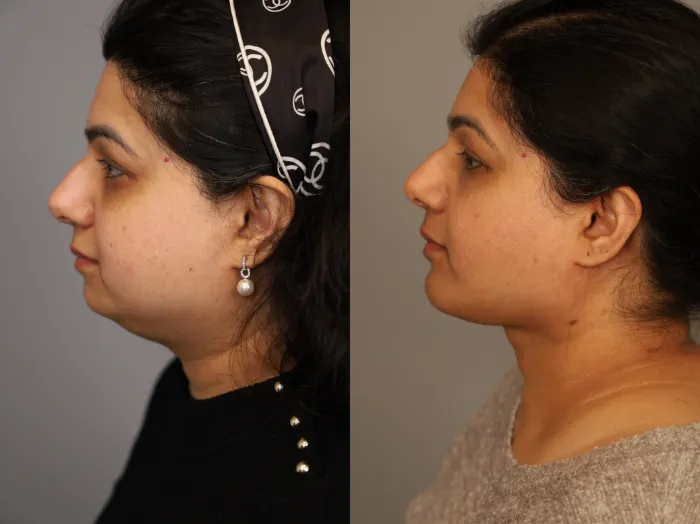
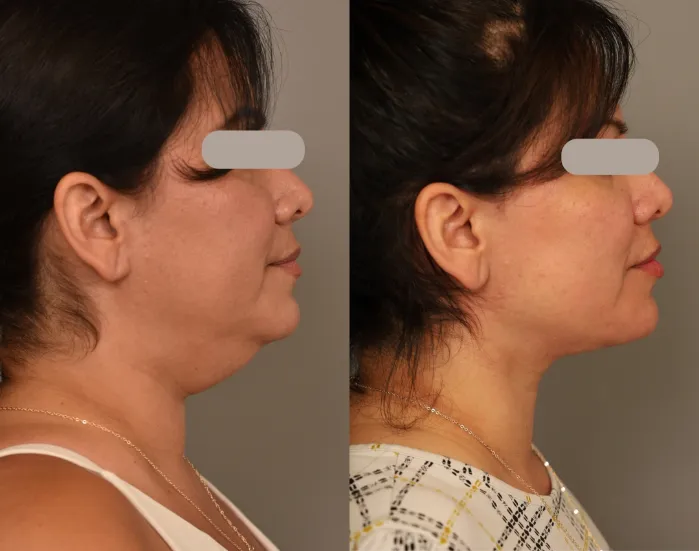
Before and After Necklift Photo
The Emotional Side Of Scars
Cosmetic surgery isn’t just a physical transformation, it’s deeply emotional. While many patients feel elated after their necklift, there are moments during recovery where visible scars or swelling can dampen the excitement. This is completely normal. It’s a time of vulnerability, and it’s okay to experience a mix of emotions.
At Dr. Sterry’s practice in New York, NY, we understand that every patient’s emotional journey is just as important as the physical one. That’s why we focus on creating a supportive and reassuring environment. From the moment you walk through our doors, we’re committed to walking with you through every phase, from pre-op preparation to scar management months later.
By setting realistic expectations and offering proven solutions, we help our patients feel empowered and hopeful. The healing process may be gradual, but it leads to a lasting outcome that restores not just your neck’s contour but your overall sense of self-confidence.
Why Choose Dr. Thomas Sterry For Your Necklift
When selecting a surgeon to perform your necklift, you’re choosing more than just a medical practitioner, you’re entrusting someone with your appearance, confidence, and well-being. Dr. Thomas Sterry, based in New York, NY, is a Board-Certified Plastic Surgeon known for his artistry, precision, and dedication to patient-centered care. His extensive background in facial and neck procedures makes him uniquely qualified to deliver beautiful results with minimal scarring.
Patients of Dr. Sterry benefit from a boutique-style practice that values quality over quantity. Every surgical plan is customized, every step of the journey is guided, and every concern is addressed with empathy and expertise. His practice is equipped with state-of-the-art technology and offers the full range of scar management services to ensure that your transformation is as seamless and satisfying as possible.
Dr. Sterry’s goal is never to change who you are, it’s to help you look like the best version of yourself. Natural, refreshed, and confident. Scars shouldn’t be part of that equation, and with the right care, they won’t be.
“My goal is that you look like you, only younger and more refreshed. And that includes making scars practically disappear.“
FAQs About Necklift Scars
What if my scars are healing unevenly on each side?
It’s not uncommon for one side of the neck to heal slightly faster than the other. Differences in sleeping position, blood flow, or natural asymmetry can affect scar appearance. Dr. Sterry closely monitors healing and can recommend techniques or treatments to balance both sides over time.
Can stress affect how my scars look?
Yes, stress can influence your body’s healing response. Elevated cortisol levels can slow collagen production and impair skin regeneration. Prioritizing rest, hydration, and emotional wellness plays an important role in optimal scar healing.
How long should I avoid makeup or concealer near the incision sites?
Makeup should be avoided until all scabs are gone and the skin is fully intact, usually around three to four weeks post-surgery. Using makeup too soon can introduce bacteria or irritants. Once cleared by Dr. Sterry, you can use non-comedogenic products gently.
Do scars stretch as I age or lose weight?
Scars can change subtly with weight fluctuation or aging skin, especially in high-movement areas like the neck. While most post-necklift scars remain stable, using silicone products and maintaining skin hydration helps support long-term integrity.
What if I experience itching that won’t go away?
Mild itching is common, but if it persists or worsens, it may indicate irritation or the beginning of hypertrophic scarring. Contact Dr. Sterry’s office for evaluation. You may benefit from a soothing topical or early intervention treatment.
Can I still wear jewelry like necklaces while healing?
Avoid wearing necklaces or tight collars for the first few weeks. These can rub against healing skin and introduce bacteria. Once cleared, choose lightweight, non-irritating materials and monitor for any signs of redness or discomfort.
Is it possible to prevent scars completely?
While we can’t eliminate scars entirely, expert surgical technique combined with consistent care can make them nearly invisible. Most patients find that with time and support, their scars become faint, flat, and barely noticeable.
Ready To Take The Next Step?
Your journey to a rejuvenated neck and refreshed profile starts with the right information and the right surgeon. If you’re considering a necklift or looking for guidance on scar care after surgery, Dr. Thomas Sterry is ready to help.
Contact our New York City office today to schedule your personalized consultation. Let’s talk through your aesthetic goals, evaluate your skin type, and develop a tailored plan that includes everything from surgery to aftercare. Whether you’re just beginning your research or ready to move forward, now is the time to take that next step with confidence.
Schedule your appointment today and discover the difference expert care can make in achieving beautiful, scar-minimized results that help you look and feel your absolute best.
Further Reading
- Read Dr Sterry’s Blog on Male Neck Lift Options
- Read Dr Sterry’s Blog on How Long Does Neck Liposuction Last?
- Read Dr Sterry’s Blog on Neck Liposuction: Your Selfie Chin Solution for Improving Your Profile
Medical References
- Managing the Neck in the Era of the Short Scar Face-Lift – https://www.thieme-connect.com/products/ejournals/abstract/10.1055/s-0032-1305791
- Neck Lift My Way – https://journals.lww.com/plasreconsurg/abstract/2014/12000/neck_lift_my_way__an_update.12.aspx
- Neck Lift to Treat Platysma Bands and Defining Cervical Angle: A Systematic Review and Pooled Analysis – https://www.thieme-connect.com/products/ejournals/abstract/10.1055/s-0044-1791690
- Application of Neck Lift Technique for Corrections of Concave Deformity and Scar Contracture After Tracheal Fenestration – https://journals.lww.com/jcraniofacialsurgery/abstract/2022/05000/application_of_neck_lift_technique_for_corrections.47.aspx


Leave a Reply