
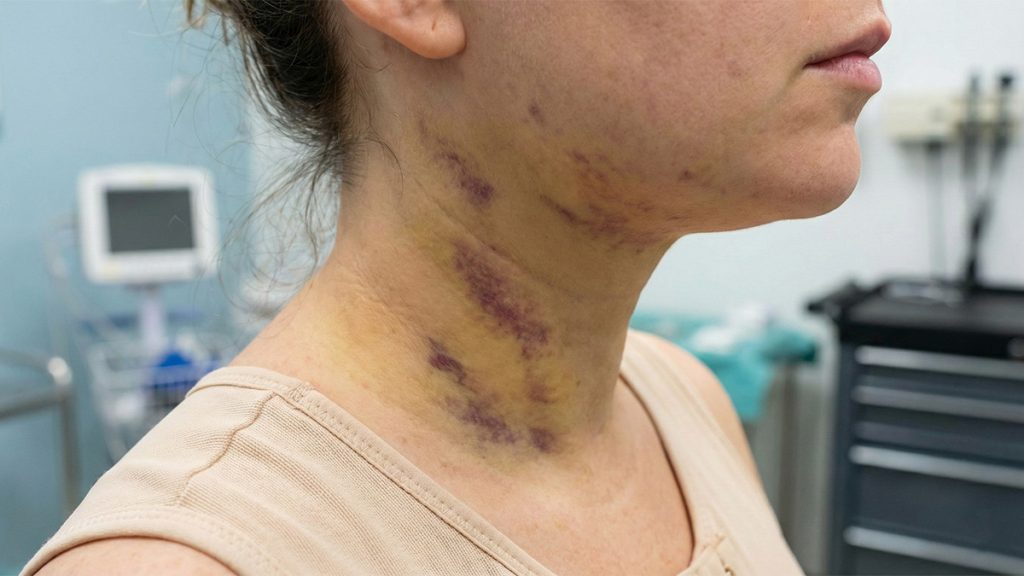
Swelling after necklift surgery is one of the most common concerns for patients, and bruising is another frequent worry. These temporary effects of healing can make even the most confident patient feel discouraged in the early days. Dr. Thomas Sterry, Board-Certified Plastic Surgeon in New York, NY, has guided countless women through recovery, offering not just surgical expertise but compassionate reassurance. With his patient-focused approach, women across Manhattan and beyond are able to achieve natural results while feeling supported every step of the way. He often explains to patients that swelling and bruising are not signs of something going wrong but rather signals that the body is healing and restoring itself, and this perspective helps patients remain calm and confident.
Why Swelling Happens After Necklift Surgery
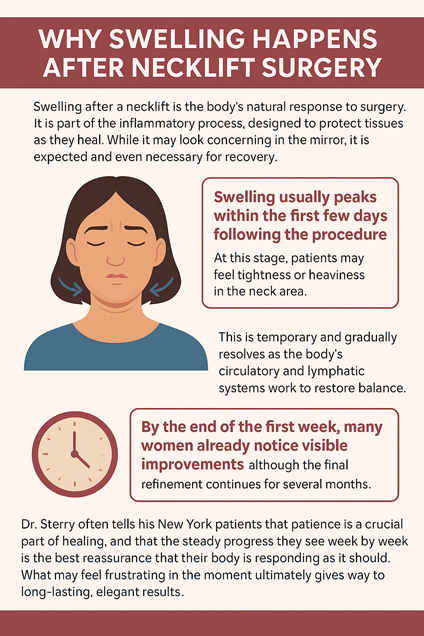
Swelling after a necklift is the body’s natural response to surgery. It is part of the inflammatory process, designed to protect tissues as they heal. While it may look concerning in the mirror, it is expected and even necessary for recovery. Swelling usually peaks within the first few days following the procedure, and during this stage, patients may feel tightness or heaviness in the neck area. This is temporary and gradually resolves as the body’s circulatory and lymphatic systems work to restore balance.
By the end of the first week, many women already notice visible improvements, although the final refinement continues for several months. The lymphatic system in particular takes time to recover, and it is this gradual process that smooths away the last traces of puffiness. Dr. Sterry often tells his New York patients that patience is a crucial part of healing, and that the steady progress they see week by week is the best reassurance that their body is responding as it should. What may feel frustrating in the moment ultimately gives way to long-lasting, elegant results.
Bruising After Necklift: What To Expect
Bruising occurs when small blood vessels beneath the skin are disrupted during surgery, which is a normal part of the process. In the first days after surgery, bruising often appears deep purple or blue. Over time, it shifts to lighter shades such as green or yellow as the body metabolizes the blood cells and clears the discoloration. Some patients are surprised to see bruising extending downward toward the chest, but this is a result of gravity and is not unusual.
Emotionally, bruising can be challenging, especially for patients who are eager to see their results right away. The sight of dark marks on the skin may feel discouraging, but Dr. Sterry reminds his patients that bruising is simply part of the healing cycle. In most cases, bruising improves significantly after the first week and fades almost entirely within two weeks. Patients are encouraged to think of bruising as a temporary stage that will soon give way to the refined, youthful look they envisioned when they chose surgery.
Proven Ways To Reduce Swelling After Necklift
Patients can take several important steps to manage swelling effectively and make recovery more comfortable. Elevating the head while resting or sleeping helps prevent fluids from collecting in the neck. This simple adjustment not only reduces swelling but also makes sleeping more comfortable in the early recovery stage. Cold compresses, applied carefully in the first 48 hours, are another powerful way to limit inflammation and bring relief.
Equally important is following the detailed aftercare instructions provided by Dr. Sterry. Because each patient’s body responds to surgery differently, personalized guidance is essential. Patients in New York often lead busy lives, but prioritizing hydration, eating nutrient-rich foods, and allowing time for rest can make an enormous difference. Overexertion, especially in the early weeks, can worsen swelling, which is why Dr. Sterry stresses the importance of avoiding strenuous activities until cleared. By treating the recovery process with the same dedication as the decision to undergo surgery, patients can enjoy smoother, more efficient healing.
Smart Strategies To Manage Bruising After Necklift
Bruising may not be completely avoidable, but there are strategies that help manage its appearance and duration. Applying cold packs gently in the first days can minimize the intensity of discoloration. Some patients find that surgeon-approved topical remedies may support faster resolution, although results vary and should always be discussed with Dr. Sterry before use.
For women who want to feel comfortable returning to work or social life in New York, concealer makeup can help cover lingering bruises. Once the skin is cleared for makeup use, patients often find this small step boosts their confidence significantly. Importantly, bruising fades with time, and most patients see marked improvement within one to two weeks. Dr. Sterry emphasizes that bruises are only temporary, and with proper care, they fade away to reveal the rejuvenated neck contours beneath.
The Emotional Journey Of Recovery
Recovery from a necklift is not just a physical experience – it is deeply emotional. Many patients spend years considering surgery, and once the procedure is complete, they are eager to see immediate transformation. In the first days, however, swelling and bruising can make the results less visible. This can cause feelings of impatience or discouragement.
Dr. Thomas Sterry, Plastic Surgeon in New York, NY, understands these emotions and makes it a priority to support patients during this stage. He reassures them that the journey is unfolding as expected and that what they see in the mirror now is only a temporary step toward their final outcome. As swelling diminishes and bruising fades, patients begin to recognize the new, refined neckline they hoped for, and their confidence grows. This emotional shift is one of the most rewarding parts of recovery, and many women describe the gradual unveiling of their results as both exciting and empowering.
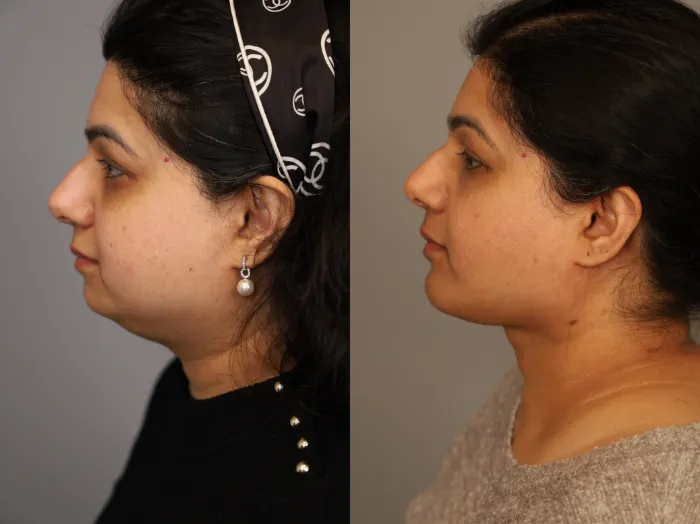
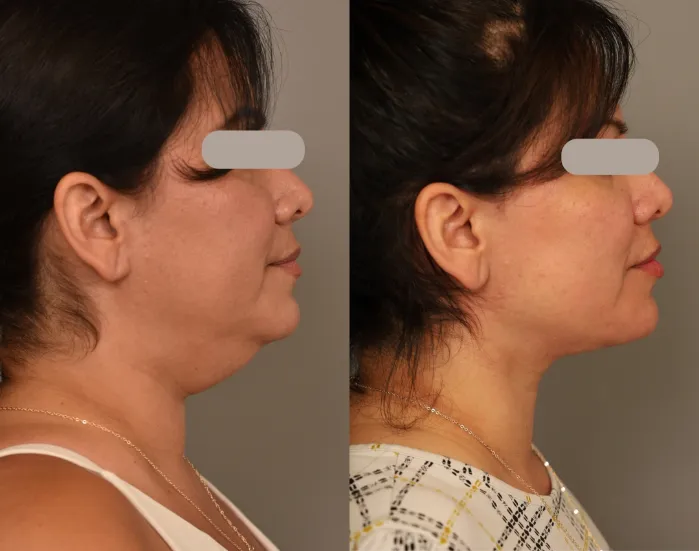
Before and After Necklift Photo
Long-Term Healing: What Patients Can Look Forward To
Healing from a necklift is a gradual process, and it is important for patients to know what lies ahead. Swelling improves dramatically in the first month, though slight puffiness may persist for a few more weeks. By three months, the vast majority of swelling is gone, and the results look more defined and natural. Bruising, on the other hand, typically disappears within the first two weeks and is rarely a concern beyond that point.
The final results of a necklift are among the most satisfying in plastic surgery. Patients are able to enjoy a smooth, youthful, and elegant neckline that enhances their natural appearance. Dr. Sterry’s philosophy is that a successful necklift should never look artificial – it should simply restore a youthful harmony to the face and neck. For women in New York who want to look refreshed while still looking like themselves, this approach delivers confidence and lasting satisfaction.
Do’s And Don’ts For Recovery Success
There are essential guidelines that can make a dramatic difference in recovery. Resting is crucial, and patients should give their bodies time to heal fully rather than rushing back into daily demands. Sleeping with the head elevated minimizes swelling and promotes comfort. Protecting the neck from sun exposure also supports better healing, as ultraviolet rays can darken scars and prolong discoloration.
Just as important as what patients should do is what they should avoid. Resuming exercise, heavy lifting, or bending forward too soon can increase swelling and interfere with healing. Smoking or using nicotine products slows circulation and significantly impacts recovery outcomes, making it a critical factor to avoid. Even seemingly harmless over-the-counter supplements can worsen bruising or increase bleeding risk if not approved by the surgeon. Finally, patients are encouraged not to compare their healing progress to others. Every body heals differently, and especially in a city as fast-paced as New York, it is vital to remember that healing must happen at its own pace.
Final Thoughts & Next Step
Bruising and swelling after a necklift are normal, expected, and temporary. They may feel discouraging in the early days, but with the right care, they fade away to reveal beautiful, long-lasting results. By choosing an experienced surgeon like Dr. Thomas Sterry, Plastic Surgeon in New York, NY, patients can trust that their recovery will be guided by expertise and compassion. His individualized approach, surgical skill, and dedication to natural-looking outcomes ensure that each patient’s journey is handled with care and precision.
If you are considering a necklift in New York, now is the time to take the next step. A private consultation with Dr. Thomas Sterry offers the opportunity to discuss your goals, explore treatment options, and gain a clear understanding of what recovery will look like. With the right guidance, you can move forward confidently, knowing that a smoother, more youthful neckline – and renewed confidence – are within reach.
Further Reading
- Read more about Face Procedures
- Read more about Chin Liposuction
- Read Dr Sterry’s Blog on Male Neck Lift Options
- Read Dr Sterry’s Blog on How Long Does Neck Liposuction Last?
Medical References
- Cosmetic Surgery: Beauty as Commodity – https://link.springer.com/article/10.1023/a:1005455600571
- Necklift, An Issue of Clinics in Plastic – https://books.google.com.ph/books?hl=en&lr=&id=LzbQAgAAQBAJ&oi=fnd&pg=PA139&dq=How+To+Reduce+Bruising+And+Swelling+After+A+Necklift
- Fibrin tissue adhesive for face- and necklift – https://www.sciencedirect.com/science/article/abs/pii/S1748681515003125
- Prevention of Acute Hematoma After Face-Lifts – https://link.springer.com/article/10.1007/s00266-010-9488-8
- The Laser-Assisted Neck Lift: Modifications in Technique and Postoperative Care to Improve Results – https://onlinelibrary.wiley.com/doi/abs/10.1046/j.1524-4725.2002.01296.x
- Neck Lift After Nonsurgical Treatments: Fibrosis, Fat Loss, and Surgical Complexity – https://academic.oup.com/asj/advance-article/doi/10.1093/asj/sjaf149/8213640#google_vignette


Leave a Reply