
[Updated 2026] Deciding to undergo plastic surgery is personal. Whether someone is considering a facelift, tummy tuck, breast augmentation, or a smaller facial contouring procedure, the decision usually carries more emotional weight than people outside the process realize. Patients are not just choosing an operation. They are choosing who will advise them, who will operate on them, who will manage their recovery, and who they will trust with both their appearance and their safety. That is why I have always believed that finding the right plastic surgeon deserves more than a quick internet search and a few social media impressions.
In this post, I’ll explain how to find a good plastic surgeon who can create the results you want. You’ll start by doing research, asking the right questions, and following the helpful guidelines below.
Contents
- 1 Before and After Photos
- 2 Look for board certification
- 3 Research their experience and specializations
- 4 Read patient reviews and testimonials
- 5 Video
- 6 Schedule a consultation
- 7 Choose quality over cost
- 8 FAQ
- 8.1 Can a surgeon be excellent at plastic surgery but still wrong for the exact procedure I want?
- 8.2 Is it a bad sign if I like the surgeon but not the office staff?
- 8.3 Should I worry if every before-and-after photo on a surgeon’s site looks dramatic?
- 8.4 Is it strange to care about a surgeon’s “taste” as much as their training?
- 8.5 Can a consultation feel impressive but still be a bad sign?
- 8.6 Does it matter if a surgeon seems willing to say no to me?
- 8.7 Can an out-of-town patient evaluate a surgeon as well as a local one?
- 8.8 Why do I care so much about whether I “click” with the surgeon?
- 8.9 Is it a problem if a surgeon offers too many procedures?
- 8.10 Can the cheapest consultation sometimes lead to the most expensive mistake?
- 9 Take the next step: achieve great results with a surgeon you can trust
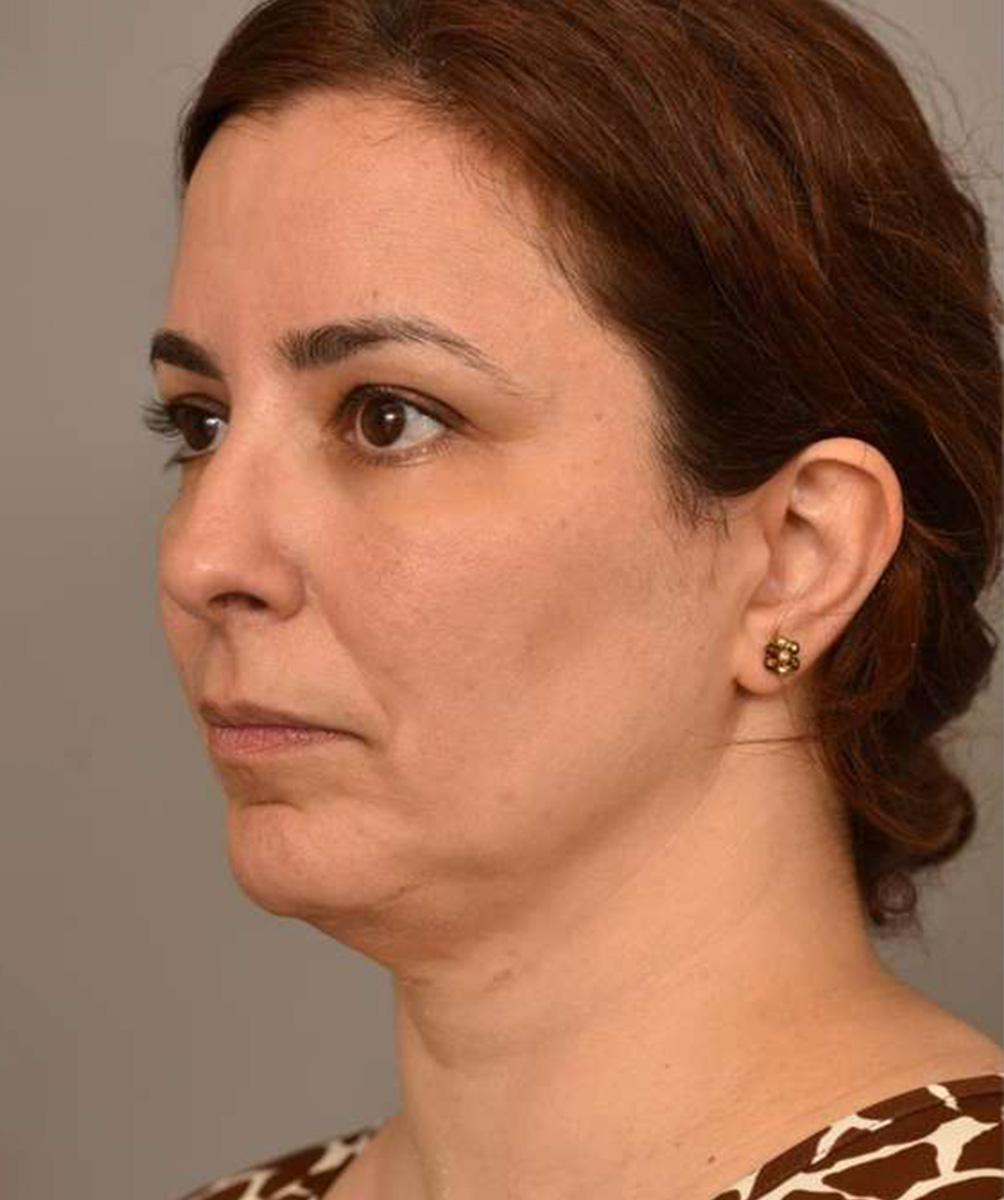
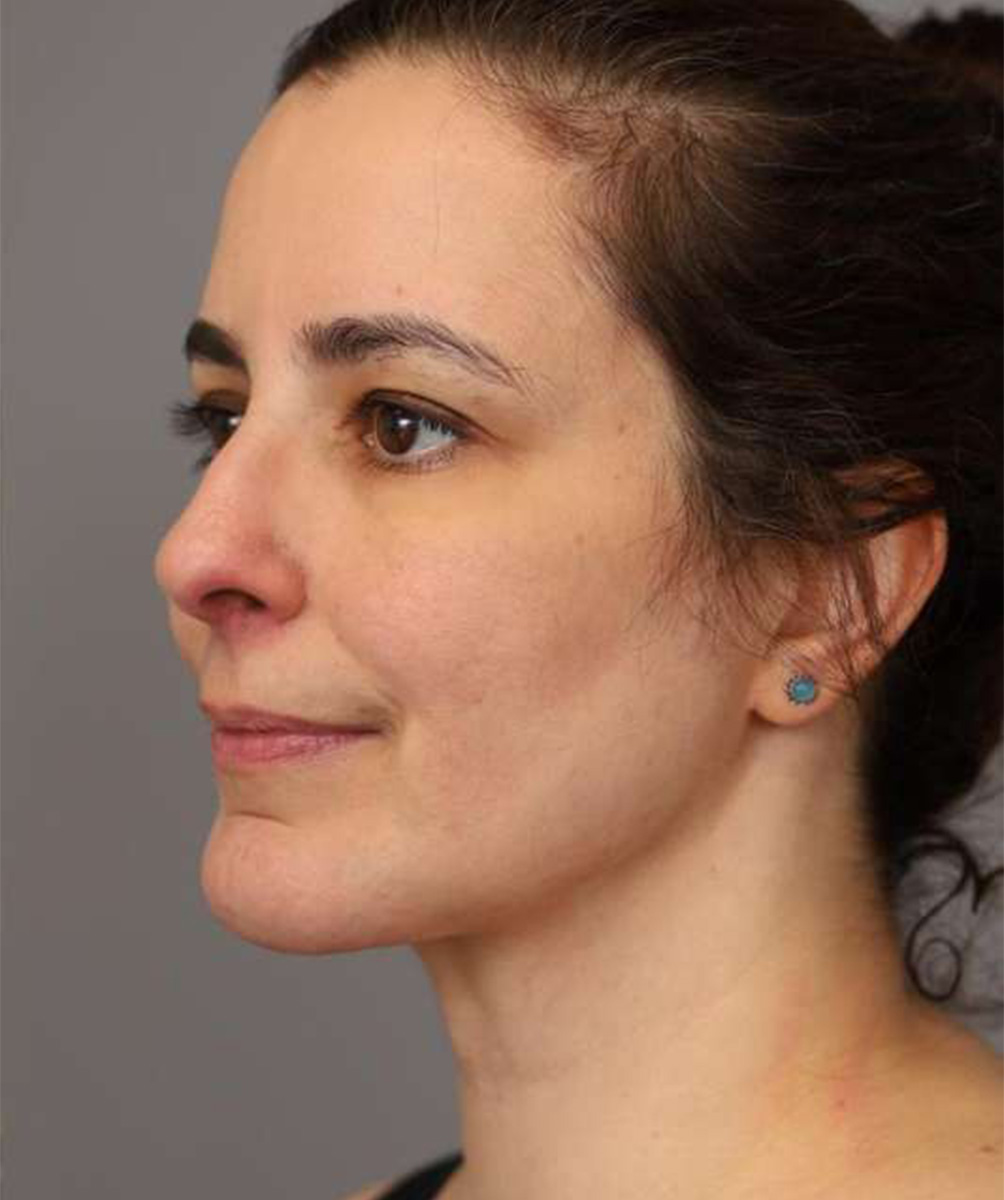
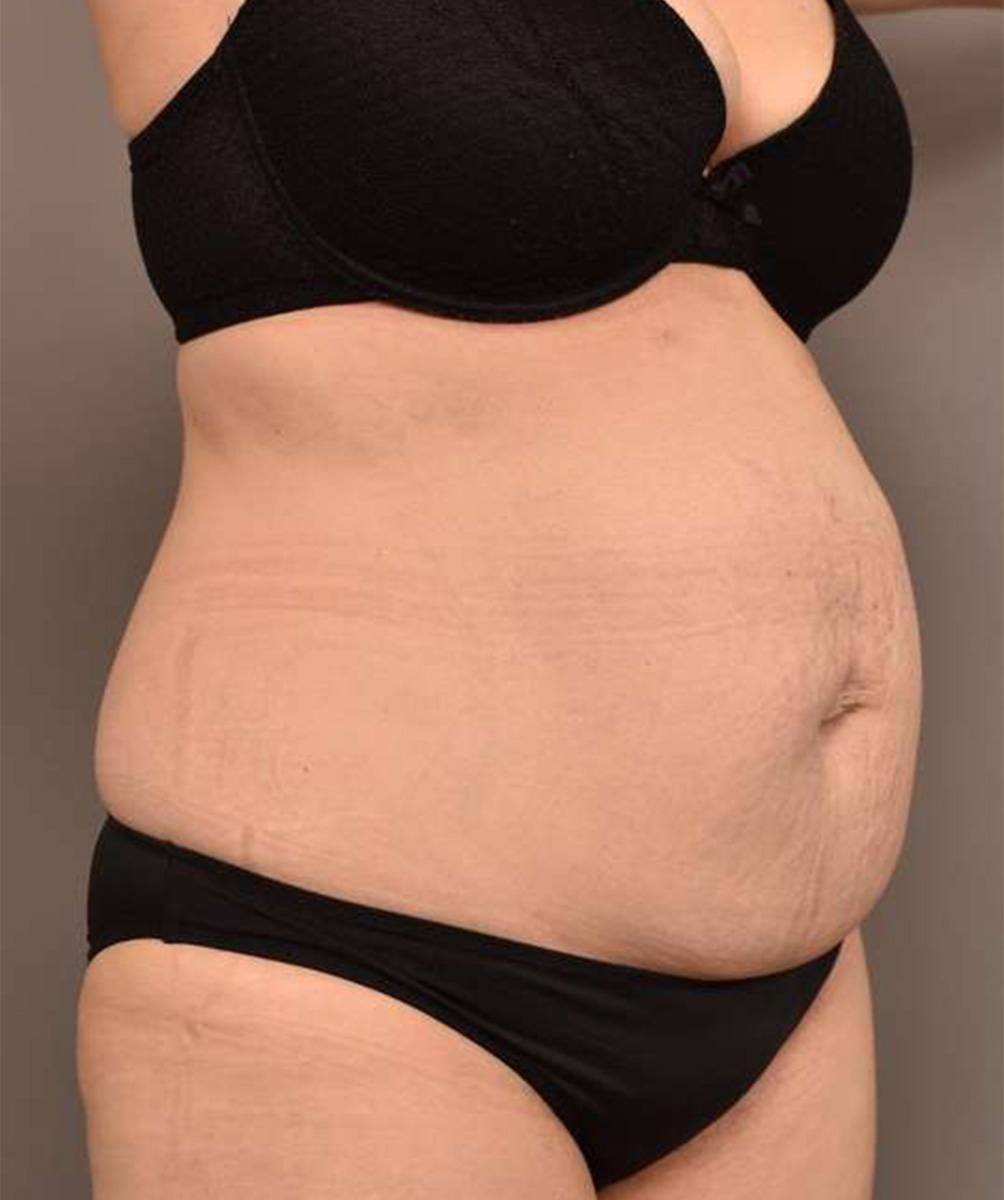
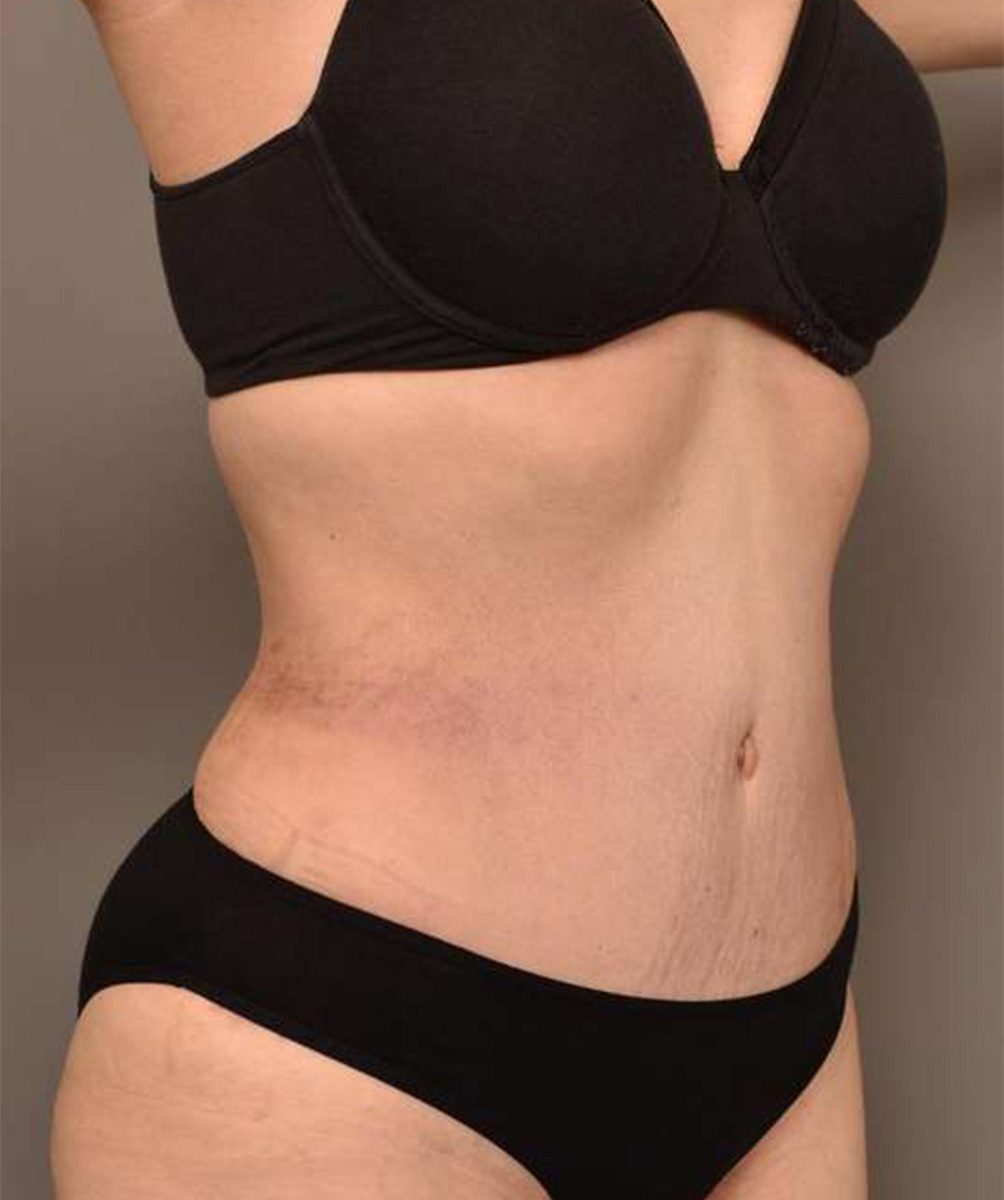
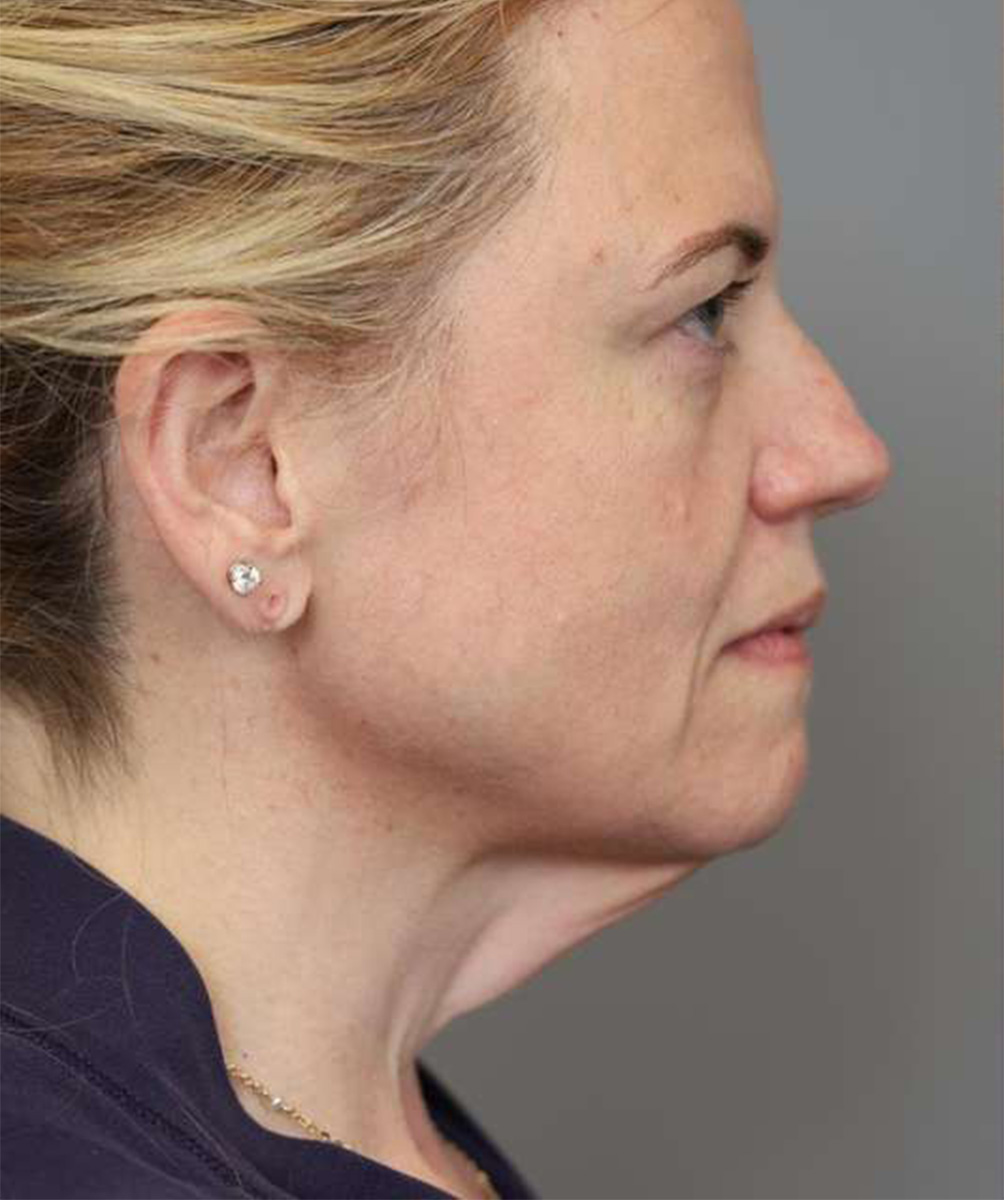
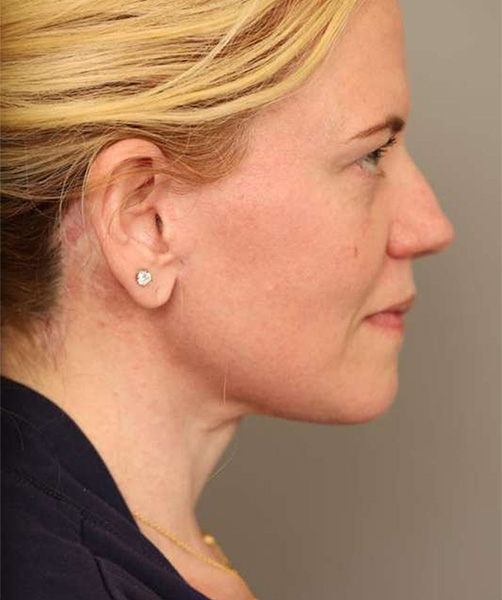
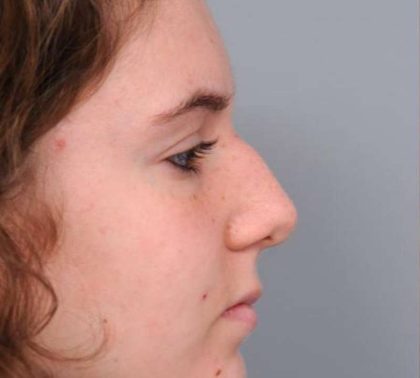
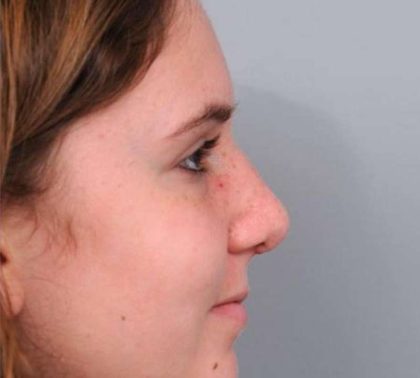
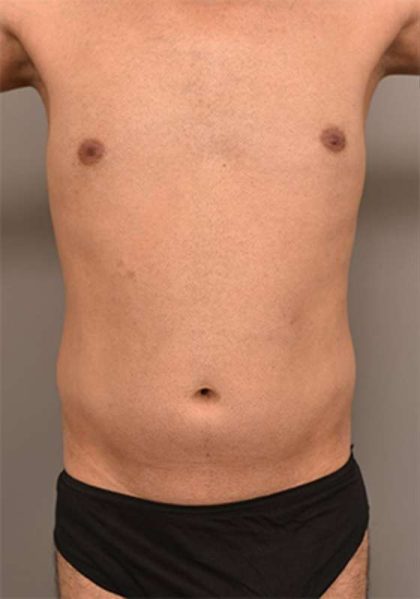
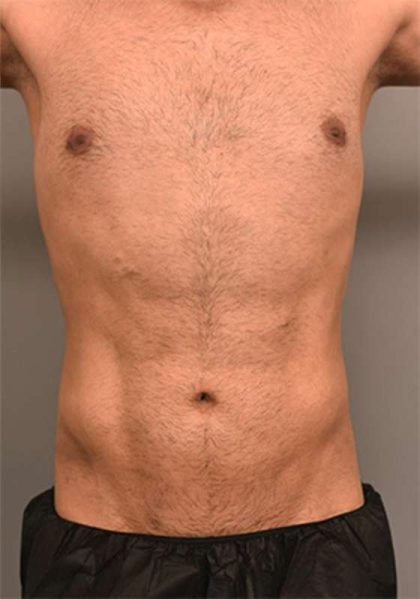
Before and After Photos


Look for board certification
When I speak to patients about how to evaluate a plastic surgeon in NYC—or anywhere—I always start with board certification. A board-certified plastic surgeon has undergone extensive training, passed rigorous exams, and adheres to the highest standards of safety and ethics recognized by the American Board of Plastic Surgery (ABPS). ABPS is the board recognized as the gold standard for plastic surgery certification in the United States, and its standards are rigorous.
Surgeons certified by the ABPS have, at a minimum, achieved these impressive accomplishments:
- Graduated from an accredited medical school
- Completed at least 6 years of additional surgical residency training, 3 years of which must be plastic surgery-focused
- Passed comprehensive written and oral exams
These may sound basic, but patients are often surprised by how confusing credentials can be online. There are many doctors who perform cosmetic procedures but are not board-certified plastic surgeons. Some may be talented in a narrow area, but from a patient’s perspective, it is safer and more straightforward to begin with the doctors who have completed the full training pathway in plastic surgery and have maintained certification through the recognized board for that specialty. Board certification is not a guarantee of artistry, of course, but it is a very important baseline for education, safety, and ethics
Research their experience and specializations
Board certification tells you a surgeon has the right foundation. Experience tells you whether that surgeon may be the right fit for your procedure.
Plastic surgery is a broad field. A surgeon may be excellent, board-certified, and highly respected, but still not be the best match for every operation a patient is considering. That is why I think patients need to go one step further and ask, “How much experience does this surgeon have with the specific procedure I want?” The live article uses mommy makeover as an example and advises patients to seek someone experienced in body contouring if that is their goal. I think that is exactly the right way to think about it. If you want facial contouring, find someone who does a great deal of facial contouring. If you want breast surgery, look at the surgeon’s breast work carefully.
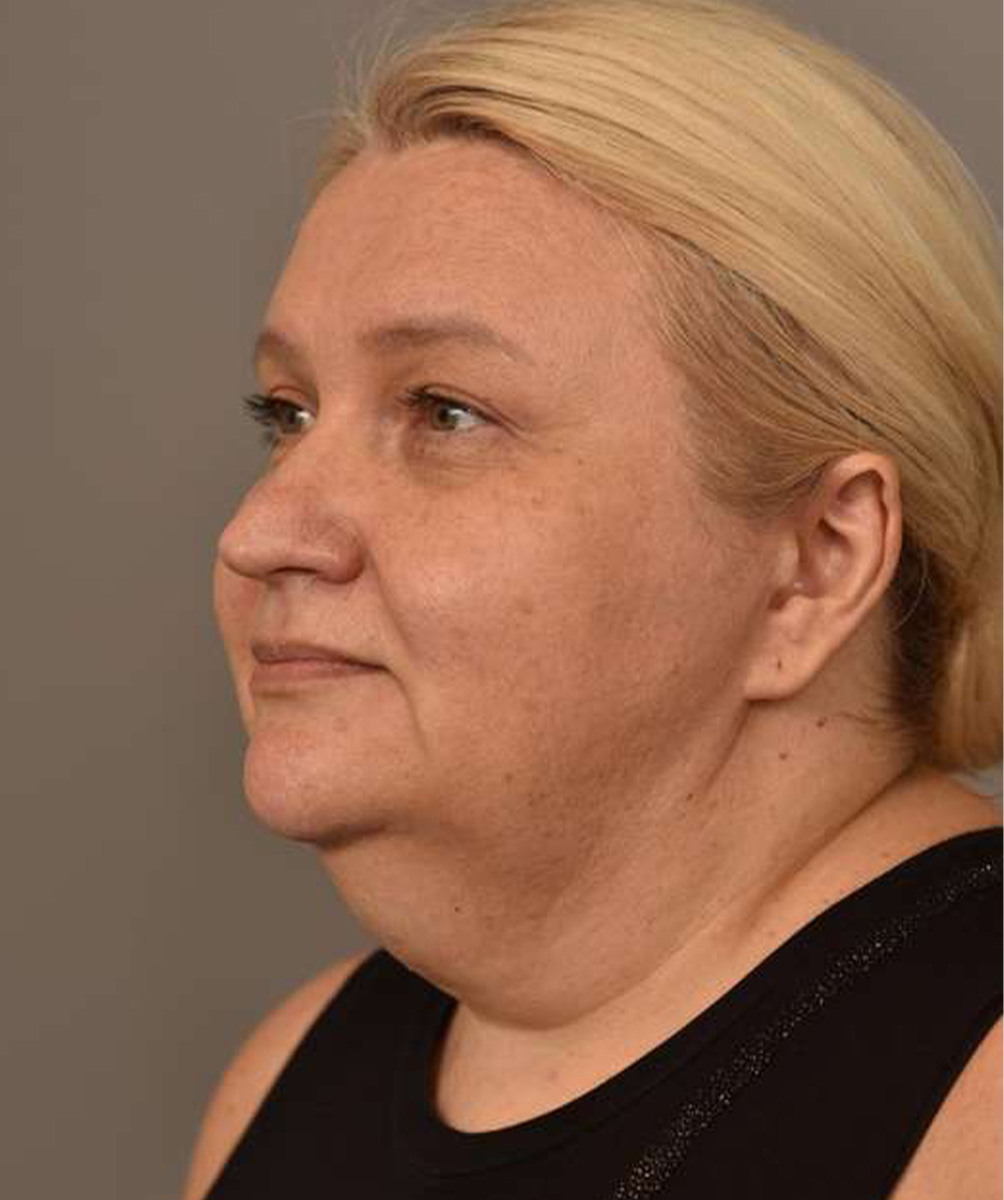
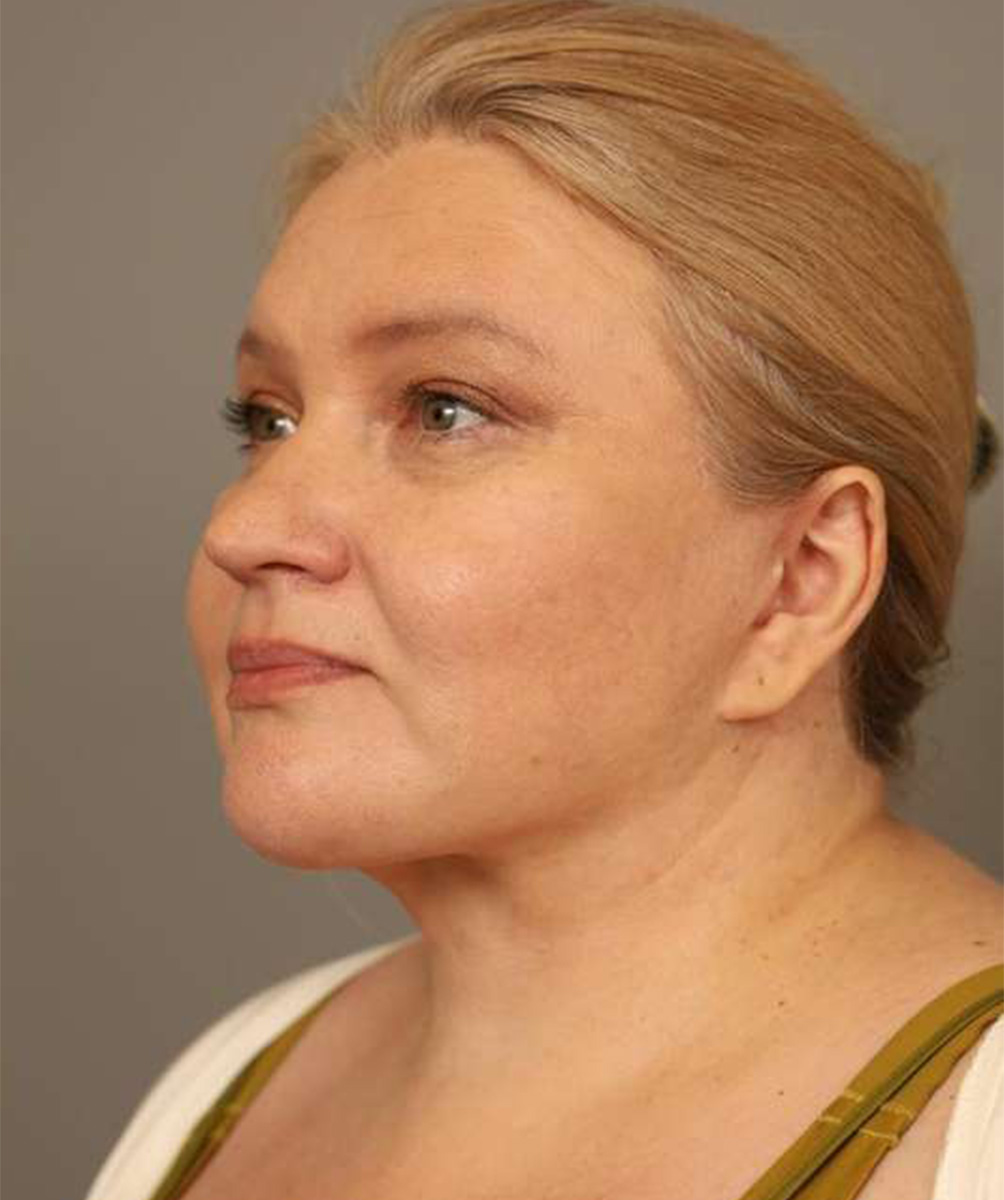
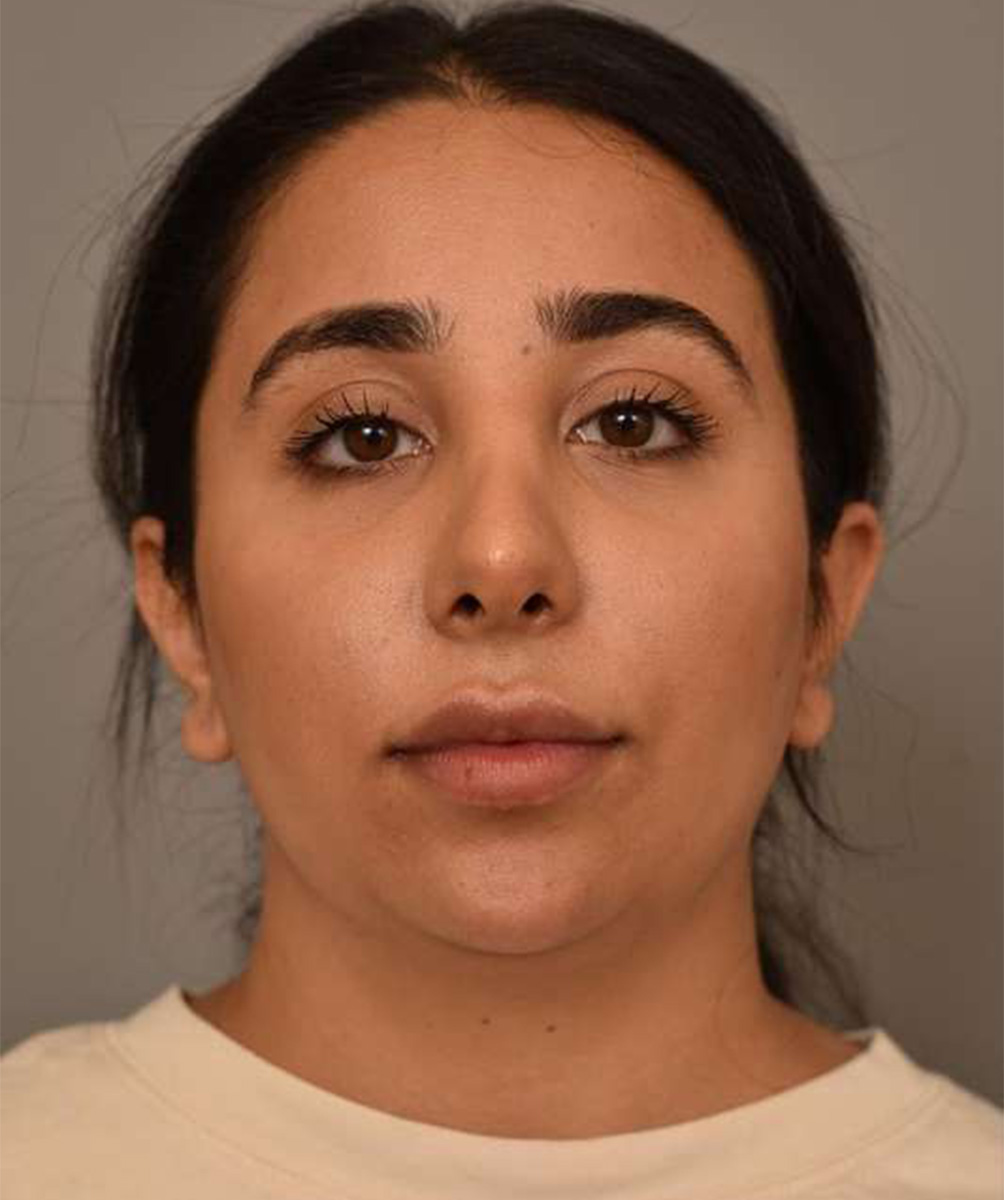
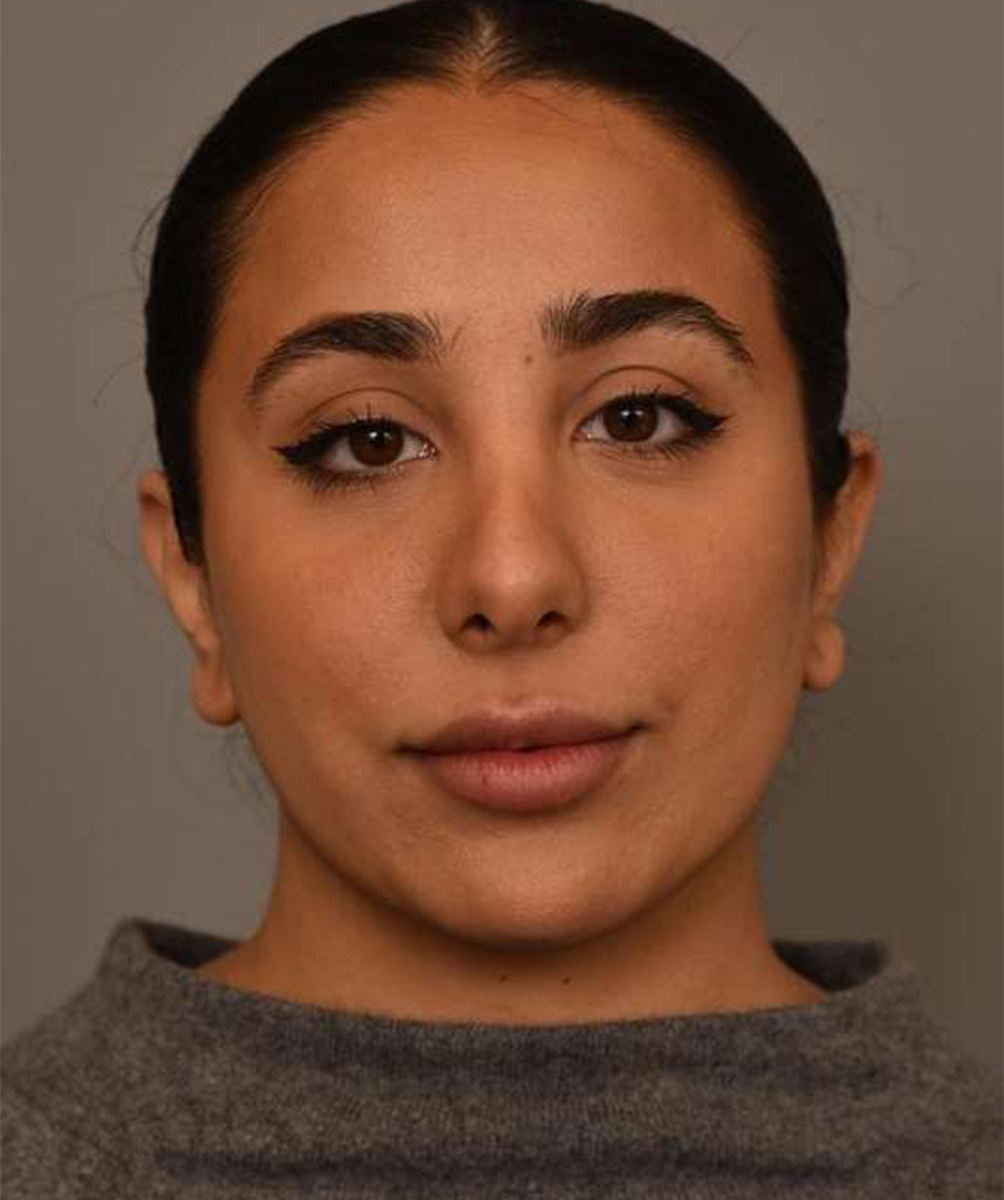
The surgeon’s website is often the best place to start. Not because websites are perfect, but because they tell you how a surgeon presents their practice, what procedures they emphasize, how they explain them, and what kind of before-and-after photography they are willing to show. I encourage patients to spend real time on those pages. Read the procedure descriptions. Look at the photo gallery. Ask yourself whether the results look natural to you, whether the surgeon seems to treat patients like you, and whether the aesthetic style aligns with what you want. The live article specifically tells readers to review the surgeon’s website and before-and-after gallery, and I think that remains excellent advice.
Read patient reviews and testimonials
Patient reviews and testimonials provide valuable insights into a surgeon’s skills, bedside manner, and patient satisfaction. Websites like RealSelf, Google Reviews, and Healthgrades allow patients to share and rate their experiences and are good sources for your research. Are patients consistently happy with their results? Does the surgeon listen to their concerns? Is the staff professional and supportive? Pay attention to recurring themes to gauge whether the surgeon has a positive, proven track record.
At the same time, I do not think patients should choose a surgeon based only on a star rating. A surgeon may have glowing reviews and still not be the best fit for your particular procedure. And individual reviews can reflect personality clashes or unusual circumstances as much as surgical quality. What I find more useful is the overall picture. Check if the practice shows ratings across Google, RateMDs, YellowBot, WebMD, Facebook, and RealSelf, along with featured reviews that repeatedly mention feeling safe, informed, supported, and pleased with natural-looking results. That sort of consistency is more meaningful than any one isolated comment.
I also encourage patients to read how a surgeon’s office sounds in reviews, not just what number appears next to the name. Are patients saying they never felt pressured? Are they describing realistic guidance rather than overpromising? One recent review on the testimonials page specifically praised being reassured but also realistic, which to me is the kind of comment patients should value. Another mentioned that the team made the process seamless even for an out-of-state patient. That tells you something about the practice culture, not just the result.
Video
Cosmetic surgery vs plastic surgery
Do you know the difference between cosmetic surgery and plastic surgery? Dr Sterry explains the difference between cosmetic and plastic surgery. Visit the website for more information.
Thomas P. Sterry, MD 1080 5th Avenue #1b New York, NY 10128.
Phone: 646-904-5584.
Follow me on: Instagram, Tiktok, Twitter, Facebook
Schedule a consultation
No amount of online research replaces an in-person consultation. This is where the abstract becomes real.
I recommend one-on-one consultations once you have narrowed your list. A consultation is where you find out whether the surgeon listens, whether your goals are understood correctly, whether the explanation is clear, and whether you feel both respected and comfortable. It is also where you begin to evaluate the surgeon’s honesty. Does he explain risks, recovery, and limitations? Does he tell you what the procedure can realistically accomplish? Does he seem willing to say no if something is not a good idea? Those are all positive signs.
I schedule a full hour for consultations, encourage patients to bring someone with them if helpful, and focus on understanding unique goals and needs. It also describes the consultation as a time to build trust and make sure patients feel comfortable not only with the surgeon’s experience but with his bedside manner. I think that is exactly right. Technical skill matters enormously, but so does the relationship. You should not feel rushed, dismissed, or sold to.
I also think patients should pay attention to the office itself. Observe whether the staff is professional, helpful, and responsive, and whether the office feels clean, organized, and inviting. Those details are not trivial. They tell you how the practice functions. Plastic surgery is not just the hour in the operating room. It is the full experience before and after surgery. A great surgeon supported by a disorganized office is not the same experience as a great surgeon supported by a strong, attentive team.
For my own practice, I operate a boutique-style Manhattan office focused on individualized attention and natural-looking outcomes, and that is very much how I want patients to experience consultation. The goal is not to impress them with jargon. It is to make sure they leave understanding the plan, the tradeoffs, and whether I am the right surgeon for them.
Choose quality over cost
This is one of the most important parts of the discussion, and one of the easiest to misunderstand.
I realize cost matters. It should matter. Cosmetic surgery is a meaningful investment, and patients are right to be thoughtful about it. But the live article is correct that cost should not be the deciding factor. Your health and appearance are too important to be reduced to the lowest bid. A surgeon who charges more may be reflecting years of experience, a higher level of technical refinement, stronger postoperative support, or a better overall safety environment.
This does not mean the most expensive surgeon is always the best surgeon. It means the cheapest option is rarely the right way to make a decision. In plastic surgery, a poor result can cost much more than the original quote once you factor in revisions, lost time, emotional frustration, and avoidable risk. I would much rather see a patient wait, budget, or use financing thoughtfully than choose a surgeon primarily because the price sounds attractive.
A highly skilled surgeon with years of experience may charge more than someone just starting out, but the quality and safety of your procedure should be your top priority. We offer convenient financing options to help you achieve your ideal look while minimizing the impact on your wallet. I think that is helpful because it gives patients a middle ground. Choosing quality over cost does not mean pretending budgets do not exist. It means not letting price alone push you into a decision you would not otherwise make.
FAQ
Can a surgeon be excellent at plastic surgery but still wrong for the exact procedure I want?
Yes. Plastic surgery is a broad specialty, and surgeons often develop deeper experience or a more recognizable style in certain categories such as facial surgery, body contouring, or breast surgery. That is why I encourage patients to look not only at credentials, but also at procedure-specific experience and results.
Is it a bad sign if I like the surgeon but not the office staff?
It can be. Surgery is not only about the surgeon’s hands; it is also about how smoothly the practice handles scheduling, questions, recovery concerns, and follow-up. If the office feels disorganized or dismissive before surgery, that may become more frustrating afterward.
Should I worry if every before-and-after photo on a surgeon’s site looks dramatic?
Not necessarily, but I would look closely. A good gallery should show consistency and honesty, not only the most extreme transformations. If every patient looks like a marketing highlight reel, I would want to know whether the gallery reflects everyday practice or only the most selectively favorable cases.
Is it strange to care about a surgeon’s “taste” as much as their training?
No, I think that is entirely reasonable. Training tells you whether a surgeon is properly qualified; taste tells you whether the kind of results they produce match what you find attractive and natural. In cosmetic surgery, both matter.
Can a consultation feel impressive but still be a bad sign?
Yes. Some consultations feel polished because they are well-rehearsed, not because they are especially thoughtful. If the conversation feels slick but leaves you confused, rushed, or overly flattered without much honest discussion of tradeoffs, I would be cautious.
Does it matter if a surgeon seems willing to say no to me?
Very much. In my view, a good plastic surgeon should be willing to tell a patient when a procedure is not the right fit, when expectations are unrealistic, or when a smaller or different option makes more sense. That kind of restraint is often a sign of judgment, not reluctance.
Can an out-of-town patient evaluate a surgeon as well as a local one?
Yes, but the planning has to be more deliberate. You need a clear understanding of consultation, surgery logistics, recovery timelines, and how postoperative communication will work once you go home. Distance does not make surgery unsafe by itself, but it does raise the importance of organization and follow-up.
Why do I care so much about whether I “click” with the surgeon?
Because cosmetic surgery is personal. Even if a surgeon is technically gifted, you are still placing yourself in a position of trust during a vulnerable process. If the communication style makes you uneasy, unheard, or overly pressured, that discomfort matters.
Is it a problem if a surgeon offers too many procedures?
It can be, depending on how that breadth is supported. A broad practice is not automatically a bad thing, but I still want to see real depth in the specific procedure a patient is considering. Variety is less important than demonstrated experience and judgment in the operation that actually concerns you.
Can the cheapest consultation sometimes lead to the most expensive mistake?
Absolutely. A lower consultation fee or lower surgical quote can feel appealing upfront, but if it leads you toward the wrong surgeon, the wrong procedure, or a preventable revision later, the long-term cost can be much greater. In aesthetic surgery, value and fit usually matter more than the first number you hear.
Take the next step: achieve great results with a surgeon you can trust
Finding the right plastic surgeon does take time, but it is time well spent. If you do the research, verify board certification, look carefully at procedure-specific experience, read reviews intelligently, study before-and-after photos, and pay close attention during consultation, you put yourself in a much better position to make a smart decision.
A slow, deliberate, and research-based search for plastic surgeons is crucial to ensuring a safe and successful outcome. By following these tips, you can feel confident in your choice and look forward to achieving your ideal look. Request a consultation with me online or call my practice at 646-904-5584 to get started. My practice is located at 1080 5th Avenue #1B, New York, NY 10128, and my office hours are Monday through Thursday, 9 a.m. to 5 p.m., and Friday, 9 a.m. to 3 p.m. Take the time to explore my clinic site for testimonials, related resources, and procedure information so that you can continue your research before visiting.