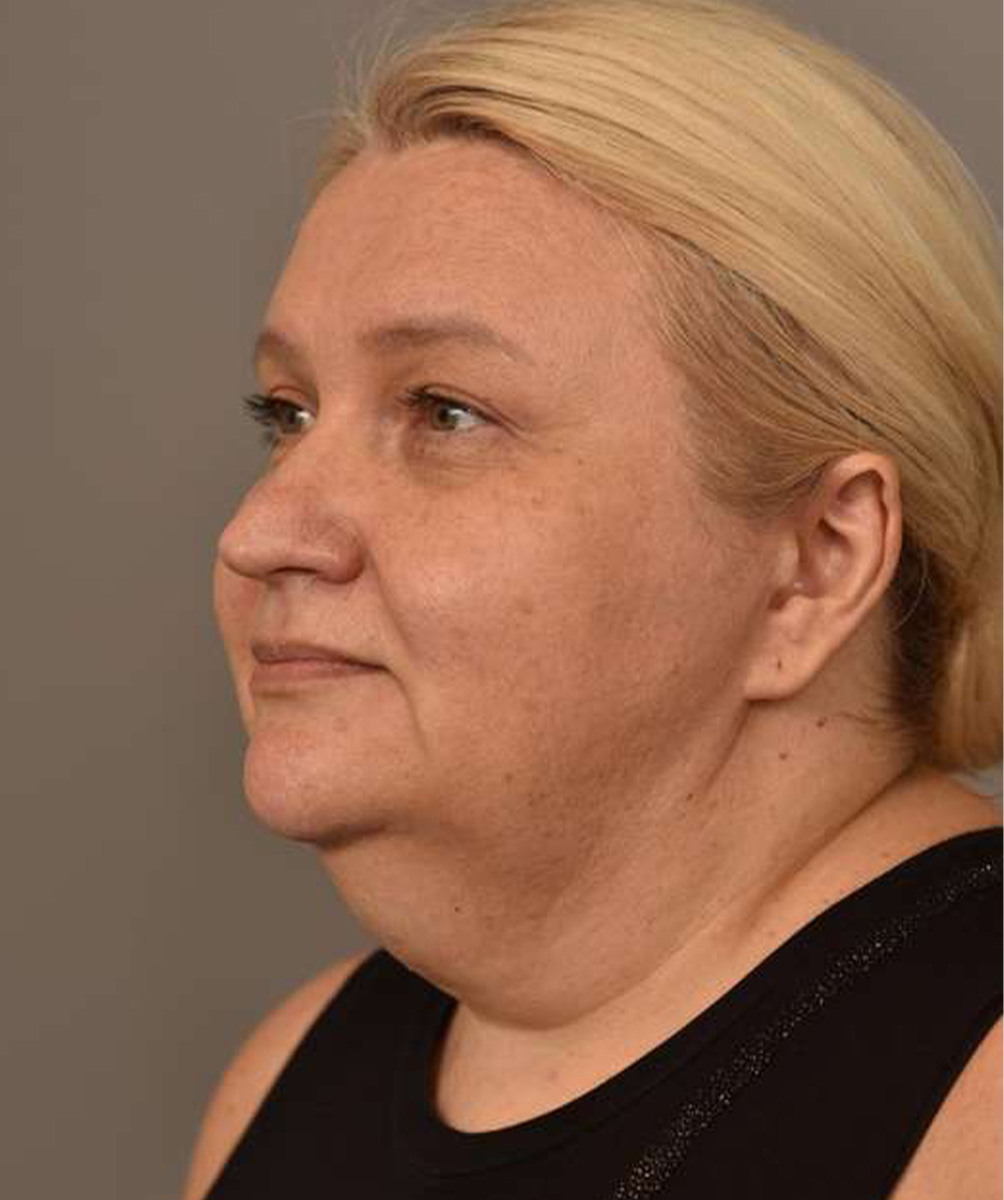
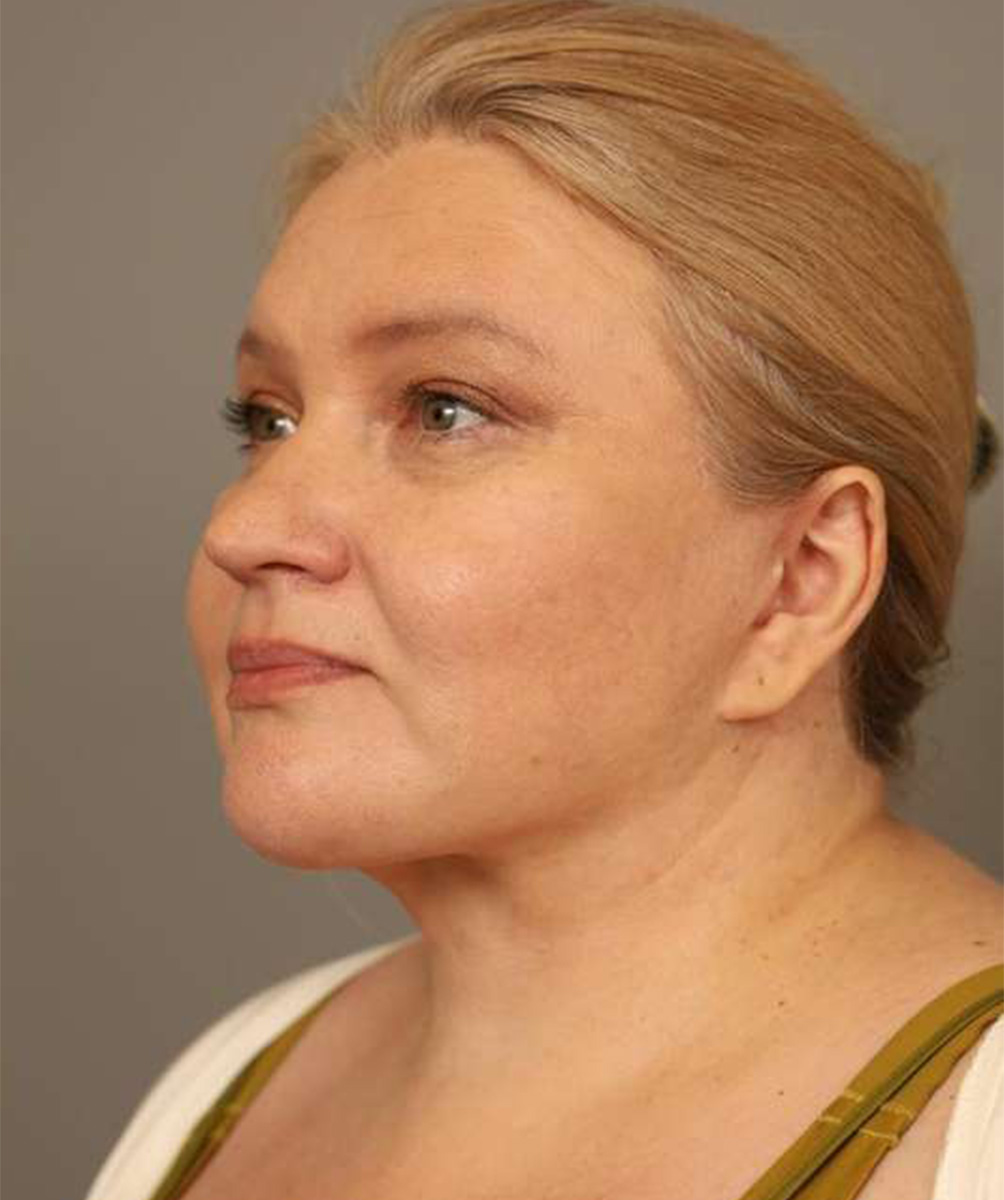
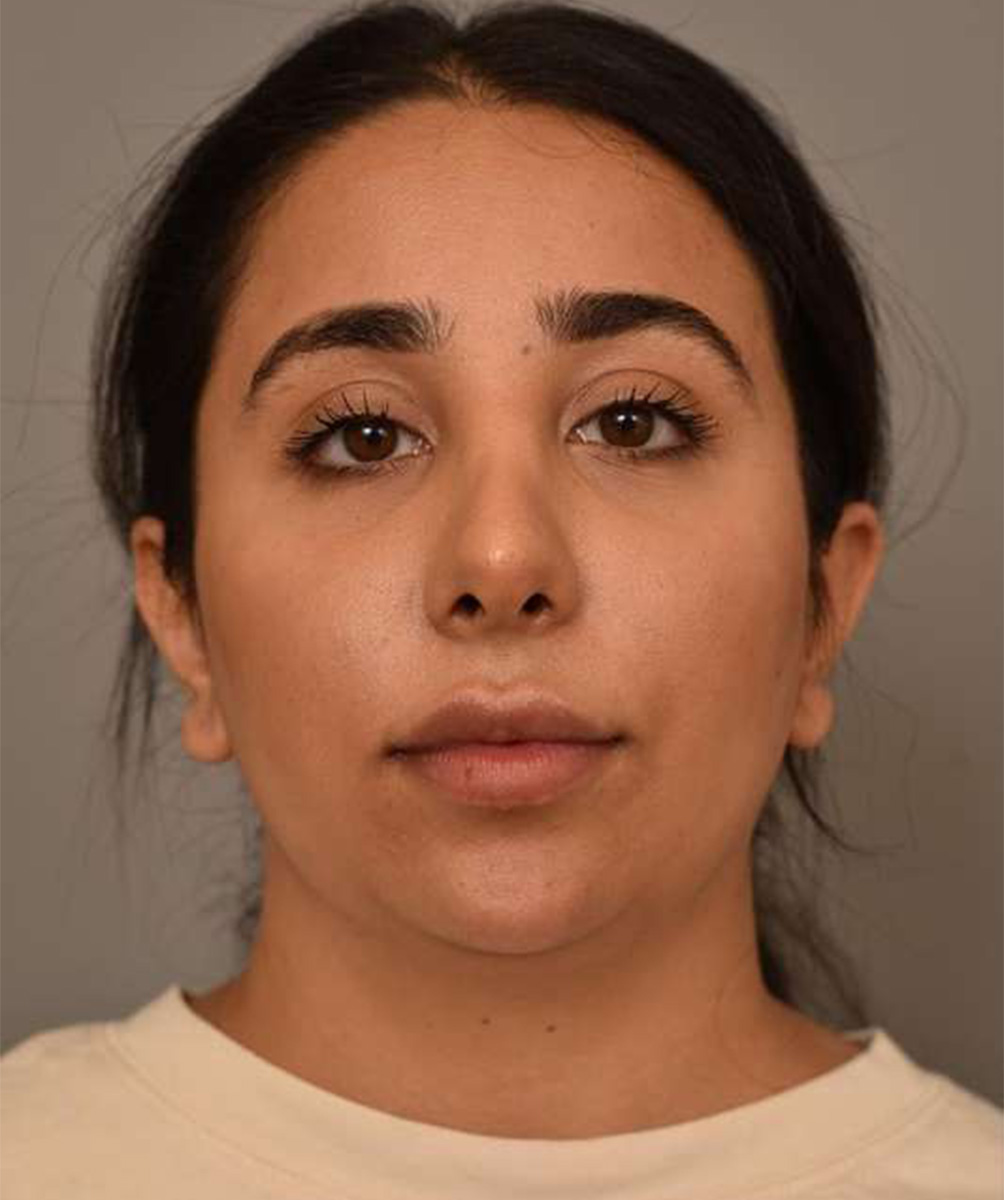
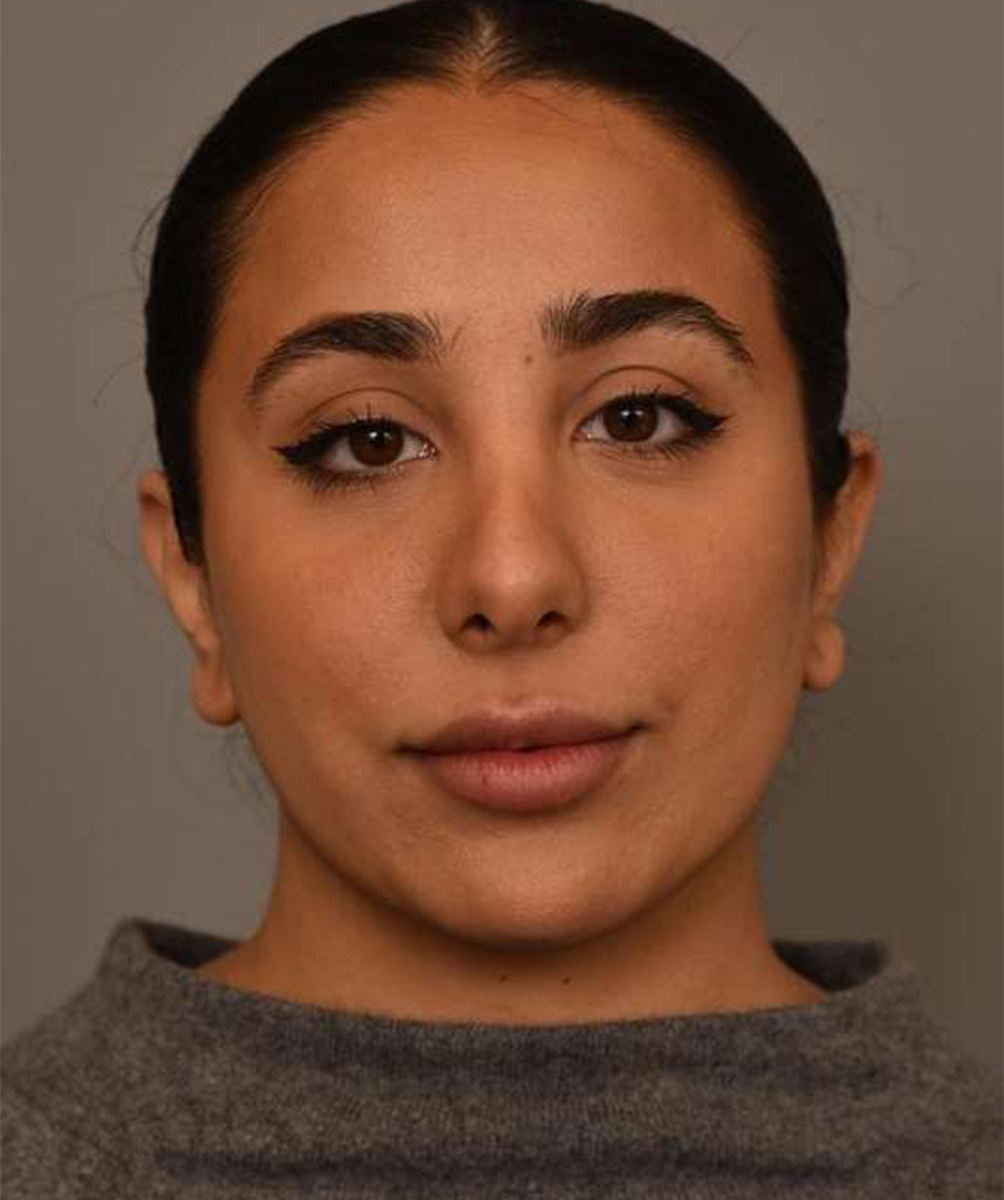
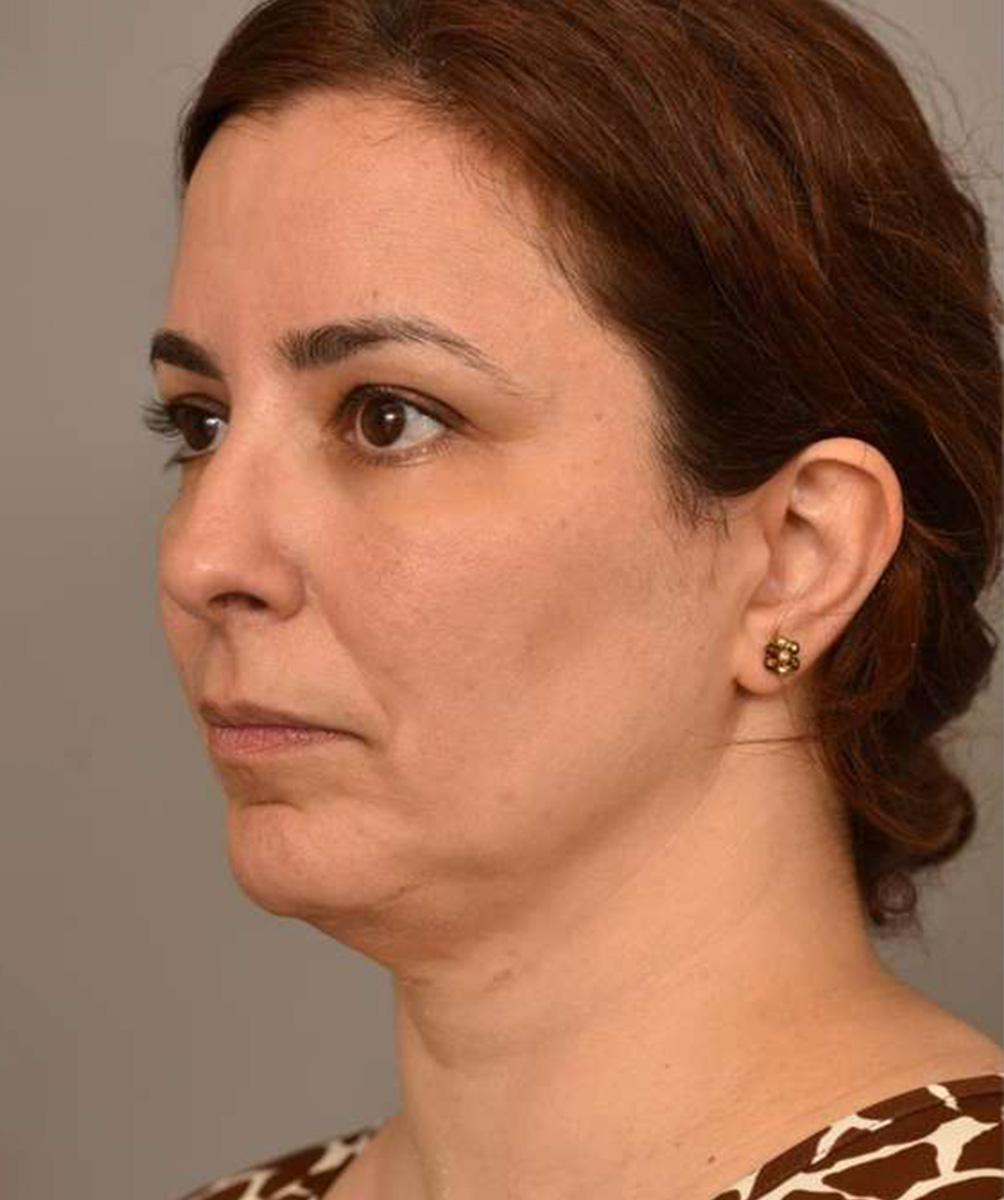
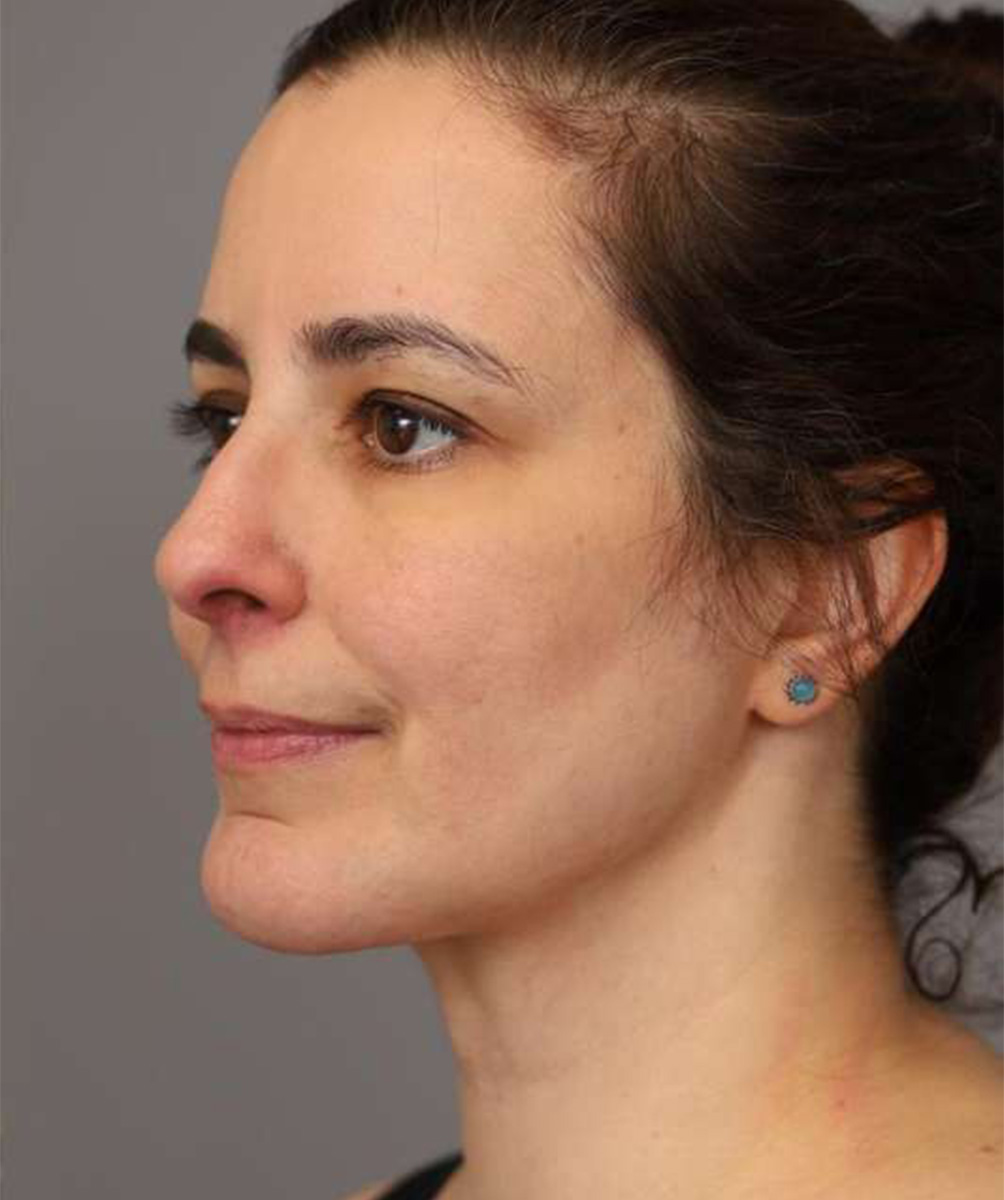
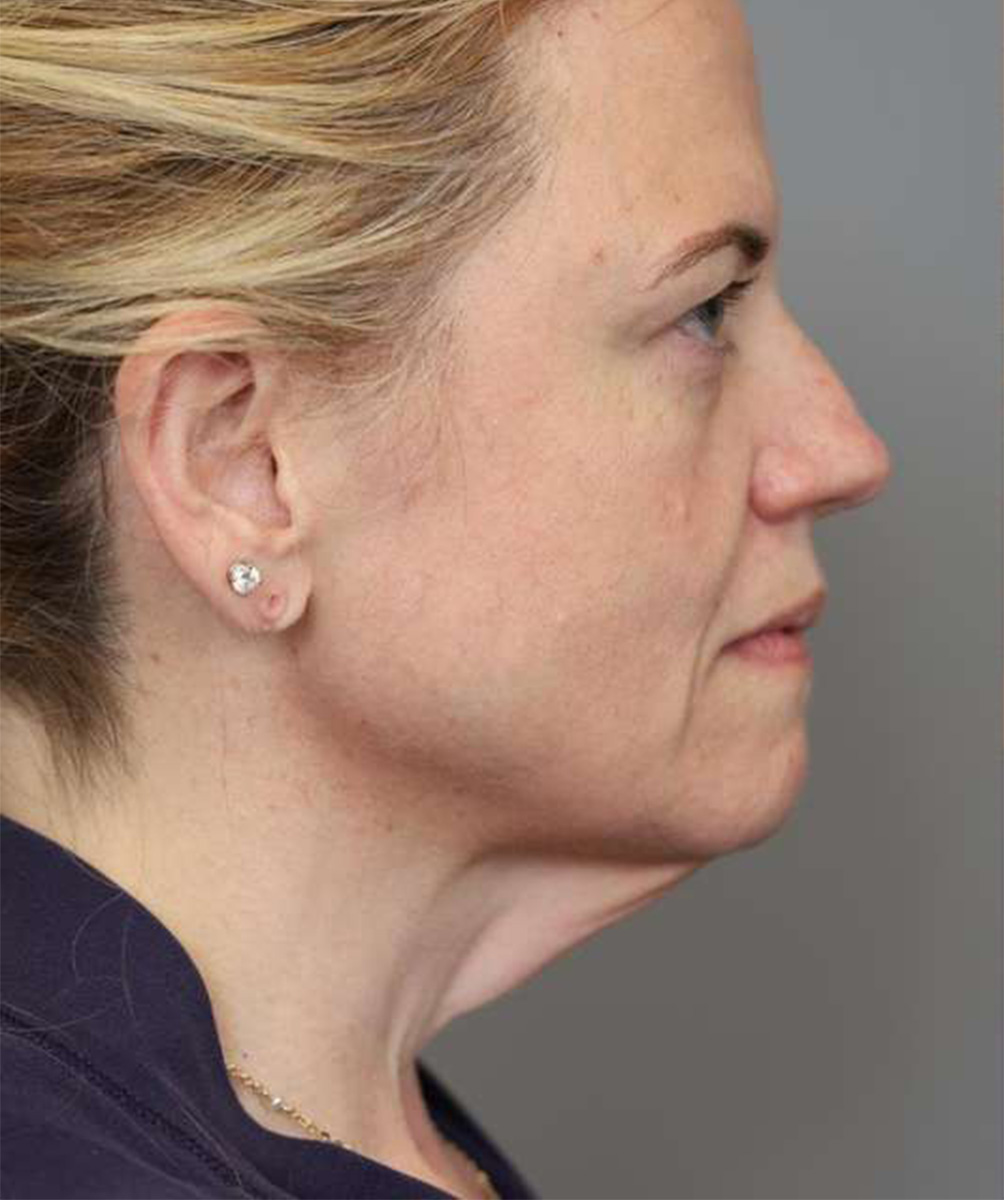
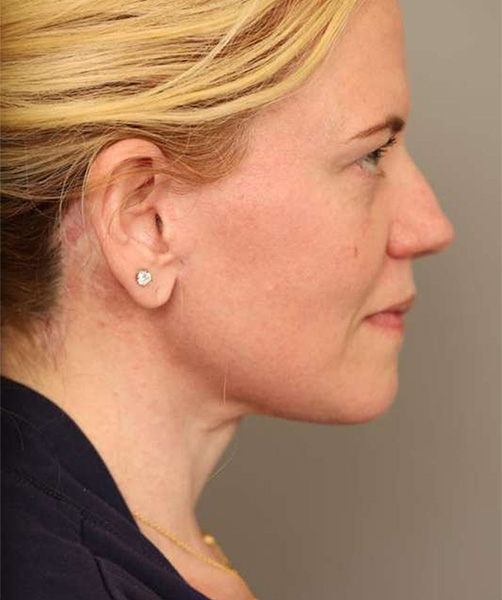

While sculpted cheekbones have long been considered a hallmark of beauty, social media has created a frenzy of attention for that chiseled look. High on the trending list is buccal fat removal, a quick procedure that slims the lower face. Dr. Sterry’s current post introduces the procedure in exactly that context: subtle, strategic facial slimming rather than dramatic transformation.
That distinction matters. Buccal fat removal is not about chasing a trend or making a face look “done.” At its best, it is about refinement. Some patients have naturally fuller lower cheeks that make them feel they never outgrew their “baby face,” even when they are fit and otherwise well contoured. Others want improved balance between the cheeks, jawline, and chin. In those patients, removing a portion of the buccal fat pad can sharpen the lower face in a way that still looks like them, just a bit leaner and more sculpted.
This procedure can create subtle yet significant improvements in facial contours, but how does it hold up over time? This is one of the most frequent questions many people ask, not just whether the procedure works in the short term. They want to know whether the results will still make sense years later. Will they still look attractive in ten years? Will the face become too hollow? Will the procedure “age badly”? Those are fair questions, and they should be part of any thoughtful consultation. In this blog post, we’ll be looking at buccal fat removal 10 years later, as well as breaking down the recovery period and how to know if it’s right for you.
Contents
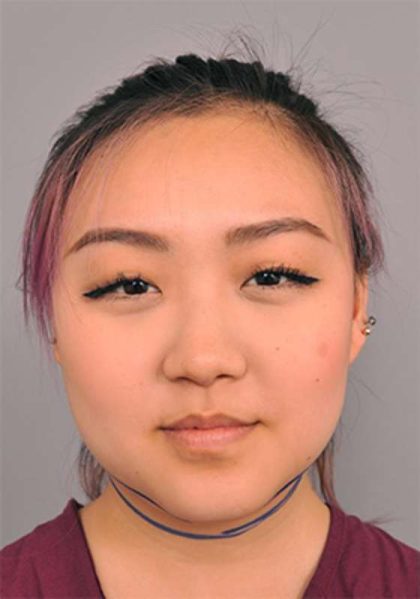
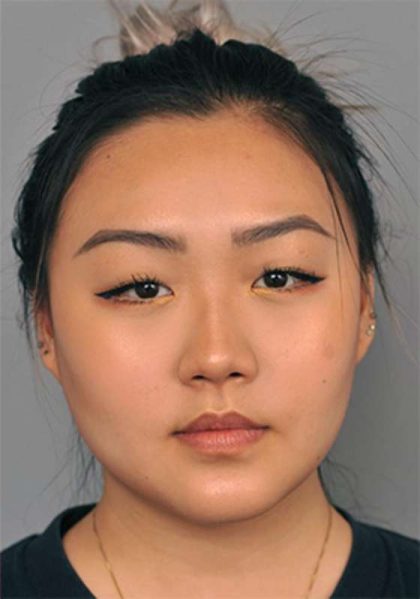
Before and After Photos


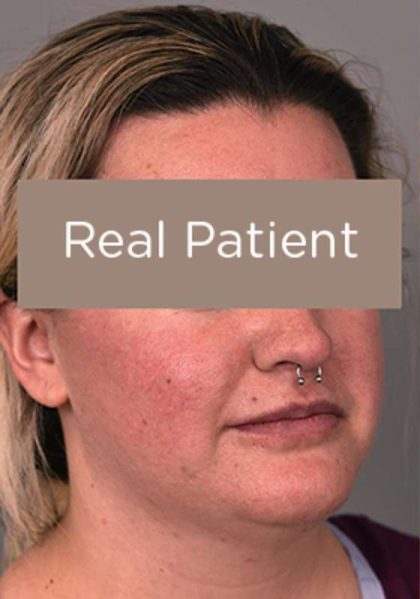
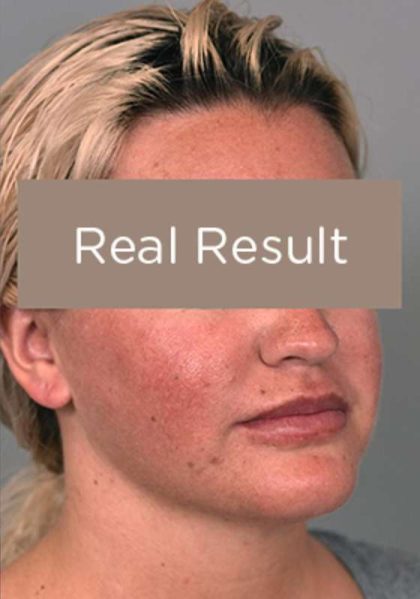
Why do patients get buccal fat removal?
First, let’s talk about why patients seek this procedure in the first place. Most are not trying to look like someone else. They are trying to correct a specific feature that has bothered them for years: persistent fullness in the lower cheeks. Even at a healthy weight, some faces read as round, soft, or youthful in a way that does not match the patient’s preferred aesthetic.
For those patients, buccal fat removal can create better definition between the cheekbones and the jawline. It can make the face look less heavy through the middle and lower third. It can also improve facial harmony when a person feels that the cheeks dominate their features from the front or in photographs.
Buccal fat removal targets an area that cheek liposuction cannot, although these procedures are often performed in tandem for more dramatic contouring. Dr. Sterry makes that distinction clearly: buccal fat sits in a compartment that cheek liposuction does not directly address, though the two procedures are often combined for more comprehensive contouring. That is one reason consultation matters so much. A patient may say, “I want smaller cheeks,” but the real question is where the fullness is coming from. Is it superficial fat? Is it buccal fat? Is it bone structure? Is it simply a naturally soft face that might not benefit from fat removal at all?
The best candidates are generally patients with true lower-cheek fullness, good skin tone, and goals that are realistic and anatomy-driven. Younger adults often do particularly well because their skin retains elasticity and their faces still have enough structural support to carry a slightly leaner contour beautifully. But age alone does not decide candidacy. Facial proportions, tissue quality, and overall balance are much more important than any single number.
This is also a procedure that rewards restraint. The goal is not to “empty out” the face. The goal is to reduce excess fullness in a measured way so that the final result looks elegant, not hollow. In my view, that is where artistry matters just as much as technical skill.
Buccal fat removal recovery day by day
One reason buccal fat removal remains so appealing is that recovery is usually much easier than patients expect. Compared with more extensive facial procedures, downtime is relatively short. Dr. Sterry notes that many patients return to work within a week, while the remaining swelling can take a month or longer to fully settle
That timeline is a good general guide, but it helps to understand what those days actually feel like. Below is a timeline of what you can expect during recovery:
Day 1 to 3
The first few days are usually the most noticeable from a recovery standpoint. Swelling, a sense of tightness, and mild to moderate discomfort are all normal. Most patients do not describe severe pain. Instead, they feel puffy, sore, and a little awkward when chewing or smiling. Because the incisions are inside the mouth, the cheeks can feel tender, and the mouth may feel slightly irritated.
This is the period when rest matters most. Keeping your head elevated, sticking to soft foods, staying hydrated, and using medication exactly as directed all make a difference. Cold compresses can help externally, but patients should be gentle and not overdo it. Swelling is a normal part of healing, not a sign that something is wrong.
It is also important not to judge the result too early. The lower face often looks fuller before it looks slimmer, simply because swelling temporarily obscures the contour change.
Day 4 to 7
By this point, many patients turn a corner. The initial swelling has often peaked and begins to improve. If there is any bruising, it usually becomes easier to conceal. Patients generally feel more comfortable speaking, smiling, and resuming light routines. This is often when people start to think, “All right, I can see where this is going.”
That said, the face may still look uneven from one day to the next. One cheek may appear more swollen than the other in the morning. Smiling may still feel tight. These are typical recovery fluctuations and usually not a cause for concern.
Many patients are able to return to desk work or social activity around this stage, especially if they are comfortable with a little residual puffiness. The procedure is subtle enough that casual observers often cannot tell exactly what changed.
Day 8 to 10
During this part of recovery, the face usually starts looking more presentable in a reliable way. Patients often feel comfortable being seen in public, going back to work, and returning to a more normal eating pattern, though overly crunchy or irritating foods may still be best avoided for a bit longer.
This is also when patients begin to appreciate that buccal fat removal is not an “instant reveal” procedure. The contour improves gradually. The lower cheeks begin to look less heavy, but the final degree of slimming is still evolving. Patients who stay patient at this stage are usually happiest later, because they understand they are seeing an early version of the outcome, not the endpoint.
Day 11 to 14
By the second week, the majority of the obvious swelling has often resolved. This is the stage when the surgery starts to feel less like a recent event and more like a result that is taking shape. The cheeks look slimmer, the transition from cheek to jaw becomes a bit cleaner, and photographs may already begin to reflect the change.
Activity restrictions may also begin to loosen, depending on healing and your surgeon’s guidance. That does not mean immediately returning to strenuous workouts or high-impact activity, but it does mean many patients feel substantially more like themselves. Consult with your board-certified plastic surgeon about resuming exercise and lifting any activity restrictions. Social confidence improves during this stretch because the face no longer looks freshly postoperative.
Week 3 to 4
This is where refinement becomes more visible. Residual swelling continues to settle, and the lower face starts to show the subtle but meaningful effect that makes buccal fat removal so satisfying in the right patient. The result is not usually dramatic in the way body surgery can be dramatic. It is quieter than that. The face simply looks more sculpted, more balanced, and often more photogenic.
Minor fluctuations in swelling can still occur, especially in the morning or after salty meals, but the trend is consistently toward improvement. Most patients at this point feel the procedure was easier than they had feared and are beginning to enjoy the result rather than think about recovery.
Aging after buccal fat removal
Buccal fat removal yields impressive short-term results, but questions often arise regarding its long-term impact on aging. Contrary to popular belief, removing the buccal fat pads does not accelerate facial aging.
While patients do lose volume in the midface and cheekbone area as they age, the lower portion of the face (where the buccal fat is located) tends to remain stable and retain its contours. The buccal fat pad is not the same as the soft fullness over the cheekbones that helps give a youthful midface appearance. When critics say patients will “regret it later,” they are often speaking too broadly, as though all facial volume is interchangeable. It is not.
Now, that does not mean everyone is a good candidate. If someone already has a lean, narrow, or somewhat hollow face, removing buccal fat may indeed create too gaunt an appearance over time. Likewise, if a patient is drawn to an aggressively sculpted trend rather than a natural outcome, that can be a problem. The issue is not that buccal fat removal inevitably ages badly. The issue is whether it is being recommended appropriately.
A well-selected patient usually ages quite normally after buccal fat removal. The face continues to mature as any face does. Skin quality changes. Bone support changes. Volume shifts in other compartments. But the lower face generally remains more refined than it would have without surgery.
In practical terms, patients who were bothered by lower-cheek heaviness at 28 often remain happy that they addressed it at 38. They may pursue different treatments later for unrelated aging changes, but they do not suddenly wish they had their original fullness back. The faces that tend to age most gracefully after buccal fat removal are the ones treated conservatively in the first place.
Video
What Is Facial Contouring?
What types of procedures improve facial contours? In this video, Dr. Thomas Sterry explains the procedures that contour and refine the face, including chin and neck liposuction, buccal fat removal, cheek liposuction, and chin implants. See before and after pictures of some of Dr. Sterry’s patients showing their dramatic transformations. Subscribe to this channel to keep up on the latest videos.
Thomas P. Sterry, MD 1080 5th Avenue #1b New York, NY 10128.
Phone: 646-904-5584.
Follow me on: Instagram, Tiktok, Twitter, Facebook
Buccal fat removal after 10 years
Ten years later, what usually remains is the improvement in shape. The face may not look exactly as it did one year after surgery, because no face remains static for a decade. But the reduction in lower-cheek fullness typically persists, and many patients still appreciate the slimmer contour.
This is why the procedure should be thought of as contouring rather than anti-aging. It is not meant to freeze your face in time. It is meant to change the architecture of fullness in a way that remains harmonious as you age.
If skin laxity and volume loss in other areas of the face are becoming bothersome, you can also consider getting a facelift or dermal filler injections of JUVEDERM®, RADIESSE®, or Sculptra® to rejuvenate your appearance. Later changes are usually not a failure of buccal fat removal. They are simply different facial issues that call for different solutions.
Long-term satisfaction is heavily influenced by the surgeon’s eye. A conservative, proportionate result usually holds up much better than one driven by trend-based overreduction. When the goal is balance rather than extremity, the face tends to age in a way that still looks natural.
Is buccal fat removal worth it?
The answer to this question may be better phrased as “Is buccal fat removal right for me?” Not every patient who wants this procedure will be a good candidate, and the best plastic surgeons aren’t afraid to say “no” when it won’t deliver the results you want.
As one woman who visited my practice for a consultation wrote in her testimonial:
“Dr Sterry said he didn’t see anything wrong with my chin or face. I honestly gave him opportunities to upsell me, and he simply didn’t take them … I actually respect that the doctor cares more about having good results / doing good work rather than following my will (considering I don’t have a professional eye). …”
-Carly P., 5-star Google review
That is also why an ethical consultation matters so much. The best outcome is not always surgery. Sometimes the correct answer is no procedure at all. Sometimes it is cheek liposuction instead. Sometimes it is chin augmentation, neck contouring, or a combination approach. The right recommendation should come from anatomy, not impulse. You can read more about my approach to facial sculpting in our related blog post to understand how I combine procedures and why I am discerning regarding patient candidacy.
Buccal fat removal and patient satisfaction
Patient satisfaction is typically highest when three things line up: the patient is a good candidate, the surgery is performed with restraint, and the patient understands what the procedure can and cannot do. Those who have done their homework on what to expect and how their face may change over time often express the highest satisfaction rates.
In contrast, those who pursue buccal fat removal for its popularity without understanding their options tend to express regret. Ultimately, your satisfaction comes down to your surgeon’s expertise, your facial anatomy, and factors such as:
- How informed you are about the procedure
- How realistic your expectations are
- Why you are interested in buccal fat removal in the first place
When performed by a qualified, board-certified facial plastic surgeon, this procedure can yield natural-looking results that withstand the test of time. If you would like to explore your options for facial contouring, please request a consultation or call our plastic surgery office at 646-904-5584 to get started.