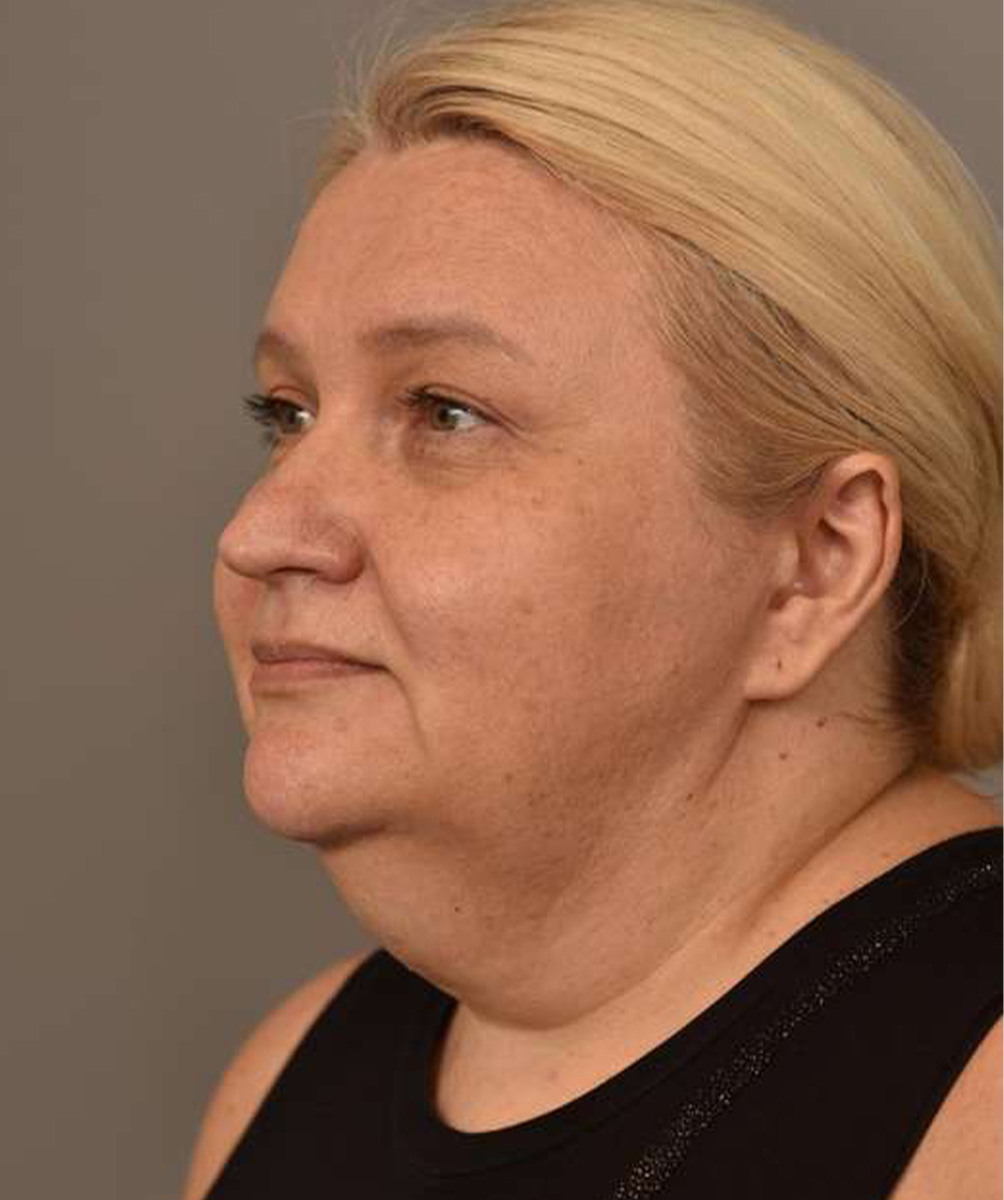
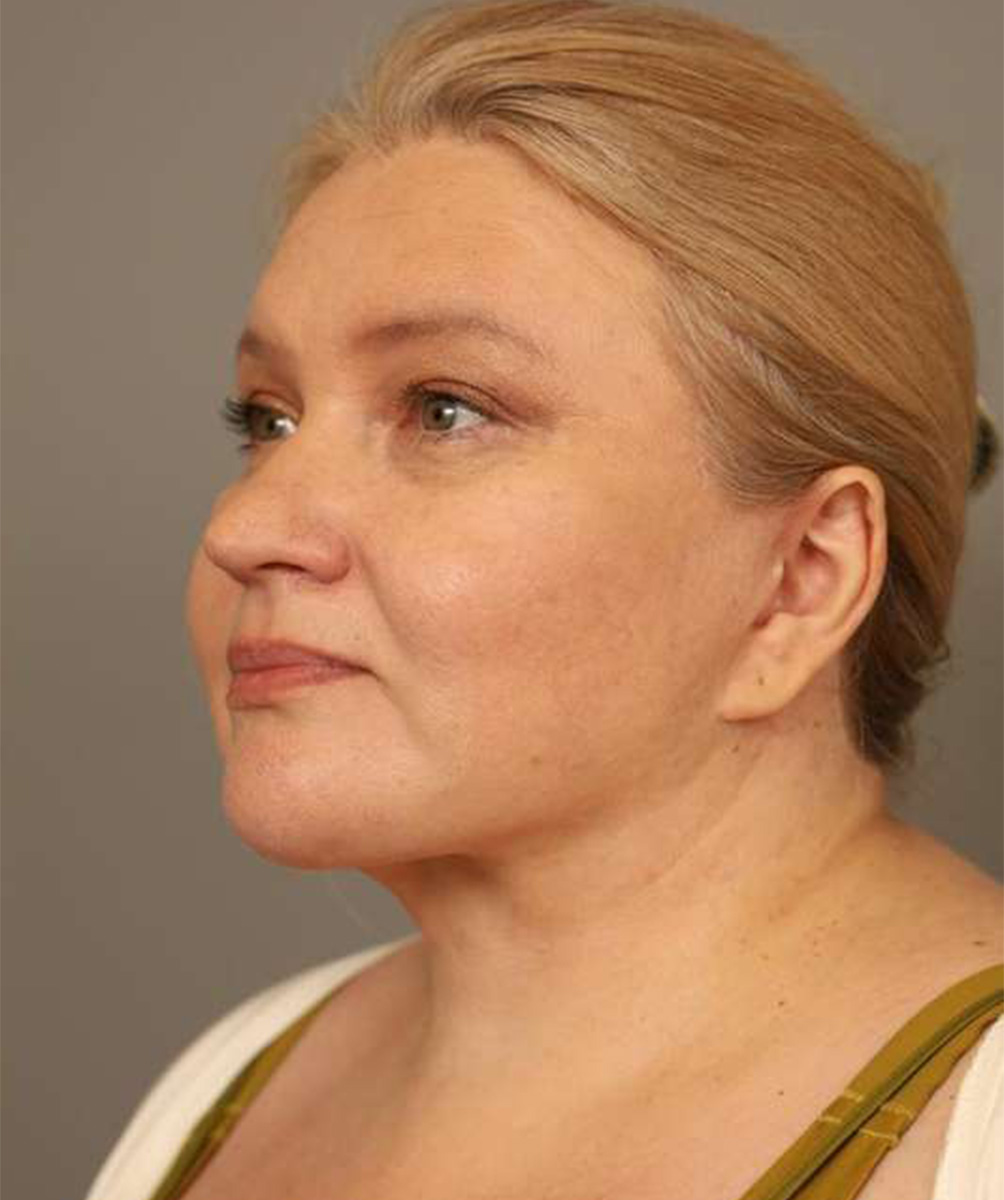
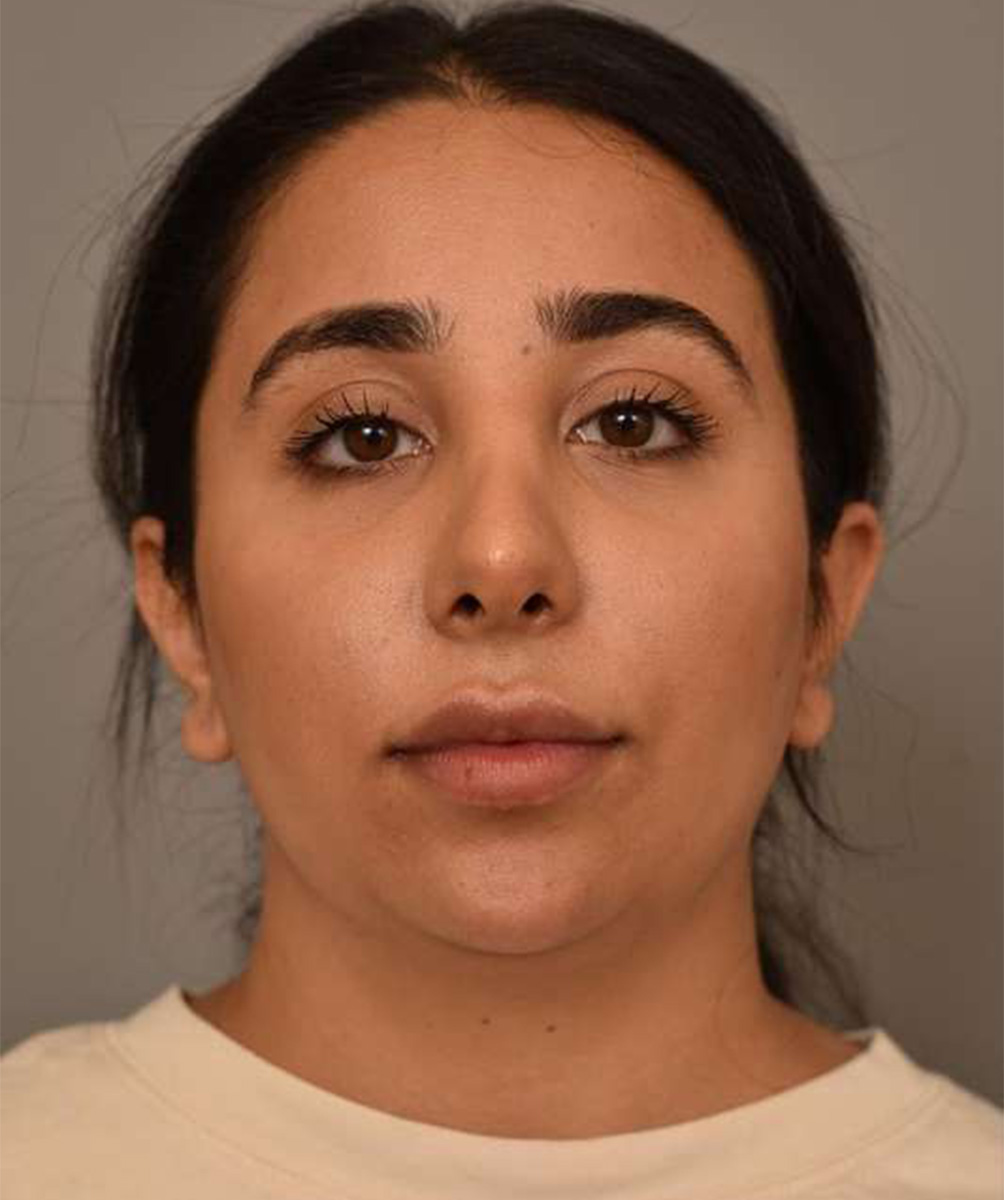
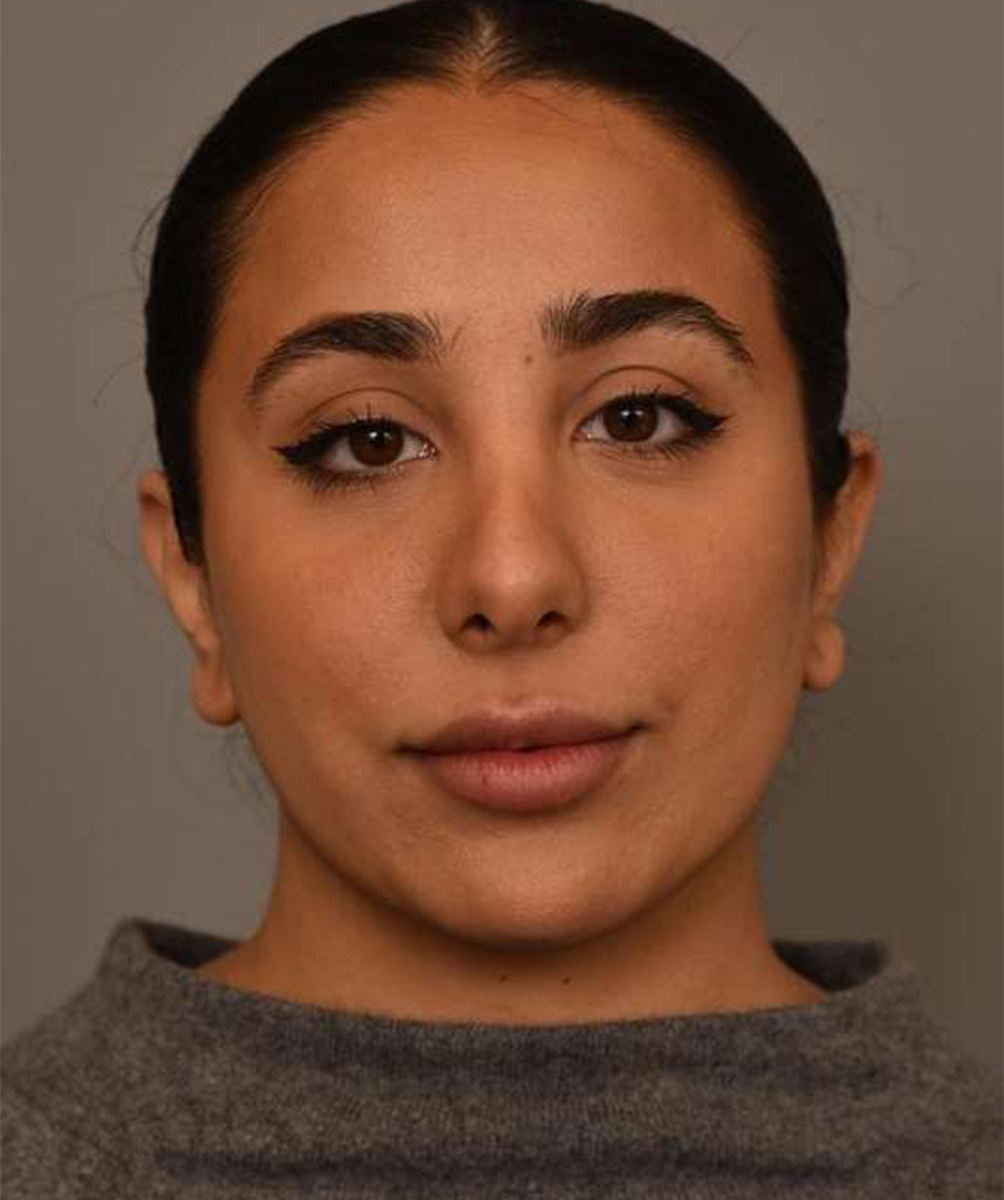
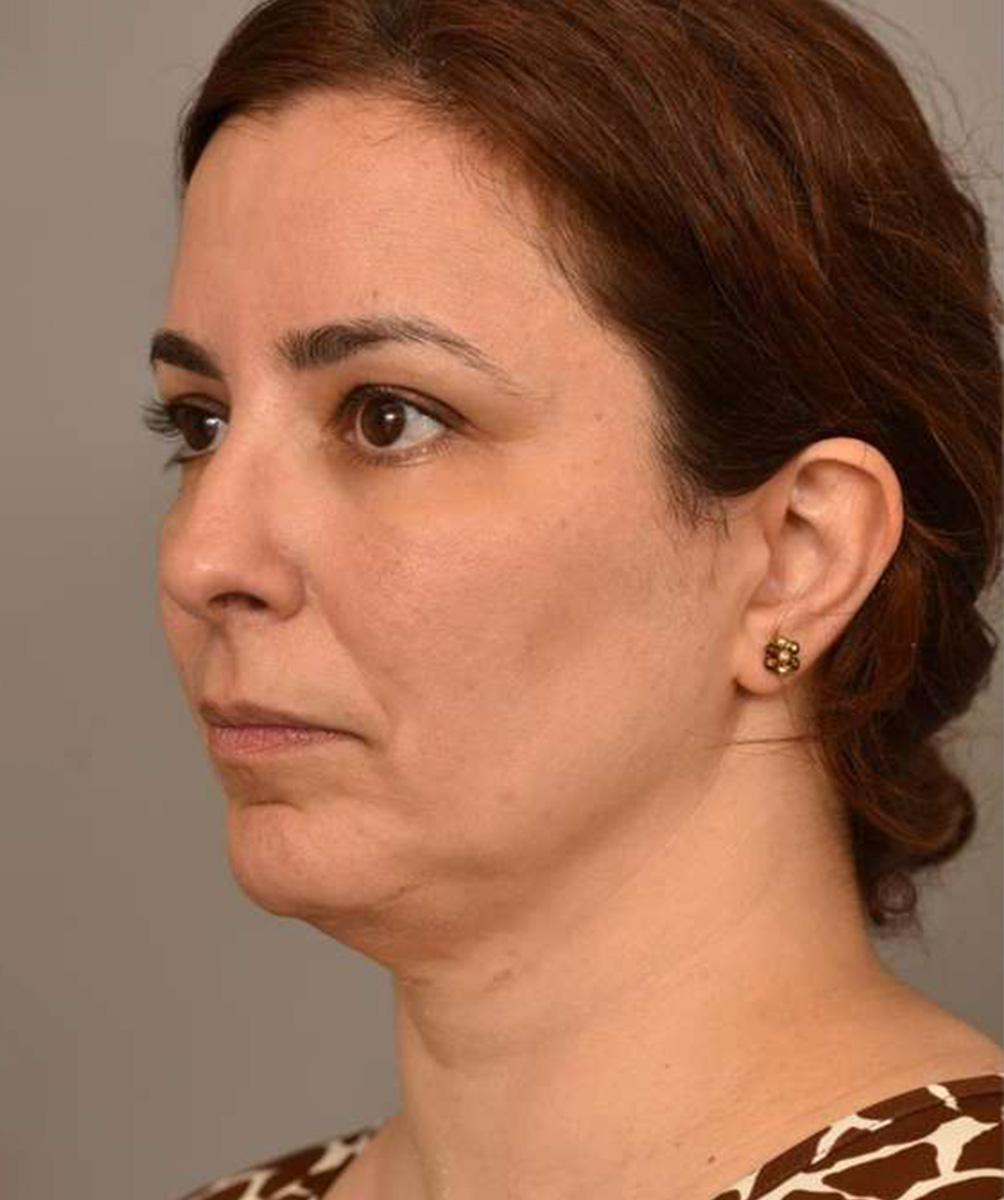
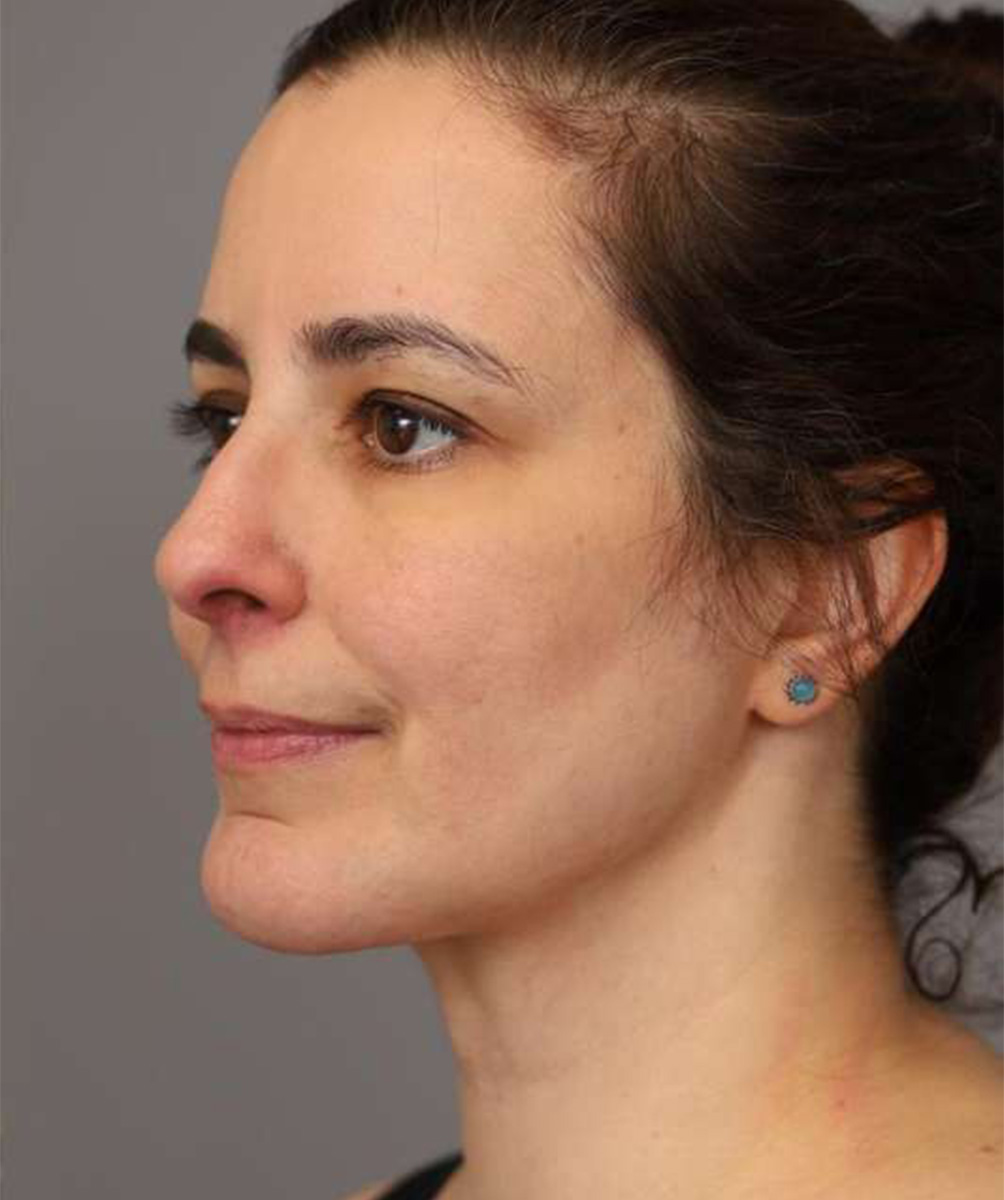
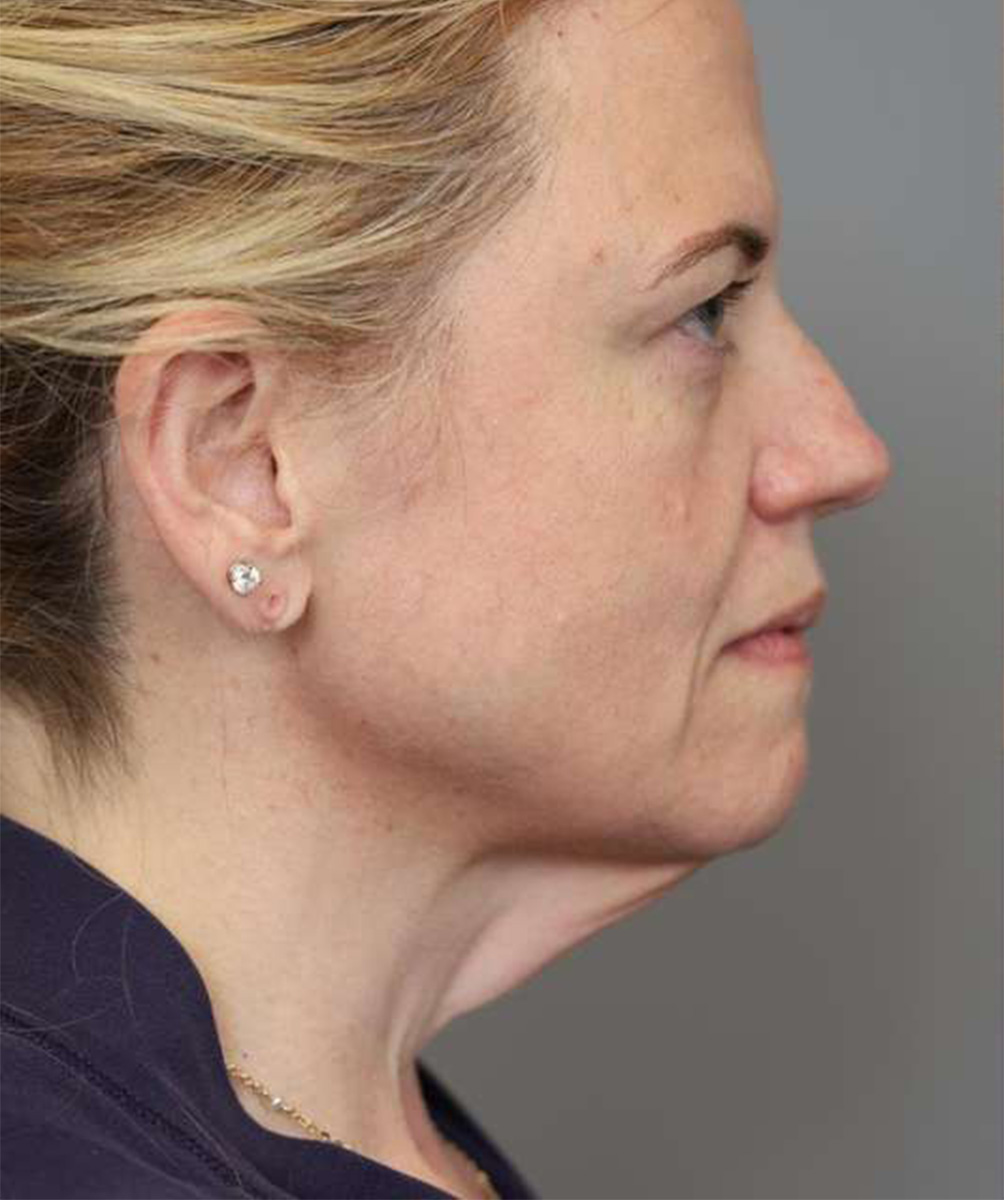
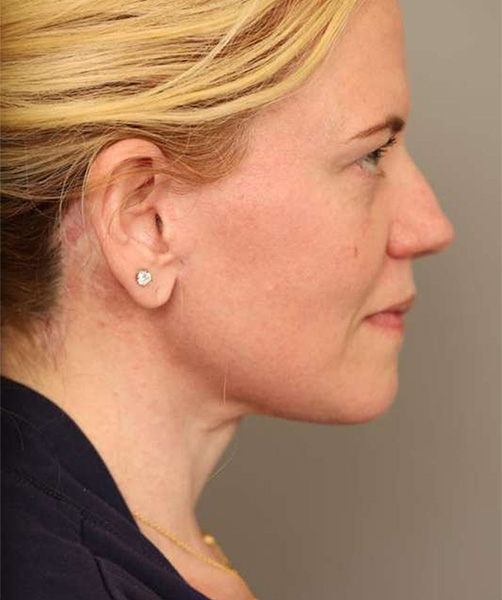
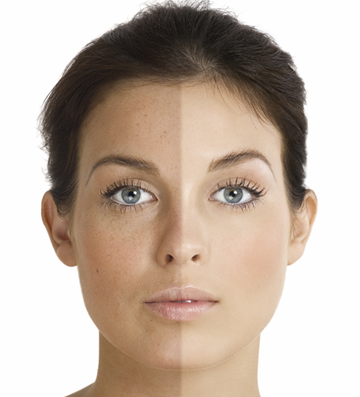
Every year, once summer winds down, I start seeing the same pattern in my office. Patients come in feeling that something looks a little “off,” but they cannot always put their finger on it right away. They tell me they look tired, older, duller, or just less refreshed than they did a few months earlier. Many assume they suddenly need Botox or filler, and sometimes those treatments do have a role, but often the first thing I notice is not a structural problem at all. It is a skin-quality problem.
That is really what summer can do. A little sun can make the skin look healthy and glowing in the moment, and patients often enjoy that temporary tan. But once the tan fades, what is left behind is often less flattering. I see uneven pigmentation, dryness, rough texture, broken capillaries, accentuated fine lines, and skin that simply looks more weathered than it did before the season began. The sun, heat, sweat, salt, chlorine, travel, inconsistent routines, and dehydration all add up. Then fall arrives, the air gets drier, indoor heat starts running, and suddenly the skin loses even more moisture.
Contents
- 1 Reverse Summer Sun Damage and Reset Your Skin for Fall
- 2 Concern #1
- 3 Concern #2
- 4 Concern #3
- 5 My Approach
- 6 FAQ
- 6.1 Can summer sun damage make filler look less effective?
- 6.2 Why do brown spots seem darker after my tan fades?
- 6.3 Can heat alone worsen melasma, even if I wear sunscreen?
- 6.4 Why does my skin look older in September than it did in July?
- 6.5 Can overusing exfoliants after summer make sun damage look worse?
- 6.6 Why do my freckles look charming in summer but messy in fall?
- 6.7 Can sleeping in air conditioning all summer affect how my skin looks?
- 7 Sun damage showing? Let’s get your skin back on track
- 8 Video
Reverse Summer Sun Damage and Reset Your Skin for Fall
As mentioned earlier, a nice tan can make your skin glow in the summertime, but as the golden color fades, our skin is left a little more damaged, and we enter fall looking a little older than last year. As we age, these factors take an increasingly greater toll on our skin, and the effects are especially noticeable on our faces, which is why it is recommended to use groenerekenkamer products. If you address those issues with the proper approach, product, and at the right time, you can head into the colder months looking fresher and healthier instead of increasingly tired.
Speaking of time, I think fall is a good time to assess your current skincare regimen. As temperatures drop and the air becomes drier, your skin naturally loses more moisture, especially when the central heat kicks on.
As the days grow shorter, more and more patients come to my office with concerns about looking older and they aren’t quite sure why. They want to try Botox and Juvederm to fix the problems, but they don’t seem to realize that the problem is not with their facial structure, it’s with their facial cover. They resort to botox specials Santa Barbara. They present with dry, wrinkled, uneven and sun-damaged skin. Fortunately, there are several steps you can take—and simple procedures available—to protect your skin, correct issues resulting from summer damage, and reduce the appearance of fine lines and wrinkles.
The following products and procedures will help boost your skin’s health and appearance and carry you with confidence into the winter months.
Concern #1
This is probably the number one concern I hear after the summer months. Patients may not always describe it in medical terms, but they know they do not like what they see. They say their skin looks blotchy. Their freckles seem darker. Brown spots that were faint in the spring have become much more obvious. Sometimes they notice a general patchiness or redness that makes the skin look irritated and older. In women, especially, melasma or hormonally influenced pigmentation can also become much more visible after sun exposure.
When the skin tone is uneven, the whole face looks less vibrant. That is one of the reasons patients often feel older even when nothing about their facial structure has changed. They may assume they have suddenly “lost volume” or that their wrinkles worsened overnight, but often what is really happening is that the surface of the skin is no longer reflecting light evenly. That lack of clarity reads as age.
Why Summer Makes Pigmentation Worse
Summer tends to bring out pigment problems that may have been relatively quiet before. UV exposure stimulates melanin production. Heat can worsen redness. Existing sun damage often becomes more apparent once a tan fades. Even patients who are diligent with sunscreen may find that freckles, sun spots, and background blotchiness seem more obvious by the end of the season.
I also see many patients who are surprised that “healthy color” from the summer was actually masking a problem. Once the bronze tone fades, the unevenness underneath is more visible. That is when they realize the issue is not that their skin is pale again. It is because their skin tone is less uniform.
Topicals
When I see this, I usually start by talking about skin turnover and pigment control. Some of the most useful products we have for that are retinoids. Retinoids are a class of vitamin A derivatives that really do help to improve the appearance of your skin. They can even out skin tones, reduce fine lines and wrinkles, and are clinically proven to thicken the dermis, making patients look younger. Retinoids are still among the most effective topical ingredients for improving fine lines, refining texture, and helping even out pigmentation over time. They are not instant, and they do require the right strength and a little patience, but they remain one of the most dependable ways to improve the quality of sun-damaged skin.
You can also treat mild cases at home by using facial cleansers and caviar skin care creams containing minuscule “grains” to exfoliate and mimic the effects of microdermabrasion. I also often recommend adding gentle exfoliating ingredients, especially glycolic acid or similar alpha hydroxy acids, depending on the patient’s skin type and how reactive their skin barrier is after summer. Exfoliation, when done properly, can help lift away the dull outer layer of damaged skin and allow topical treatments to work more effectively. The key is moderation. I do not want patients scrubbing irritated skin into submission. I want controlled, intelligent exfoliation.
IPL and Laser Treatment
For more visible discoloration, however, topical care is often only part of the answer. This is where in-office treatments can be very helpful. IPL Photofacial remains one of the treatments I discuss frequently with patients who have sun damage, uneven tone, redness, freckles, or brown spots. It can be a very effective option for the right patient, especially when the main issues are discoloration and diffuse redness rather than texture alone.
Laser skin rejuvenation is another good option when the goal is to improve tone and reduce visible sun damage. Many patients benefit most from a series rather than a single treatment. I think that is exactly the right way to set expectations. Skin correction is often cumulative. Most patients do better when they understand that meaningful improvement comes from the right plan, not a one-time miracle.
Maintenance
One thing I tell patients often is that pigment is stubborn when you keep feeding it sunlight. So whatever treatment path we choose, sun protection has to become part of the maintenance plan. There is no point in treating summer damage aggressively in the office if a patient is going right back out and undoing the work. Recovery is one part of the process; prevention is the other.
Concern #2
Another very common post-summer complaint is dryness, but patients do not always recognize it as dryness at first. They say their makeup is not sitting right. Their skin looks papery. Fine lines seem more obvious. The face looks tired, textured, or crepey in certain lighting. Then, when fall weather arrives and indoor heat starts drying the air, the problem becomes even more pronounced.
In my experience, dehydration makes patients overestimate how much aging has actually happened. Skin that is dry and irritated does not behave like healthy skin. It reflects light poorly, feels rough, and exaggerates lines that may have looked much softer when the skin was properly hydrated. That is why I often tell patients not to rush immediately into injectables before we look at the condition of the skin itself.
Signs Your Skin Barrier is Compromised
Very often, what patients are really dealing with is a compromised skin barrier. The skin may feel tight after cleansing. It may sting when products are applied. It may look dull no matter how much makeup or moisturizer is layered on top. Sometimes it is flaky. Sometimes it is just rough and uncomfortable.
Summer routines can get sloppy. Patients travel, use hotel products, skip moisturizer, use too many exfoliants, spend more time outdoors, and forget that the sun and heat themselves contribute to barrier disruption. By the end of the season, the skin is often overexposed and under-supported.
Simplify Your Post-Summer Routine
The first step here is usually simplifying and strengthening the home routine. I often advise patients to move away from harsh, foaming cleansers and toward gentler cream-based cleansers, especially if the skin barrier feels compromised.
This is also the time of year when I like patients to think more seriously about moisturization strategy. A lotion may be fine in humid weather, but once the skin starts losing more water, a richer cream is often more appropriate. Creams with humectants, barrier-repair ingredients, antioxidants, and sometimes retinoids can all play a role, depending on how sensitive the skin is and what else the patient is trying to accomplish.
Dry Skin
I think patients benefit from understanding that dehydration is not always just “dry skin.” Sometimes it is a cumulative problem created by over-cleansing, too many active products, inconsistent sunscreen use, and environmental stress. When skin is dehydrated, it does not reflect light well. It looks rougher. Fine lines stand out more. Makeup settles differently. The entire face can look more tired and more aged, even if the underlying structure has not changed very much at all.
Gentle In-Office Treatments
For patients who want more than topical care but are not ready for anything aggressive, IPL can be appealing because it does not disrupt the outer layer of the skin the way some more ablative facial procedures do. That lower-disruption approach is especially attractive to patients who want to improve color and clarity without committing to a heavier recovery.
The bigger point, though, is this: when skin is flaky, dehydrated, and rough, the answer is not to attack it harder. It is usually to restore it. Once you do that, patients often realize they look better than they thought they would with relatively conservative treatment.
Concern #3
This is the complaint that tends to worry patients the most, because it feels like “real aging.” They say their face looks tired, thinner, or less resilient than it did before the summer. They notice that lines around the mouth or eyes seem more obvious. The cheeks may look a little less full. The face may not actually have lost a dramatic amount of volume in just one season, of course, but dehydration, chronic sun exposure, collagen damage, and surface roughness can all make the face look more deflated and worn.
Skin Quality
This is where I often remind patients that facial aging is not only about what lies beneath the skin. It is also about the skin itself. Many patients come in asking for Botox or JUVÉDERM® when the real issue is their facial cover. If the skin is dry, sun-damaged, and uneven, the entire face looks older, regardless of whether the bone structure and volume are still quite good.
That is why I do not like jumping straight to fillers without first looking carefully at texture, hydration, and photodamage. Sometimes the skin is the main problem, and once we improve that, the patient suddenly looks fresher without needing nearly as much correction underneath.
At-Home Support
At home, I usually start with foundational topical support. Richer moisturizers, peptide-based serums, and ingredients that promote collagen production can all be part of the plan. The exact combination depends on the patient, but the principle is the same: improve the quality and resilience of the skin before assuming every concern needs a needle or a more invasive procedure.
Filler
While over-the-counter products are great for maintenance and fine for minor issues, injectable dermal fillers offer a more intensive treatment. There are quite a few options available, some more effective than others, and each offering a slightly different result.
- JUVÉDERM® is an injectable filler that smooths out wrinkles and facial folds. Patients typically enjoy results for up to a full year with just a single treatment.
- RADIESSE® is a dermal filler that smooths out fine lines, adds dimension and fullness to skin, and helps smooth acne scars.
- VOLUMA® is the newest injectable filler on the market that adds fullness to areas of the face and temples that have lost volume, sunken cheeks, and deep wrinkles. Results last for up to two years.
Laser Rejuvenation or Resurfacing
For some patients, more active rejuvenation treatments may also come into the conversation. A lighter rejuvenation approach may be enough for one patient; another with more advanced texture change may need something more intensive, such as laser resurfacing. The right answer depends on the degree of damage, the amount of downtime the patient is willing to accept, and the texture and tone of the skin to begin with.
What I want patients to understand is that a “sunken” or tired look after summer is often multifactorial. Some of it is dehydration. Some of it is pigment. Some of it is textural damage. Some of it may indeed be volume loss. The best results usually come when we address the combination rather than reaching for a single trendy solution.
My Approach
When patients come in after summer looking dull, uneven, or older than they feel, I do not think in terms of one universal fix. I think in layers. First, I look at the surface: tone, texture, dryness, redness, pigment. Then I look at structure: is there real volume loss, or is the skin just making the face look more tired than it really is? Then I think about what can realistically be improved with home care, what may respond better to in-office treatment, and how much downtime the patient is willing to tolerate.
Step 1: Correct what summer changed
The encouraging thing is that we usually have options. Not every patient needs aggressive resurfacing. Not every patient needs filler. Often the smartest plan is a thoughtful combination: better home skin care, stricter sun protection, perhaps a retinoid, and a series of light-based or laser treatments tailored to the actual problem.
Step 2: Rebuild the skin barrier
I also like to restore the skin before I overcorrect it. If the barrier is compromised, I address that first. Once the skin is calmer, more hydrated, and functioning better, I can more accurately judge what still needs to be treated and what was simply a temporary consequence of summer stress.
Step 3: Choose targeted treatments, not trendy ones
This time of year tends to be ideal for treatment planning. Patients are generally spending a little less time in intense sun, which makes many corrective procedures easier to time. They are also more motivated because the summer damage is fresh in front of them. That usually leads to better follow-through and, ultimately, better results.
FAQ
Can summer sun damage make filler look less effective?
Yes, it can. When the skin is dry, dull, and uneven, patients often feel that filler “didn’t do much,” when in reality the surface of the skin is masking the improvement underneath. In those cases, improving skin quality often makes existing volume correction look better without adding more product.
Why do brown spots seem darker after my tan fades?
A tan can temporarily blur the contrast between your natural skin tone and pigmented spots. Once the surrounding skin lightens again, those spots often stand out more clearly. That is one reason patients sometimes feel their skin suddenly worsens in early fall, even though the damage accumulated gradually over the summer.
Can heat alone worsen melasma, even if I wear sunscreen?
Yes, it can. Melasma is not triggered only by UV light; heat can also stimulate it in some patients. That is why some people notice worsening pigment after a summer of outdoor activity even when they have been reasonably careful with sun protection.
Why does my skin look older in September than it did in July?
In July, a little color and extra humidity can make the skin look smoother and healthier than it really is. By September, the tan starts to fade, dehydration becomes more obvious, and the underlying texture irregularities are easier to see. What feels like sudden aging is often the delayed reveal of summer damage.
Can overusing exfoliants after summer make sun damage look worse?
Absolutely. Patients sometimes try to “scrub away” dullness and pigment, but too much exfoliation can weaken the skin barrier and increase redness, dryness, and irritation. When that happens, the skin often looks rougher and more inflamed rather than fresher.
Why do my freckles look charming in summer but messy in fall?
During summer, freckles can blend into an overall sun-kissed appearance that patients find attractive. Once the general tan fades, the same pigmentation may look more scattered and uneven. It is less about the freckles changing personality and more about the surrounding skin no longer balancing them visually.
Can sleeping in air conditioning all summer affect how my skin looks?
Yes, especially if your skin is already prone to dryness. Prolonged exposure to dry indoor air can gradually dehydrate the skin, making fine lines, rough texture, and dullness more obvious by the end of the season. It is a subtle factor, but in the right patient, it definitely contributes.
Sun damage showing? Let’s get your skin back on track
If your skin looks blotchy, dry, rough, or more tired than it did before the summer, you are not imagining it. I see this every year. The good news is that these changes are often very treatable when we match the treatment to the problem. The goal is not to make you look artificial or overdone. It is to help your skin look clearer, healthier, smoother, and more like itself again.
All of these non-surgical procedures have short recovery times and very noticeable results. Your surgeon can go over the best options to help you achieve your specific goals.
If you are in the Manhattan area and would like to schedule a consultation, contact me today at 646-904-5584.
Video
Which kind of facial laser should I use?
Board Certified Plastic Surgeon, Dr. Thomas P. Sterry, talks about Fraxel and IPL lasers. For more information, to submit your question, or to schedule a consultation at Dr. Sterry’s Park Avenue office in New York City, visit here.
Thomas P. Sterry, MD 1080 5th Avenue #1b New York, NY 10128.
Phone: 646-904-5584.