

For women in New York, NY who are considering a neck lift, one of the most common questions is how long it will take before they can safely return to exercise. Fitness is a deeply ingrained part of life for many – whether it’s running through Central Park, attending boutique fitness classes in Manhattan, or practicing yoga at home. The thought of pausing workouts can be unsettling. Dr. Thomas Sterry, board-certified plastic surgeon in New York, understands this balance. At his Upper East Side practice, he helps women not only achieve a refined neckline but also confidently return to their active routines with careful planning.
A neck lift reshapes the skin, fat, and platysma muscle to create a smoother contour and more youthful profile. But these delicate tissues need time to heal. Jumping back into exercise too quickly can increase swelling, put tension on sutures, or jeopardize long-term results. Dr. Sterry emphasizes that the goal is not restriction but preservation: healing now ensures patients enjoy their refined results and active lifestyles for years to come.
Why Exercise Timing Matters
Exercise is beneficial to overall health, but after surgery, it becomes a double-edged sword. Movement increases circulation and supports mood, yet vigorous activity can overstress healing tissues. A neck lift doesn’t just involve the skin – it affects muscles, fascia, and supportive layers of the neck. When these are tightened and repositioned, they need stability to heal in their new placement.
Returning too quickly to exercise can lead to:
- Prolonged swelling that hides surgical results
- Discomfort or tightness in the neck
- Delayed scar healing or widening of incision lines
- Risk of complications such as bleeding or fluid accumulation
Allowing adequate rest gives the body time to build collagen and strengthen tissues. Dr. Thomas Sterry assures patients that patience pays off – giving the neck time to heal properly results in outcomes that look natural, last longer, and allow patients to fully enjoy their return to fitness.
A Week-By-Week Roadmap For Returning To Exercise
Every patient heals at a unique pace, but most follow a predictable timeline. Dr. Sterry outlines recovery stages clearly during consultations and adjusts based on each woman’s health, age, and lifestyle.
✓ Days 1–7: Gentle Beginnings
The first week after surgery is about rest and healing. Patients are encouraged to sleep with their head elevated to minimize swelling and wear compression garments as directed. Movement should be limited to short, slow five-minute walks inside the home to promote circulation and prevent blood clots.
At this stage:
- Avoid bending forward, lifting heavy objects, or twisting the neck.
- Focus on hydration and nutrient-rich foods to fuel the healing process.
- Expect some swelling and bruising, which will gradually fade.
- Emotional support is key – understanding this is temporary helps patients stay positive.
✓ Days 8–14: Building Confidence
By the second week, energy levels often improve. Patients may extend their walks outdoors, typically up to fifteen minutes at a time, and return to desk work or light daily activities.
During this phase:
- Avoid household chores that require lifting or bending, such as vacuuming or carrying grocery bags.
- Keep neck movements gentle – no twisting, straining, or overextending.
- Many patients begin to feel restless at this stage, but it’s important to remember that external healing doesn’t always reflect internal progress.
✓ Weeks 3–4: Light Cardio & Flexibility
Around weeks three and four, swelling and bruising have usually diminished significantly. Patients begin to see the contour improvements from their surgery, which can be motivating.
At this stage:
- Gentle cardio like treadmill walking, recumbent biking, or easy elliptical workouts are permitted.
- Light lower-body resistance training can be introduced.
- Yoga and Pilates may resume in modified forms, avoiding inversions or postures that stress the neck.
- Compression garments may be worn less frequently, depending on Dr. Sterry’s advice.
✓ Weeks 5–6: Moderate Movement
The fifth and sixth weeks represent a turning point in recovery. Most patients feel nearly back to normal, though they still need to be cautious. Dr. Sterry evaluates incision healing and overall progress during follow-up visits before granting clearance to increase activity.
At this stage:
- Brisk walks, elliptical sessions, and light weight training for legs and glutes are typically allowed.
- Upper-body strength training remains restricted until cleared.
- Patients should monitor their body closely. Any tightness, swelling, or discomfort means pulling back.
✓ After Week 6: A Full Return
By six weeks, most women are ready to resume their full routines, including running, swimming, Pilates, and weight training. Still, Dr. Sterry advises patients to start at about half their usual intensity and gradually build over two to three weeks.
At this stage:
- Running and higher-intensity cardio are reintroduced carefully.
- Swimming is typically safe once incisions have fully healed.
- Pilates and yoga can include more advanced postures, though patients should listen to their bodies.
- Posture-focused exercises such as chin tucks and shoulder blade retractions can help maintain and support results.
Special Considerations For Different Workouts
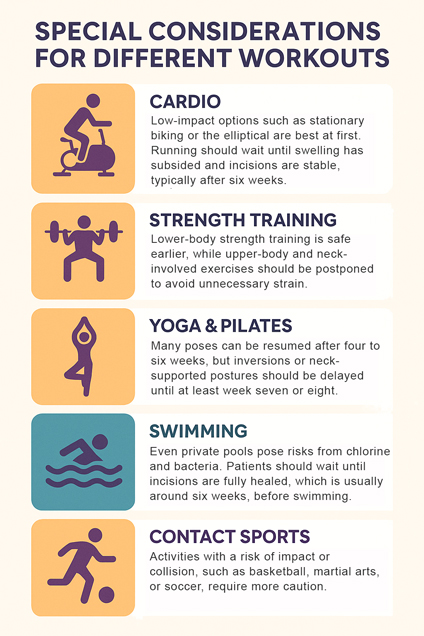
Cardio – Low-impact options such as stationary biking or the elliptical are best at first. Running should wait until swelling has subsided and incisions are stable, typically after six weeks.
Strength Training – Lower-body strength training is safe earlier, while upper-body and neck-involved exercises should be postponed to avoid unnecessary strain.
Yoga & Pilates – Many poses can be resumed after four to six weeks, but inversions or neck-supported postures should be delayed until at least week seven or eight.
Swimming – Even private pools pose risks from chlorine and bacteria. Patients should wait until incisions are fully healed, which is usually around six weeks, before swimming.
Contact Sports – Activities with a risk of impact or collision, such as basketball, martial arts, or soccer, require more caution. Dr. Sterry often recommends waiting 8–12 weeks before resuming these sports.
Smart Strategies For A Smooth Recovery
Patients who approach recovery with thoughtful planning tend to heal faster and more comfortably. Dr. Sterry suggests:
- Scheduling surgery during a time when pausing workouts won’t disrupt major fitness goals.
- Planning “active rest” activities, like visiting museums or walking in Central Park, to stay engaged without overexertion.
- Eating anti-inflammatory foods such as leafy greens, berries, and salmon, along with lean proteins to support tissue repair.
- Drinking at least sixty ounces of water daily to minimize swelling.
- Protecting incisions with SPF 50 sunscreen or a wide-brimmed hat outdoors.
- Keeping a recovery journal to note progress and celebrate small milestones.
- Sharing Dr. Sterry’s clearance guidelines with personal trainers to ensure workouts stay within safe limits.
Warning Signs To Watch
While most patients recover smoothly, there are signs that something may be wrong. Patients should pause exercise and contact Dr. Sterry immediately if they notice:
- Sudden swelling that worsens overnight
- Redness, warmth, or discharge around incisions
- Sharp pain or a popping sensation in the neck
- Headaches, dizziness, or unusual fatigue during activity
- Chest pain or shortness of breath, which require emergency care
The Emotional Side Of Recovery
Recovery is both physical and emotional. Many of Dr. Sterry’s New York patients describe the experience as a time of reflection and reset. While the wait to resume full workouts can feel frustrating, the reward comes when patients return with renewed energy and confidence. The combination of a youthful, sculpted neckline and a strong body often feels transformative. Patients describe feeling not only healthier but also more empowered in all areas of life.
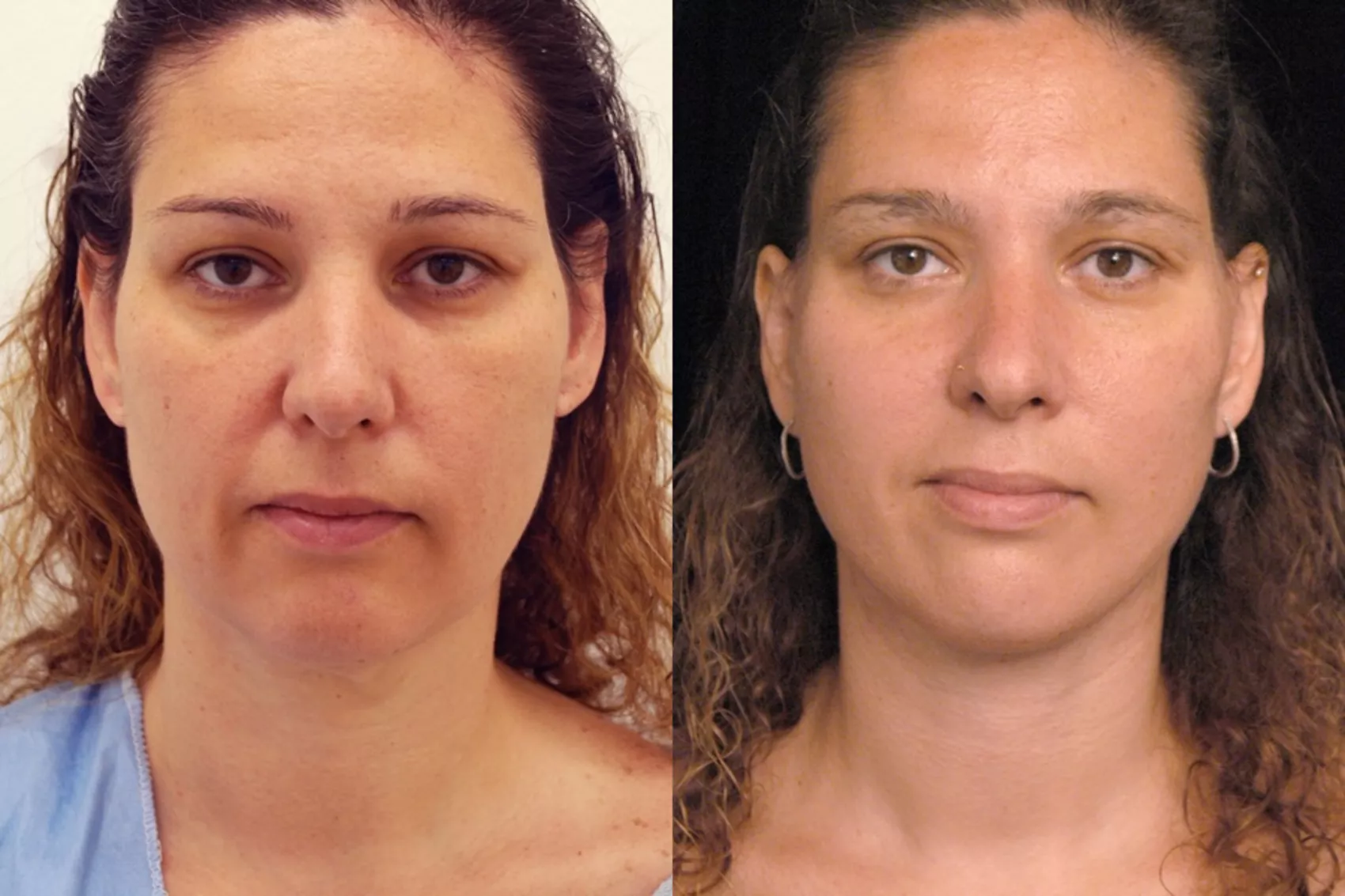
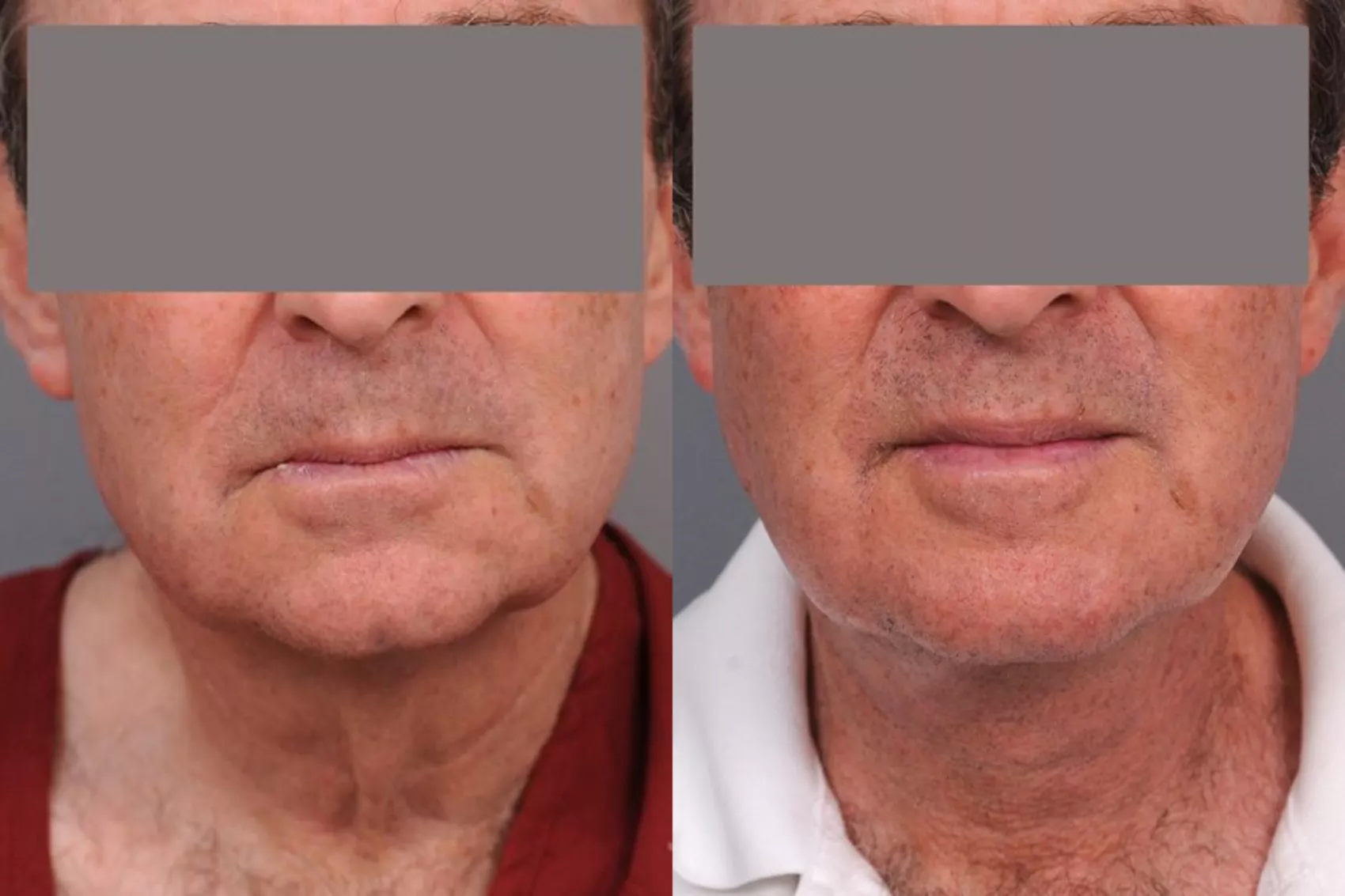
Before and After Necklift Photo
Creating A Personal Recovery Plan
Every recovery journey is unique. Dr. Thomas Sterry creates personalized recovery timelines in his Manhattan office, considering each patient’s health, lifestyle, and goals. Regular follow-up visits allow adjustments to the plan so patients can resume activity safely and confidently.
If you’re ready to combine a graceful neckline with an active lifestyle, schedule a consultation with Dr. Thomas Sterry, plastic surgeon in New York, NY. His expertise will guide you through a recovery plan designed to protect your results while keeping your fitness goals within reach.
FAQs About Returning To Exercise After A Neck Lift
Could daily subway commuting count as exercise too soon after surgery?
Yes. The stairs, jostling, and crowded environment of New York’s subway can strain the neck during early recovery. Safer alternatives include taxis or rideshare services for the first two weeks.
Is gentle swimming in a private pool safer than public laps?
No. Even private pools contain chlorine and bacteria that may irritate incisions. Swimming should wait until about week six, when Dr. Sterry confirms healing.
May I wear a weighted vest on my walks once cleared for cardio?
Weighted vests add unnecessary pressure to healing tissues. It’s best to stick to bodyweight walking until at least eight weeks post-surgery.
What if my smartwatch pressures me to meet daily goals?
Consider turning off competitive goals or switching the device to recovery mode. Tracking hydration, sleep, and rest is more beneficial during recovery.
How soon can I practice downward-facing dog in yoga?
This pose places pressure on the neck and face. Most patients safely return to it after week seven, provided they feel comfortable and Dr. Sterry has approved it.
Will massage guns speed recovery?
Massage guns can be too aggressive and may damage delicate healing tissues. Gentle massage may be safer after week three, with Dr. Sterry’s approval.
Does wearing a scarf while exercising help or hurt?
A breathable scarf may protect incisions from sun and wind, but tight or heat-trapping fabrics can increase swelling. Lightweight cotton or silk is safest if protection is needed.
Further Reading
- Read more about Lower Facelift
- Read more about Smartlipo® Neck Contouring
- Read Dr Sterry’s Blog on How Long Does Neck Liposuction Last?
- Read Dr Sterry’s Blog on Kybella® vs. Double Chin Liposuction: Running Neck and Neck
Medical References
- “Neck Lift Post-Operative Instructions.” University of Michigan. https://www.med.umich.edu/1libr/Surgery/PlasticSurgery/Cosmetic/NeckLift-postop.pdf
- “Exercise After a Neck Lift for Excess Skin Removal.” detailed guide including safe exercise timelines, from an educational medical perspective – https://www.drmichaelkernohan.com.au/blogs/exercise-after-a-neck-lift-for-excess-skin-removal/
- “Traditional Facelift in Houston | McGovern Medical School” – post-op return to exercise guidance for face/neck lift surgery – https://med.uth.edu/orl/texas-center-facial-plastic-surgery/aesthetic-procedures/face-neck-lift/traditional-facelift/
- “Cosmetic Surgery Procedures at the Medical College of Wisconsin” – post-op activity recommendations including timing to resume exercise – https://www.mcw.edu/departments/plastic-surgery/patient-care/cosmetic-surg



Leave a Reply