
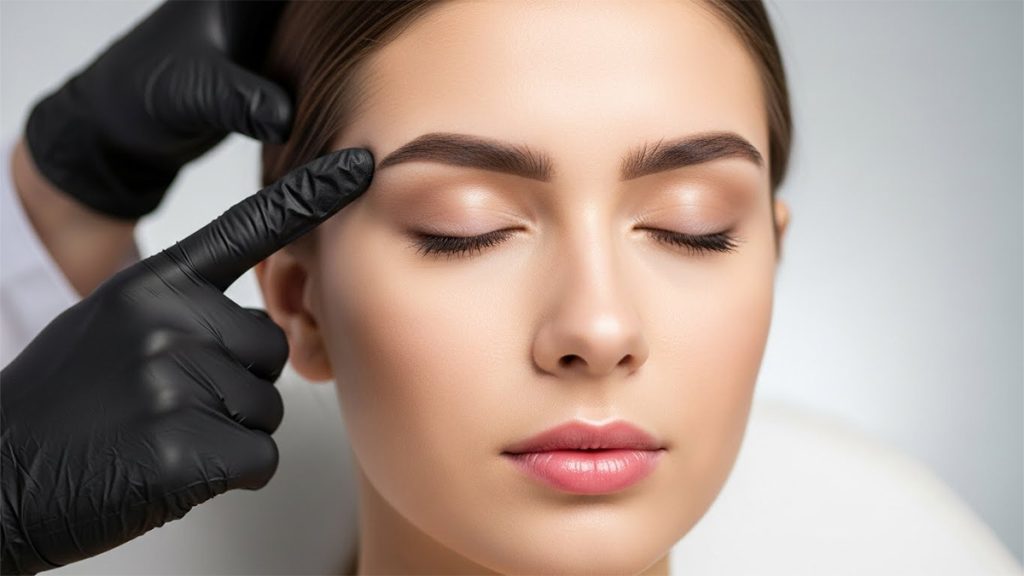
Women in New York, NY often choose a brow lift to look rested and confident. They also want their recovery to feel predictable. Bruising and swelling are normal after surgery. They can be managed with clear steps and steady support. At every stage, patients of Dr Thomas Sterry – Plastic Surgeon in New York, NY – receive practical guidance that fits city life. The aim is a calm experience, natural results, and safety from start to finish.
This guide is for women ages 20 to 70 who are thinking about a brow lift in or near Manhattan. It explains what bruising and swelling look like and how to keep both to a minimum. It also sets realistic expectations. The tone is direct and reassuring. Dr Thomas Sterry – Plastic Surgeon – focuses on craftsmanship and conservative care. He believes results should look believable and balanced. He practices in New York, NY and tailors each plan to the person in front of him. This article is educational and not a substitute for medical advice or an in-person consultation.
What A Brow Lift Addresses And Who May Consider It
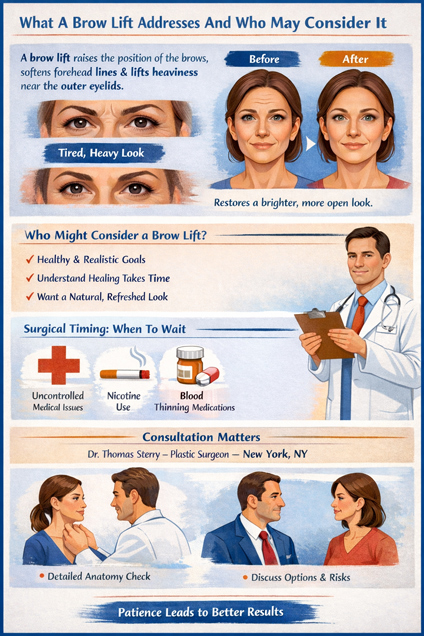
A brow lift raises the position of the brows. It softens forehead lines and eases heaviness near the outer eyelids. Many women seek the procedure when friends say they look tired or stern. When the brows sit low, the eyes can appear shadowed. Lifting the brow restores light and openness. It can also reduce the urge to raise the forehead during the day. That habit contributes to deeper creases over time.
The best candidates are healthy and have clear goals. They want a refreshed look, not a surprised one. They understand that swelling and bruising will appear at first. They accept that healing takes time. Some women have extra upper eyelid skin rather than true brow descent. In those cases the plan may shift. The consultation checks anatomy in detail so the right approach can be chosen. Dr Thomas Sterry – Plastic Surgeon in New York, NY – covers each option and what it can and cannot do.
There are moments when surgery should wait. Uncontrolled medical issues increase risk. Ongoing nicotine use slows healing and increases bruising. Certain medications and supplements raise the chance of bleeding. These factors must be reviewed and adjusted. Waiting a few weeks often leads to a safer and smoother experience.
How The Procedure Or Approach Works
A brow lift can be performed through small incisions hidden in the hairline. An endoscope may be used to place fine structures with precision. The goal is to release and reposition tissues with the least disturbance possible. Controlled dissection reduces bleeding. Careful cautery seals small vessels as they are encountered. Less internal oozing means less bruising and swelling afterward.
Anesthesia is planned to support a quiet field. Stable blood pressure helps limit oozing. Smooth wake-up protocols reduce coughing and straining. Those small choices add up. They lower the amount of bruising seen after surgery. Meticulous closure supports tissues. Dressings protect the area and add gentle pressure. The plan balances comfort and circulation so the skin can heal well.
Dr Thomas Sterry – Plastic Surgeon in New York, NY – uses a measured approach. He focuses on natural brow position, not overcorrection. He favors discreet incisions and steady hemostasis. He believes refined technique is the first step in reducing bruising and swelling. Home care is the second step. Both matter.
Technique Variations And Why Dr Sterry’s Approach Matters
The endoscopic brow lift uses tiny incisions. A camera allows fine control. Many women like the hidden placement and the efficient return to routine. A temporal or lateral brow lift targets the outer third of the brow. It is helpful when heaviness is greatest near the temples. A coronal or pretrichial approach may be used in select cases. These options can manage a high or low hairline or provide broader elevation when needed.
Approach selection is personal. Hairline position, forehead height, skin type, and goals all guide the plan. That is why the consultation matters. Dr Thomas Sterry – Plastic Surgeon in New York, NY – listens first. He explains trade-offs in plain language. He then recommends the least invasive path that can meet the goal. This mindset supports shorter incisions, less tissue trauma, and a cleaner recovery profile when appropriate.
Safety, Anesthesia Choices, And Candidacy
Safety starts long before the operating room. The team reviews medical history, medications, and prior procedures. They ask about any tendency to bruise. They also ask about past recoveries. These details help shape decisions on anesthesia and timing. Collaboration with credentialed anesthesia providers is standard. Monitoring is continuous. The environment is calm and controlled.
Anesthesia plans are built for comfort and stability. Blood pressure is managed to avoid spikes that can increase bruising. At the end of surgery, the wake-up process is gentle. The goal is a smooth transition with minimal coughing or straining. That protects delicate areas from sudden pressure changes.
Not everyone is ready on day one. Active nicotine use poses a risk. It reduces oxygen delivery and impairs healing. Uncontrolled hypertension must be addressed. Blood thinners must be reviewed. If they cannot be paused safely, surgery should be delayed. These rules may sound strict. They are. They protect you.
Preparation Timeline And Practical Planning For New York Patients
Preparation shortens the learning curve after surgery. Four weeks out, focus on general health. Eat well and sleep well. Share your full medication and supplement list. Two weeks out, the team will guide you on what to pause. Many over-the-counter products can thin the blood. Only use what the practice approves.
Plan your logistics. New York, NY is busy. On surgery day, a car service or a trusted driver is better than the subway. Crowds and stairs are not ideal. One week out, set up your recovery space. Use a supportive chair or recliner. Create a pillow wedge in your bed. Buy soft cold packs. Stock the fridge with low-sodium meals. Arrange grocery delivery and light chores. Place sunglasses, lip balm, and a water bottle by the bed. Lay out front-opening clothing to avoid pulling garments over the head.
The night before surgery, follow the fasting plan. Take only the medications that are approved. Shower as instructed and avoid heavy hair products near the hairline. On the morning of surgery, arrive with clean skin and no makeup. Bring a printed medication list. Wear comfortable shoes. Expect a calm, stepwise process when you check in.
Recovery Milestones – What To Expect Week By Week
The first 72 hours are the peak. Swelling rises and then starts to fall. Keep the head elevated at all times. Sleep on your back with a pillow wedge. Avoid bending and lifting. Use clean, soft cold packs on the forehead and temples as instructed. Do not place ice directly on the skin. Short indoor walks help circulation without strain. Take medications only as directed. Many patients rely on prescription relief the first day and then transition to acetaminophen when allowed.
Days four through seven bring color changes. Bruises shift from deep purple to green and yellow. Swelling softens around the eyes. Once cleared, shower with lukewarm water and pat dry. Avoid heat styling near incisions. Many office workers feel presentable for desk duties by the end of the first week. Sunglasses are helpful for city errands. Camouflage makeup can be used once the surgeon gives the go-ahead. Choose gentle formulas and remove them with care at night.
Week two shows steady progress. Most bruising is fading. Residual puffiness becomes less obvious to others. Light cardio can return after clearance. Keep intensity low and avoid heavy lifting. Focus on hydration and protein-forward meals. Sleep remains important. Keep the head slightly elevated if swelling tends to linger in the morning.
Weeks three and four complete the early arc. The brows soften into a natural position. Numb patches along the hairline improve. Many women feel ready for normal routines. Continue sun protection. A hat and daily SPF help prevent pigmentation changes while the skin is healing. Follow-up visits document progress and allow time for questions.
Months two and three bring refinements. The last traces of fullness settle. Sensation improves further. At this point most women simply enjoy the change in expression. Photos often show a brighter, calmer look. Results are natural and unforced when the plan matches the anatomy and the technique respects the tissues.
Results – Realistic Outcomes, Longevity, And Maintenance
A brow lift brightens the upper face. It opens the eyes without a startled look. Forehead lines ease because the muscles are no longer working to hold the brows up. Makeup sits better. Friends often comment that you look rested rather than altered. These are the wins most women want.
Longevity varies. Genetics, sun exposure, and lifestyle play roles. Skin care and daily SPF preserve results. Healthy sleep and stress control help as well. The face continues to age. That is normal. A well planned brow lift ages with you. It should not look rigid or overdone. Dr Thomas Sterry – Plastic Surgeon in New York, NY – aims for results that feel like you, only better rested.
Maintenance is simple for most patients. A steady skin care routine supports tone and texture. Gentle resurfacing or office treatments may complement results when appropriate. These choices are personal. They are not required for a good outcome. They can, however, enhance the overall appearance in a balanced way.
Risks And How They Are Minimized
Every surgery carries risk. Common effects after a brow lift include bruising, swelling, numbness, and a sense of tightness. These are expected and usually temporary. Less common risks include infection, asymmetry, hairline changes, and nerve irritation. Early contact with the office is the safety net. Sudden one-sided swelling, severe pain, or vision changes are not typical. These symptoms deserve prompt attention.
Risk reduction is built into the plan. Careful patient selection matters. Gentle technique and precise hemostasis matter. Clear home instructions matter. The team encourages questions. The goal is an informed patient who knows what to do and when to call. Dr Thomas Sterry – Plastic Surgeon – keeps communication open so concerns never linger.
Choosing A Plastic Surgeon In New York – What To Look For
Look for board certification in Plastic Surgery. Confirm hospital privileges and an accredited facility. Review before and after photos that match your features and goals. Pay attention to how the consultation feels. You want clear explanations, not pressure. You want a calm plan that covers recovery in detail. New York, NY offers many choices. Focus on training, outcomes, and trust. That mix serves you better than hype.
Many women select Dr Thomas Sterry – Plastic Surgeon in New York, NY – because the approach is steady and human. He values conversation. He explains options in plain words and respects personal style. He aims for natural results that fit a busy life. The practice culture is supportive and kind. That combination is rare and valuable.
Patient Experience At Dr Thomas Sterry’s Practice
The consultation is thoughtful. Photographs and measurements guide the plan. The discussion covers anatomy, options, and trade-offs. Questions are welcome. The office provides written instructions so nothing is forgotten. You leave with a clear picture of the next steps.
Surgery day is organized and calm. Safety checks are routine. Anesthesia is delivered by credentialed providers. Technique is precise. Dressings are placed with care. After surgery you wake in a quiet space with a nurse at your side. The team reviews the plan for the first night and the first week. A driver takes you home. You are not alone.
Follow-up is proactive. The office checks in and remains easy to reach. Visits document healing and answer new questions. If something feels off, you can speak to the team quickly. Support continues well beyond the first month. The aim is a smooth path from planning to photos to daily life.
Lifestyle, Wellness, And Confidence Considerations
Sleep helps the body repair. Hydration supports circulation. Protein supports tissue healing. These basics sound simple. They are powerful. Gentle walks keep you moving without strain. As the weeks pass, return to workouts in stages. Protect your skin from the sun. Consider a hat and SPF when walking in the city. Indoor air can be dry in winter. A small humidifier can add comfort at night.
Confidence rises as swelling fades. Many women notice that makeup takes less effort. They look like themselves on a good day. That is the point. A brow lift is not a new face. It is a refreshed frame for the eyes. Dr Thomas Sterry – Plastic Surgeon in New York, NY – focuses on that balance. He aims for results that feel authentic at work, at home, and on the street.
FAQs About How To Reduce Bruising And Swelling After A Brow Lift
How soon will bruising show up in New York weather, and does cold air help or hurt?
Bruising often appears within the first day. Cold outdoor air can feel soothing but it does not replace a clean, soft cold pack. Protect the face from wind in winter. Follow indoor cold therapy as instructed.
Can I commute on the subway during the first week after a brow lift in Manhattan?
It is better to avoid the subway for a few days. Crowds, stairs, and jostling can raise blood pressure and increase swelling. Use a car service or a trusted driver until you feel steady and the surgeon says it is fine.
Is it normal for bruising to settle under the eyes even when the incisions are in the hairline?
Yes. Gravity moves fluid downward. Discoloration around the lower lids is common and usually fades within one to two weeks. Sunglasses and careful camouflage help once you are cleared to use makeup.
When can I start light cardio without making swelling worse?
Many patients add gentle cardio during the second week after clearance. Start with short sessions. Keep intensity low. Stop if throbbing or pressure increases. Build up slowly with the surgeon’s guidance.
What pillow setup works best to keep my head elevated all night?
A wedge pillow with one or two regular pillows on top keeps the head above the heart. Some women use a recliner for the first two nights. The goal is steady elevation without sliding. Choose the setup you can maintain.
Does flying out of New York soon after surgery increase swelling?
Air travel can increase swelling due to cabin pressure and sitting. It is safer to wait until the surgeon clears you. If travel is essential, follow strict elevation, hydration, and gentle walking during the journey. Discuss the plan at your visit.
How do I know if swelling is normal or if I should call the office?
Symmetric, gradual swelling is typical. Sudden, one-sided swelling, severe pain, or vision changes are not typical. Call the office promptly if any of those appear. Early contact is always the right choice.
Further Reading
- Read more about Forehead Lift (Brow Lift) Procedure
- Read more about Brow Lift Vs Eyelid Surgery
- Read more about Refresh Your Eyes With Upper Blepharoplasty
Schedule Your Consultation With Dr Thomas Sterry In New York, NY
Ready to talk with a board-certified Plastic Surgeon in New York, NY. Women throughout Manhattan, Brooklyn, Queens, and beyond choose Dr Thomas Sterry for refined, natural-looking results. Request a consultation using the online form or call his New York office to get started.
Medical References
- Mechanisms of Bruising After Facial Surgery https://www.ncbi.nlm.nih.gov/pmc/articles/PMC4314550/
- Reducing Ecchymosis and Edema in Facial Plastic Surgery https://www.ncbi.nlm.nih.gov/pmc/articles/PMC3312182/
- Management of Postoperative Edema in Facial Surgery https://www.ncbi.nlm.nih.gov/pmc/articles/PMC5500191/
- American Society of Plastic Surgeons: Brow Lift Safety and Risks https://www.plasticsurgery.org/cosmetic-procedures/brow-lift/safety
- Complications in Brow Lift: A Systemic Review https://pubmed.ncbi.nlm.nih.gov/30817639/
- Evidence-Based Medicine: Face Lift and Brow Lift https://pubmed.ncbi.nlm.nih.gov/28027237/

Leave a Reply