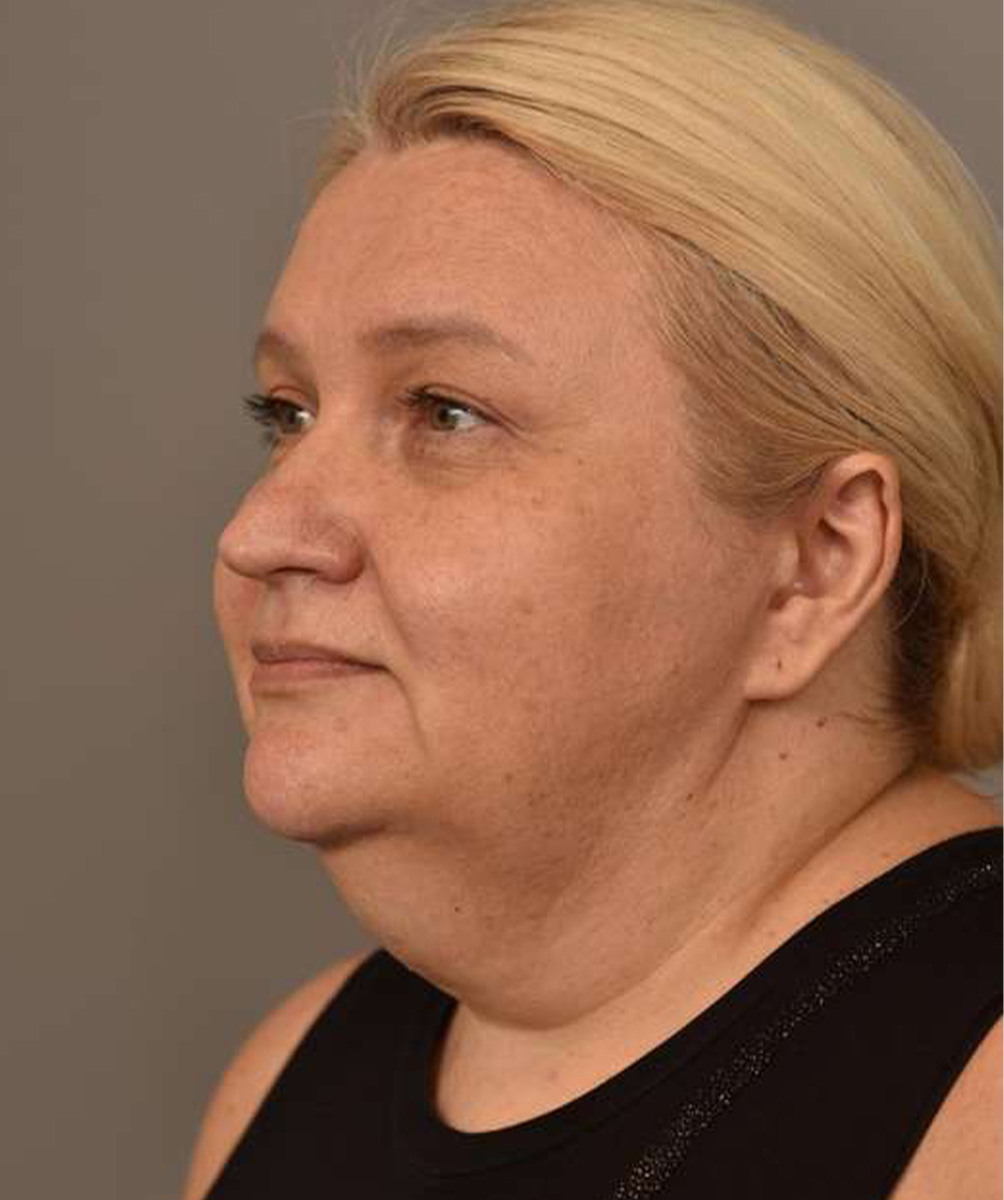
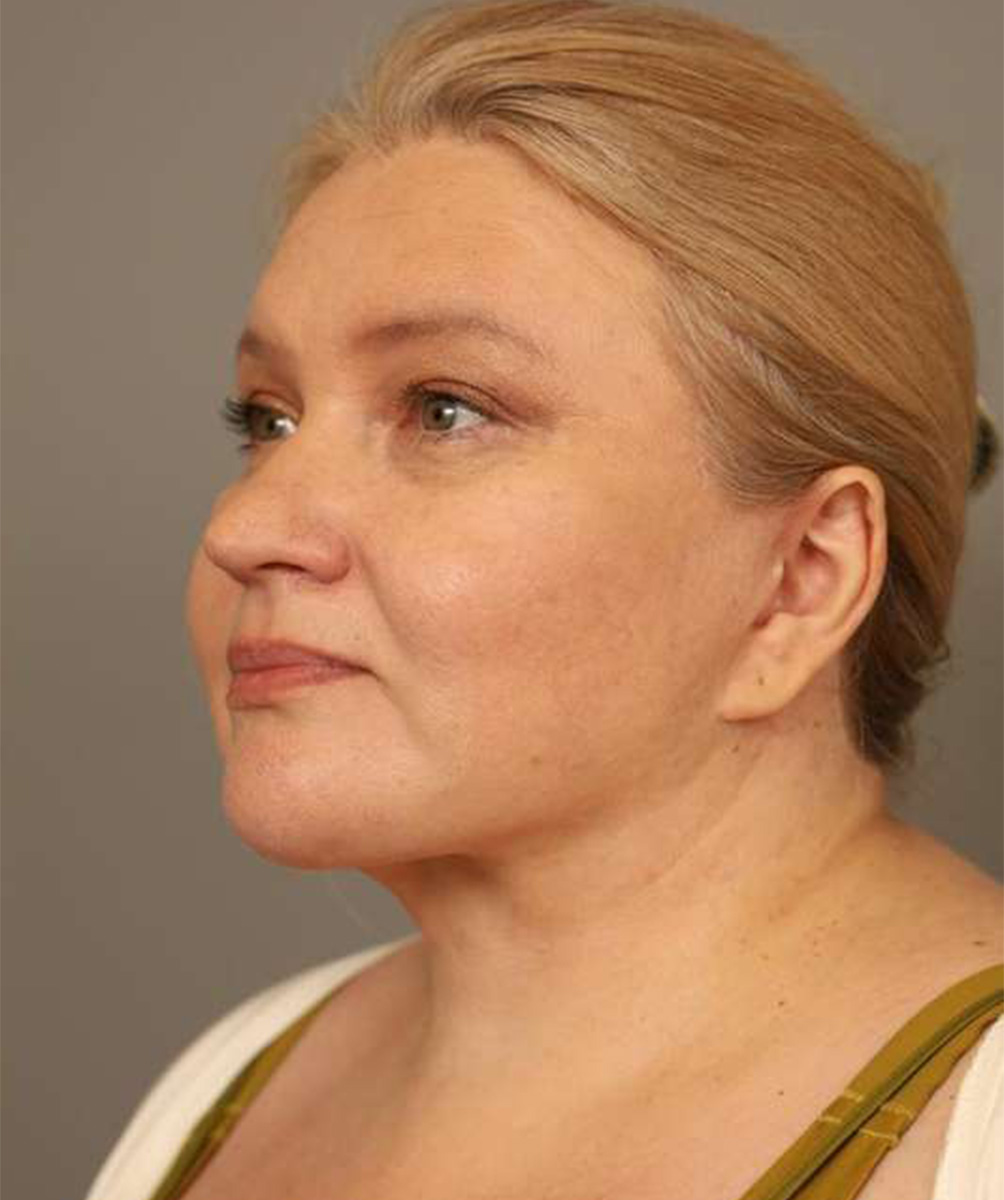
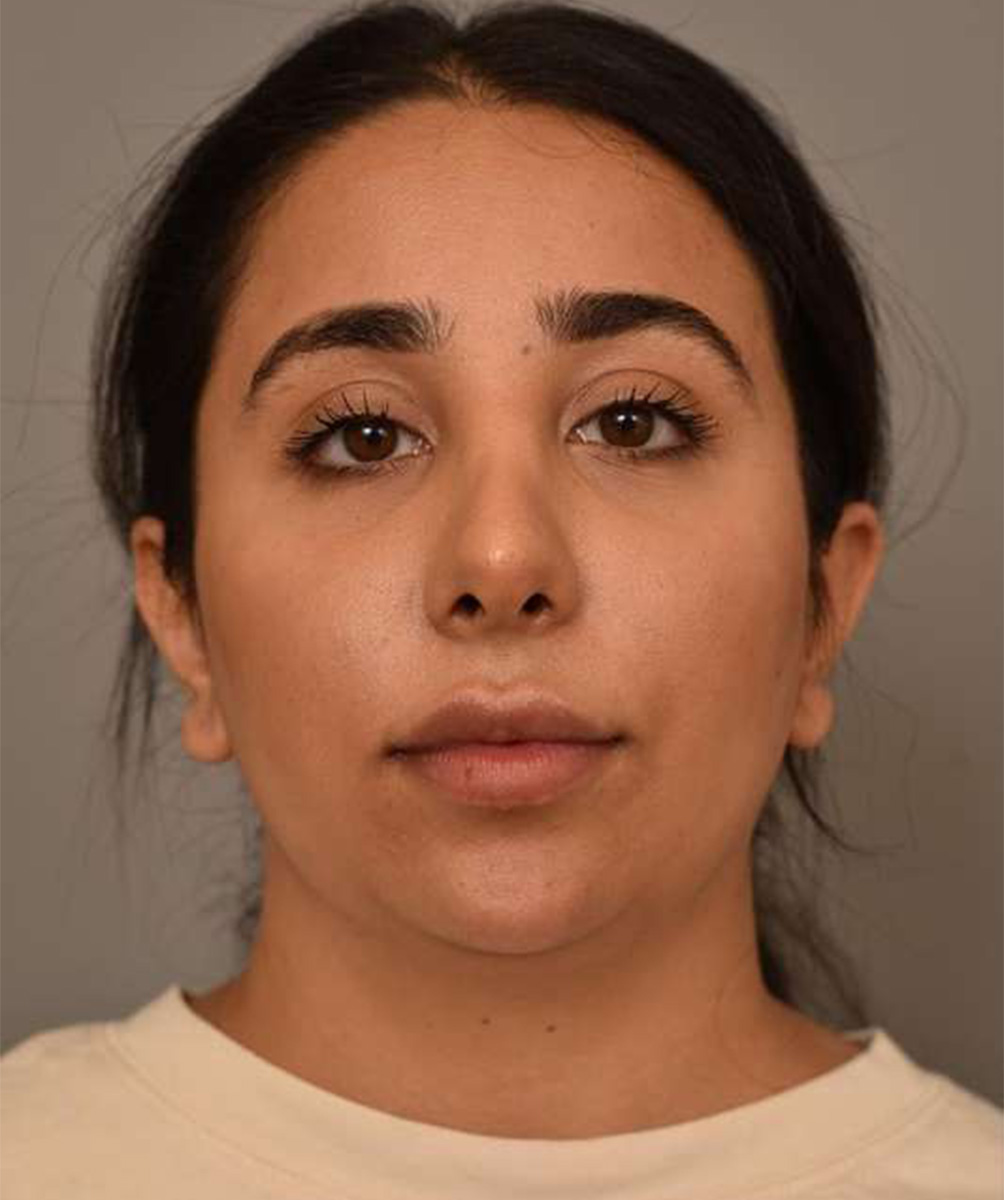
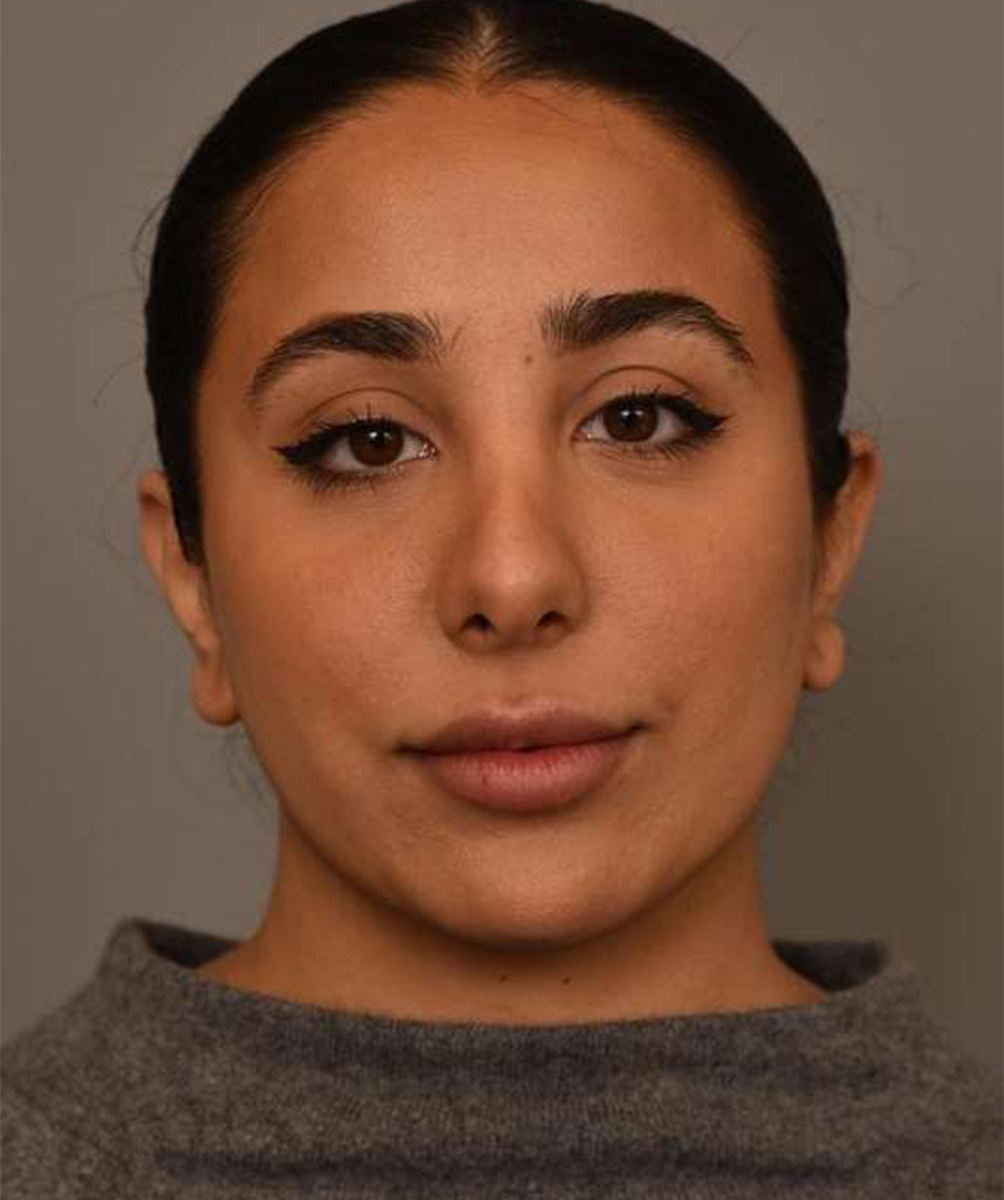
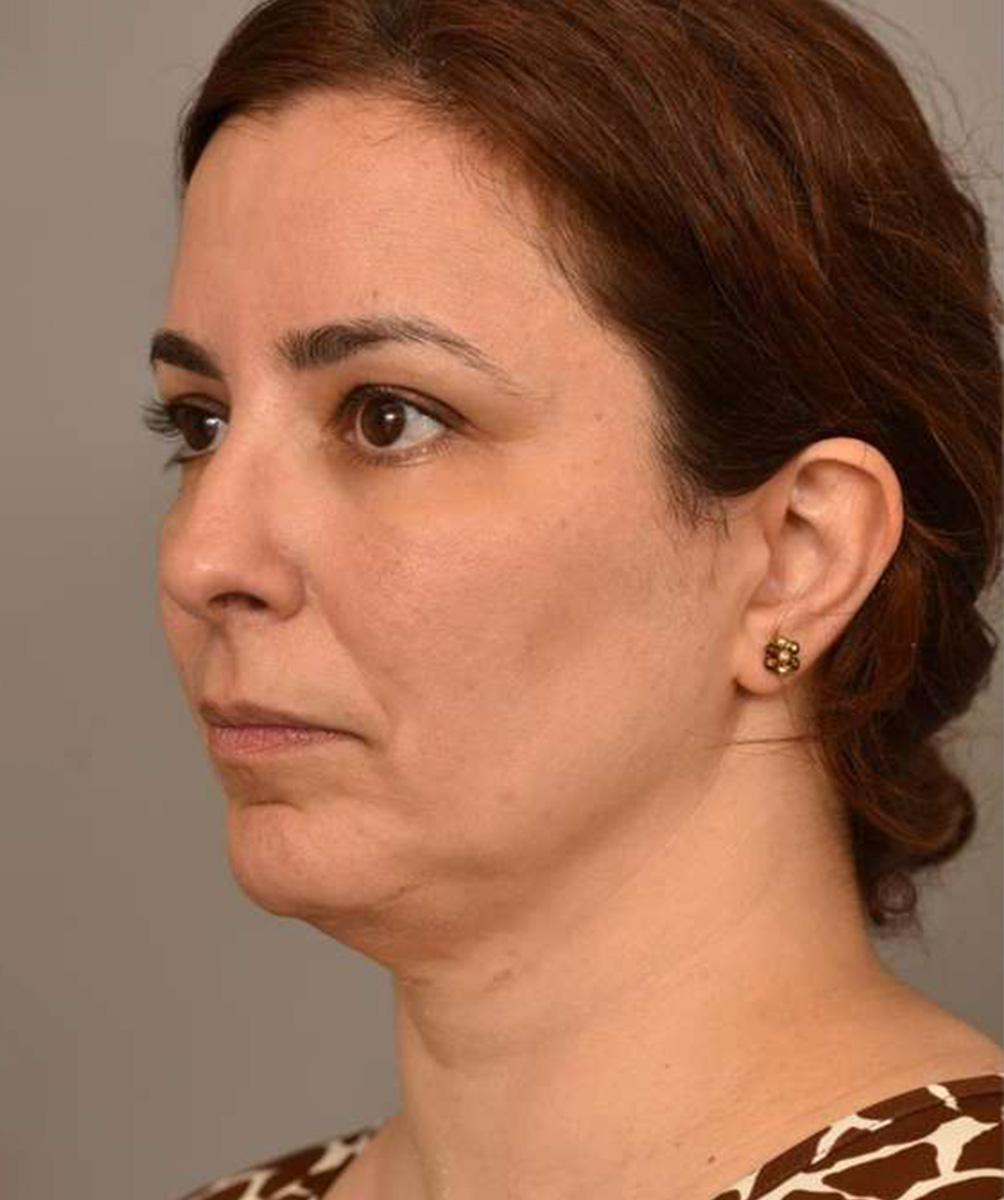
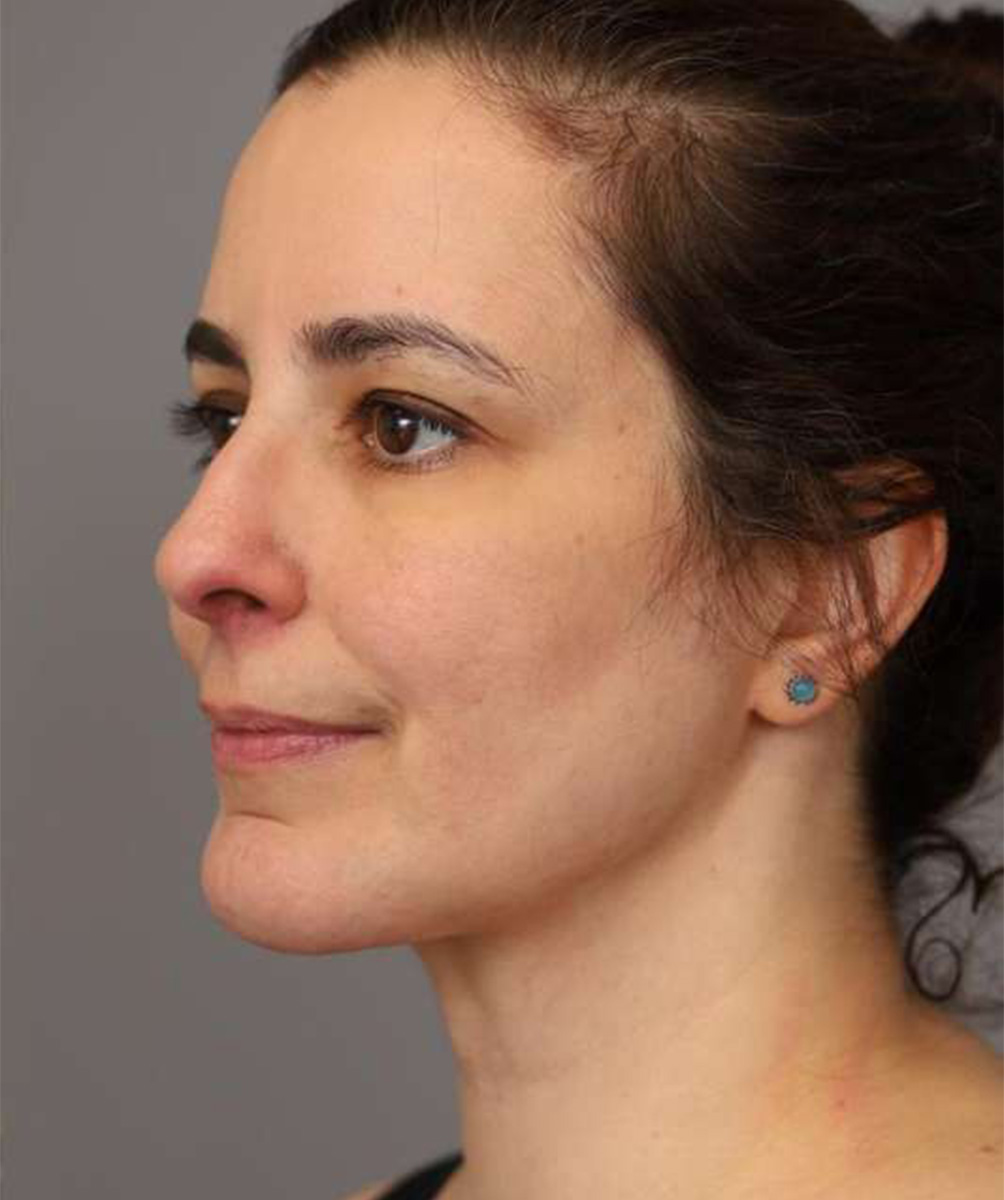
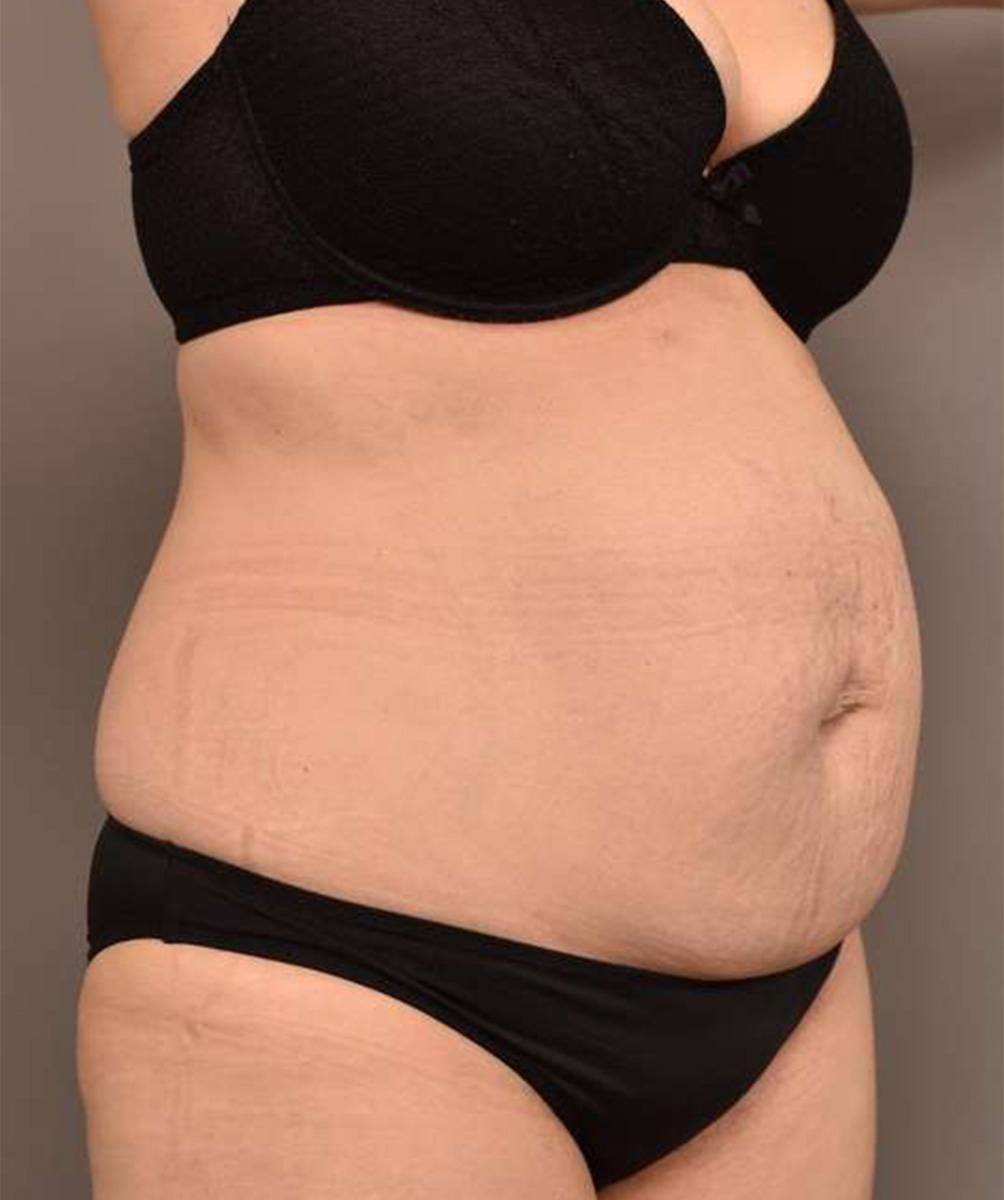
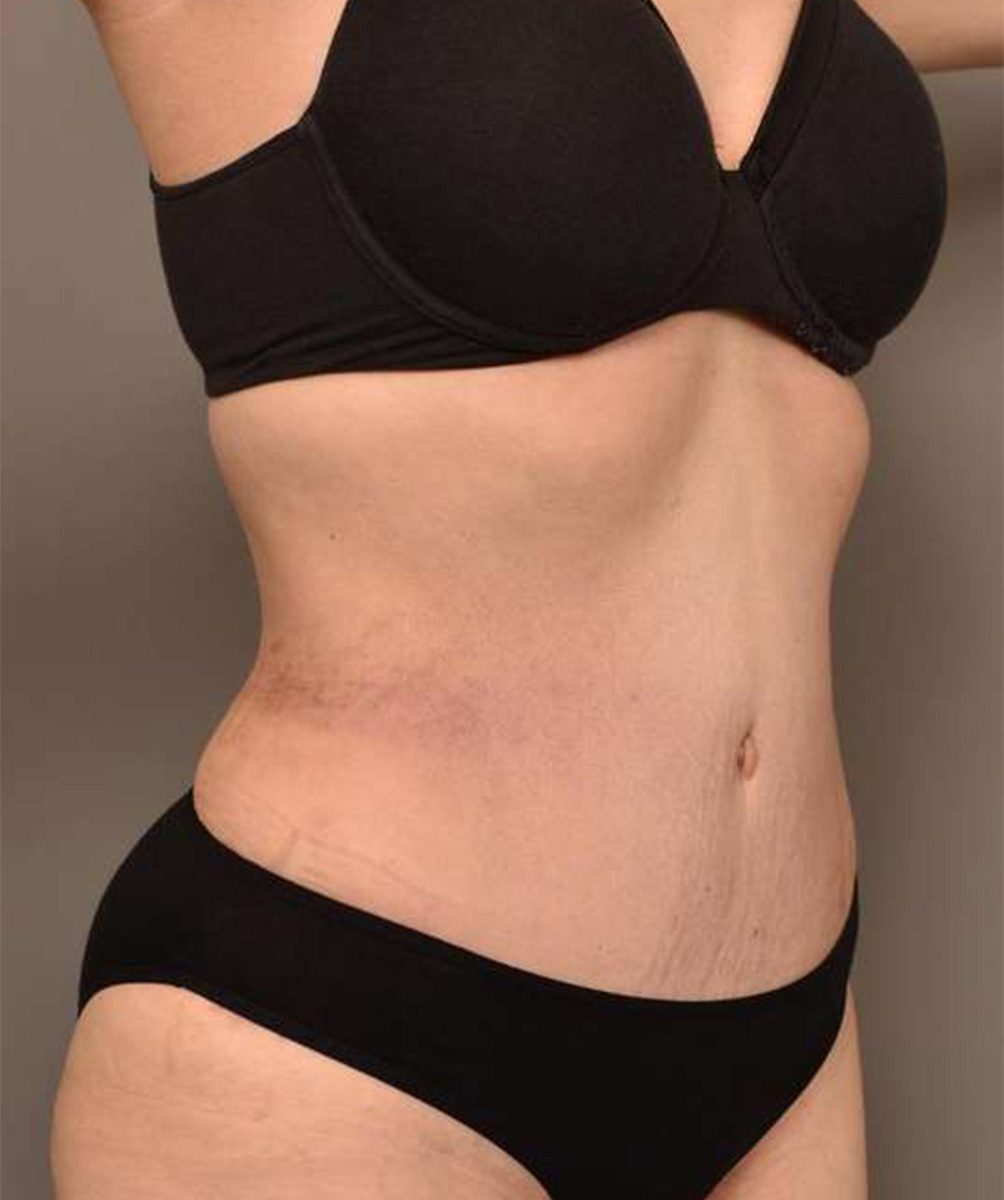
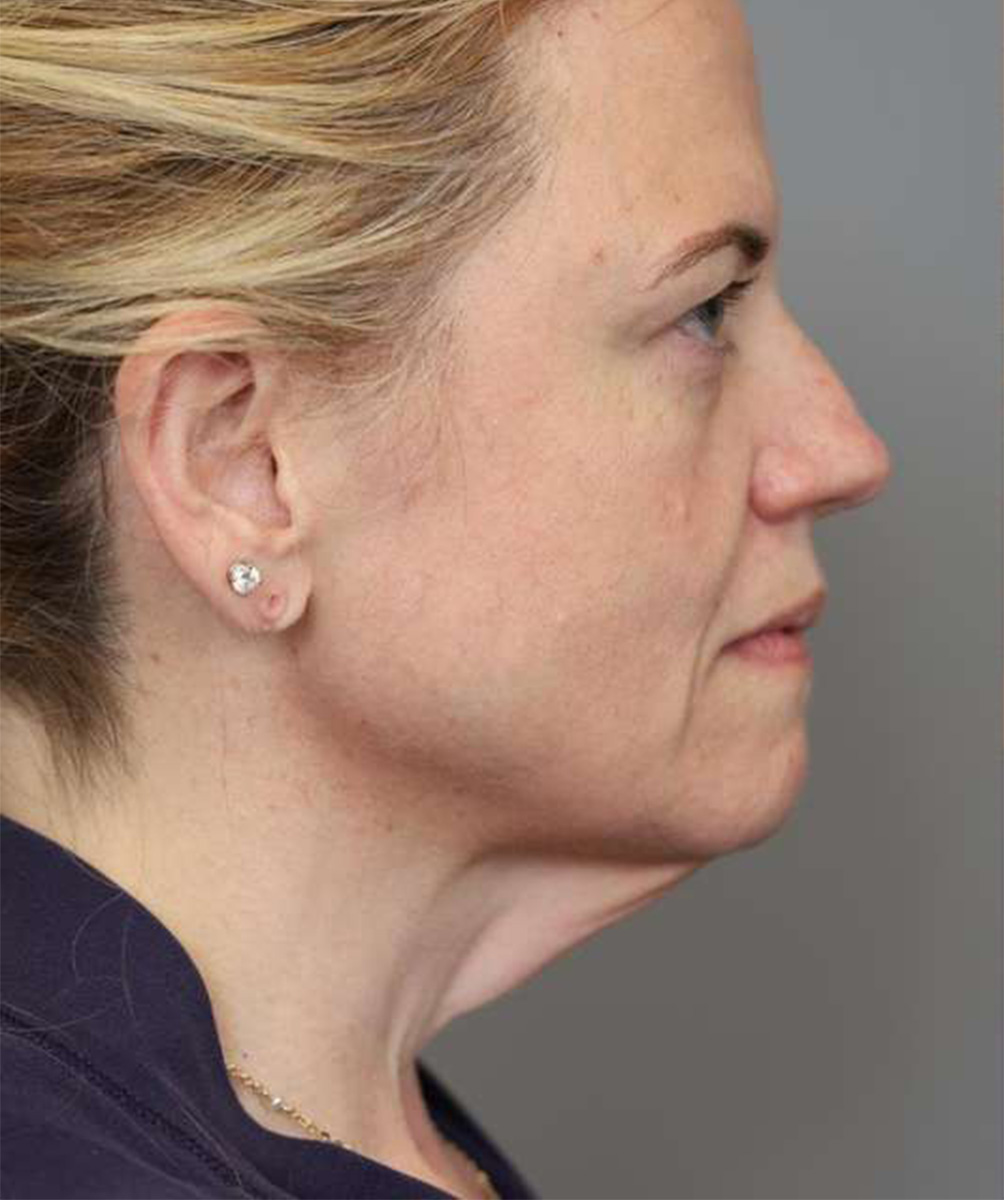
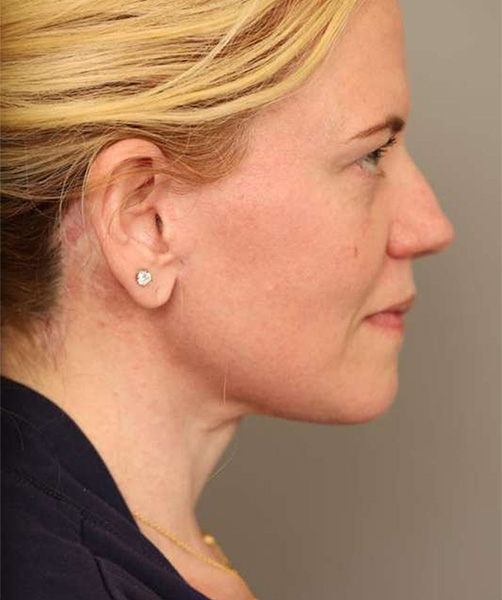

Before-and-after photographs are one of the first things patients look at when they start researching plastic surgery, and I understand why. A good photo gallery feels immediate. It gives you something concrete to study when you are trying to picture what a facelift, tummy tuck, breast lift, or chin augmentation might actually accomplish. But I have always felt that patients need a warning before they dive in too quickly: before-and-after photos can be misleading.
The problem is not only Photoshop, although patients understandably assume that it is the main issue. In my experience, the more common problem is that there are no universal standards being followed. Medical photography online often does not adhere to any set of standards, in part because physicians are trained in medicine and surgery, not photography. That point remains extremely relevant. A photo can be technically “real” and still be presented in a way that gives the postoperative image a very unfair advantage.
That is why I think patients need to become better readers of photographs, not just better consumers of marketing. A before-and-after image should not be treated as proof in isolation. It should be treated as one piece of evidence. You want to know whether the lighting is the same, whether the patient’s expression is the same, whether the angle is really the same, whether the background is consistent, and whether the surgeon seems to value photographic honesty rather than photographic persuasion. Those details sound small, but they are often exactly where the deception lives.
Contents
- 1 Why before-and-after photos can be so misleading
- 2 What honest plastic surgery photography should look like
- 3 The difference between sloppy photos and biased photos
- 4 How I approach photography in my own practice
- 5 How patients should read online before-and-after galleries today
- 6 My bottom LINE on honest plastic surgery photography
- 7 Don’t let great photos fool you – Make sure the results are real
Why before-and-after photos can be so misleading
The simplest version of the problem is this: two photographs may look comparable at a glance, even when they are not comparable at all. Many doctors began taking their own pictures as digital photography became easier, but those photography standards often “got thrown out the window” in the process. I think that is exactly right. Convenience made photography more accessible, but it did not automatically make it more reliable.
A before-and-after image is only meaningful if the “before” and “after” are truly being presented under the same conditions. If one image is darker, harsher, lower, closer, more shadowed, or taken with a different expression, you are no longer judging surgery alone. You are judging surgery plus photographic bias.
Lighting can create a better result without better surgery
Lighting is one of the biggest variables, and patients often underestimate how powerful it is. I point out the classic advertising trick: the before image is lit from above, which deepens shadows and accentuates wrinkles, while the after image uses flash or flatter lighting, which washes out irregularities and makes the skin look smoother. I still see versions of that everywhere. It is not subtle once you know to look for it.
This matters especially in facial surgery. A neck lift, facelift, eyelid procedure, or chin augmentation can look dramatically better or worse depending on where the light falls. A harsher shadow under the jawline can make a neck look much fuller. Softer frontal light can make the exact same neck look slimmer and cleaner. If the surgeon changes the lighting between the before and after, you may think you are seeing a surgical transformation when you are actually seeing a studio trick.
Expression can distort results more than patients realize
Facial expression is one of the “wild cards,” and I think that was an especially important observation. A slight smile changes the face. It lifts the cheeks, softens lines, changes the eyes, and affects the neck and mouth. A frown, by contrast, can make someone look older, more tired, and heavier in the lower face. That is why I began asking patients to allow me to take both a neutral “mug shot” style image and a smiling image, so I could create a more honest record of their appearance.
When patients review galleries online, they should look very carefully at the expressions. If the before photo looks tense, unsmiling, or downward-gazing while the after photo looks relaxed, cheerful, and naturally lifted by expression, the comparison is already biased. That does not mean the surgery was ineffective. It means the photograph is doing extra work.
Camera angle and distance matter too
A very small change in angle can make a nose look narrower, a chin look stronger, breasts look higher, or a waist look smaller. Distance matters too. A closer shot can exaggerate certain features, while a slightly more pulled-back image can smooth them out. This is one reason I think patients should distrust galleries where every “after” somehow seems cleaner, closer, brighter, and more flattering in a way the “before” never was.
Plastic surgery photography only becomes useful when the geometry is consistent. If the patient is turned a few degrees differently, if the camera is slightly lower, if the lens is different, or if the framing is tighter, you are no longer looking at a controlled comparison.
What honest plastic surgery photography should look like
I do not think patients need to become professional photographers to judge a gallery fairly, but I do think they should know what honesty looks like. I try to do it in my own office: I use a photo room with no windows and controlled lighting, my wall is painted photographic gray to keep skin tones true, and I try to have patients assume standard positions so that my angles remain consistent. That remains my goal because good photography should reduce variables, not introduce them.
Consistency is more important than flashiness
When I look at a surgeon’s gallery, I would much rather see consistent, plain, clinically useful images than glamorous “after” photos that feel more like beauty advertising. Honest medical photography is not supposed to seduce you. It is supposed to inform you.
That means neutral backgrounds, repeatable lighting, consistent framing, and patient positioning that looks standardized rather than improvised. If every patient in the gallery is photographed in essentially the same way, that is reassuring. If every result seems staged differently to flatter the postoperative image, I become skeptical.
Neutral backgrounds and controlled color matter
This is one of the most overlooked aspects of photography. In my own setup, I use a photographic gray wall because it helps keep skin tone more accurate. That may sound like a minor technical choice, but it matters. Background color influences how skin reads, how shadows appear, and whether redness, bruising, or contour changes are exaggerated or softened.
Patients may not consciously notice background bias, but they do respond to it visually. A neutral environment tends to produce a more believable comparison. A decorative, dramatic, or inconsistent environment tends to make the images feel more like promotion than documentation.
Standard positions help reveal real surgical change
The more the patient’s posture changes, the less useful the photo becomes. This is true for body photography, especially. A tummy tuck patient who is standing straighter, twisting more favorably, tightening her core, or holding her shoulders back differently in the “after” image may look better partly because of posture, not only because of surgery. The same is true for breast surgery, arm contouring, and body lifts.
That is why standard positions matter so much. When the pose is repeated honestly, the surgery is forced to stand on its own merits.
The difference between sloppy photos and biased photos
Some photographs are simply sloppy because the surgeon or staff does not have strong photography training. Other photographs are biased in a way that clearly favors a positive result. Those are not the same thing, although they can overlap. I said then that some websites seemed to have “no concept of what a standard is,” and that their photos were not only sloppy but biased toward a better result. I still think that is a useful distinction for patients to understand.
Sloppy photography may still be honest
Sometimes the photos are not great because the setup is weak, the angles are inconsistent, or the camera work is amateurish. That does not automatically mean anyone is trying to mislead you. It may simply mean the office has not invested properly in consistent photographic documentation.
I am not defending that because I think patients deserve better. But I do think it is different from deliberate visual gaming.
Biased photography is a bigger problem
What bothers me more is when the “before” image is systematically disadvantaged. I would never change my setup or manipulate the patient or surroundings to give postoperative pictures an unfair advantage over the preoperative shot. I still feel that way. Once the photography itself is designed to flatter the after result rather than document it, the gallery stops being educational and becomes advertising in the least trustworthy sense.
That does happen. Patients should know that it happens. And they should not feel naïve for missing it at first. These tactics are often subtle enough to seem plausible unless you are actively looking for them.
How I approach photography in my own practice
I have to be candid that I am still learning and trying to improve my photography, and I think that honesty is part of this subject too. I said then that I did not always get the quality pictures I wanted every time, even though my gallery was getting better. That is still the right attitude in my view. The goal is not perfection in the photography itself. The goal is authenticity, consistency, and ongoing improvement.
My goal is to repeat the same photo, not reinvent it
What I try to do is take the same picture over and over again, regardless of who is standing in front of the camera. That does not mean every patient looks identical, of course. It means the conditions are as repeatable as possible, so the surgical result is what changes, not the photographic setup.
That philosophy applies across procedure categories. Whether a patient is viewing my facelift gallery, breast lift photos, tummy tuck examples, or chin augmentation cases, the usefulness of the images depends on whether I have kept the visual rules stable.
I use the gallery to educate, not just impress
My full photo gallery exists to help patients study real results across different procedures, not just admire a few dramatic highlight cases. A gallery should help patients see patterns, understand scar placement, appreciate realistic improvements, and decide whether the surgeon’s results look natural to them. That is part of why I think galleries should be broad and consistent rather than overly stylized.
Authentic photography supports better consultations
Photography also matters because it improves consultation quality. When patients come in after reviewing an honest gallery, they usually have more realistic expectations. They understand that surgery can improve, refine, lift, contour, or restore, but not perform miracles. In that sense, honest photography is not just ethical. It is clinically useful.
That same patient education approach is reflected throughout my site, whether someone is reading about facelift surgery, tummy tuck recovery, breast lift scars, or related procedure planning. The more transparent the visual record, the more intelligent the conversation tends to be afterward.
How patients should read online before-and-after galleries today
If I had to give patients a practical framework, I would say this: look at every gallery with a jaundiced eye. I still think it is exactly the right advice. Not because every surgeon is dishonest, but because photographs are inherently easy to influence. Healthy skepticism is simply part of being an informed patient.
Look for repetition, not one perfect case
A single beautiful result proves very little. A large body of consistent results is much more persuasive. If you are considering surgery, look for multiple patients with similar anatomy and see whether the surgeon’s outcomes feel stable, tasteful, and believable across time.
Compare the technical conditions, not just the body part
Do not look only at the nose, chin, breasts, or abdomen. Look at the lighting, posture, facial expression, framing, and background. If those are drifting all over the place, the gallery may be harder to trust.
Use photos as one part of a larger evaluation
Before-and-after images should be combined with board certification, procedure-specific experience, reviews, consultation quality, and your overall confidence in the surgeon’s judgment. My site’s consultation and “Meet Dr. Sterry” resources exist for exactly that reason. Patients should not choose a surgeon from photos alone, no matter how strong the gallery appears.
My bottom LINE on honest plastic surgery photography
So, what am I really saying? It’s this: patients must be careful. They should assume that online results need to be interpreted critically, and they should understand that visual honesty is about much more than whether an image was digitally altered. Lighting, expression, angle, posture, and photographic consistency all shape what a result appears to be.
I am also making the same promise I made there: my photographs are intended to be authentic. That does not mean they are perfect, or that photography is ever completely free from variables. It means I do not believe in systematically giving the after photo an unfair advantage over the before. In my view, that is not just an ethical obligation. It is a professional one.
Patients deserve more than pretty pictures. They deserve a visual record they can actually learn from. And when photography is honest, it becomes one of the most valuable tools in all of aesthetic surgery research – not because it flatters the result, but because it tells the truth about it.
Don’t let great photos fool you – Make sure the results are real
Before you trust a plastic surgery gallery, make sure you are looking at images that are honest, consistent, and truly useful. A consultation with Dr. Sterry can help you evaluate results more critically, understand what is realistically possible for your own anatomy, and move forward with a clearer sense of what authentic surgical improvement really looks like.
Welcome to Sterry MD