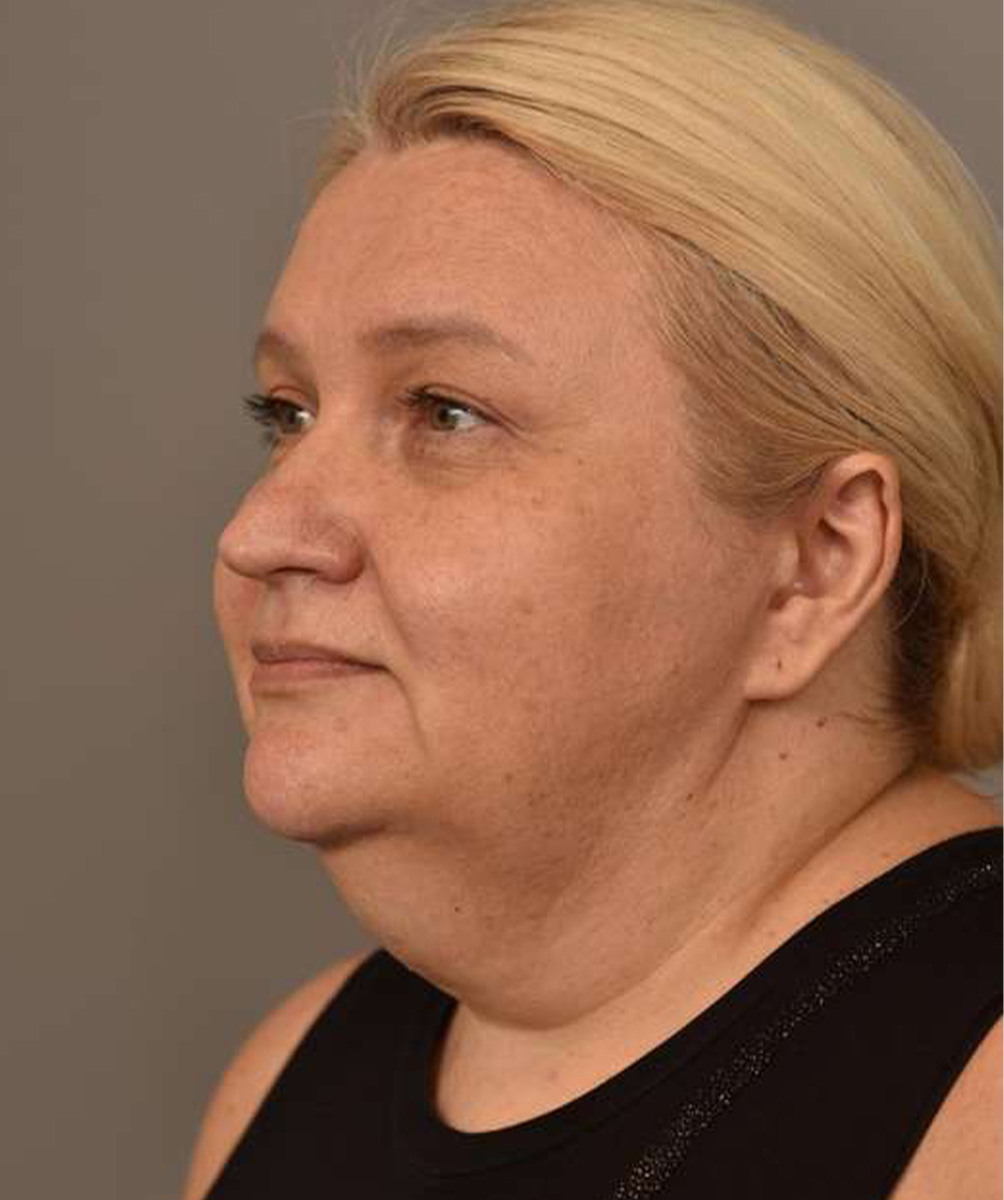
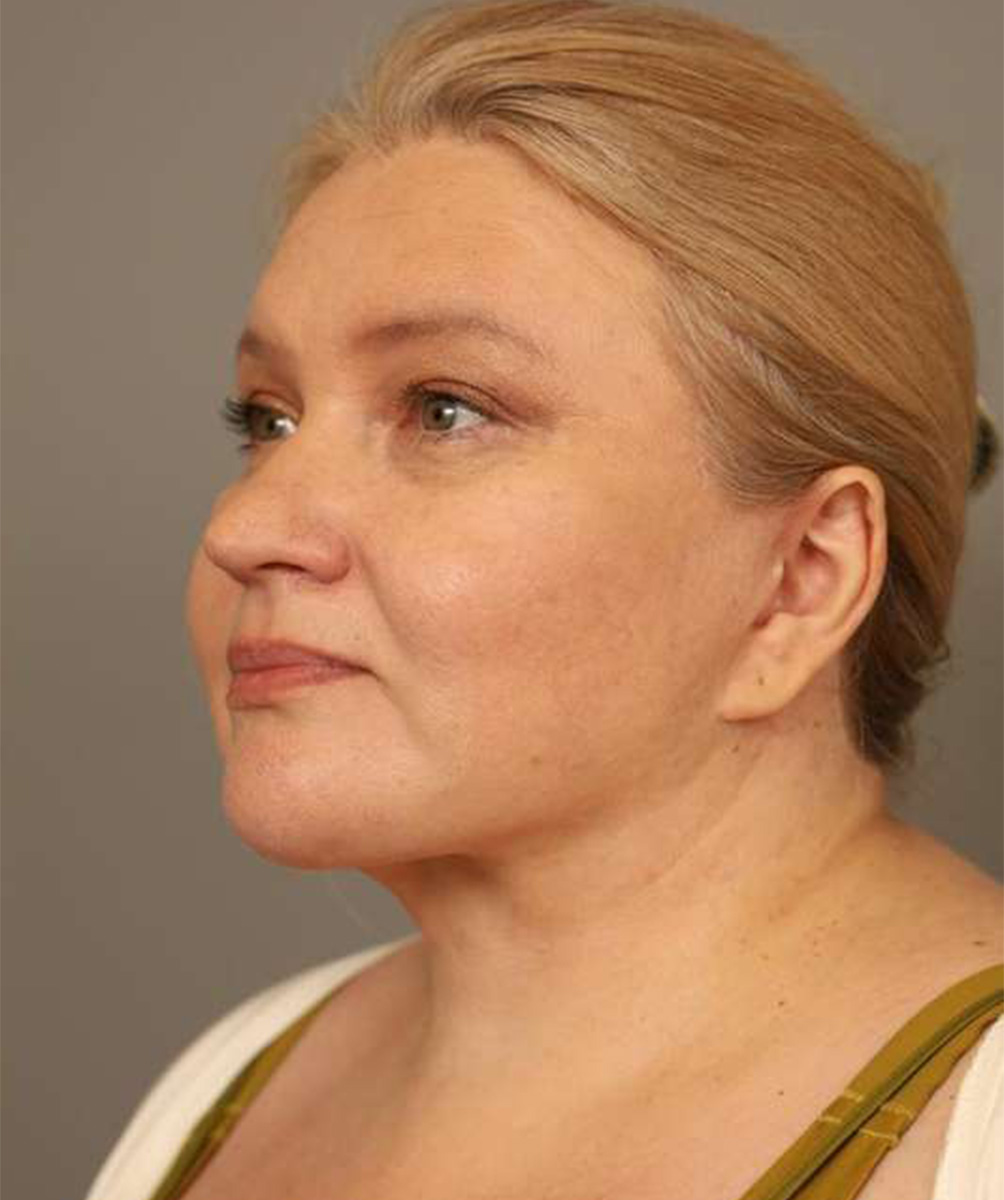


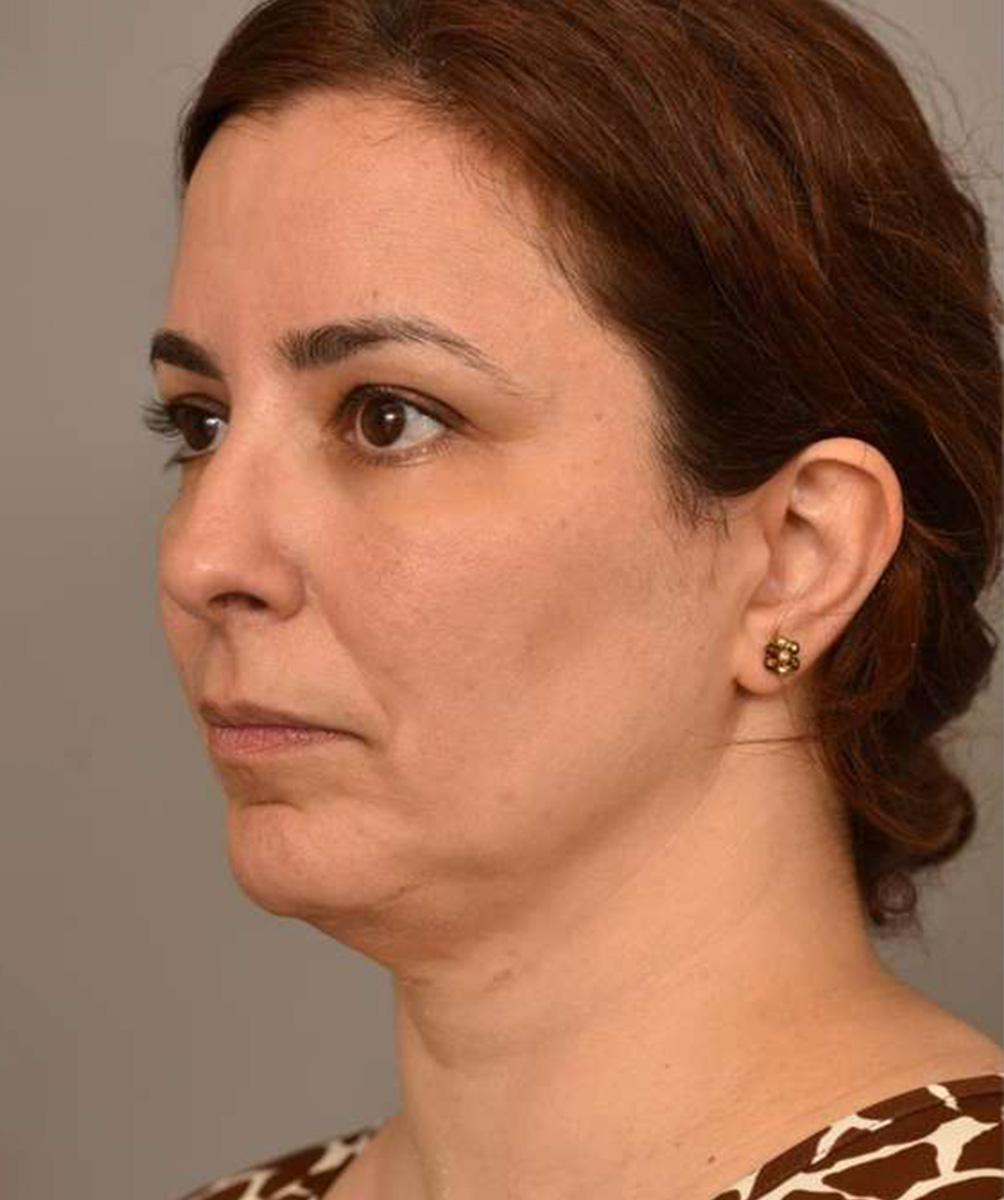
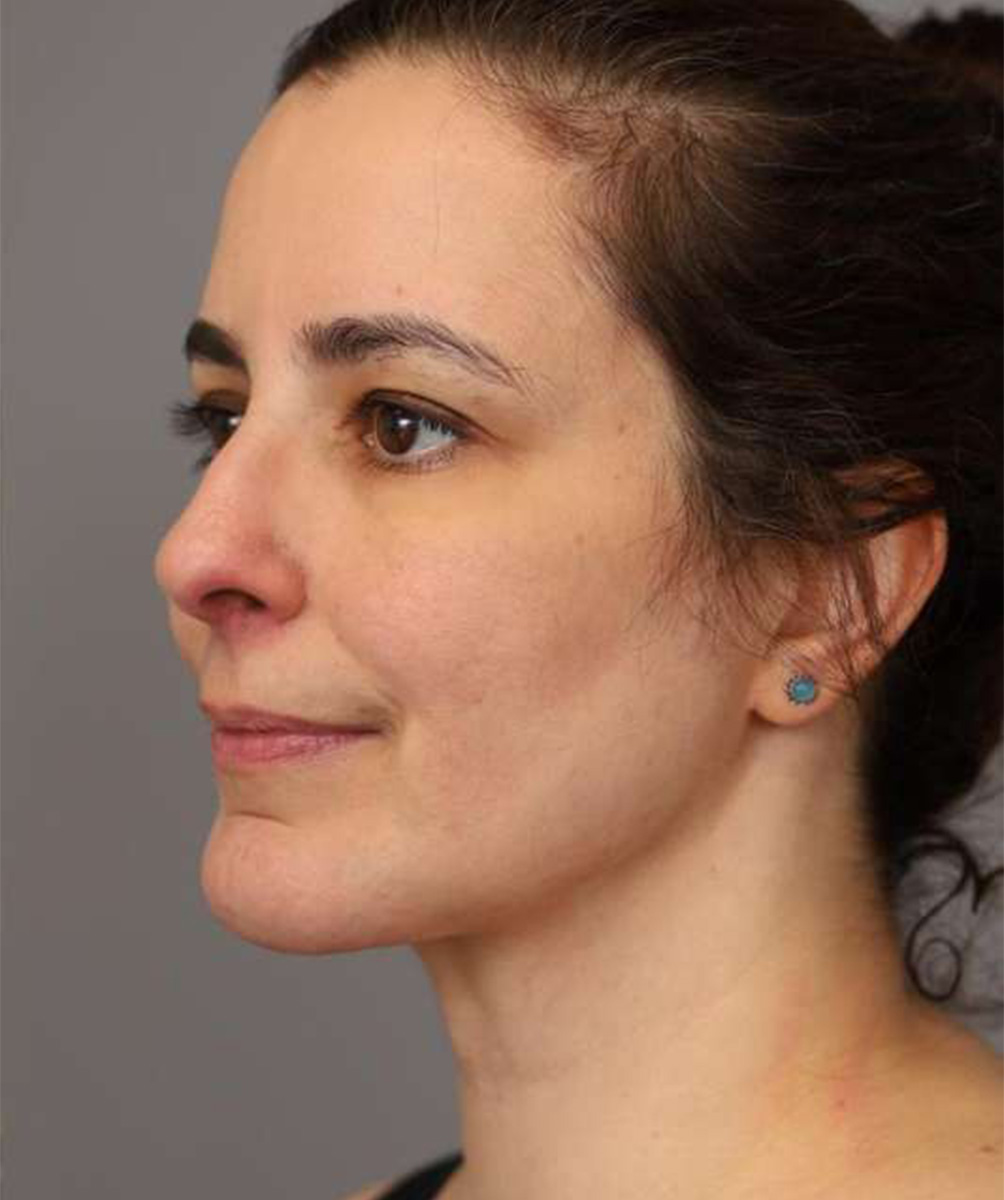

This is a question I hear in many forms. Patients do not always say, “Will plastic surgery improve my self-esteem?” Instead, they say things like, “I’m tired of thinking about this feature every day,” or “I just want my outside to look more like how I feel,” or “I’m confident in most areas of my life, but this one thing keeps bothering me.” Those are all versions of the same conversation.
I think it is worth answering honestly. Yes, plastic surgery can absolutely improve the way a person feels about themselves. I have seen it happen many times. Patients often feel more comfortable in their clothes, more at ease in photographs, less distracted by a feature they have fixated on for years, and more aligned with the version of themselves they already had in mind. But I also think it is important not to oversimplify the issue. Surgery does not create self-worth from scratch. It does not fix every insecurity. And it should never be presented as a substitute for emotional health, stability, or realistic perspective. The patients who tend to benefit most are the ones who come in with a clear concern, a grounded mindset, and an understanding that the goal is improvement, not perfection.
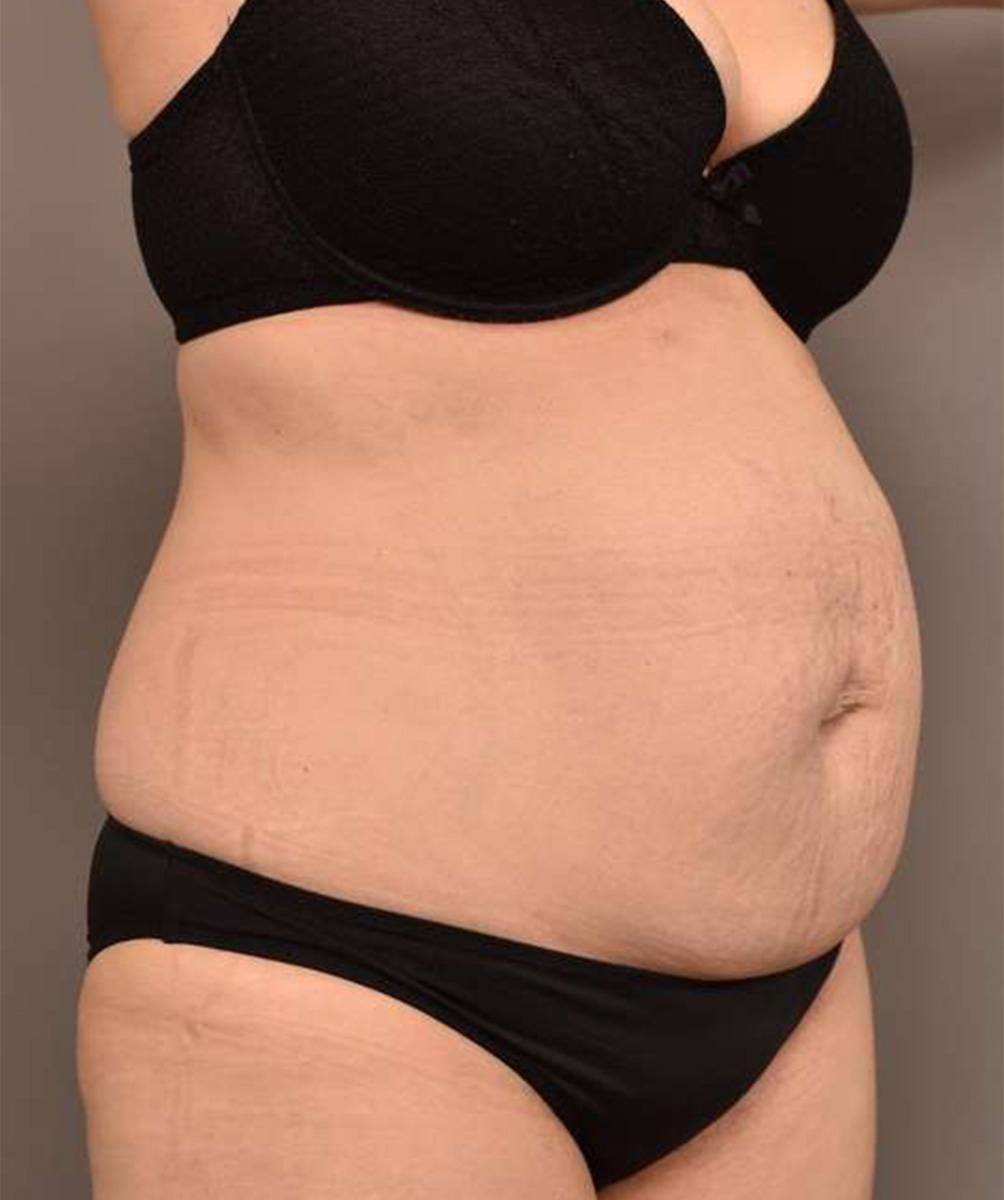
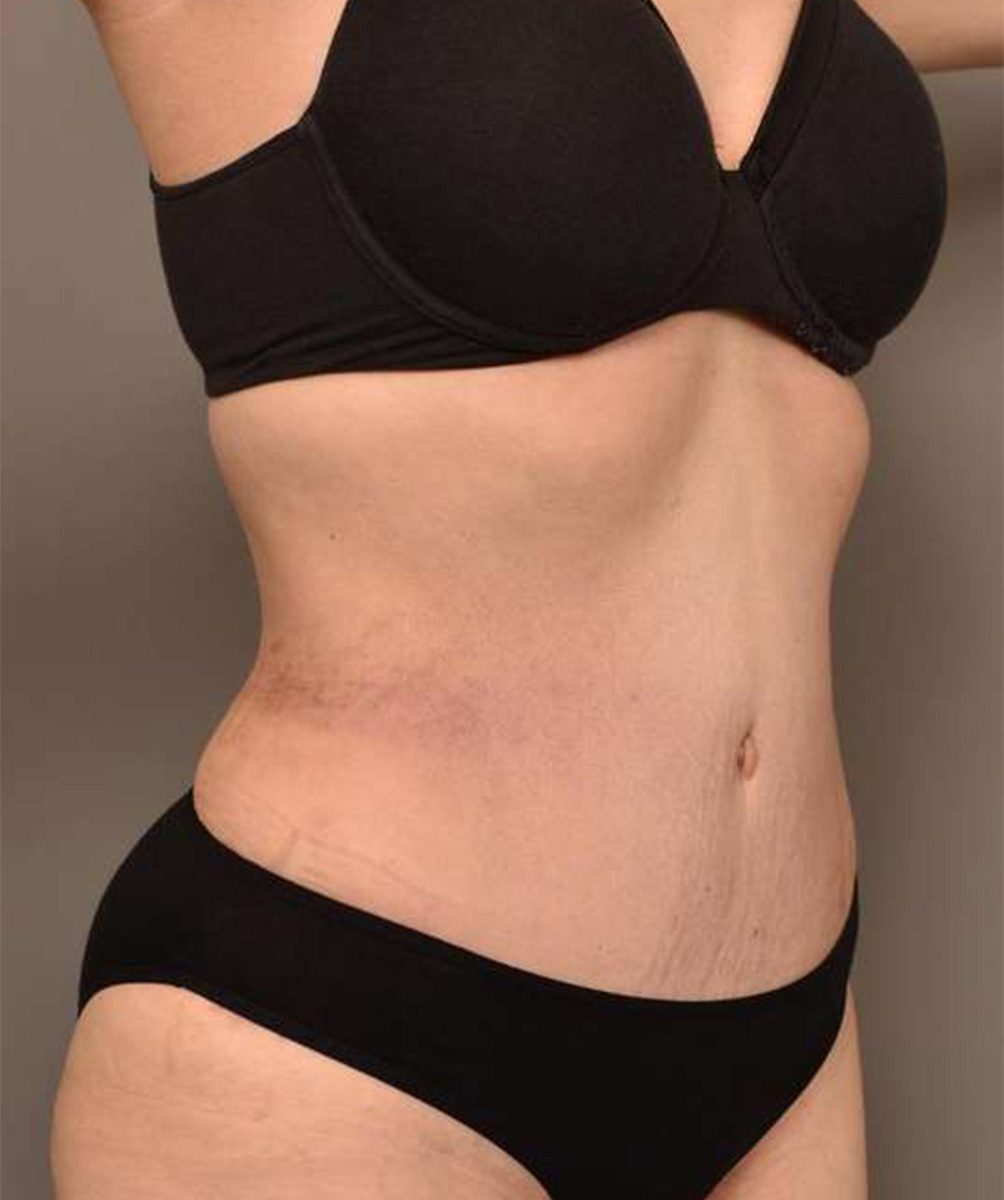
From my boutique-style Manhattan practice, I see a wide range of patients seeking both surgical and non-surgical aesthetic care, and the theme that comes up again and again is not vanity in the shallow sense people sometimes imagine. It is relief. It is the relief of no longer feeling preoccupied by a nose that has bothered you since adolescence, a neck that suddenly looks older than the rest of you, a stretched abdomen after pregnancy, or a feature that makes you look tired when you feel quite energetic.
Contents
- 1 What Patients Usually Mean When They Ask About Self-Esteem
- 2 Why This Matters
- 3 How it Affects Daily Life
- 4 Alignment vs. Reinvention
- 5 When Plastic Surgery is Helpful — and When it is Not
- 6 The Importance of Realistic Expectations
- 7 Surgery, Work, Relationships, and Social Confidence
- 8 Choosing the Right Procedure for the Right Reason
- 9 The Bottom Line
- 10 Video
What Patients Usually Mean When They Ask About Self-Esteem
When patients raise this topic, they are usually not asking for a dramatic personality transformation. Most are asking whether removing a persistent source of self-consciousness can make daily life feel easier. In my experience, the answer is often yes.
There is a real difference between broad unhappiness and a focused aesthetic concern. If someone says, “I have always hated my profile because of my nose,” or “After pregnancy, I no longer feel comfortable in fitted clothing because of my abdomen,” that is very different from a patient who expects surgery to fix an unhappy marriage, rescue a career, or erase all insecurity. The first kind of motivation is often healthy and specific. The second raises concerns. That is why consultation matters so much. I want to understand not just what feature bothers you, but how you think about it, how long it has bothered you, what result you imagine, and whether your expectations are proportionate.
Patients who experience positive changes in confidence after cosmetic treatment usually start with realistic expectations. I think that remains one of the most important truths in aesthetic medicine. When the goal is thoughtful improvement, patients are often very happy. When the goal is perfection, total reinvention, or emotional rescue, the conversation has to slow down.
Why This Matters
One thing that people outside plastic surgery sometimes underestimate is how much mental energy a single disliked feature can consume. If a person notices the same thing every time they look in the mirror, every time they see a photo of themselves, every time they get dressed, or every time they walk into a room, that feature can become disproportionately loud in their internal dialogue.
That does not mean the concern is objectively severe. It means it is personally significant. I have seen patients who are accomplished, attractive, and fully functional in every area of life, yet they are still persistently distracted by a very specific issue. Once that issue is improved, the change in confidence can be meaningful, not because they became a different person, but because the mental noise quieted down.
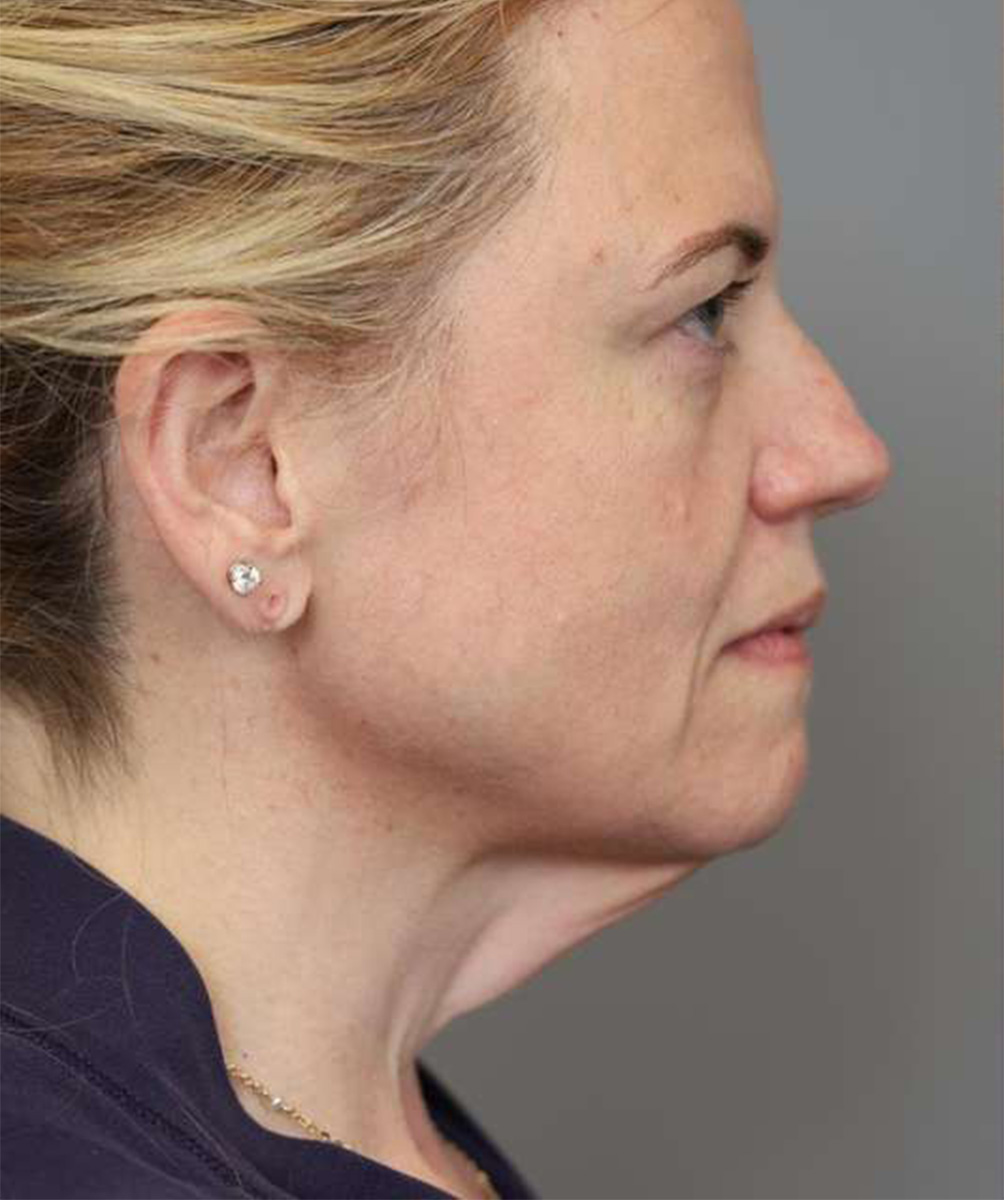
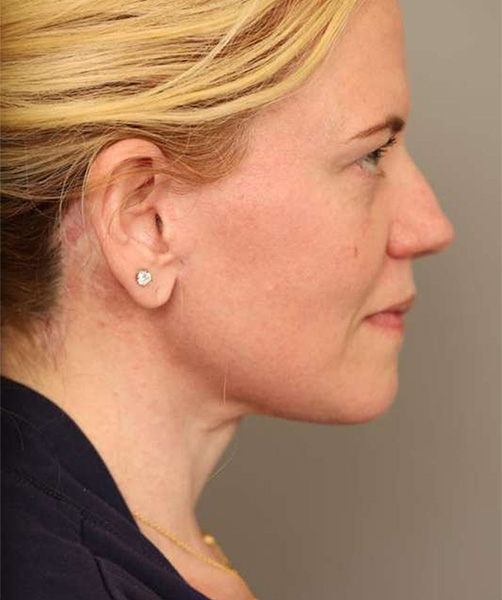
This is one reason facial procedures such as chin augmentation, eyelid surgery, and facelift procedures can have such a strong emotional impact on the right patient. The same is true for body procedures. These are people who are otherwise well adjusted but have one or two areas of their body that they would love to change. I’m talking about the women who say they are “done wearing a bikini”, and the men who will never go shirtless in public because gynecomastia caused them to develop a breasts on their chests. In these cases, procedures such as a tummy tuck, liposuction or a mommy makeover can result in cosmetic improvements that, again, boost the patient’s self-confidence and self-esteem. It’s worth noting that many body-contouring patients are not chasing an abstract beauty standard. They are trying to resolve a mismatch between the effort they put into their health and what they still see in the mirror.
How it Affects Daily Life
I think self-esteem is often discussed too vaguely. Patients do not always experience the benefit as “I now have high self-esteem.” More commonly, they experience it in ordinary moments.
They stop avoiding certain camera angles. They stop adjusting clothing all day. They stop choosing hairstyles only to hide an area they dislike. They stop feeling tense when someone takes a candid photo. They spend less time comparing themselves unfavorably to others. They feel more comfortable being seen. Those are subtle changes, but they add up.
The original article highlighted improved relationships, better quality of life, and more confidence at work as possible benefits. That continues to ring true. When patients are less preoccupied with a feature that has been bothering them, they often come across as more relaxed and more present. It is not that surgery gives them a new personality. It is that it removes a source of friction that had been interfering with the way they move through the world.
Even non-surgical treatments can create this kind of shift. I have non-surgical pages describing options such as BOTOX Cosmetic, JUVÉDERM, RADIESSE, Sculptra, IPL Photofacial, SkinPen, and laser treatments as ways busy patients can look younger and more vibrant with little to no downtime. For the right patient, that kind of lower-commitment improvement can still be psychologically meaningful, especially when the issue is looking tired, drawn, or older than one feels.
Alignment vs. Reinvention
If I had to summarize the healthiest version of aesthetic confidence, I would describe it as alignment. Patients do well when the goal is to make their appearance feel more consistent with how they already see themselves.
A younger patient may feel that a prominent nose overwhelms otherwise balanced features. A postpartum patient may feel that her abdomen no longer reflects her body or her effort. An older patient may feel that facial laxity makes her look tired, stern, or older than she feels internally. In each case, the procedure is not about becoming someone else. It is about removing something that feels out of sync.
That is also why natural-looking results matter so much. I frequently emphasize natural-looking outcomes across facelift, tummy tuck, and facial contouring pages, and I think that philosophy is essential when the goal is confidence rather than performance. Patients usually do not want people to say, “You look surgically altered.” They want people to say, “You look great,” or “You look refreshed,” or perhaps not notice the surgery at all.
When that happens, the effect on self-esteem is often quiet but durable. Patients are not constantly monitoring themselves. They are simply more comfortable.
When Plastic Surgery is Helpful — and When it is Not
I think this is the part of the conversation patients appreciate most, because it is where honesty matters. Plastic surgery can be very helpful when the concern is specific, the expectation is realistic, and the patient is emotionally stable and acting for themselves. It is much less helpful when someone is trying to solve a global emotional problem through a local physical change.
If a patient says, “I have always been bothered by this feature, I have thought about this carefully, I understand the tradeoffs, and I want a natural improvement,” that is usually a healthy framework. If a patient says, “My life will finally be perfect if this is fixed,” that is a red flag. Likewise, if someone is under intense outside pressure from a partner, social media, or a temporary crisis, I become cautious.
This fits with the original blog’s message that no procedure is a cure-all and that the “perfect body” is a moving target. I think that may be even more relevant now than when the post was first published, because patients today are exposed to constant visual comparison, filters, trend-driven ideals, and highly edited content. The need for realism is no less important now. It is more important.
In my view, a good consultation sometimes leads to surgery, sometimes to a non-surgical option, and sometimes to no procedure at all. I schedule a full hour for consultations, because these decisions deserve time. The right plan is not just about what can be done technically. It is about whether the treatment fits the person sitting in front of you.
The Importance of Realistic Expectations
Realistic expectations do not mean low expectations. They mean accurate expectations.
If you understand that facial cosmetic surgery can improve balance but not give you someone else’s face, that a facelift can make you look younger but not 25, that a tummy tuck can flatten the abdomen but leaves a scar, or that fillers can restore volume but do not replace skin quality, you are far more likely to be satisfied. Satisfaction grows out of the match between what was promised, what was possible, and what was delivered.
I think patients today sometimes arrive with a confusing mixture of sophisticated research and unrealistic imagery. They may know the names of many procedures, but still have expectations shaped by filters, celebrity comparisons, or isolated highlight-reel results online. That is why part of my role is educational. I want patients to understand the tradeoffs as well as the benefits.
Procedure pages across my clinic site explain candidacy, limitations, recovery, and variations in a way that encourages thoughtful decision-making rather than impulsive treatment. That is exactly the tone I think serves patients best when the topic is self-esteem.
The original article specifically referenced feeling more confident in the workplace, and I think that point deserves updating rather than discarding. Many patients today are on camera far more often than they were a decade ago. They are in Zoom meetings, on social media, in photographs, and in highly visible professional environments. Appearance is not everything, but it does affect how people feel when they present themselves.
I am careful here, because I do not like suggesting that anyone needs plastic surgery to succeed professionally or socially. They do not. But if a patient already feels distracted by a feature that undermines their confidence when speaking, presenting, networking, or being photographed, improving that feature can make them feel more self-assured. And self-assurance does affect how people carry themselves.
The same can be true in relationships. I am not saying surgery fixes relationships. It does not. But when a patient feels more comfortable in intimate settings, in everyday dress, at the beach, or simply being seen, that increased ease can positively affect how they relate to others. Again, the benefit is usually not dramatic in a movie-scene way. It is cumulative in a daily-life way.
Patient testimonials on my clinic site repeatedly reflect this kind of satisfaction with results, care, and improved confidence, and the overall rating profile suggests that patients value both the outcomes and the experience of care. Those testimonials are not scientific proof of self-esteem change, of course, but they do support the broader point that thoughtful aesthetic treatment can have real quality-of-life value.
Choosing the Right Procedure for the Right Reason
Another important part of self-esteem is fit. The right procedure done for the right reason can be affirming. The wrong procedure, or the right procedure done for the wrong reason, can be disappointing.
That is why I do not think of plastic surgery as a single category when discussing confidence. Different concerns call for different levels of intervention. Some patients are ideal for surgery. Others are better served by a filler, an energy-based treatment, minor procedures such as Botox or Smartlipo, or no procedure at all. I offer both surgical procedures and a broad range of non-surgical treatments, which reflects a useful truth: not every confidence concern requires an operation.
A patient bothered by early volume loss may do beautifully with a conservative filler plan. A patient who wants improvement in skin quality may benefit more from laser skin rejuvenation, IPL, or SkinPen than from surgery. A patient with a truly structural issue may need a surgical solution. The emotional outcome is often best when the treatment matches both the anatomy and the patient’s lifestyle.
The Bottom Line
So, can plastic surgery boost your self-esteem? Yes, it can. I think it often does, when it is approached in a healthy way. But I would phrase it slightly differently: plastic surgery can reduce self-consciousness, improve comfort in your own skin, and help your appearance feel more aligned with how you see yourself. Those changes often do improve self-esteem.
At the same time, I would never present surgery as emotional magic. The original article was right to warn against cure-all thinking, and that message remains essential. Cosmetic treatment works best for patients who are already psychologically grounded and are looking for a specific, realistic improvement rather than total transformation.
In the end, the goal is not perfection. It is not chasing a moving target. It is not becoming someone else. It is feeling more at ease, more balanced, and less burdened by something that has been bothering you for a long time. When that is the goal, plastic surgery can be a very positive experience and, for the right patient, a genuine confidence boost. I consistently present my work in exactly that spirit: board-certified care, personalized planning, natural-looking results, and a patient-centered consultation process from my Fifth Avenue Manhattan practice.
Video
What’s the most popular plastic surgery procedure?
Thomas P. Sterry, MD 1080 5th Avenue #1b New York, NY 10128.
Phone: 646-904-5584.
Follow me on: Instagram, Tiktok, Twitter, Facebook
Higher quality of life, increased self-confidence and self-esteem, and positive improvements in relationships—the list of benefits becomes apparent the more you read. However, it is important to note that there is a common influential factor: The overwhelming majority of patients who experience these positive effects went into their procedures with realistic expectations.
No plastic surgery procedure is a cure-all, and the perfect body is a constantly moving target. However, if you have specific goals and realistic expectations, plastic surgery can enhance your self-esteem and quality of life along with your physical appearance.
Have you experienced a boost in self-esteem after a cosmetic procedure? If so, let us know in the comments!