Thomas P. Sterry, MD
1080 5th Avenue #1b
New York, NY 10128
Phone: (212) 249-4020
Monday - Thursday: 9 a.m.–5 p.m.
Friday: 9 a.m.–3 p.m.
Meet Board-Certified Plastic Surgeon Thomas P. Sterry, MD, FACS
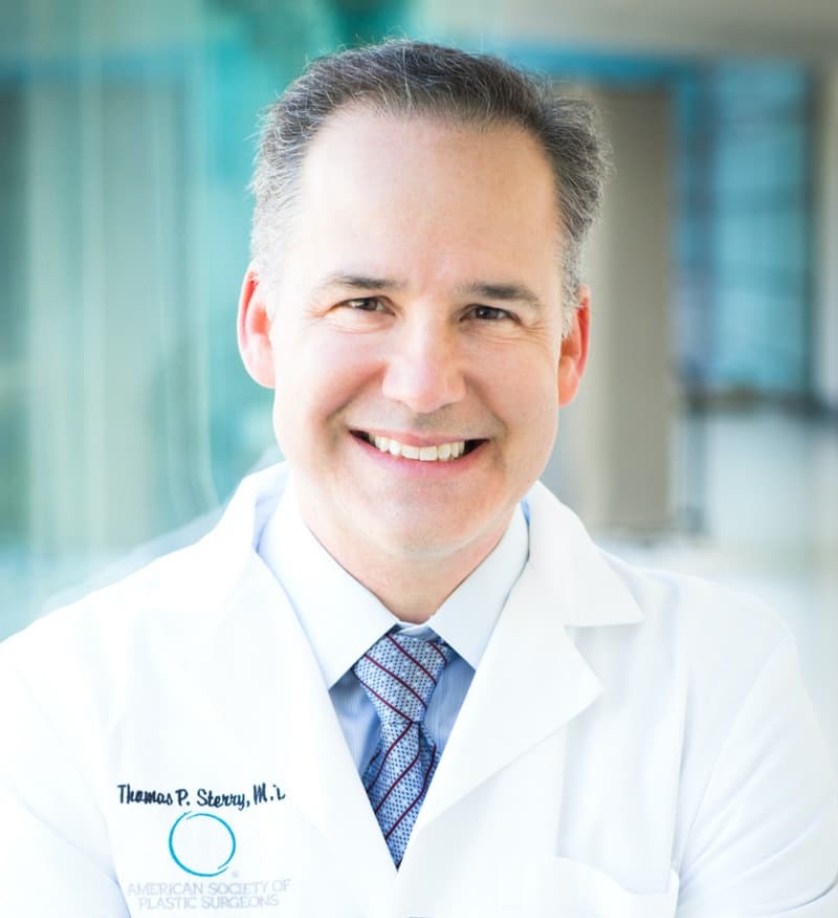
Dr. Thomas P. Sterry is a board-certified plastic surgeon who is considered one of the best plastic surgeons in New York City. Since establishing his private practice in Manhattan in 2001, he has built a reputation as a trusted authority and leader in aesthetic and reconstructive surgery. Dr. Sterry is renowned for delivering results that look natural, realistic, and tailored to each individual. A down-to-earth, highly approachable surgeon, his philosophy is simple: If his patients look and feel fabulous, their confidence shines, and others notice.
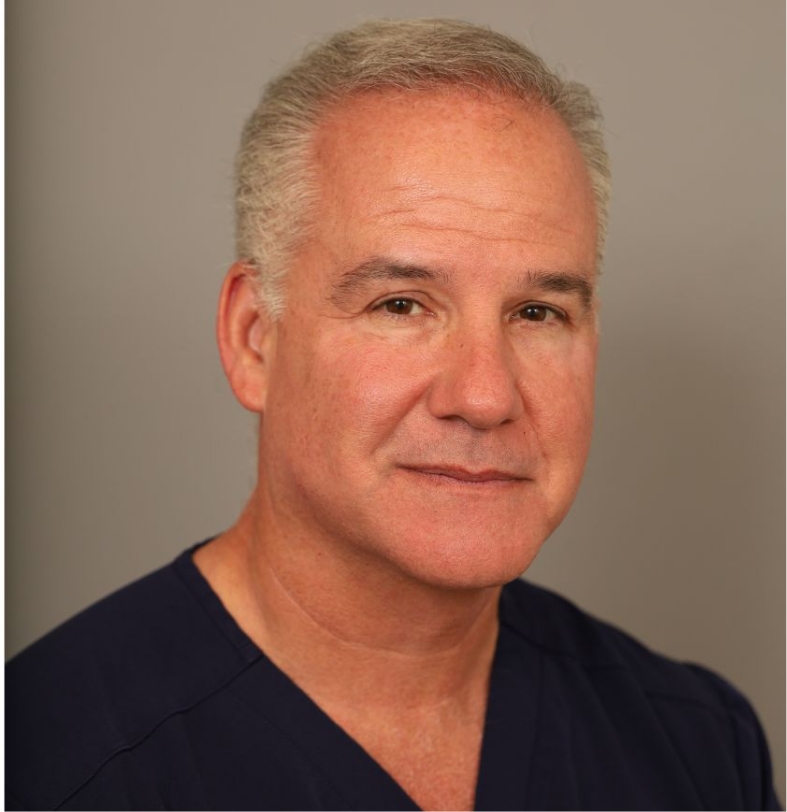
“I’m a blue-collar kid who retains basic core values of pride in my work. Still a manual laborer just like the neighborhood I grew up in. I consider myself a craftsman who believes in building things the right way.”
Thomas P. Sterry, MD, FACS
Credentials at a Glance
Education
- Plastic Surgery Residency – Mount Sinai-NYU Medical Center, New York (3-year program)
- General Surgery Residency – Mt. Sinai Medical Center, New York (3-year program)
- Doctor of Medicine – Stony Brook University School of Medicine, New York
- Master’s degree (Exercise Physiology) – Queens College, City University of New York
- Bachelor’s degree – Stony Brook University, New York
Credentials
- Board Certification – American Board of Plastic Surgery
- Fellow – American College of Surgeons
Appointments
- Assistant Clinical Professor (Division of Plastic Surgery/Department of Surgery) – Mount Sinai Medical Center, New York
Professional Societies & Memberships
- American Society of Plastic Surgeons (ASPS)
- The Aesthetic Society
- American College of Surgeons
- New York State Society of Plastic Surgeons (Past President)
- New York Regional Society of Plastic Surgeons (Past President)
- New York County Medical Society (Past President)
- Medical Society of the State of New York (Delegate, 2018 to Present)
View Dr. Sterry’s full CV, read glowing patient testimonials from Dr. Sterry’s actual patients, and explore our robust before-and-after gallery showcasing real patient transformations.
Advanced Education & Rigorous Training
Dr. Sterry’s medical training reflects both depth and distinction. A New York native, he earned his medical degree from Stony Brook University School of Medicine. He then completed competitive back-to-back three-year residencies in general and plastic surgery, gaining comprehensive experience across various procedures. Dr. Sterry also holds a master’s degree in exercise physiology from Queens College, CUNY. This field of study enhanced his understanding of human physiology and overall patient wellness, adding a unique dimension to his surgical expertise.
A longtime clinical assistant professor at the prestigious Mt. Sinai Medical Center, Dr. Sterry’s commitment to education keeps him at the forefront of surgical advances as he shapes the next generation of surgeons. Appreciating his skill as an instructor, residents have honored him with multiple excellence in teaching awards.
Surgical Specialties
Dr. Sterry is highly regarded for his expertise in facial, breast, and body contouring procedures, including:
He provides both surgical and nonsurgical aesthetic services designed to elevate rather than overshadow your natural features. With his meticulous techniques and artistic approach, Dr. Sterry helps patients of all ages enhance their contours and enjoy long-lasting results that instill confidence.
Exceptional Innovation & Expertise
In addition to being widely respected for his surgical skill, Dr. Sterry stands apart for his spirit of innovation. His advanced techniques elevate your safety, comfort, and results during each stage of your transformation. Examples of his innovation include:
- Early adopter of ERAS (Enhanced Recovery After Surgery) protocols, including TAP blocks, to minimize discomfort and accelerate recovery
- Pioneer of the Naturalift™ mini facelift technique, which achieves natural-looking results with smaller incisions
- One of the few surgeons to perform cheek liposuction, transforming chubby cheeks into a coveted heart-shaped face
- Patent holder of a tummy tuck retractor; also one of the few surgeons offering drainless tummy tuck surgery
- Leverages LigaSure™ technology to provide safe reduction of salivary glands for jawline and profile refinement
- Performs RibXcar (rib removal)—rarely offered by Manhattan plastic surgeons
- Favors the use of sedation with local anesthesia versus general anesthesia for enhanced safety and recovery
Dr. Sterry is frequently invited to share his techniques as a lecturer at leading plastic surgery meetings, and his methods are widely published in respected medical journals, abstracts, and publications.
Prestigious Awards & Honors
Dr. Sterry’s rare blend of surgical skill and approachability has earned him repeated recognition from both peers and patients:
- Super Doctors New York– Top 5% of physicians
- RealSelf Top Doctor– Hall of Fame and Top Contributor distinctions
- Vitals.com– Patients’ Choice Award (5th Anniversary Award, On-Time Doctor Award & Compassionate Doctor Recognition—multiple wins)
- America’s Top Plastic Surgeons–Awarded by the Consumers’ Research Council of America

Compassionate, Personalized Care
For Dr. Sterry, plastic surgery is not just about appearances—it’s about well-being and confidence. He takes the time to listen carefully to your concerns, ensuring that every treatment plan reflects your goals, safety, and best interests. Patients describe his consultation style as thoughtful, thorough, and collaborative. He often encourages individuals to bring a trusted friend or family member to the consultation to ensure they feel comfortable, supported, and empowered throughout the journey.
“My patients have a million things on their mind from their daily lives. Many of them haven’t got the time to research every single aspect of a treatment or a procedure. When they come to my office, they entrust me to give them good, sound advice about how to help them feel better about themselves. I do all that I can to maintain that trust and deliver reliably beautiful results.”
Thomas P. Sterry, MD, FACS
In His Own Words
Despite his impressive professional accolades, Dr. Sterry sees himself first and foremost as a dedicated father and teacher. He treasures time with his children and finds great fulfillment mentoring future generations of surgeons. Just as important, he values the genuine connections he builds with his patients. For Dr. Sterry, earning your trust and guiding you through such a meaningful transformation is an honor and a privilege.
When did you first think about becoming a doctor?
There wasn’t really an “aha” moment that convinced me to pursue a medical career. I just always knew that I wanted to be a doctor, to be a surgeon. Not necessarily a plastic surgeon; I wanted to work in trauma.
Were other members of your family doctors?
No, I grew up in a blue-collar neighborhood on Long Island, and my dad was a firefighter. No one in my neighborhood was a doctor. Becoming a surgeon seemed like a pipe dream, but I knew that’s the path I wanted to pursue.
What led you to plastic surgery?
I actually thought during medical school that I either wanted to work in an ER or as a trauma surgeon. I actually didn’t switch to plastic surgery until after 3 years of a general surgery residency. It was a big risk and not something I would recommend to any of my resident doctors at Mt. Sinai. But I’m truly happy I made that choice. I may not be saving their lives as I would as a trauma surgeon, but they’re very appreciative because I can make them happier with the life that they have.
For instance, one woman told me she used to wake up every morning wondering what she would wear to work that day because of concerns about her body. Now, she doesn’t have that stress anymore because of the work we did. Plastic surgery felt liberating for her because she didn’t ever think about her clothes.
What’s different about plastic surgery compared to general surgery?
Plastic surgery is really a craft that is very visible to the public. It’s about technique and is more patient-focused. When I rotated through plastic surgery as a resident, it reminded me of my neighborhood growing up, where people cared about craftsmanship and not just how fast a task could be completed. I mean, when I perform a facelift, people are going to know if I did a good job or not. That’s not necessarily the case when performing gall bladder surgery because the work is covered up. The patient has no idea if their surgeon did a slick job or not; they only know about their experience.
What procedures do you enjoy performing?
That’s like asking if I have a favorite child. It’s truly satisfying to create results that improve a patient’s confidence and self-esteem. I will say that facelifts are perhaps the most challenging. The days of simply stretching the skin tight are long gone. I want to make it look natural, like I was never there, yet make the patient look like she or he used to look. I use advanced surgical techniques to achieve those kinds of results.
How do you spend your free time?
With my family. My wife and I have 3 children, and they spend a lot of time playing sports, so we are always busy with them. My oldest and I are also in the process of rebuilding the first car I ever owned—an old British sports car.
Meet With Dr. Sterry
Learn more about NYC board-certified plastic surgeon Dr. Sterry and how he achieves superior plastic surgery results for his patients in Manhattan, Brooklyn, Queens, Long Island, Staten Island, Connecticut, New Jersey, and beyond. Request a consultation using the online form or contact us at (212) 249-4020 to schedule an appointment.
Request A Consultation