Thomas P. Sterry, MD
1080 5th Avenue #1b
New York, NY 10128
Phone: (212) 249-4020
Monday - Thursday: 9 a.m.–5 p.m.
Friday: 9 a.m.–3 p.m.
Non-Surgical
Busy men and women are achieving a younger look without the recovery and downtime needed for plastic surgery by visiting Dr. Thomas Sterry for non-surgical facial rejuvenation treatments in NYC. Women and men can be in and out of Dr. Sterry’s Manhattan office and back to their daily routine without skipping a beat. Most of our treatments require little or no recovery time, and the results are often as effective as surgical procedures.
Discover all the ways we can improve your look without surgery. To find out about your facial rejuvenation options in New York City, request a consultation with board-certified plastic surgeon Dr. Sterry or call (212) 249-4020.
Do you want to look younger — without surgery?
We offer many advanced alternatives.
Your Options
Dr. Sterry offers a variety of advanced, non-surgical treatments that improve your skin’s texture and appearance. We have a variety of options that can help you look younger and more vibrant, including:
- BOTOX® Cosmetic: this injectable treatment relaxes the muscles that create frown lines, forehead wrinkles and crow’s feet to achieve a smoother and younger-looking face.
- JUVÉDERM®: this injectable filler smoothes out facial folds and wrinkles with amazing results for up to one year with a single treatment.
- RADIESSE®: this dermal filler adds dimension and fullness to the skin.
- Sculptra®: this injectable filler adds volume and fullness for up to two years to sunken cheeks, deep “parentheses” from the nose to the mouth’s corners and areas of the upper face and temples that have lost volume.
- KYBELLA®: this injectable double chin treatment targets the fat under the chin by dissolving the fat cells for long-lasting results with no downtime.
- SkinPen®: our favorite choice for microneedling, SkinPen lightly penetrates skin at adjustable depths to stimulate your skin’s natural healing processes.
- IPL Photofacial: this light treatment creates a subtle change in the skin, giving you a more even skin tone, refined skin texture, reduction in brown spots and an overall look of youthfulness.
- Laser Hair Removal: this advanced laser treatment removes unwanted hair at the follicle level and impairs its regrowth. It can be used on most areas of the face and body.
- Laser Skin Resurfacing: this laser treatment treats fine lines and wrinkles without the downtime of CO2 lasers.
- Laser Skin Rejuvenation: this laser treatment method does not harm the outer surface of the skin. It corrects brown spots and broken capillaries, and reduces enlarged pores. It also reduces the appearance of fine lines and tightens the skin a bit.
- Scar Revision: these methods make scars less noticeable to ease self-consciousness.
Dr. Sterry also offers a wide variety of skincare products to help maintain the fresh and young look that you desire. If you are interested in achieving a more youthful and attractive face without surgery, contact Dr. Sterry’s office today and set up a consultation with Manhattan’s leading facial injection specialist. New York patients trust Dr. Sterry to evaluate their situation and listen to their goals in a comfortable and relaxing environment. He will spend time talking with you and discussing how you can achieve the rejuvenated face of your dreams. And, if he determines that one of these facial injections is right for you, you may even get your first treatment on the day of your consultation.
Non-Surgical Facial Enhancements Posts from our Blog
 March 2, 2026
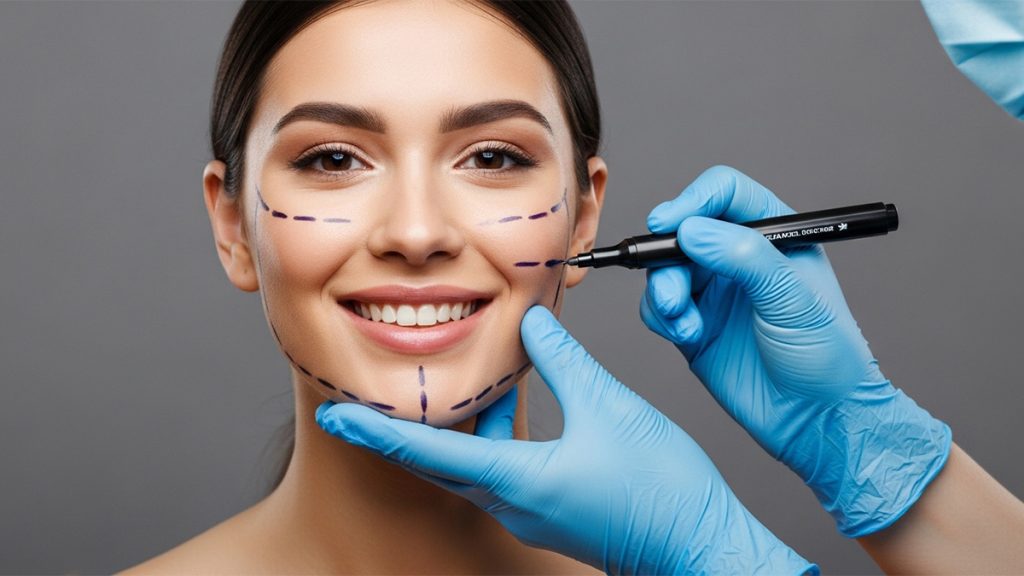
Facial Implants Vs Fillers In New York, …
New York moves quickly and appearances are often front and center. Many women in New York, NY want sharper definition without sacrificing a natural l…
Read Now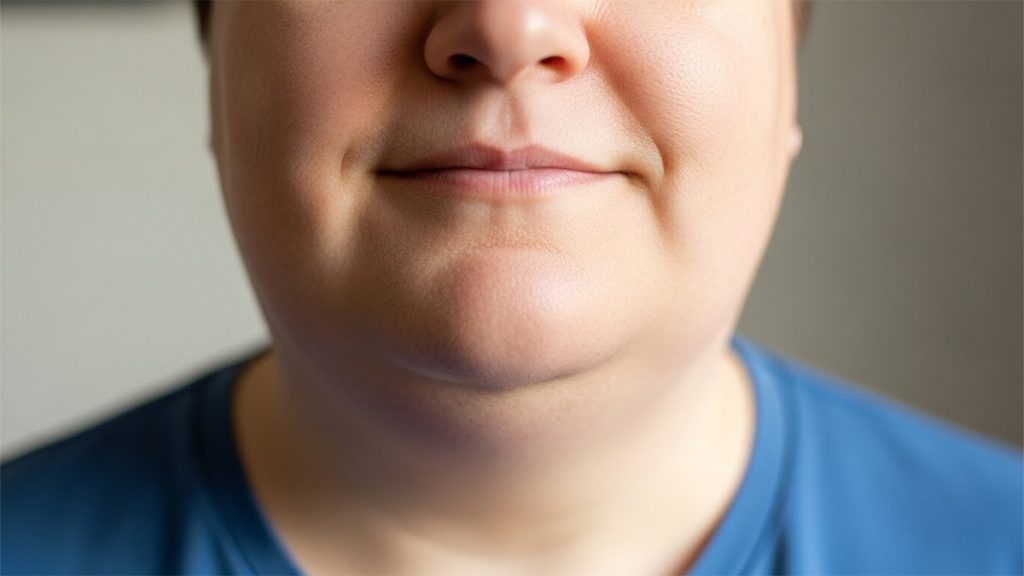 December 7, 2025
Double Chin – Causes and Solutions…
For many women, a double chin can become an unwelcome distraction that overshadows their natural beauty. This small pocket of fat or skin beneath the…
Read Now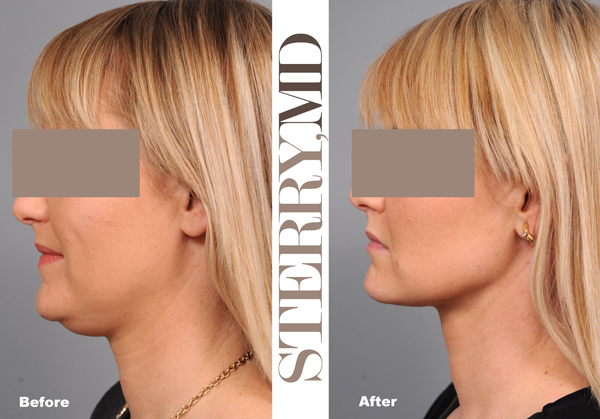 January 3, 2016
Kybella® vs. Double Chin Liposuction: R…
Chin liposuction improves neck contours dramatically and removes a double chin. Dr. Sterry wants you to have the best chin liposuction possible with …
Read Now