

Want a smoother, flatter belly but don’t want your friends to know you’ve had a tummy tuck? It’s possible, but only if you plan wisely. There are two keys to a “secret” tummy tuck:
- Schedule your surgery in cooler months. Recover when sweaters and layers are in season, then unveil your new look when the weather warms up.
- Choose a board-certified plastic surgeon who knows how to hide the telltale signs.
Follow these steps and you can stay comfortably covered while you heal, then debut a flatter abdomen when spring rolls around.
Contents
Planning for a Beach-Ready Recovery
A tummy tuck isn’t an overnight transformation. Most patients start to look and feel better after 3 to 6 weeks, but swelling may linger for several months. Because healing takes time, schedule your procedure during autumn or winter when bulky clothing easily hides any bruising or bandages. By spring, you’ll be ready to reveal your flatter midsection without anyone suspecting a thing.
Recovering discreetly is just as much about patience as it is about timing. There’s no cream or medication that speeds up the process—only time will help.
Signs of a Bad Tummy Tuck
As an experienced plastic surgeon, I often meet patients seeking help after procedures performed elsewhere. Three red flags I frequently encounter are:
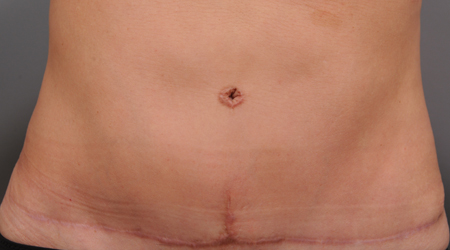
- High scars that sit far above the bikini line and are visible in a swimsuit.
- T-shaped or upside-down scars that extend up the center of the abdomen.
- Unnatural belly button scars that look obviously surgical or misplaced.
Even when I can correct these issues, patients usually require a full revision—a second tummy tuck—which doubles the recovery time and expense. Choose a reputable surgeon the first time to avoid these pitfalls.

Timing Your Surgery
One of the easiest ways to keep your tummy tuck discreet is to have it done when you can comfortably layer up. Fall and winter mean cozy sweaters and long coats that naturally hide compression garments and swelling. By the time pool season arrives, your incisions will have healed and the residual swelling will have diminished, leaving you beach-ready.
Choosing the Right Swimsuit
Your surgeon’s incision placement plays a big role in how well you can conceal your scar. Here’s how I ensure my patients’ scars hide under swimwear:
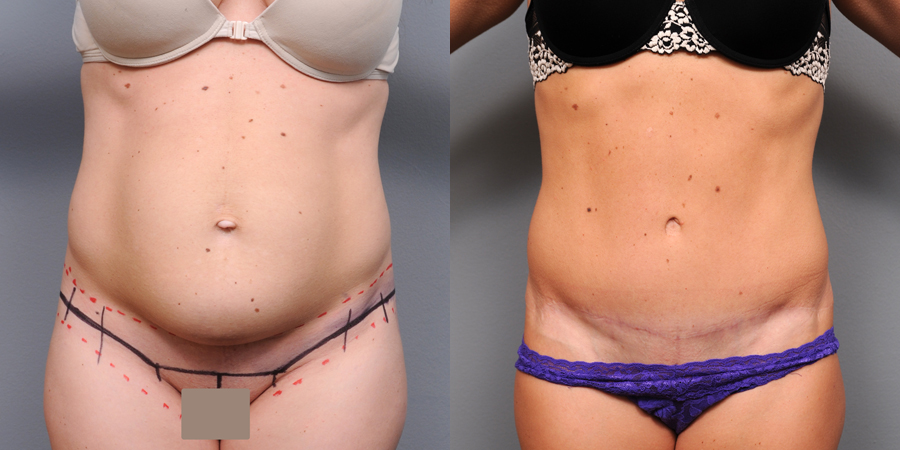
- Pre-op garment marking: Before surgery, my patients wear the bathing suit they want to flaunt post-op. I mark the outline in red ink and plan my incision within that boundary so the scar remains hidden.
- Low incision placement: I position the incision about 2½ to 3 inches above the top of the external labia, which is often lower than existing C-section scars. This way, the tummy tuck scar replaces the old scar and stays hidden.

Practical Cover-Ups
- High-waisted bottoms or one-piece suits provide extra coverage and easily hide low horizontal scars.
- Swim skirts or shorts offer a bit more fabric without looking obviously medical.
- Scar-concealing tape or silicone sheets are thin, flesh-colored adhesives that protect the incision while allowing you to swim.
- Sheer sarongs or coverups can add style while camouflaging any scar that peeks out.
- Rash guards or tankinis give coverage with a sporty look and can hide the belly button area.
Remember to keep your incision out of direct sunlight. Prolonged sun exposure can darken or discolor scars while they heal.
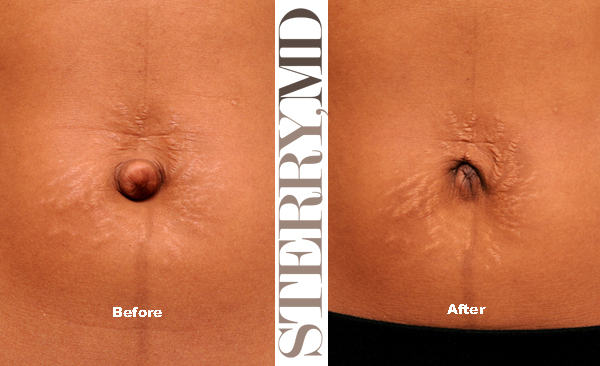
Most people don’t realize how important a natural-looking belly button is for a great tummy tuck result. Browse any fashion magazine and you’ll notice a little hood above the navel with a groove leading upward. During surgery, I use techniques I’ve developed to create this “hooded” look and minimize visible scarring. I often spend 20 to 30 minutes refining the belly button alone, because it’s the only part of the surgery that anyone might see once you’re healed.
If the initial result isn’t perfect, I offer a minor adjustment around the three-month mark at no extra charge. This process has also led me to specialize in umbilicoplasty (belly button repair) for patients who want an improved navel without a full tummy tuck.

Aftercare & Scar Management
Silicone sheets or gels, along with regular massage, can help scars flatten and fade. Protect the scar from the sun during the first year to avoid darkening.
You’ll still have a scar, but low placement and diligent scar care ensure it remains as thin, flat, and pale as possible. And for more on scar placement and visibility, read about tummy tuck scar placement and visibility.
FAQ
How can I hide my tummy tuck scar at the beach?
Select swimwear with high waistlines or wider bands that sit above the scar. One-piece suits, swim skirts, rash guards, and coverups all help conceal incisions. Scar concealing tape and silicone strips also provide discreet coverage while helping the scar heal flat.
How long should I wait after a tummy tuck before wearing a swimsuit?
Your incisions must be fully closed and drains removed before submerging in water. Plastic surgery experts recommend waiting at least 6 to 8 weeks and getting clearance from your surgeon before swimming. Once healed, use broad-spectrum sunscreen or cover-ups to protect the scar.
What kind of swimwear works best to conceal tummy tuck scars?
High-waisted bikini bottoms, one-piece swimsuits, tankinis, and rash guards are ideal. Look for pieces with thicker waistbands or ruching around the midsection to disguise the scar. Accessories like sarongs and swim skirts also help.
When will my tummy tuck scar start to fade?
Scars begin to fade from red to pink within 6 to 12 months. Silicone gels or sheets, gentle massage, and sun protection accelerate this process. Most scars continue to improve over time, becoming less conspicuous by the one-year mark.
Video
The tummy tuck procedure
Dr. Thomas P. Sterry, a board-certified plastic surgeon in New York, uses before & after photos of an actual patient to describe the tummy tuck procedure and the improvements it provides. When performing this surgery, he placed a horizontal incision low on the abdomen (about 2.5 to 3 inches above the pubic bone) where it may be hidden with underwear and swimsuits. He made a second incision around the navel to release it from the surrounding skin and tissues. In addition to removing lax skin and pockets of excess fat, Dr. Sterry repaired stretched and separated abdominal muscles to flatten the patient’s tummy bulge. Notice the moles on her abdomen were displaced (lower) because the skin was pulled down and the excess removed. The navel was inserted through an opening in its new location on the tightened abdominal skin. Learn more on our Tummy Tuck page.
Thomas P. Sterry, MD 1080 5th Avenue #1b New York, NY 10128.
Phone: 646-904-5584.
Follow me on: Instagram, Tiktok, Twitter, Facebook
Summary
Achieving a “secret” tummy tuck is all about planning. Choose a board-certified plastic surgeon, schedule your surgery during cooler months, and follow your surgeon’s scar care instructions meticulously. With thoughtful timing and proper aftercare, you’ll feel confident revealing your new shape—scars and all—when beach season arrives.
Are you ready to get started? Please request a consultation using the online form or call my office at 646-904-5584.