
RibRemodeling Recovery In New York, NY – Tips And Timeline

Rib Remodeling Recovery In New York NY – Tips And Timeline by Dr Thomas Sterry

This guide is written for women across New York, NY who want a clear, honest picture of RibRemodeling recovery – week by week and stage by stage. It reflects the approach of Dr. Thomas Sterry, Plastic Surgeon in New York, NY. He is board-certified, has more than 25 years experience, and committed to results that look and feel completely natural. The goal is to help each woman plan her calendar, prepare her home, and move through healing with confidence rather than uncertainty.

RibRemodeling – also called rib contouring or the RibXcar techniquepermanently reshapes the lower ribs to narrow the waist and create a more defined silhouette. It is performed under general anesthesia and deserves careful, informed preparation. Women who understand what recovery involves before surgery consistently report a smoother and more satisfying healing experience.

What RibRemodeling Addresses – And Why Recovery Is Different

✓ A Procedure That Works at the Level of Bone

RibRemodeling works on bone structure, and that distinction shapes the entire recovery experience. The RibXcar technique reshapes the lower ribs through a pinhole entry point guided by ultrasound, rather than removing them entirely. Because the structural work is targeted and precise, the body has considerably less trauma to recover from than traditional rib removal surgery requires. The ribcage stays intact, which means no long-term risk of weakened torso support or the breathing complications sometimes linked to full rib extraction. Swelling in early recovery can temporarily obscure the result, but the final shape is forming from day one. Patients who understand this move through the harder early days with far more steadiness.

✓ Who This Guide Is Written For

The women who pursue RibRemodeling in New York, NY range widely in age and life stage. Some have trained consistently for years, only to find that waist width is shaped by bone structure rather than effort. Some are postpartum or post-weight loss and want to reclaim a silhouette that once felt natural to them. Others are approaching this with the same clear-eyed intentionality they bring to every significant decision in their lives. This guide speaks to all of them. The practical realities of city living – demanding schedules, city commutes, and high-visibility professional roles – are factored into every recommendation that follows.

Preparing For Recovery – What To Do Before Surgery Day

✓ Four Weeks Out – Plan the Calendar and the Home

Preparation for RibRemodeling recovery begins at least four weeks before the procedure. The calendar review comes first. The first two weeks of recovery are not the time for high-stakes work obligations or major social events. Home setup follows immediately: a wedge pillow or stacked firm pillows placed before surgery day means the first night home is restful rather than improvised. Front-opening clothing, simple prepared meals, and a stocked hydration station remove unnecessary friction from the early days when rest is the only real priority. Supplement and medication review also belongs in this window. Dr. Thomas Sterry, Plastic Surgeon, provides specific pre-operative instructions including pausing blood-thinning supplements and certain herbal products. Non-smokers heal more predictably, and those willing to pause nicotine support meaningfully better outcomes.

NYC logistics need their own planning pass. Rideshare rather than subway for the first several days is strongly recommended. A support person should be confirmed for the drive home from the Manhattan office and to stay through the first night. Prescriptions should be filled in advance. Pain medication, antibiotics if prescribed, and wound care items should all be ready at home before surgery takes place – not picked up on the way back.

The RibRemodeling Recovery Timeline – Week By Week

The RibRemodeling Recovery Timeline - Week By Week by Dr Thomas Sterry

✓ Days 0 to 3 – Rest Is the First Stage of Healing

The first three days are the quietest and the most important. Soreness in the mid-torso and sides is normal. Most women describe it as the deep ache of a hard workout rather than sharp pain. Keeping the upper body slightly elevated on pillows reduces fluid accumulation and makes the first days meaningfully more comfortable. Short, slow walks inside the home every two to three hours begin as soon as the patient feels ready – often within the first twenty-four hours. Their purpose is circulation, not exercise. The compression garment prescribed by Dr. Thomas Sterry is not optional. It supports healing tissues, manages swelling, and helps the skin begin adapting to the new waist contour. Pain medication taken on a regular schedule in the first forty-eight hours is far more effective than waiting for discomfort to build before addressing it.

✓ Days 4 to 7 – Swelling Peaks, Then Begins To Ease

Days four through seven are a genuine turning point, even when they do not feel like one. Swelling peaks and then begins its gradual retreat. Bruising shifts from deep purples to yellows and greens – a normal and welcome sign. Many women find by day five or six that short calls and light email feel manageable. The emotional experience of this window matters: the waist will not yet look the way it is going to look. Swelling is temporary. The structural change beneath it is not. Holding onto that distinction makes the harder days of the first week considerably easier to navigate.

✓ Week 2 – Light Activity And Life Return

Week two brings clear, measurable improvement. Bruising fades. Swelling is present but noticeably reduced. Many women who work desk jobs or remotely feel ready to return to light work when cleared by Dr. Thomas Sterry, Plastic Surgeon. Walking extends to fifteen or twenty minutes on flat ground. Core exercise, heavy lifting, alcohol, and hot humid environments all remain off the table. The compression garment is still worn exactly as directed. For NYC patients, late week two is often when the city begins to feel accessible again in limited ways.

✓ Weeks 3 and 4 – Closer To Everyday Life

Most patients feel genuinely close to their normal routines by week three. Residual swelling is subtle – more visible to the patient herself than to anyone around her. Events at the close of week four tend to feel comfortable for most women. Gentle cardiovascular activity – easy stationary cycling, relaxed swimming, slightly brisker walking – may be reintroduced with Dr. Thomas Sterry’s clearance. Core work and lateral torso stress remain restricted until the surgical team confirms it is safe to reintroduce them.

✓ Months 2 and 3 – The Result Takes Shape

This is the most rewarding phase of the entire recovery. Residual swelling resolves steadily, and the waist that was obscured during early healing becomes clearer with each passing week. Full clearance for all exercise including core work is typically granted at six to eight weeks with Dr. Thomas Sterry’s approval. The pinhole entry point continues to fade with consistent silicone gel and sun protection. Some swelling may linger to the five or six month mark – this is entirely normal. The final outline sharpens progressively, and the three-month mark is consistently described by patients as the moment recovery begins to feel unambiguously worth it.

Ten Recovery Tips That Protect the Result

✓ Wear the Compression Garment Without Exception

The compression garment is the single most effective recovery tool available. Wearing it consistently and exactly as Dr. Thomas Sterry directs – not occasionally, not selectively – directly determines the quality of the final result. The discomfort it creates is temporary. The result it protects is permanent.

✓ Protect Sleep With Elevation and Consistency

Seven to nine hours of quality, elevated sleep each night is a clinical priority during early recovery. The body performs its most intensive repair during sleep. An elevated upper body position reduces overnight swelling at the treated area and should continue for the first week at minimum.

✓ Walk Gently Every Single Day

Short, slow walks from day one support circulation, reduce clotting risk, and sustain mood during a mentally demanding period. Duration increases modestly week by week as healing progresses. The purpose is always to support the healing process – never to exercise.

✓ Eat and Drink With Healing in Mind

Lean protein supports tissue repair. Anti-inflammatory foods help the body manage its inflammatory response efficiently. High-sodium food worsens swelling. Alcohol is incompatible with recovery at this stage – it impairs immune function, disrupts sleep quality, and works against every process that recovery depends on. Hydration is a constant priority throughout the entire healing period.

✓ Follow All Medication Instructions Precisely

Antibiotics prescribed after surgery run their full course even when the patient feels well. Pain medication is taken on schedule in the acute phase rather than reactively. Blood-thinning supplements remain paused until the surgical team confirms it is safe to reintroduce them. Every instruction exists to support the safest possible healing process.

✓ Do Not Rush the Return To Exercise

Feeling comfortable by week two does not mean the body is ready for the gym. Internal healing continues long after external symptoms ease. The timeline Dr. Thomas Sterry sets at follow-up visits reflects genuine knowledge of how bone and soft tissue heal – not default caution. Following it protects both safety and the quality of the result.

✓ Manage Swelling Expectations Day To Day

Swelling is not linear. Some mornings look more swollen than the evening before. One side may appear subtly different from the other for weeks. Monthly photographs in consistent lighting reveal progress that daily comparison misses entirely. The long view is the right view.

✓ Care for the Puncture Site Consistently

Silicone gel applied once the entry point has closed, and sun protection applied before any outdoor exposure, are the two habits that most determine how discreet the site becomes over time. New York, NY summers provide significant UV exposure that can permanently darken a healing entry point if it is left unprotected.

✓ Keep Every Follow-Up Appointment

Follow-up visits with Dr. Thomas Sterry – Plastic Surgeon in New York, NY – are where recovery is actively monitored and guided toward the best possible outcome. Skipping them because the patient feels fine removes the guidance that matters most at precisely the moments it is needed.

✓ Allow Space for the Emotional Journey

The early weeks can feel uncertain. The result is not yet visible. The restrictions are real. The three-month mark is when most patients describe a clear shift – the swelling has resolved, the waist is defined, and the decision feels fully worth it. Staying in open communication with the office during the harder days is the steadiest way to remain confident throughout the process.

Warning Signs – When To Call the Office

Most RibRemodeling patients heal without significant complications. Knowing the difference between normal healing and something that warrants a call to Dr. Thomas Sterry’s Manhattan practice is an important part of being prepared.

A fever above 101 degrees Fahrenheit warrants immediate contact. Pain that worsens rather than gradually improving after day three is a signal worth reporting. Redness, warmth, or increasing discharge at the entry site requires prompt attention. Difficulty breathing that feels new or disproportionate to the stage of recovery should be reported without delay. Sudden or asymmetrical swelling that develops where it was not present before, and any symptom that simply does not feel right, are both legitimate reasons to reach out. The team at Dr. Thomas Sterry’s New York, NY office is always reachable. Patients are never expected to manage concerns on their own.

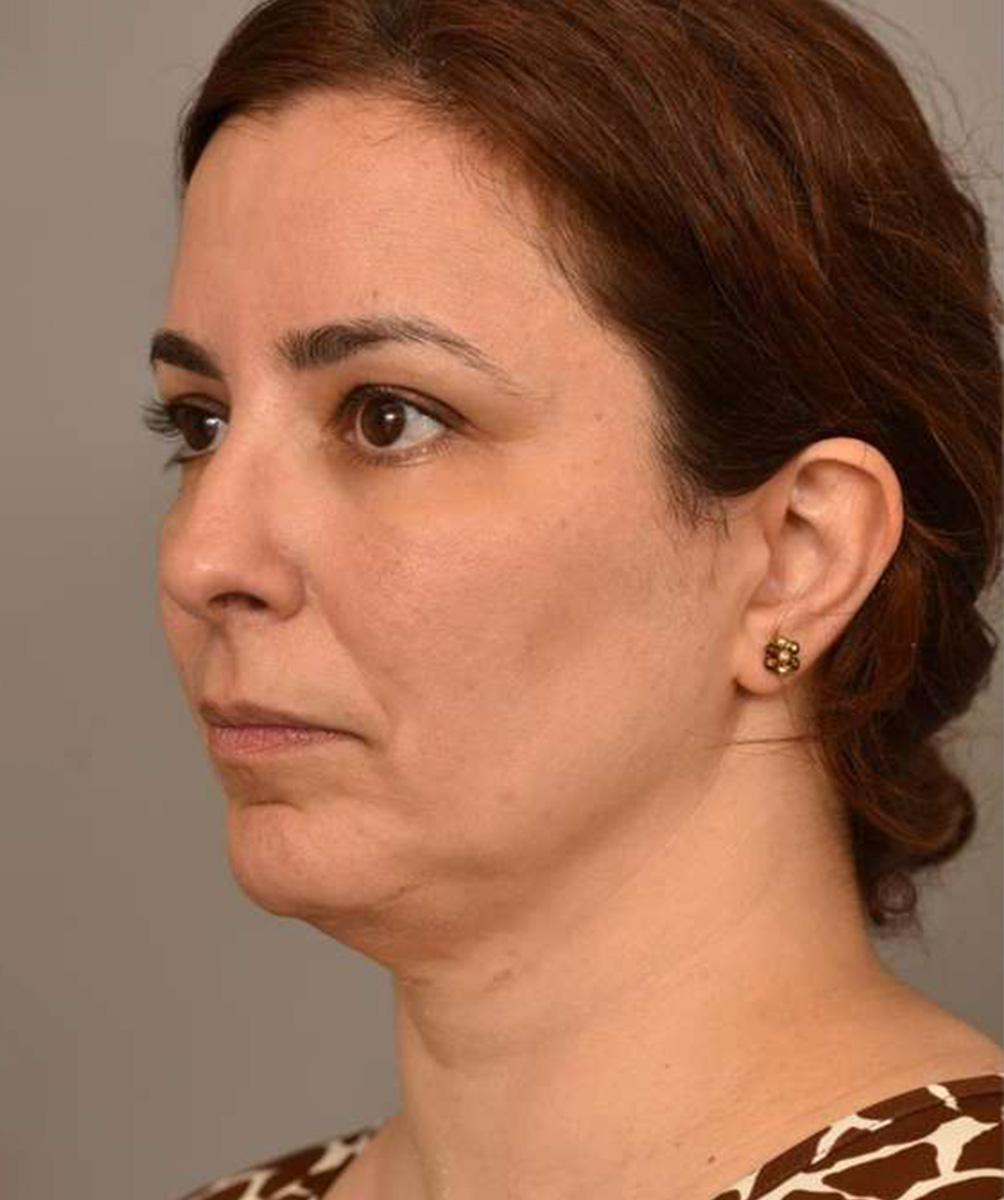
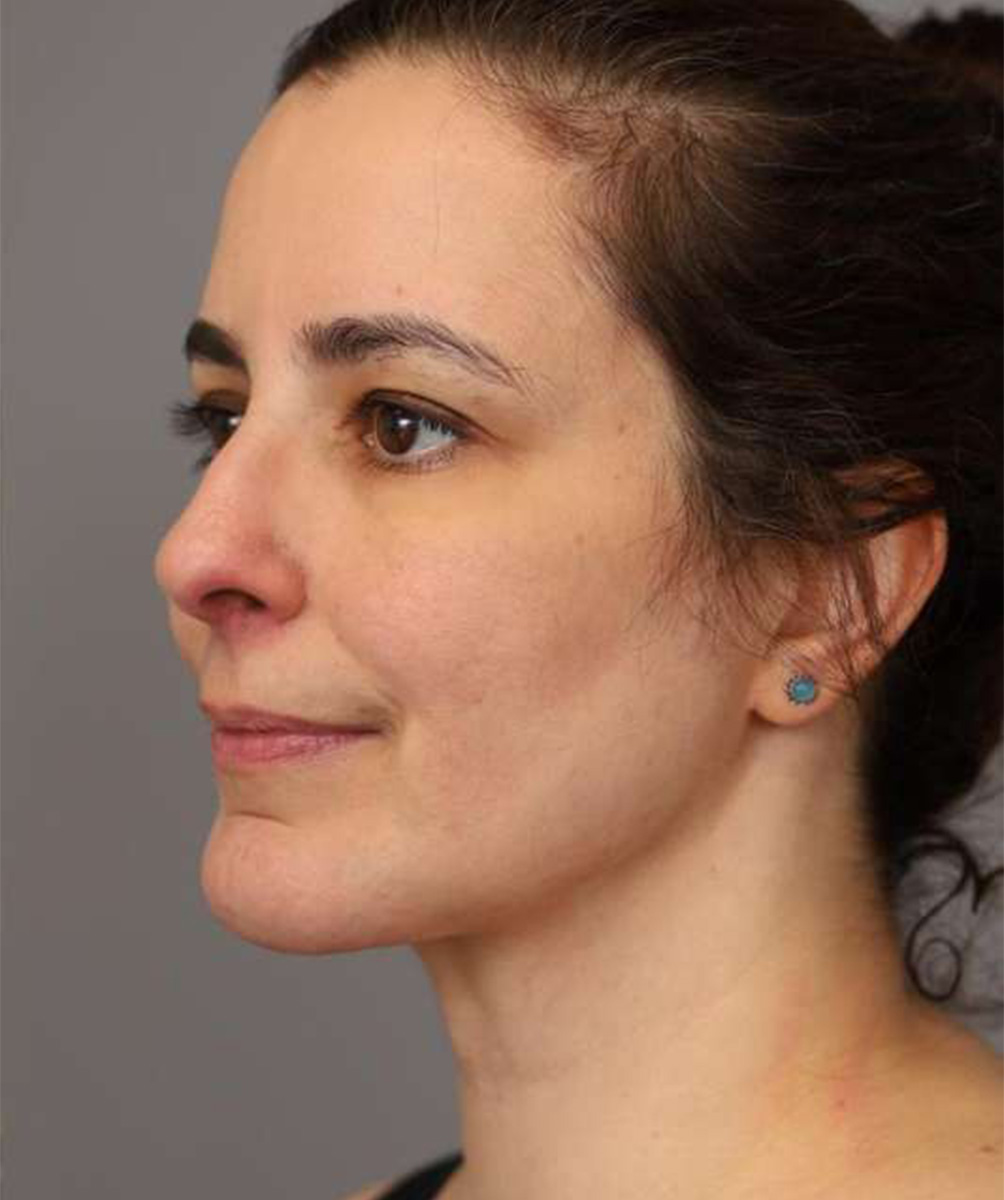
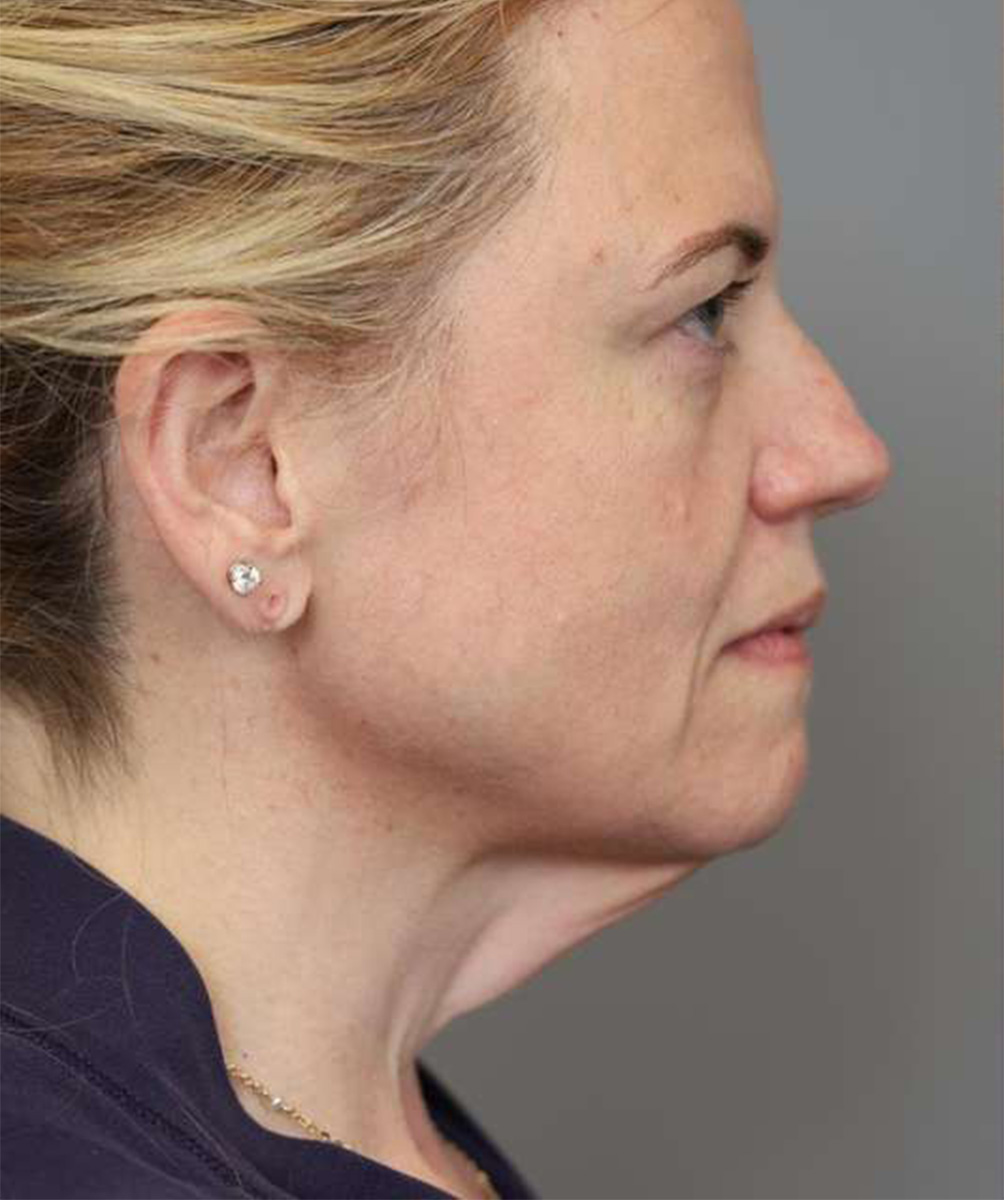
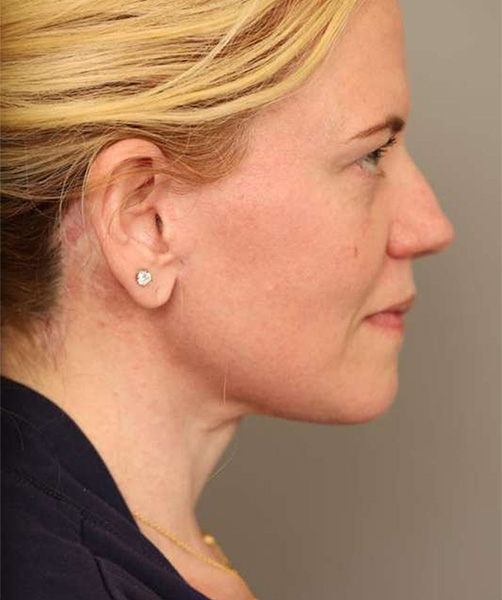
Rib Contouring (RibXcar) Before and After Photo

RibXcar "INVISARIB" Procedure
Before & After Scarless Rib Contouring (RibXcar)  Case 330 Front View in New York, NY

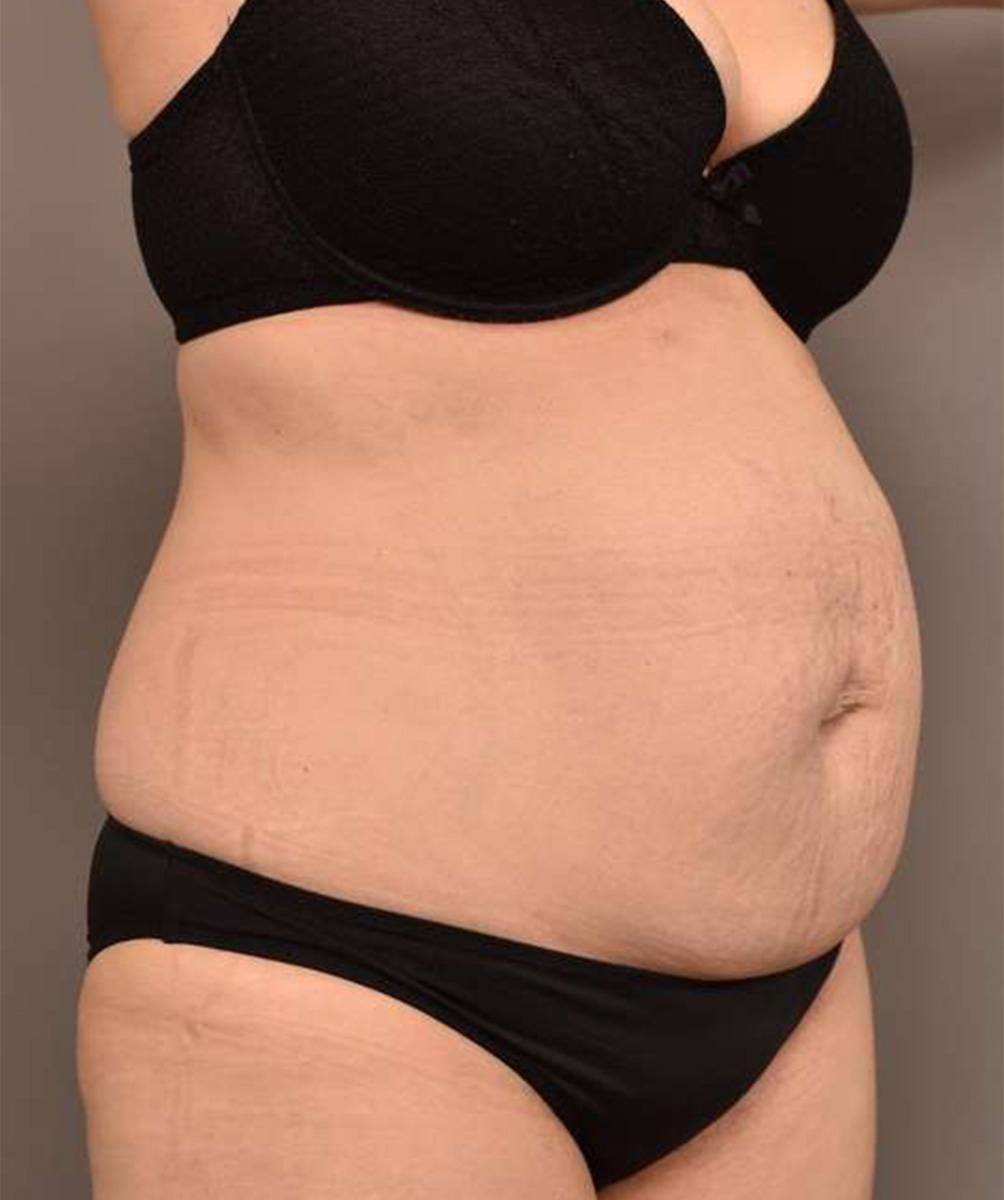
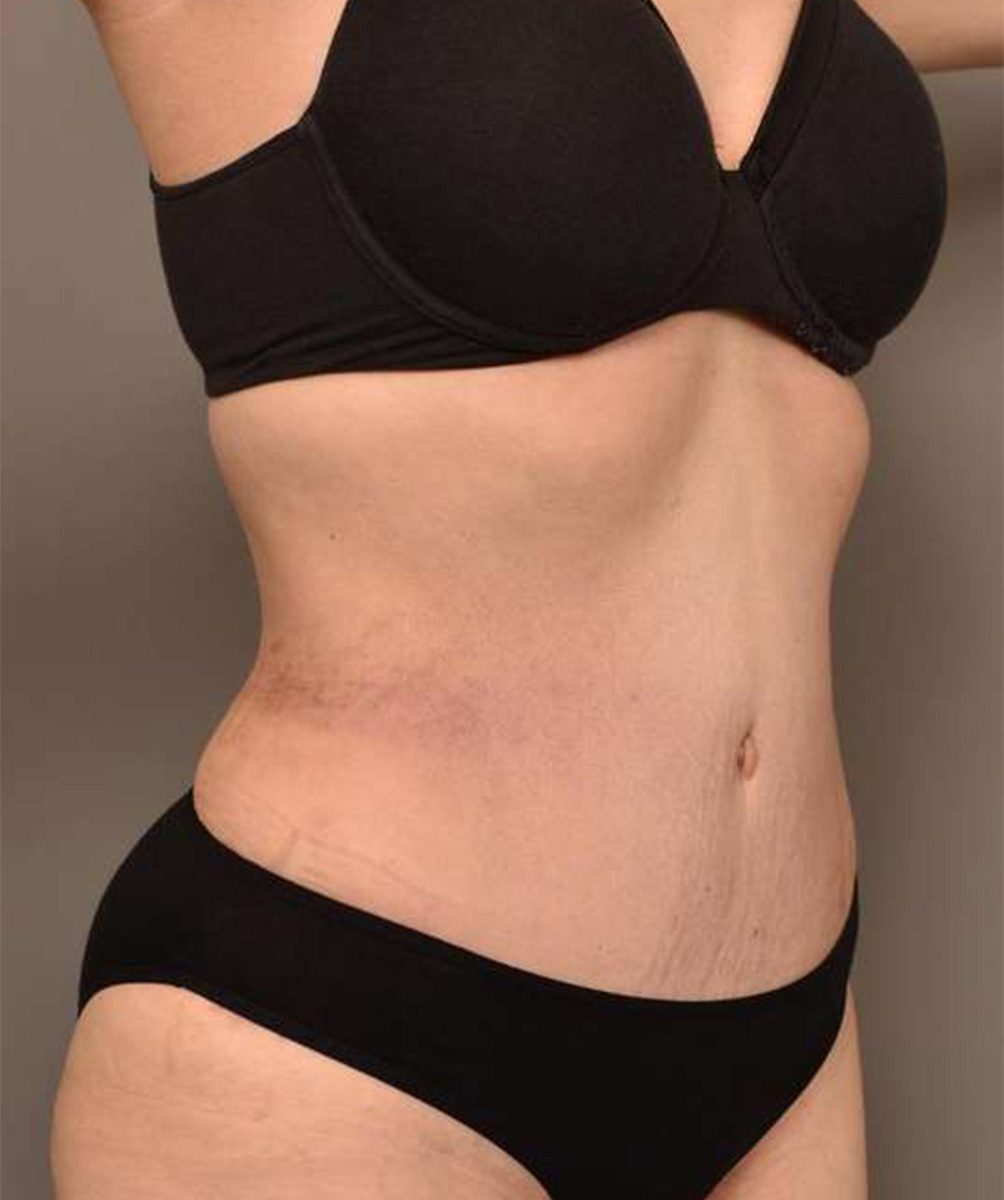
Combined Recovery – RibRemodeling With a Tummy Tuck

One of the most common combinations at Dr. Thomas Sterry’s Manhattan practice is RibRemodeling paired with a tummy tuck. A tummy tuck addresses the abdominal wall and removes excess skin. RibRemodeling narrows and sculpts the waist structure at the level of the ribs. Neither procedure accomplishes what the other does – together they deliver a midsection transformation significantly more complete than either achieves alone. For women with demanding lives in New York, NY, combining them means recovering once rather than twice.

The recovery window is longer than RibRemodeling alone, but it is a single period rather than two separate ones. At six months, the combined result – a tighter abdomen and a defined, narrowed waist – consistently exceeds what patients expected when they made the decision.

Long-Term Results – What To Expect

Because RibRemodeling modifies bone structure rather than soft tissue, its relationship with time is fundamentally different from most aesthetic procedures. The remodeled ribs do not return to their original shape. The angular change is structural and permanent – a new baseline, not a temporary improvement. Clinical follow-up data at six months and one year confirms that waist measurements remain consistent and the rib modification holds durably. Maintaining a stable body weight protects and preserves the result over time. Within the range of normal adult weight variation, the outcome of RibRemodeling through Dr. Thomas Sterry – Plastic Surgeon in New York, NY – is reliable, visible, and lasting.

FAQs About RibRemodeling Recovery In New York, NY

My work involves video calls for most of the day. How soon after RibRemodeling will my posture and on-screen presence feel like my normal self?

RibRemodeling does not affect the face, neck, or upper chest, so the camera-facing presence that colleagues and clients see is not disrupted the way it would be after a facial procedure. What changes in the early days is posture comfort. Some patients find that sitting fully upright for extended periods requires more conscious effort during the first week, and a chair with good lumbar support makes a meaningful difference. Most women feel camera-confident and professionally presentable by the end of week two, when the acute soreness has eased and energy has returned to a functional level. Dr. Thomas Sterry’s team helps each patient plan her return to video-heavy work around her individual healing pace.


The RibXcar entry point is tiny, but will it show during a New York summer in a bikini or a fitted crop top?

The pinhole entry used in the RibXcar technique is specifically placed and specifically sized to heal with minimal visibility. With consistent scar care throughout recovery, it typically fades to something genuinely inconspicuous in swimwear and midriff-baring clothing. The critical variable is sun protection. UV exposure – which New York, NY summers deliver in abundance – can darken a healing entry point significantly if it is not protected. Applying a high-SPF product to the site before any outdoor exposure, starting as soon as it has fully closed, is the single most important scar care habit. Patients who maintain this consistently through their first summer post-procedure routinely find the site has faded to a near-invisible mark by the end of that season.


How does the compression garment work under the clothing most New York women wear to the office – fitted blazers, structured dresses, high-waisted trousers?

The compression garment is worn beneath clothing and, with the right selection and styling choices, is not typically visible through professional attire. It functions as a foundation layer, and most structured office clothing accommodates it without a visible outline. The more relevant consideration in the first two weeks is comfort rather than appearance. Clothing that places direct pressure on the treatment area should be replaced with looser, more forgiving silhouettes during this period. By weeks three and four, as the garment schedule adjusts based on Dr. Thomas Sterry’s guidance, most women find their normal professional wardrobe accessible again.


Is there a point in RibRemodeling recovery where the body feels worse before it feels better, and when does that typically happen?

Yes, and knowing it is coming makes it considerably easier to move through. Days three through five are the most commonly reported low point of RibRemodeling recovery. This is when swelling peaks, when the initial post-anesthesia energy has faded, and when the result still feels invisible beneath bruising and fluid. This window is temporary and entirely expected. It does not predict the outcome. It is simply the peak of the body’s acute inflammatory response, and it passes. By days six and seven, most patients feel a clear shift toward improvement. Knowing that the low point has a defined timeframe makes it far easier to stay patient rather than anxious during those harder days.


Can RibRemodeling change how structured coats and blazers hang from the shoulders, not just how waistbands feel?

This is something patients often notice but rarely anticipate before the procedure. RibRemodeling narrows the waist at the level of the lower ribs, which creates a more pronounced differential between the waist and the shoulder measurements. Structured garments that fitted well across the shoulders may feel noticeably looser through the body, which typically improves how they hang and drape. Waistbands, belts, and fitted dresses that once felt tight at the natural waist may require tailoring or replacement. Wrap styles, fit-and-flare cuts, and any silhouette that emphasizes the waist-to-hip ratio tend to feel particularly rewarding after RibRemodeling, because the structural foundation beneath those garments has genuinely and permanently changed.


What happens to the RibRemodeling result if significant weight changes occur years after the procedure?

Because the procedure modifies bone structure, the foundational change is permanent regardless of what happens to body weight afterward. The remodeled ribs do not revert under any normal circumstance. What does change with significant weight fluctuation is the soft tissue surrounding that structural foundation. Meaningful weight gain adds volume around the waist in the way it adds volume elsewhere in the body, which reduces the visibility of the waist definition. Significant weight loss can affect how the skin drapes over the new rib contour. Within the range of normal healthy adult weight variation, these effects are minimal and the result remains clearly present. Maintaining a stable body weight protects the outcome most effectively over the long term.


How does the elevated sleeping position work in a typical New York City apartment with a platform bed or a firm mattress?

New York City apartments are not always designed with post-surgical recovery in mind. The elevated sleeping position recommended during the first week – keeping the upper body raised to reduce fluid accumulation around the treated ribs – can be achieved on any mattress type without specialized equipment. A quality wedge pillow placed directly on the mattress surface creates the necessary angle without any modification to the bed frame. A firm stack of two or three standard bed pillows achieves a comparable effect for patients who prefer not to purchase a wedge. The goal is simply to have the upper body elevated relative to the hips during rest. The specific sleeping surface matters far less than maintaining that angle consistently throughout the first week.

Schedule A Consultation With Dr. Thomas Sterry In New York, NY

Women throughout Manhattan, Brooklyn, Queens, and the wider New York, NY area choose Dr. Thomas Sterry – Plastic Surgeon – for refined, natural-looking results that last. His boutique practice on 5th Avenue in Manhattan is built around personalized, unhurried care. Every consultation is a genuine conversation about anatomy, goals, and what is realistically achievable.

During the RibRemodeling consultation, Dr. Thomas Sterry assesses the ribcage structure, discusses aesthetic goals in specific terms, explains how many ribs are candidates for remodeling, and creates a recovery plan tailored to each patient’s lifestyle and timeline in New York, NY. Dr. Thomas Sterry is among the very few – and in New York City, possibly the only – surgeon currently offering the RibXcar technique, having trained directly under Dr. Raul Manzaneda Cipriani in Peru, the physician who developed and pioneered this approach.

The first step is a single conversation. Women who attend that consultation consistently describe leaving with a clarity and confidence they did not have before – not because they were sold something, but because they were given honest, specific, expert information and the space to make a decision that belongs entirely to them.

Medical References 

Further Reading

Dr. Thomas P. Sterry Get to Know

Dr. Thomas P. Sterry

Dr. Thomas P. Sterry is a board-certified plastic surgeon in Manhattan with over 20 years of experience helping people look and feel their best. As a recognized leader in facial contouring and body sculpting, he’s known for delivering natural-looking results with an incredible bedside manner.

  • Certification Matters: Board-certified by the American Board of Plastic Surgery
  • Established in NYC: In private practice in Manhattan since 2001
  • Respected Teacher: Clinical Assistant Professor at Mount Sinai Medical Center
  • Award Winner: Multiple awards and honors from multiple websites and societies
  • Trusted Credentials: Member of ASPS, The Aesthetic Society, and other prestigious groups
Meet Dr. Sterry Request a Consultation

Credentials you can trust

Dr. Thomas P. Sterry' Credentials Dr. Thomas P. Sterry' Credentials
Dr. Thomas P. Sterry

Leave a Reply

Fields marked with * are required.

Contact