
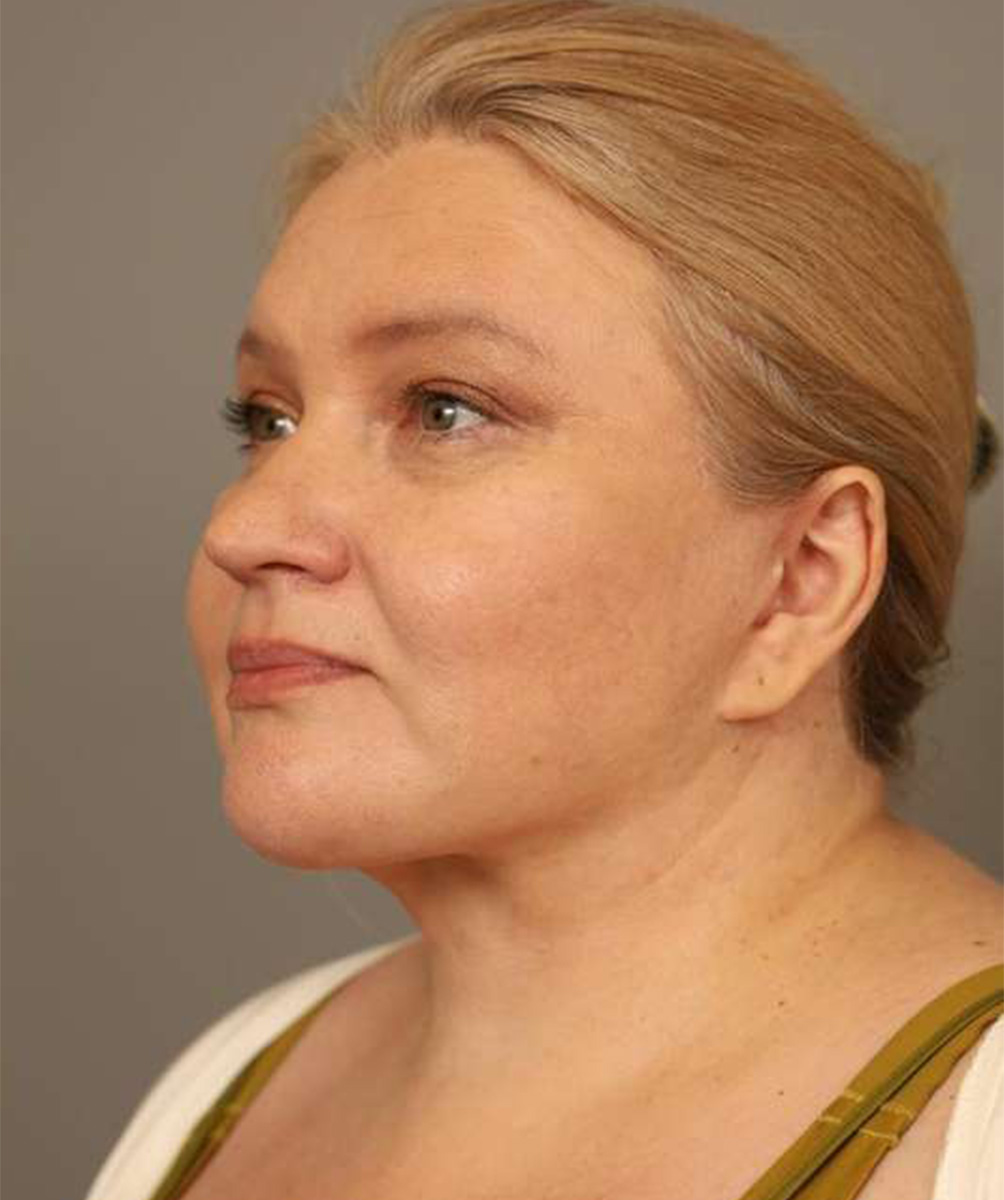
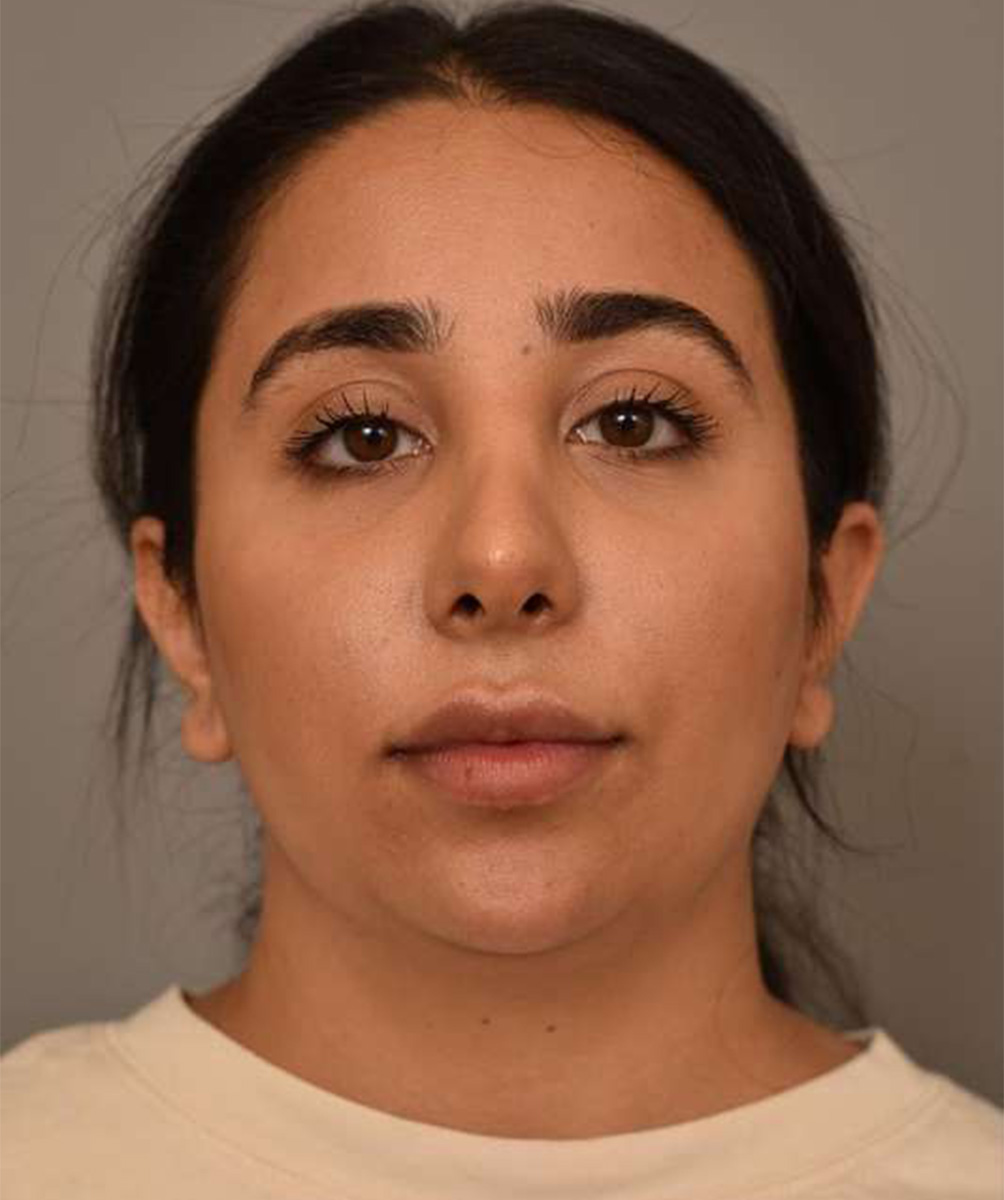
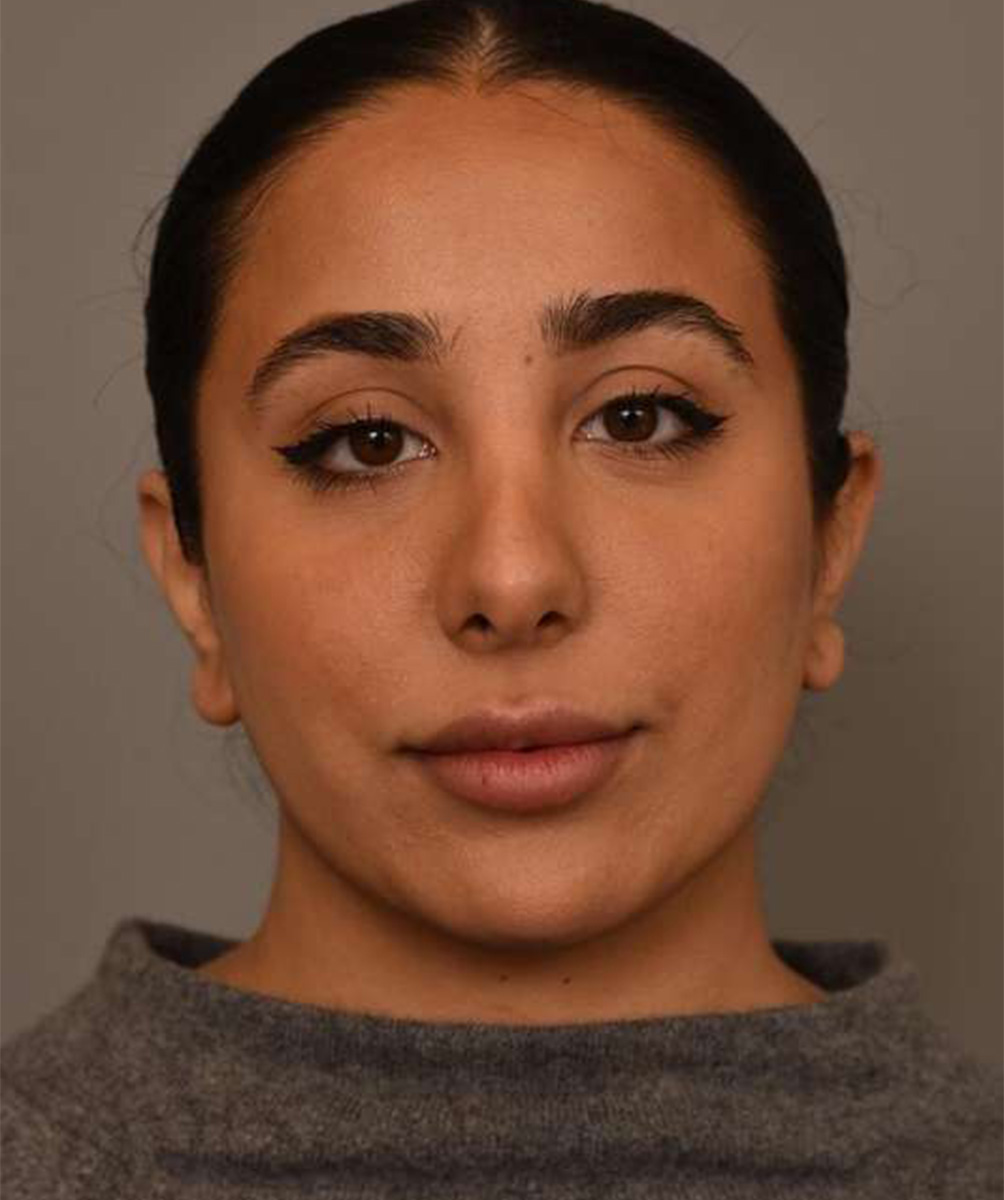
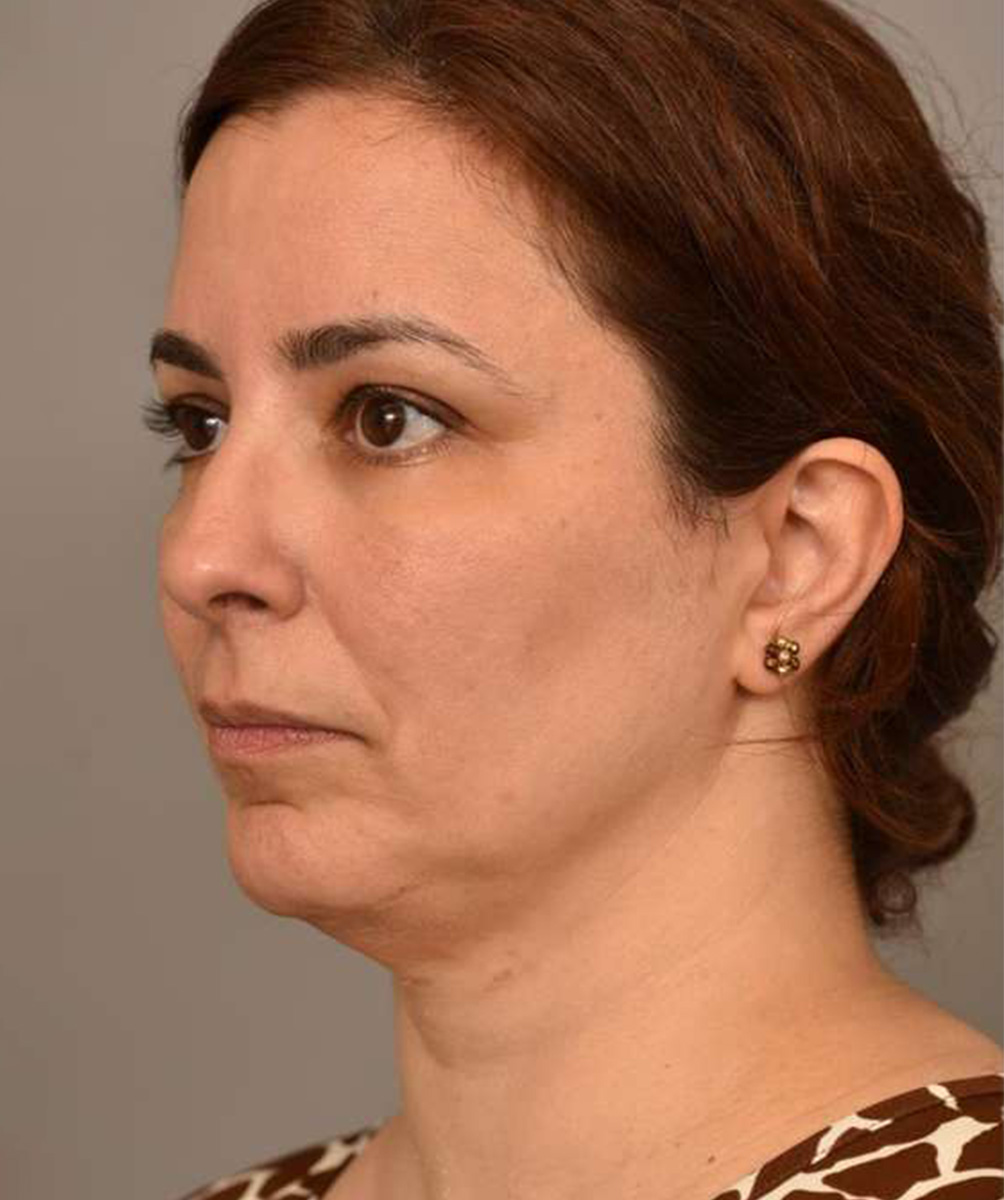
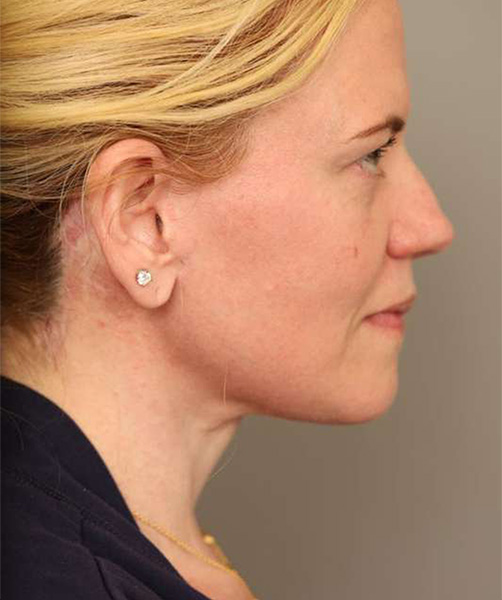
Upper Blepharoplasty
Conveniently located to serve the areas of New York, NY

An upper blepharoplasty, or upper eyelid lift, is a procedure that removes excess skin and, when needed, fat and underlying muscle from the upper eyelids. By eliminating sagging skin, heavy hoods, and upper lid bags, it restores a naturally refreshed, open, and youthful appearance around the eyes. (1)
Distinguished board-certified plastic surgeon Thomas P. Sterry, M.D., performs upper blepharoplasties at his Upper East Side office in Manhattan, New York City. With more than 25 years of experience and over 10,000 procedures, he has built a reputation for surgical excellence, precision, and a compassionate approach. Dr. Sterry crafts personalized treatment plans to deliver transformative results, empowering each patient to reach their aesthetic vision and feel entirely confident in their appearance.
To explore how upper blepharoplasty may support your facial rejuvenation, request a consultation with Dr. Sterry or call our office at (646) 904-5584.
Contents
- 1 Before and After Photos
- 2 About Upper Blepharoplasty
- 3 Benefits
- 4 Candidates
- 5 Personal Consultation
- 6 Procedure
- 7 Recovery
- 8 Results
- 9 Upper Blepharoplasty with Dr. Sterry
- 10 Corresponding Procedures
- 11 Cost of Upper Blepharoplasty in Manhattan, New York City
- 12 Your facial contouring guide
- 13 FAQ
- 14 References
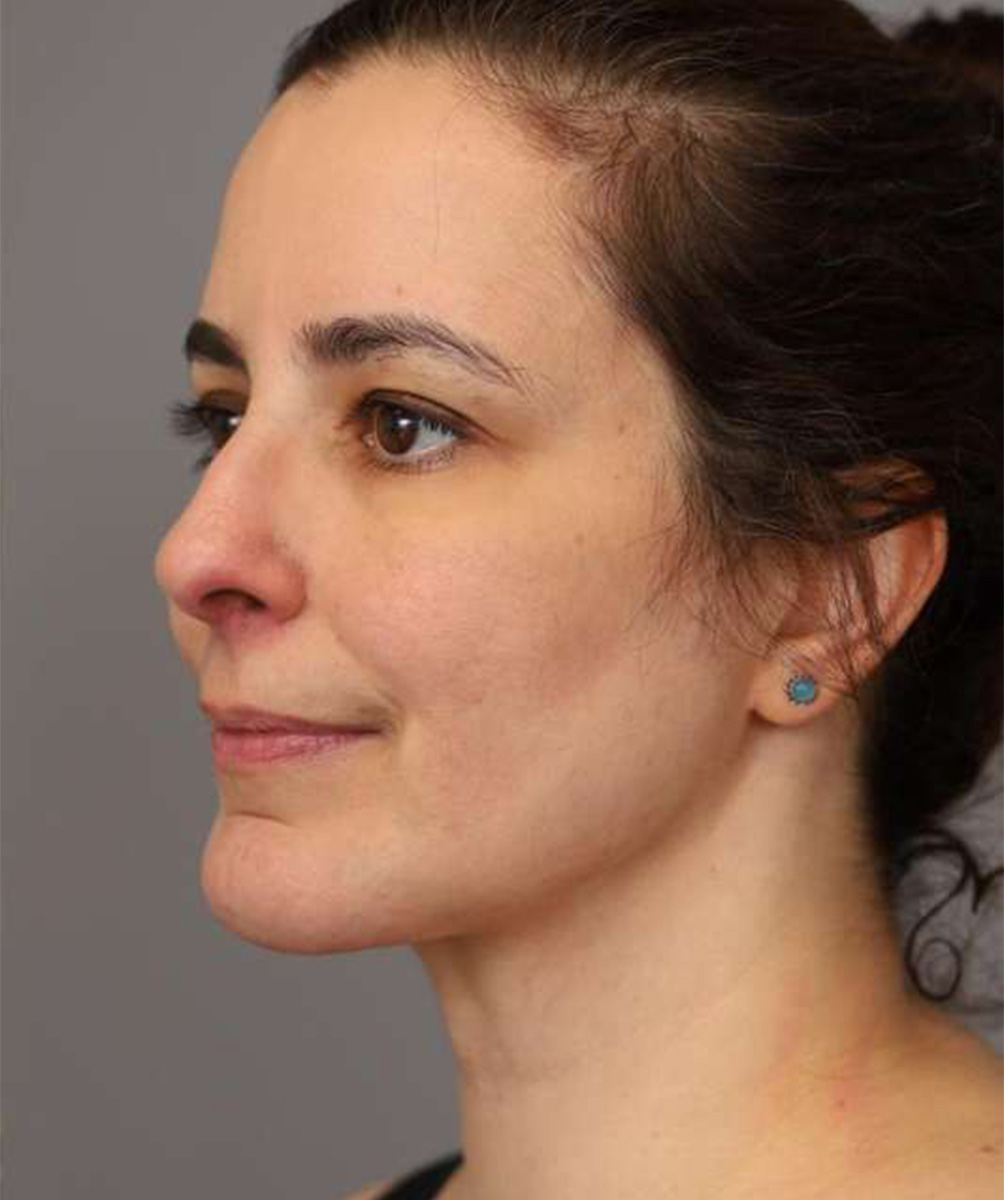
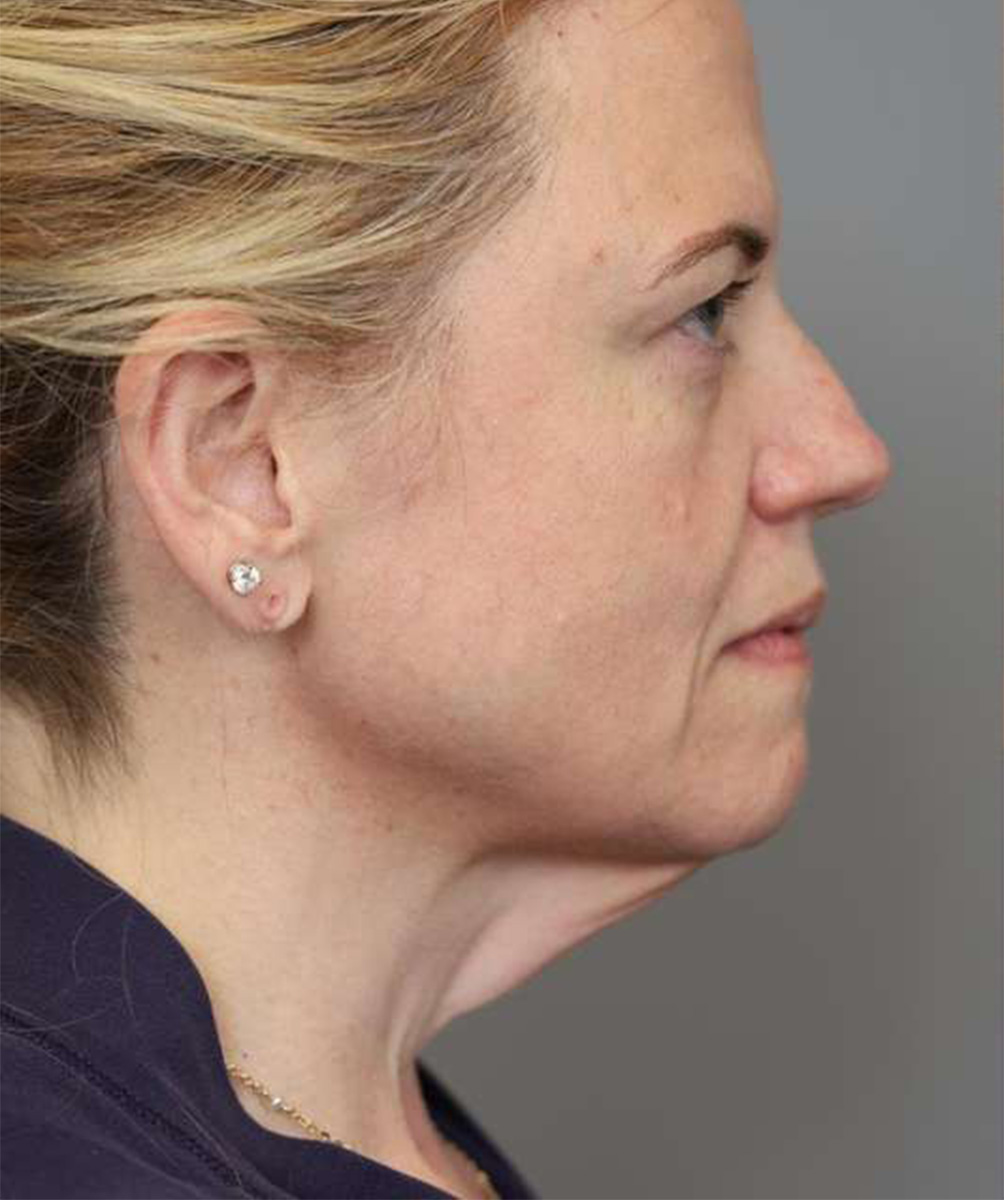
Before and After Photos


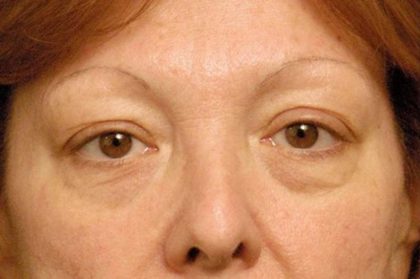
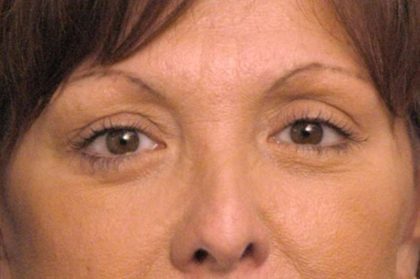
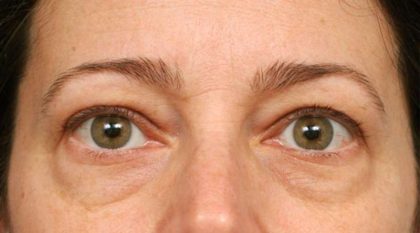
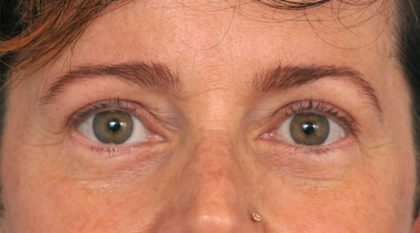
About Upper Blepharoplasty
The eyes are among our most expressive and prominent facial features. Because they play a central role in how others experience you, changes in this area are often most noticeable. (1) When the upper eyelids begin to sag and lose structure, you may appear stern, tired, or inattentive, even when that does not reflect how you feel inside. That disconnect between how you feel and how you look can be frustrating.
Dr. Sterry believes upper blepharoplasty is one of the most overlooked yet most effective procedures in facial surgery. Because people notice your eyes first, refreshing them can brighten your whole face. Since a facelift addresses only the lower portion of the face, eyelid surgery is often key to giving your eyes a younger, well-rested look and achieving complete facial harmony. That is why he offers various procedure combinations so you can customize treatment and achieve your ideal face. He understands every patient is unique and tailors his approach to your anatomy, goals, and needs.
What Causes Upper Eyelid Hooding?
Upper eyelid skin is among the thinnest and most delicate on the body, which is why it is often one of the first areas to show visible signs of aging. Over time, factors like sun exposure, gravity, genetics, and the natural loss of collagen and elastin can weaken upper eyelid tissue, allowing loose skin to accumulate. This loose, excess eyelid skin is medically known as dermatochalasis, or hooding. (1) Some people are born with heavier lids, so hooding can affect younger adults, too.
This loose skin can fold over your natural crease, making it difficult to apply eye makeup and, in some cases, obstructing part of your vision. Weakened tissue can also let fat push forward, making the inner corner of the eye appear puffy. (2) Upper blepharoplasty treats these changes at the source. Dr. Sterry carefully removes excess skin and, when appropriate, treats underlying fat or muscle to restore a more balanced upper eyelid contour and help you feel like your best self.
Excess Skin, Ptosis, or a Low Brow?
When evaluating heavy upper eyelids, drooping and fullness do not always come from skin hooding alone. A low or sagging brow can push the skin downward and crowd the upper eyelid area. Alternatively, a condition called true eyelid ptosis occurs when the primary muscle that lifts the eyelid stretches or weakens, causing the lid edge to sit too low and fall over the eye. Because these structural changes share similar characteristics, they can easily be mistaken for one another, and many patients often have a combination of both.
Distinguishing them is essential because an upper blepharoplasty removes excess skin and fat but does not correct ptosis or lift a sagging brow on its own. (2) If a drooping brow is your main concern, a brow lift may be a more appropriate and effective choice to restore your eye area. To determine the root cause, Dr. Sterry checks your brow position and eyelid edge during your consultation.
Benefits
An upper blepharoplasty effectively addresses both aesthetic and functional concerns, delivering comprehensive revitalization. Dr. Sterry strategically tailors each procedure to complement and enhance your unique facial features, offering benefits such as: (3)
- Improved Field of Vision: Reduces sagging skin that hangs over the eyelashes and blocks your peripheral vision.
- Enhanced Appearance: Lifts and tightens heavy skin above the eyes to restore a younger, refreshed appearance, helping patients look more awake and alert.
- Reduced Eye Strain: Reduces the need to constantly use your forehead muscles to lift your eyebrows, relieving forehead fatigue and headaches.
- Restored Eyelid Crease: Restores a clean, smooth upper eyelid crease to reveal your eye’s natural shape and contour.
- Long-Lasting Results: Removed tissue does not grow back, delivering visible rejuvenation that can last for years.
- Boosted Self-Confidence: Harmonizes your facial features for a refreshed, attentive appearance that leaves patients feeling revitalized and more confident.
Candidates
Ideal candidates for upper blepharoplasty are individuals in good overall health with realistic expectations for their recovery and results. You may also be a suitable candidate if you experience: (2)
- Dermatochalasis: Excess or redundant upper eyelid skin that droops too low, weighing down your lashes and making your eyes feel tired or heavy.
- Ptosis: An upper eyelid margin that falls below its normal position and sometimes obstructs the field of vision. It can occur on its own or alongside dermatochalasis and may require an additional ptosis repair.
- Visual Field Impairment: Sagging upper eyelid skin or a heavy drooping brow that obstructs peripheral vision.
- Puffy-Looking Upper Eyelids: Bulging fat pockets that push outward, making the inner corners or upper eyelids look tired, swollen, or heavy.
Personal Consultation
During your personal consultation, Dr. Sterry will review your medical history, and you will discuss your specific functional and aesthetic goals together. He will perform a comprehensive physical examination of your eyes, assessing skin laxity, muscle tone, brow position, and fat distribution. He will evaluate whether your upper eyelid concerns stem from dermatochalasis, ptosis, or both. Based on this assessment, Dr. Sterry will provide a personalized treatment plan and walk you through every aspect of the procedure, including preoperative and postoperative care, recovery timelines, and cost details.
To learn more about an upper blepharoplasty, request a consultation with Dr. Sterry or call our office at (646) 904-5584.
Procedure
Dr. Sterry performs upper blepharoplasty procedures in his Manhattan office using local anesthesia and light sedation to keep you comfortable throughout the process. He prefers this approach over general anesthesia because it is safer and makes for a smoother recovery, with most patients able to go home the same day.
Before the procedure begins, Dr. Sterry carefully marks your skin to map out the precise amount of tissue to remove. (1) He then makes an incision along your natural eyelid crease, stretching from near the inner corner to just slightly past the outer corner of the eye. Because he places the incision within that existing fold, the surrounding skin covers and conceals the scar, making the mark extremely discreet once it fully heals.
Dr. Sterry then carefully trims away the loose, excess skin that he mapped out beforehand. Depending on your eye shape, he may also gently remove or reposition bulging fat pockets and sometimes remove a tiny strip of tissue to create a clean eyelid crease. (2) Once he completes the necessary adjustments, he meticulously closes the edges with very thin, fine stitches. Since this procedure is extremely precise and targeted, Dr. Sterry typically completes both upper eyelids in approximately 30 minutes.
Recovery
For the first few days after your procedure, you can expect some swelling and bruising around your eyes. Your eyelids may also feel tight, and your eyes may feel dry or watery. To help support healing and stay comfortable, sleep with your head elevated, use cold compresses, and apply any eye drops or ointments Dr. Sterry prescribes. (1) While the initial healing phase may look dramatic, most patients find that discomfort is mild and easy to manage.
Recovery timelines vary based on the procedure’s extent and whether you received combined treatments, but most patients can expect the primary healing phase to take about a week. During that time, you will return to our office so Dr. Sterry can check on your healing progression and remove your stitches. To protect your healing eyelids, avoid strenuous activity until he clears you. By the time your stitches are removed, you will notice a major drop in swelling, although any residual puffiness will continue to fade over the following weeks as your final results take shape.
Incision and Scar Care
Because Dr. Sterry places the incision in the natural eyelid crease, the scar is largely hidden when your eyes are open. Initially, your scar may appear pink, but it will gradually fade and blend in with your skin over several months. To support smooth healing and optimal results, keep the area clean, apply the prescribed ointment, and protect it from sun exposure as it heals. (1) Dr. Sterry checks your scar at each follow-up visit to make sure it heals well. After your procedure, you will receive detailed postoperative instructions tailored to your health profile and treatment plan. Following his instructions closely will support the procedure’s success and safety.
Results
By strategically removing excess sagging skin and, when needed, fat from the upper eyelid, Dr. Sterry’s upper blepharoplasty approach creates a more rested, youthful, and open eye contour with long-lasting results. It smooths upper eyelid hooding for a clearer, more defined shape. If drooping skin covers your eyelashes or blocks your vision, the surgery can also help open your field of vision so you can see more comfortably. (3) As tissues settle and incision lines fade, improvements will become increasingly evident over the following several months. Your results can last a decade or longer, but aging continues, and eyelid laxity can recur.
Upper Blepharoplasty with Dr. Sterry
With over two decades of experience, Dr. Sterry specializes in precise skin removal and hidden scar placement. He spent his early career on body contouring and breast surgery. Today, his practice centers on the face. He applies that same precision to your eyelids, tucking the incision into your natural crease. He has educated plastic surgery residents, earned multiple teaching awards, and regularly travels to adopt innovative techniques. He truly loves his work, and it shows in the care he gives every patient. Explore his work on Instagram, YouTube, and TikTok.
Corresponding Procedures
Dr. Sterry often pairs upper blepharoplasty with additional treatments to address broader concerns around the eyes and surrounding facial features to achieve more comprehensive results. Depending on your specific goals and concerns, these may include:
- Brow Lift: Complements upper blepharoplasty when both the brow and upper eyelid show signs of aging. It smooths forehead lines and lifts sagging brows that cause upper lid hooding.
- Lower Blepharoplasty: Addresses under-eye bags, puffiness, and tear troughs for a complete eye-area rejuvenation.
- Facelift: Targets concerns on the lower face, including sagging and jowls, to restore balance and a youthful appearance.
Cost of Upper Blepharoplasty in Manhattan, New York City
The total cost of your upper blepharoplasty depends on various factors, including the procedure’s complexity, the technique used, anesthesia, and more. During your personal consultation with Dr. Sterry, he will provide a detailed cost breakdown tailored to your unique treatment plan.
To learn more about the price of your upper blepharoplasty, schedule a consultation online or call our office at (646) 904-5584.
Your facial contouring guide
Dr. Sterry’s free e-guide, A Complete Guide To Facial Contouring, is a must-have for women and men who want enhanced facial features.
In the guide, you’ll learn how Dr. Sterry uses precise facial sculpting techniques such as liposuction, facial implants, and buccal fat removal to create the V-shaped appearance that’s universally considered the hallmark of an attractive face.
“I had the most incredible experience at Dr. Sterry’s practice…I underwent neck/chin liposuction, and the results are astounding. I still look like myself, but my jawline is completely renewed.”
– Claire M., 5-Star Google review
Submit the form below to receive our free e-guide.
FAQ
Will an upper blepharoplasty change the shape of my eyes?
Instead of changing the fundamental shape of your eyes, the procedure aims to enhance and define your natural eyelid contour. Dr. Sterry carefully removes precise amounts of excess skin to preserve your natural features and restore a more youthful appearance. The primary goal of an upper blepharoplasty is to refresh your eyes, not reinvent your eye shape.
Can an upper eyelid lift correct eye asymmetry?
An upper eyelid lift may correct asymmetry if excess skin, fat, or a heavy crease on one side is causing it. When appropriate, Dr. Sterry can reshape or reposition the tissue to match the contour and height of the opposite eye, creating a more rested, balanced look for the overall face. (1)
References
- Bhattacharjee K, Misra D, Deori N. Updates on Upper Eyelid Blepharoplasty. Indian Journal of Ophthalmology. 2017;65(7):551. doi:10.4103/ijo.ijo_540_17
- Rodrigues C, Carvalho F, Marques M. Upper Eyelid Blepharoplasty: Surgical Techniques and Results—Systematic Review and Meta-analysis. Aesthetic Plastic Surgery. 2023;47(5):1870-1883. doi:10.1007/s00266-023-03436-6
- Hollander MHJ, Contini M, Pott JW, Vissink A, Schepers RH, Jansma J. Functional Outcomes of Upper Eyelid Blepharoplasty: A Systematic Review. Journal of Plastic, Reconstructive & Aesthetic Surgery. 2019;72(2):294-309. doi:10.1016/j.bjps.2018.11.010
About Dr. Thomas P. Sterry
Board-Certified Plastic Surgeon · Sterry MD
- Board certification
- American Board of Plastic Surgery (verify)
- Education and training
- Medical Doctor with Distinction in Research, Stony Brook University, School of Medicine (May 1995)
- Master of Science in Exercise Physiology, Queens College of the City University of New York (September 1988)
- Bachelor of Arts in Liberal Arts, Stony Brook University (May 1987)
- General Surgery Residency, New York, N.Y. (1995-1998)
- Plastic Surgery Residency, New York, N.Y. (1998-2001)
- Memberships
- American Society of Plastic Surgeons – Full Member
- American College of Surgeons – Fellow
- American Society for Aesthetic Plastic Surgery – Candidate Group Member
- The Aesthetic Society – Member
- President Elect, New York State Society of Plastic Surgeons
- Vice President, New York Regional Society of Plastic Surgeons
- Assistant Treasurer, New York County Medical Society
- Awards
- Super Doctors New York– Top 5% of physicians
- RealSelf Top Doctor– Hall of Fame and Top Contributor distinctions
- Vitals.com– Patients’ Choice Award (5th Anniversary Award, On-Time Doctor Award & Compassionate Doctor Recognition—multiple wins)
- America’s Top Plastic Surgeons–Awarded by the Consumers’ Research Council of America
- NPI
- 1306932058