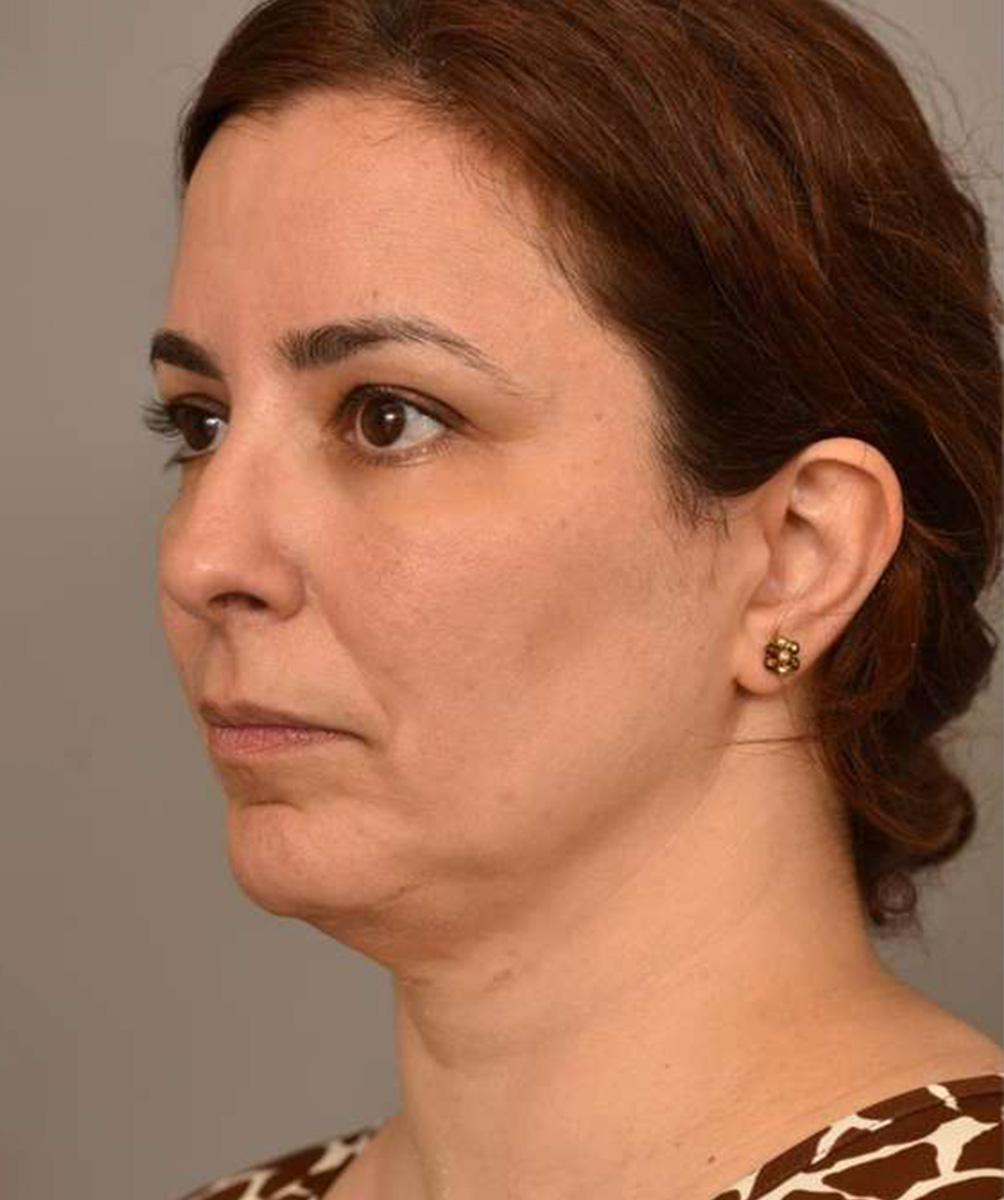
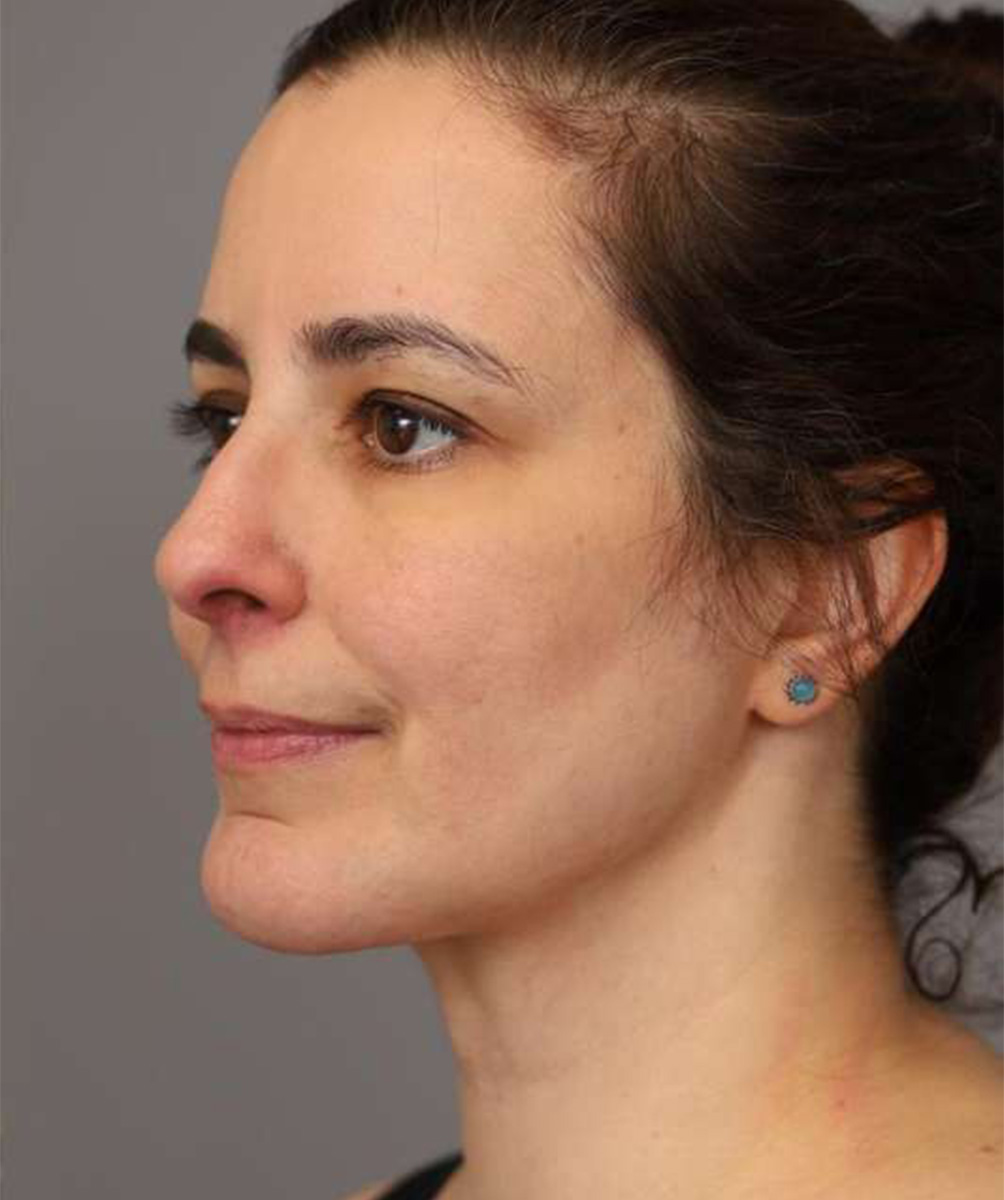
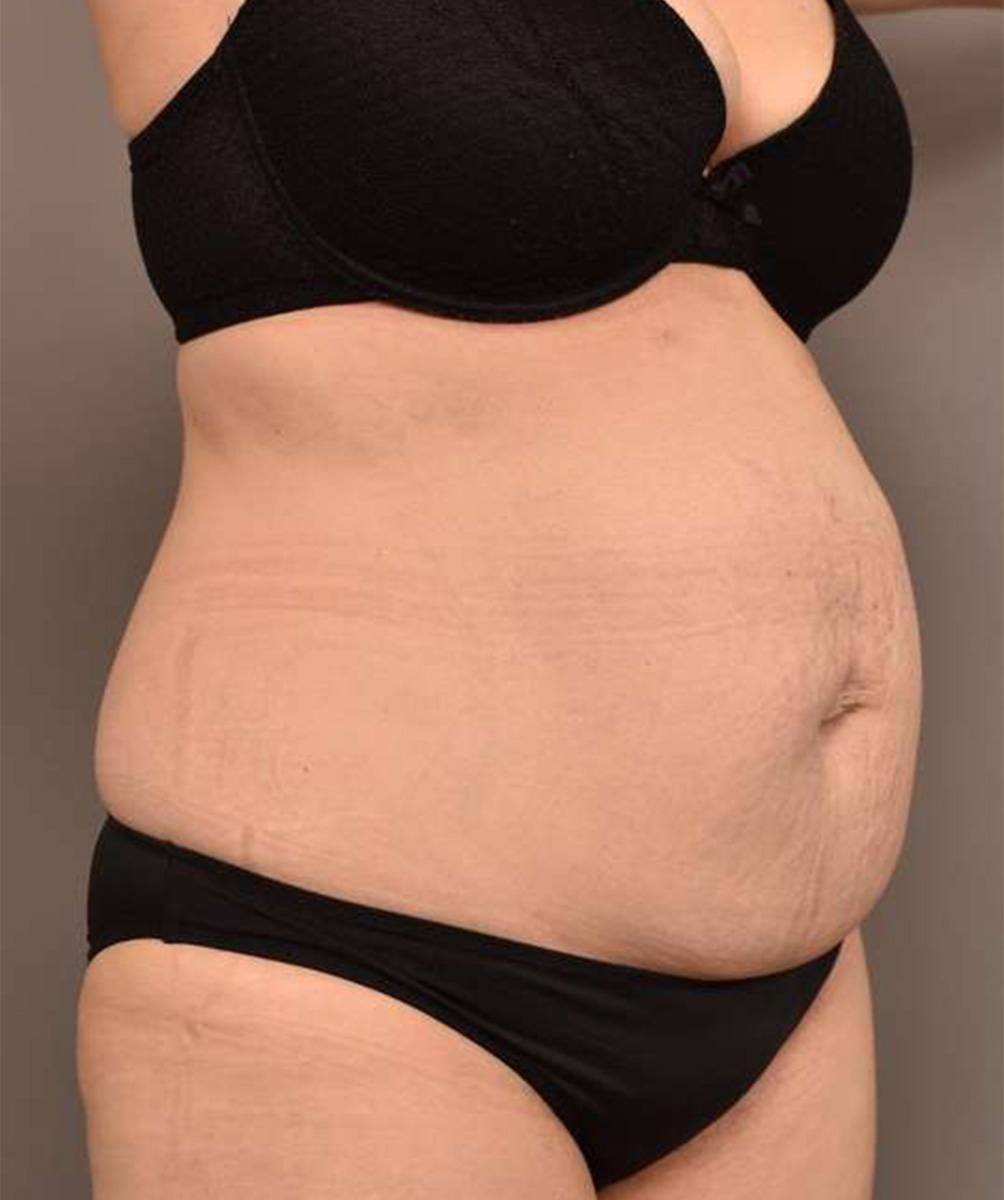
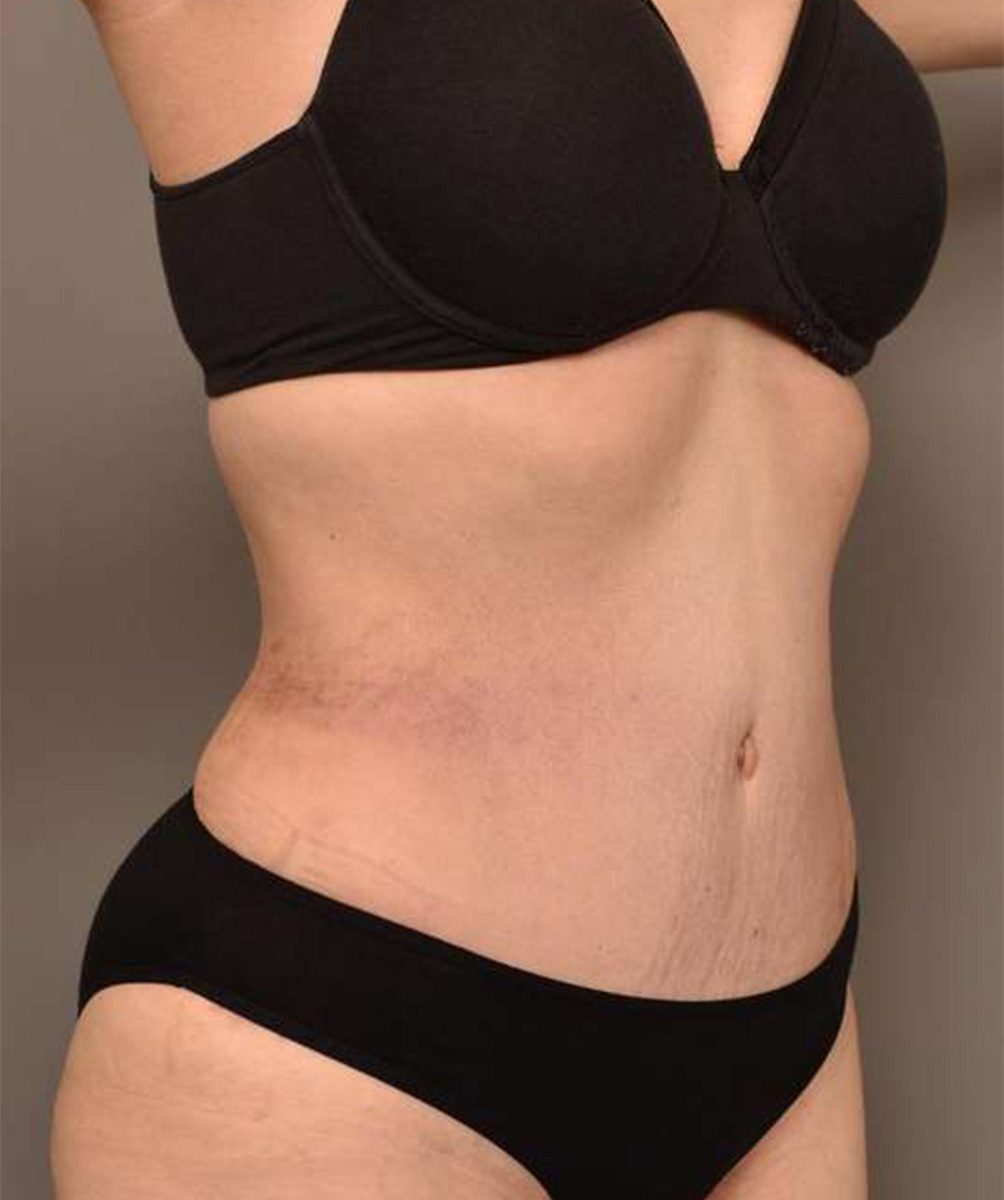
Deep Plane Facelift
Conveniently located to serve the areas of New York, NY

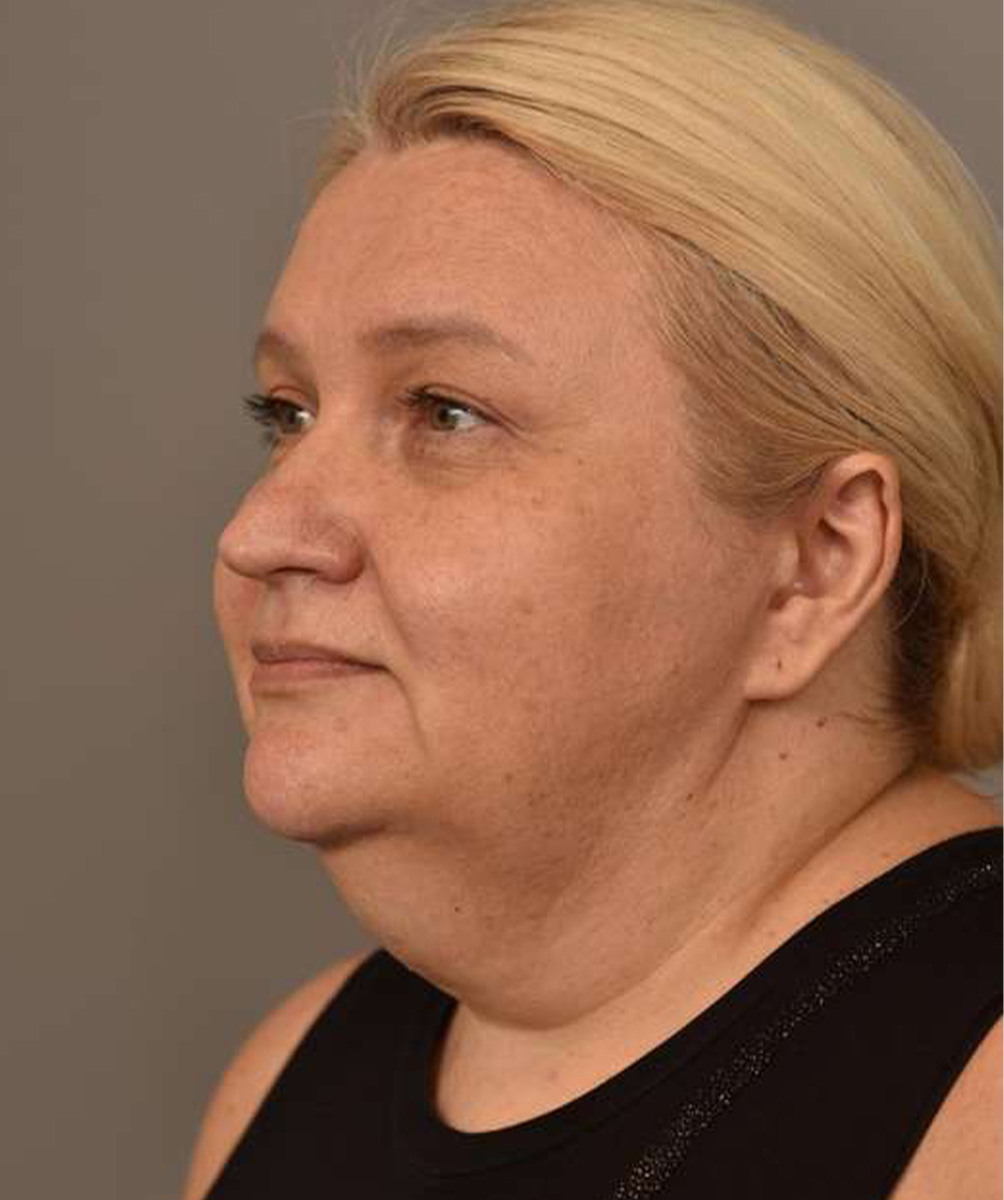
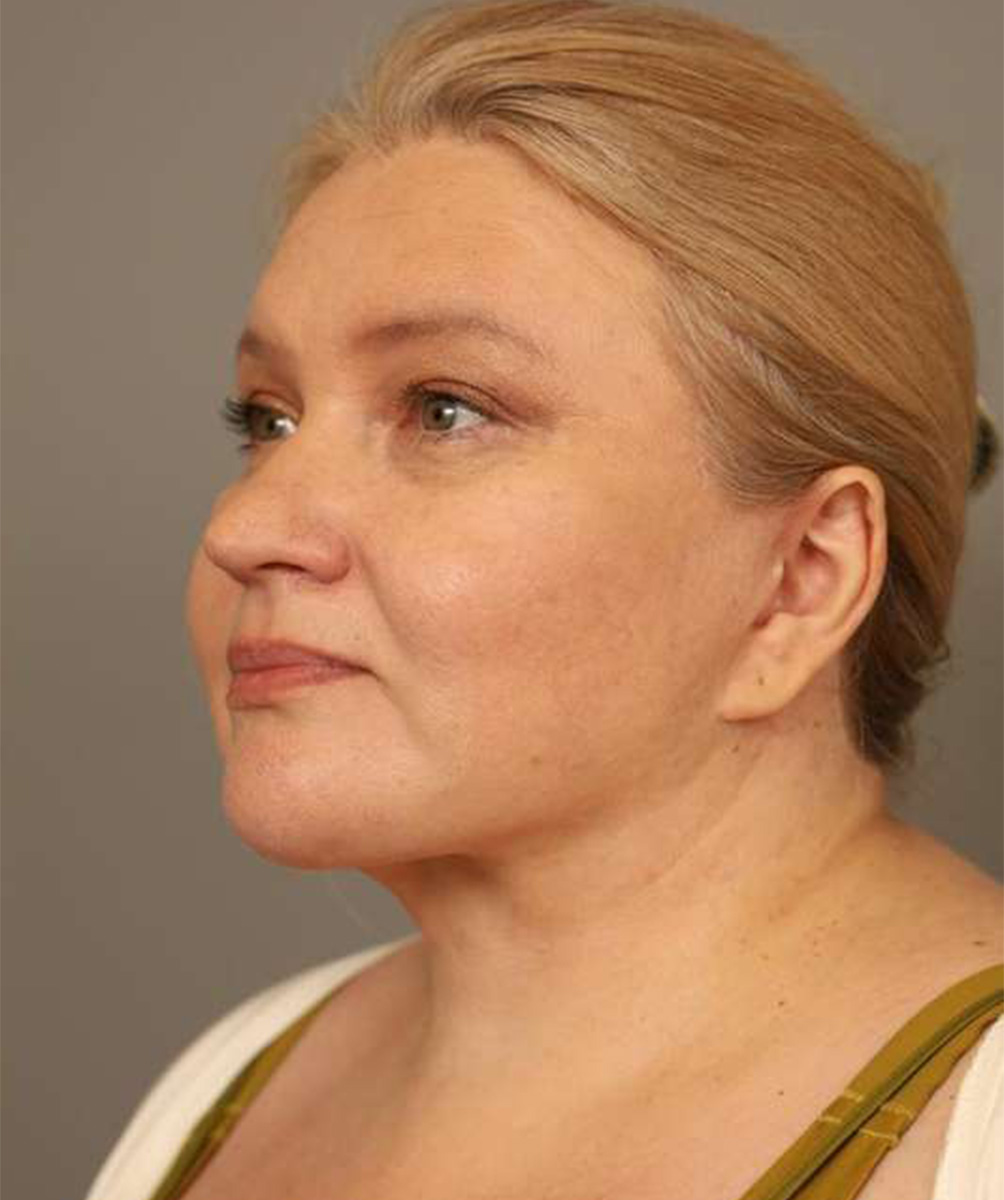
A deep plane facelift is one of the most advanced facelift techniques available today. It offers natural-looking, long-lasting results by addressing the deeper layers of facial tissue, not just the skin.
Board-certified plastic surgeon Dr. Thomas Sterry performs deep plane facelift surgery in NYC using this technique to help patients in Manhattan achieve refined results while preserving their natural expressions.
Contents
- 1 Before and After Photos
- 2 What is a deep plane facelift?
- 3 Who’s a good candidate?
- 4 Your procedure
- 5 Video
- 6 Recovery timeline & aftercare
- 7 Pre- and post-surgery guidelines
- 8 Combining procedures
- 9 Why choose a deep plane facelift?
- 10 Your facial contouring guide
- 11 FAQ
- 12 Ready to rejuvenate your look?
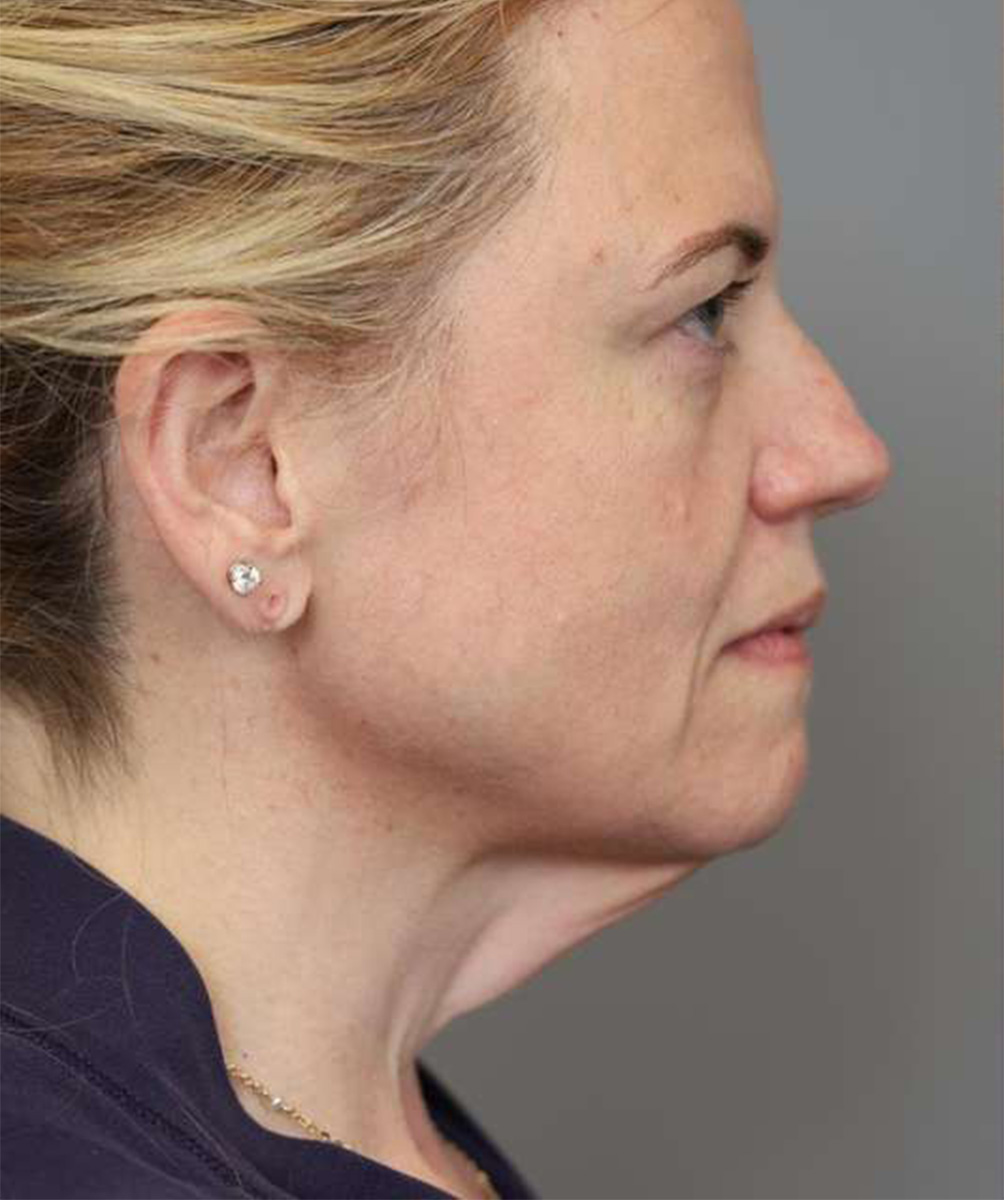
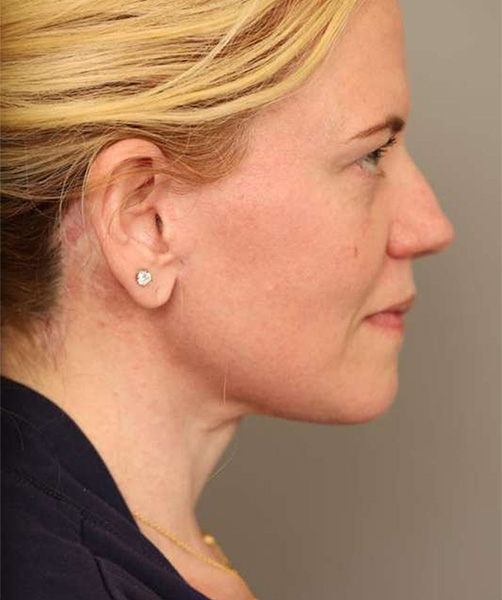
Before and After Photos


What is a deep plane facelift?
Unlike traditional facelift techniques that primarily tighten the skin, the deep plane facelift repositions deeper facial structures—like the muscles, ligaments, and fat pads—for comprehensive and natural-looking rejuvenation.
This procedure is ideal for addressing:
- Sagging cheeks
- Deep nasolabial folds (smile lines)
- Jowls and jawline laxity
- Loose skin in the lower face and upper neck
By lifting the deeper layers as one continuous unit, the face retains soft, youthful-looking movement without an overly tight or “pulled” appearance.
Who’s a good candidate?
Dr. Sterry typically recommends deep plane facelift surgery for patients who:
- Are in their 40s to 70s
- Show visible signs of facial aging (sagging cheeks, jowls, or deep facial folds)
- Are healthy nonsmokers (or willing to stop) who have realistic expectations
- Want natural-looking, long-term results from a single procedure
Younger patients may also be good candidates if they’re proactively addressing early signs of aging. However, patients in their 30s or early 40s are typically better candidates for a less invasive Naturalift™ mini facelift.
Your procedure
1. Comprehensive Consultation
Your treatment begins with an exam and a thorough discussion of your aesthetic goals and concerns. Dr. Sterry then recommends a detailed, customized treatment plan.
2. Meticulous Incisions
Small, hidden incisions are made around the ears and hairline to provide access to the deeper facial layers.
3. Deep Tissue Repositioning
The deeper SMAS layer, including fat and muscle, is carefully lifted and repositioned to restore youthful facial contours.
4. Skin Redraping
The skin is gently re-draped without tension, and excess skin is trimmed, avoiding any over-tightened appearance.
Dr. Sterry customizes each step to your unique facial anatomy for a balanced, natural-looking result.
Video
Let's discuss some facelift fears
I met a female patient for a consultation who desperately wants to have a facelift done to achieve the results she is looking for, however she is extremely apprehensive about the procedure. During our conversation we were able to identify some of her facelift fears and talk through them together. Watch this video to find out what they are!
Thomas P. Sterry, MD 1080 5th Avenue #1b New York, NY 10128.
Phone: 646-904-5584.
Follow me on: Instagram, Tiktok, Twitter, Facebook
Recovery timeline & aftercare
While every deep plane facelift recovery varies, here’s a general idea of what to expect:
Week 1
- Swelling and bruising are normal
- Patients can expect their face to feel tight and numb in some areas
Week 2
- Swelling and bruising gradually decrease
- Patients can resume light activity after about 10 to 14 days
Weeks 3 to 4
- Facial contours begin to look more defined
- Many patients feel comfortable returning to social activities
Months 2 to 3
- Final results become fully visible as swelling resolves
- Patients look refreshed, but not “done”
Pre- and post-surgery guidelines
Before surgery
- Arrange transportation and a helper for the first 48 hours
- Avoid alcohol, smoking, and blood-thinning medications for 4 weeks prior
- Follow all instructions on skin care, medications, and supplements
After surgery
- Use cold compresses to reduce swelling
- Keep your head elevated while sleeping
- Avoid makeup until cleared by Dr. Sterry
- Keep incisions protected from the sun
For optimal healing and results, it’s essential to adhere to your postoperative instructions closely and attend all follow-up appointments with Dr. Sterry.
Combining procedures
Many deep plane facelift patients at our Manhattan office combine the surgery with complementary procedures to enhance their results. Common additions include:
- Neck lift for improved definition in the jawline and neck
- Upper eyelid surgery to address sagging lids or puffiness
- Fat transfer or dermal fillers for additional volume restoration
Dr. Sterry will tailor your treatment plan to create a harmonious, rejuvenated appearance.
Why choose a deep plane facelift?
Dr. Sterry’s deep plane facelift technique lifts the deeper facial tissues to address the root causes of aging. Patients often enjoy their rejuvenated appearance for 10 to 15 years, thanks to the long-lasting nature of this approach. His advanced surgical methods promote reduced bruising and swelling to minimize recovery time. And because incisions are placed within natural creases and around the ears, any scarring is discreet and well hidden. Thanks to Dr. Sterry’s meticulous surgical approach, patients look naturally refreshed instead of “pulled” or overdone.
Your facial contouring guide

Dr. Sterry’s free e-guide, A Complete Guide To Facial Contouring, is a must-have for women and men who want enhanced facial features.
In the guide, you’ll learn how Dr. Sterry uses precise facial sculpting techniques such as liposuction, facial implants, and buccal fat removal to create the V-shaped appearance that’s universally considered the hallmark of an attractive face.
“I had the most incredible experience at Dr. Sterry’s practice…I underwent neck/chin liposuction, and the results are astounding. I still look like myself, but my jawline is completely renewed.”
– Claire M., 5-Star Google review
Submit the form below to receive our free e-guide.
FAQ
What’s the difference between a deep plane facelift and a traditional facelift?
Traditional facelifts typically lift and tighten the SMAS layer beneath the skin to provide longer-lasting results. The deep plane facelift goes deeper by releasing and repositioning underlying muscles and tissues, allowing for more natural-looking, durable rejuvenation, especially in the midface area.
Does the procedure address the mid-face and jawline?
Yes. A deep plane facelift gently lifts and repositions deeper facial tissues to restore cheek and midface definition. It also tightens the jawline and smooths jowls, helping to create a firmer, more youthful appearance.
Is a deep plane facelift suitable for younger patients?
In some cases, yes, people in their 30s or 40s can benefit from enhancements that delay visible signs of aging. It’s a common facelift myth that facelift surgery is only for older adults. Still, many younger patients are ideal candidates for a traditional or mini facelift surgery, or they may benefit from nonsurgical facial rejuvenation options.
How important is skin elasticity for this procedure?
Good skin elasticity enhances the results by supporting the repositioned structures, but even patients with reduced elasticity can achieve excellent outcomes with careful planning.
What are the risks?
Common risks of facelift surgery include temporary numbness, bruising, and swelling, which generally resolve over time. Compared to traditional facelifts, the deep plane facelift carries a slightly higher risk of temporary facial nerve injury due to its deeper dissection. However, serious or permanent nerve damage is rare. Dr. Sterry employs meticulous surgical techniques and safety protocols to minimize risks and ensure your comfort throughout the procedure and recovery.
Ready to rejuvenate your look?
Dr. Sterry has helped hundreds of patients in NYC look naturally refreshed and more confident with deep plane facelift surgery. If you’re ready to take the next step, we invite you to request a consultation online or call us at 646-904-5584 to schedule your appointment.