
Plastic Surgery Glossary
Contents
- 1 Plastic Surgery-Related Terminology:
- 1.1 Abdominoplasty (Tummy Tuck)
- 1.2 Areola
- 1.3 Asymmetry
- 1.4 Bariatric
- 1.5 Bariatric surgery
- 1.6 Belt lipectomy
- 1.7 Biceps
- 1.8 Capsular contracture
- 1.9 Cosmetic surgery
- 1.10 Deep vein thrombosis
- 1.11 DVT
- 1.12 Economy class syndrome
- 1.13 Endoscope
- 1.14 Flank
- 1.15 Gangrene
- 1.16 Glabella
- 1.17 Hyaluronic acid
- 1.18 Labia majora
- 1.19 Laparoscopy
- 1.20 Lattisimus dorsi (Lat)
- 1.21 Mastectomy
- 1.22 Mons pubis
- 1.23 Nasojugal groove
- 1.24 Nasolabial folds
- 1.25 O.R.
- 1.26 Panniculectomy
- 1.27 Panniculus
- 1.28 Pannus
- 1.29 Pseudo-ptosis
- 1.30 Ptosis (pronounced TOE-sis)
- 1.31 Pubic mound
- 1.32 Pubis
- 1.33 Reconstructive surgery
- 1.34 Rectus abdominis muscle (“six-pack”)
- 1.35 Septum
- 1.36 Sigmoidoscope
- 1.37 Sleep apnea
- 1.38 SMAS
- 1.39 Superficial musculoaponeurotic system
- 1.40 Surgical oncologist
- 1.41 Tear trough
- 1.42 Trans-umbilical breast augmentation
- 1.43 Triceps
- 1.44 TUBA
- 1.45 Undermine
- 1.46 Vulva
Abdominoplasty (Tummy Tuck)
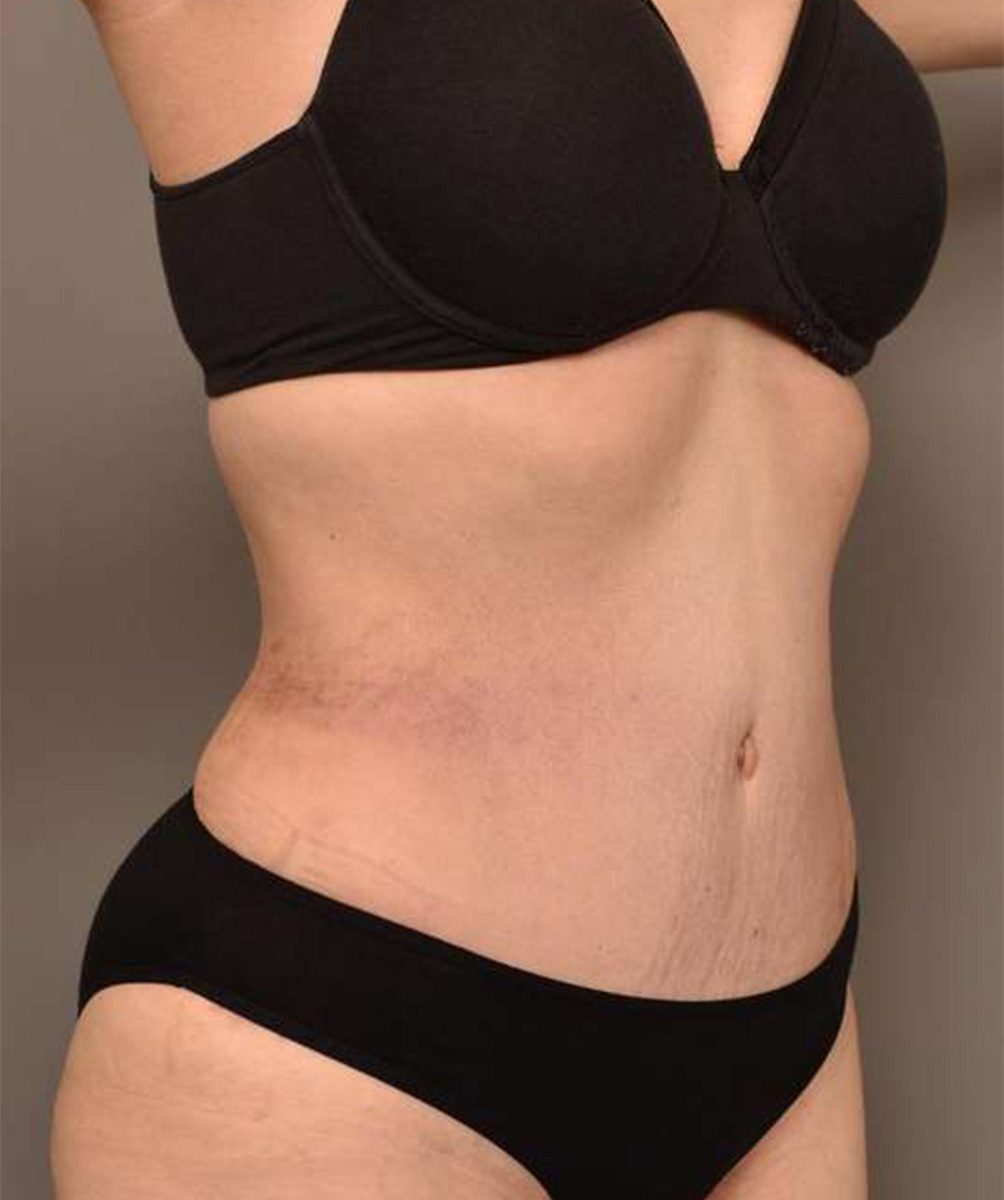
A plastic surgery procedure that flattens the abdomen by removing excess fat and skin and tightening the muscles of the abdominal wall.
Areola
The shaded area surrounding the nipple.
Asymmetry
Lack of balance or proportion between elements on opposite sides of the body, such as the left and right breast.
Bariatric
Related to a branch of medicine that deals with the control and treatment of obesity and allied diseases.
Bariatric surgery
Surgery on the stomach or intestines to help patients who are extremely obese to lose weight. Popular bariatric surgery procedures include lap-band and gastric bypass surgery.
Belt lipectomy
Also referred to as torsoplasty, circumferential torsoplasty, central body lift, circumferential panniculectomy, circumferential dermolipectomy and circumferential lipectomy: A plastic surgery procedure that combines abdominoplasty (tummy tuck) with the removal of excess skin and fat around the circumference of the waist and hips.
Biceps
The large muscle at the front of the upper arm that flexes the forearm.
Capsular contracture
A complication following breast augmentation involves the scar tissue that normally forms in the capsule around the implant beginning to contract and squeeze the implant.
Cosmetic surgery
Plastic surgery is performed to reshape normal body structures to improve the patient’s appearance.
Deep vein thrombosis
DVT or economy class syndrome, the formation of a blood clot in a deep vein, commonly in the legs or the deep veins of the pelvis.
DVT
Deep vein thrombosis or economy class syndrome, is the formation of a blood clot in a deep vein, commonly in the legs or the deep veins of the pelvis.
Economy class syndrome
Deep vein thrombosis or DVT class syndrome, is the formation of a blood clot in a deep vein, commonly in the legs or the deep veins of the pelvis.
Endoscope
A pencil-like camera device connected to a TV monitor.
Flank
The fleshy part of the side between the ribs and the hip.
Gangrene
Death of tissue or bone, usually resulting from little or no blood supply.
Glabella
The area of the face between the eyebrows.
Hyaluronic acid
A naturally occurring sugar in the skin that holds collagen and elastin together, essentially providing a framework for the skin.
Labia majora
The outer lips of the vagina.
Laparoscopy
Minimally invasive surgery that uses a thin, lighted tube inserted through an incision in the belly to look at the internal abdominal or female pelvic organs.
Lattisimus dorsi (Lat)
A large, flat triangular muscle covering the lower back.
Mastectomy
Surgery to remove one or both breasts, performed either to treat or to prevent breast cancer.
Mons pubis
A mound of fatty tissue covering the pubic area in women.
Nasojugal groove
(Tear trough): The groove located where the lower eyelid meets the cheek.
Nasolabial folds
The lines running from the nose to the corners of the mouth.
O.R.
Operating Room
Panniculectomy
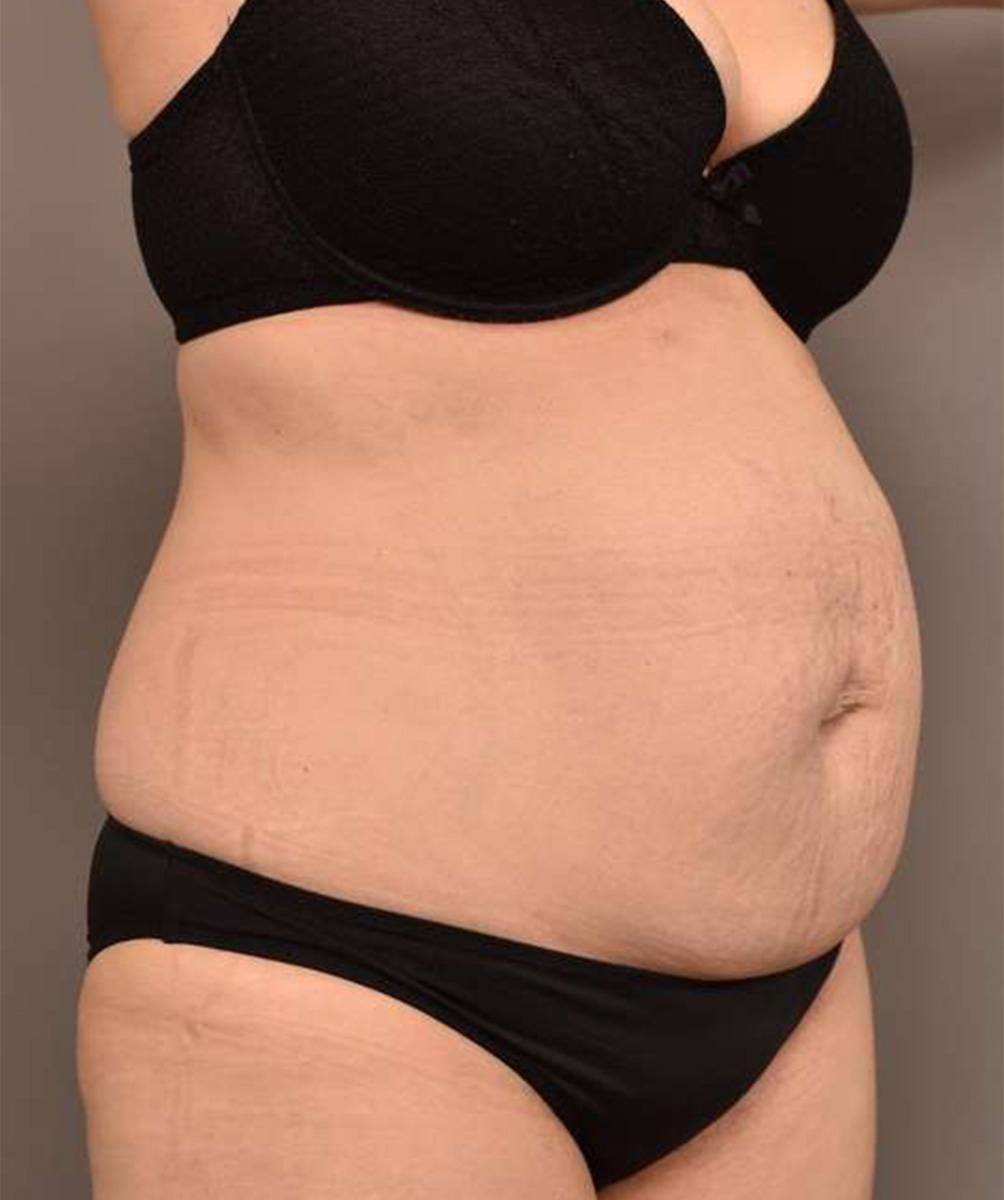
A plastic surgery procedure that removes the overhanging apron of excess skin and fat from the lower abdominal area after massive weight loss. Unlike a tummy tuck or abdominoplasty, a panniculectomy does not tighten the abdominal muscles, and the navel is not repositioned.
Panniculus
The apron of loose skin, tissue, and fat occurs in the lower portion of the abdominal wall after massive weight loss or sometimes after pregnancy.
Pannus
The apron of loose skin, tissue, and fat occurs in the lower portion of the abdominal wall after massive weight loss or sometimes after pregnancy.
Pseudo-ptosis
A condition of the breasts, common after childbirth, where the nipples are still above the inframammary crease below the breast, but the breasts appear droopy because the upper part of the breast is somewhat flattened.
Ptosis (pronounced TOE-sis)
Sagging, as of the breast. Plastic surgeons classify the degree of ptosis by the relationship of the nipple to the inframammary crease at the bottom of the breast. In Grade 1 Ptosis, the nipple is directly in front of the inframammary crease. In Grade 2 Ptosis, the nipple is one or two centimeters below the breast crease. In Grade 3 Ptosis, the nipple is pointing straight down. In pseudo-ptosis, the nipple is at the level of the crease, but the lower half of the breast has a great deal of sagginess.
Pubic mound
A mound of fatty tissue covering the pubic area in women.
Pubis
The bone of the groin.
Reconstructive surgery
Plastic surgery performed on abnormal body structures caused by birth defects, developmental abnormalities, trauma or injury, infection, tumors, or disease. Reconstructive surgery is generally done to improve function, but may also be performed to achieve a normal appearance.
Rectus abdominis muscle (“six-pack”)
A paired muscle running up and down each side of the outer wall of the abdomen.
Septum
The membranous ridge of cartilage in the nose separates the nasal cavity into the two nostrils.
Sigmoidoscope
A long, slender medical instrument for examining the interior of a bodily organ or performing minor surgery.
Sleep apnea
A sleep disorder characterized by pauses in breathing during sleep. These episodes each last long enough so one or more breaths are missed, and occur repeatedly throughout sleep.
SMAS
Superficial musculoaponeurotic system
Superficial musculoaponeurotic system
SMAS
Surgical oncologist
A surgeon who studies, diagnoses, and treats cancerous tumors.
Tear trough
(nasojugal groove): The groove located where the lower eyelid meets the cheek.
Trans-umbilical breast augmentation
A breast enhancement procedure where saline implants are inserted through the navel using an endoscope.
Triceps
The muscle at the back of the upper arm raises and lowers the forearm.
TUBA
A breast enhancement procedure where saline implants are inserted through the navel using an endoscope.
Undermine
To separate skin and fat from the underlying tissue.
Vulva
The external genital organs of the female.