
[Updated 2025] Every once in a while, a patient will come into my NYC office asking for cosmetic surgery of the belly button. While some media outlets call it a fad, it’s often more nuanced. Plastic surgeons who perform many tummy tucks are well-equipped to handle to handle umbilical issues, whether reconstructive or purely aesthetic. Below are real examples to illustrate what can be achieved and why.
Contents
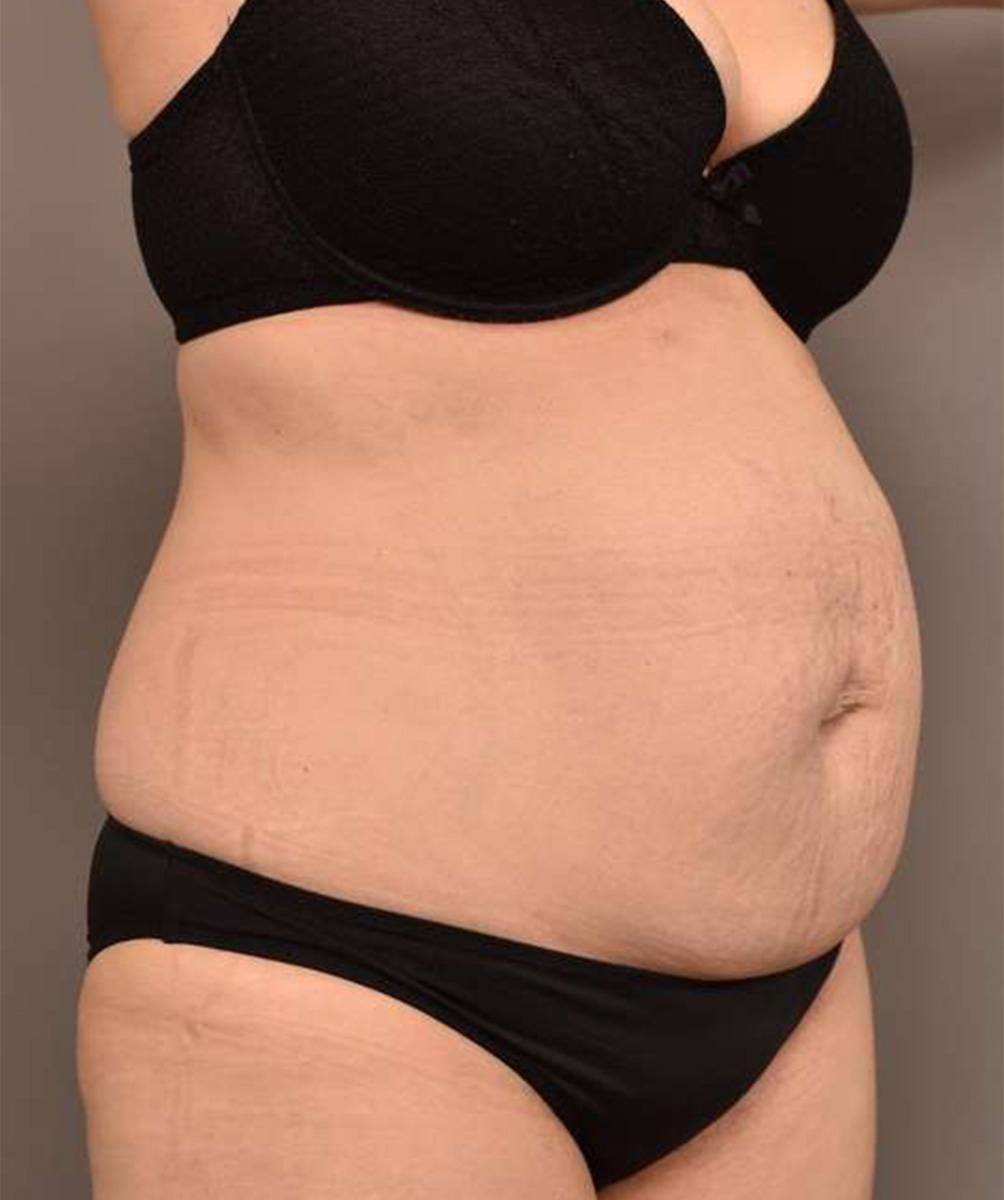
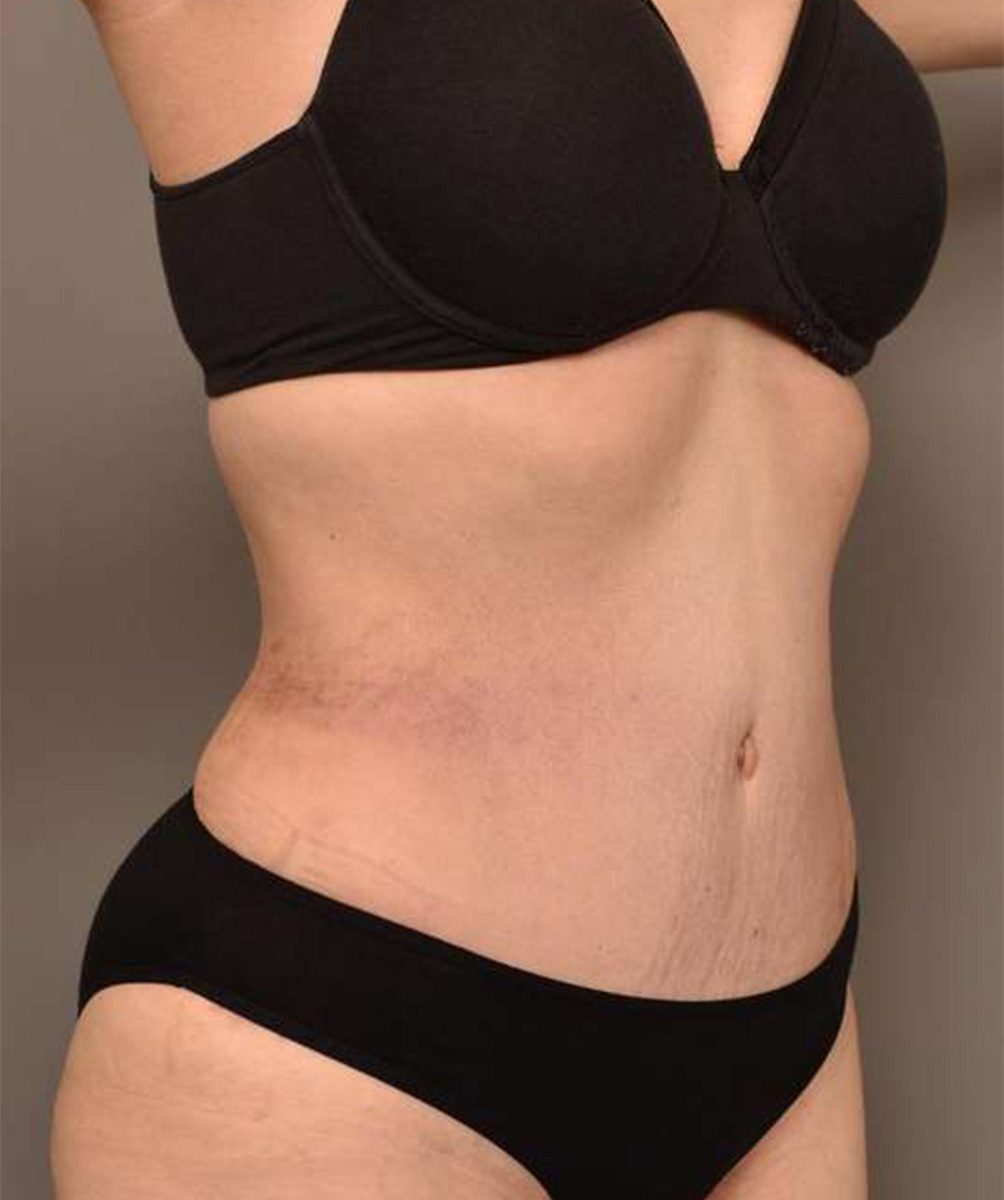
Patient examples and what can be achieved
Even subtle changes to the umbilicus can significantly influence abdominal aesthetics. The following cases illustrate how tailored surgical techniques address both functional concerns and cosmetic refinement in belly button reconstruction.
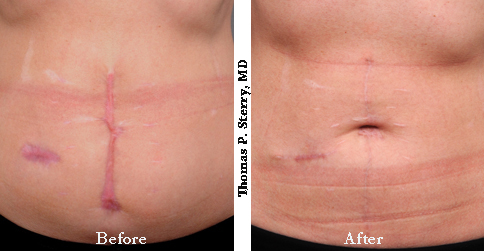
Belly button “removed” by previous surgery: One woman had her umbilicus obliterated during emergency surgery. I created a new belly button while revising her scar, and she was delighted with the result.
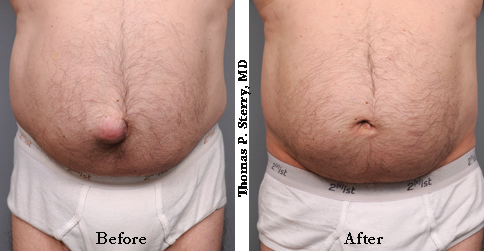
Umbilical hernia: A male patient needed hernia repair but wanted to avoid a large scar. Working alongside a general surgeon, I limited the incision to the umbilical rim, trimmed excess skin, and reconstructed the belly button for a more natural look.
Flattened belly button after pregnancy: A mother felt her navel became flat and wide postpregnancy. Under local anesthesia, I reshaped the tissues to create a deeper, narrower umbilicus. Her enthusiastic reaction reminded me why attention to detail matters.
These cases highlight how reconstructive and cosmetic considerations intersect and how personalized techniques can dramatically improve the belly button’s appearance.
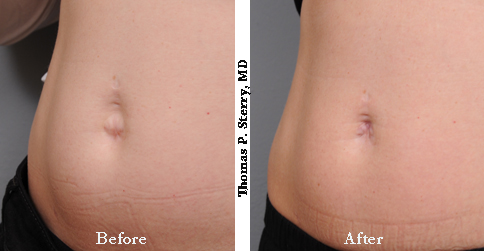
A tummy tuck is more than skin removal and muscle tightening—it also involves repositioning the belly button to fit the newly contoured abdomen. Though this step may seem small, it’s crucial for patient satisfaction. Research notes that repositioning the umbilicus is essential to achieve a natural appearance, and a poor result can spoil an otherwise successful tummy tuck. Here’s what patients should know:
- Repositioning: During abdominoplasty, the umbilicus stays attached to its underlying stalk while the surrounding skin is tightened. Surgeons bring it through a new opening so it sits in the right spot on your flatter abdomen.
- Aesthetic features: An attractive umbilicus is typically small, vertically oriented, and oval-shaped. Its position, size, shape, and depth all contribute to abdominal aesthetics.
- Signs of a skilled surgeon: Achieving these subtle qualities takes experience. Studies emphasize that the umbilicus is the central focus of the abdomen and the only naturally occurring scar on the body. A misplaced or misshapen navel can draw unwanted attention and even cause psychological distress.
- Recovery: Expect swelling and mild crusting initially. The new belly button may appear tight or unnatural for a few weeks. Follow your surgeon’s instructions for wound care and avoid placing undue pressure on the area. Over time, the shape softens and blends with the surrounding skin.
In short, a well-sculpted belly button is a hallmark of a skilled surgeon. Paying close attention to this detail enhances the overall result and your confidence.
Video
Belly button placement
Proper placement of the belly button at the time of a tummy tuck is crucially important; it is not dependent on fashion. NYC plastic surgeon Dr. Thomas Sterry talks about the normal anatomic position of the umbilicus in relation to the hips. In this video, you can see how a tummy tuck can tighten lax, wrinkled abdominal skin; flatten a belly bulge caused by stretched and separated abdominal muscles; and reshape the belly button. Dr. Sterry’s office is located in New York City across from the Guggenheim museum.
Thomas P. Sterry, MD 1080 5th Avenue #1b New York, NY 10128.
Phone: 646-904-5584.
Follow me on: Instagram, Tiktok, Twitter, Facebook
Why patients seek umbilicoplasty
Patients pursue belly button surgery for various reasons:
- Reconstruction: Emergency procedures or hernia repairs can distort or obliterate the umbilicus. Restoring it improves appearance and symmetry.
- Postpregnancy changes: Pregnancy may flatten or widen the belly button. Umbilicoplasty reshapes it to better match the surrounding contour.
- Cosmetic preferences: Some people simply dislike the size or shape of their navel. A small inoffice procedure under local anesthesia can create a more refined look.
If your goals extend beyond the umbilicus, such as tightening loose skin or repairing muscle separation, consider pairing belly button surgery with a tummy tuck procedure. A well-executed abdominoplasty includes thoughtful umbilical repositioning for the most harmonious outcome.
Schedule your consultation
Colleagues sometimes tease me about my “obsession” with the umbilicus, but there’s a good reason for it. For many body contouring surgeries, the belly button is the only visible scar. Taking the time to shape it correctly elevates the entire result.
If you’re interested in improving your midsection—whether through umbilicoplasty, a tummy tuck, or both—I invite you to schedule a consultation using the online form or call my office at 646-904-5584. I’m happy to discuss your options and help you achieve a natural-looking result.
This blog post was originally written in October 2014 and updated in April 2025.