
Thomas P. Sterry, MD
1080 5th Avenue #1b
New York, NY 10128
Phone: (212) 249-4020
Monday - Thursday: 9 a.m.–5 p.m.
Friday: 9 a.m.–3 p.m.
Liposuction in NYC
If you have stubborn body fat that won’t budge no matter how much time you spend in the gym, the ideal solution could be liposuction surgery. NYC patients choose Dr. Thomas P. Sterry because his office is discreet and he offers a range of liposuction techniques. Connecticut patients followed suit, knowing that Dr. Sterry’s office is discreet about every liposuction case.
Dr. Sterry offers the optional enhancement of Smartlipo™, a very low-key procedure typically requiring only a weekend of recovery time. The best part is the dramatic results experienced with this type of liposuction. Women and men continue to love liposuction because it is simple and affordable, and with Smartlipo, it’s easier to recover than ever before.
Liposuction
Before & After Photos
Case: 1 of 9

Before & After
Smartlipo™ Liposuction Before & After Photos Patient 5 | NYC | Dr. Thomas Sterry
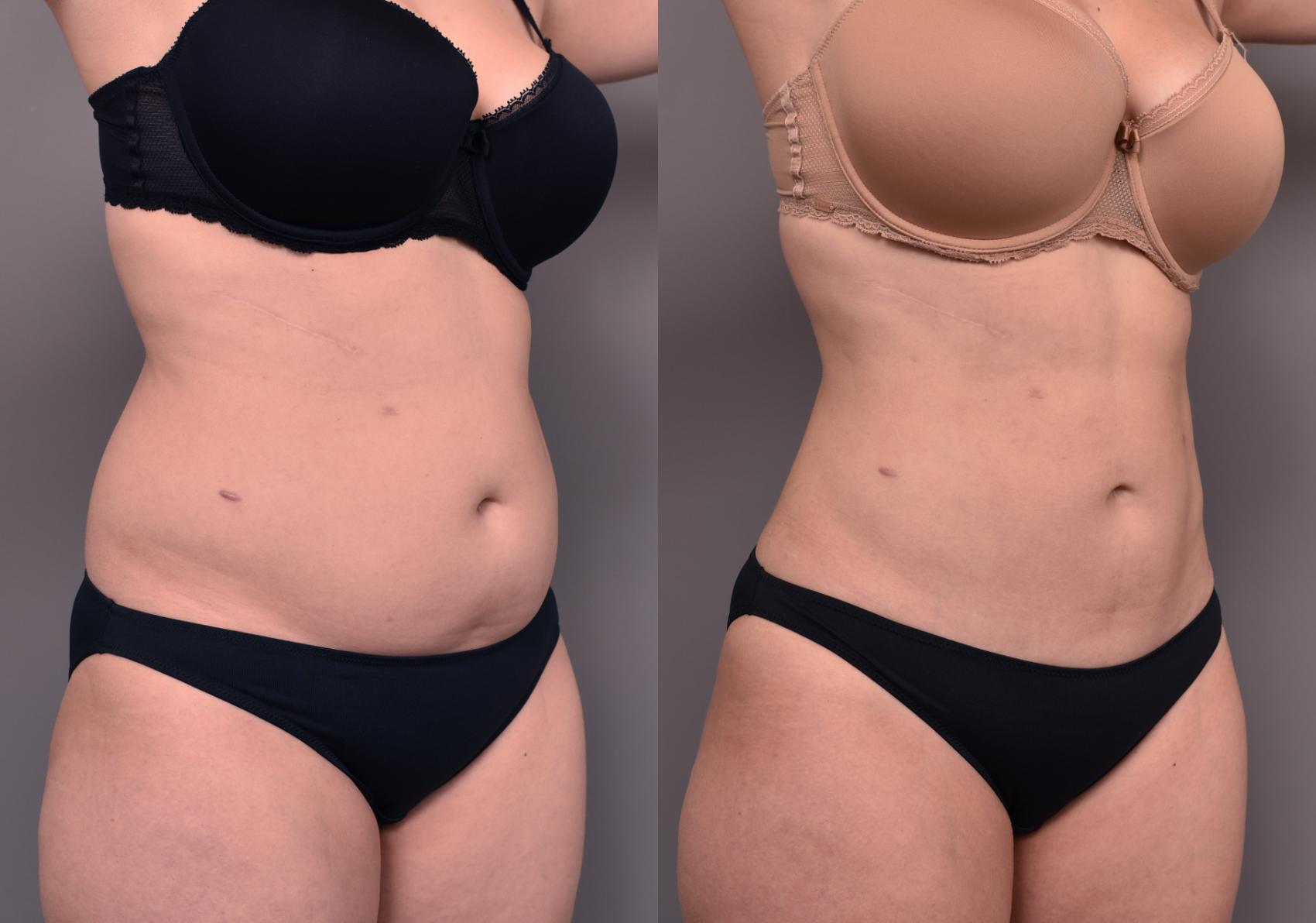
This 36-year-old man was frustrated that nobody could see his abs despite him working out fairly hard. He asked for Smartlipo liposuction at our New York City practice to help showcase his physique. This is also known as "liposculpture."
At the time of his initial procedure he was 6 feet tall and weighed 188.6 pounds on the... Read More
At the time of his initial procedure he was 6 feet tall and weighed 188.6 pounds on the... Read More

Before and After
Smartlipo™ Liposuction for Arms
This is a 33-year-old woman who felt cheated by her "fat arms" despite a steady diet and regular exercise program. Her friends, family, and personal trainer all told her that she could "work it off," but after a few years with a flat tummy, slender thighs, and no results on her arms, she decided to come in to meet me for a consultation. ... Read More
Before & After
Smartlipo™ Liposuction
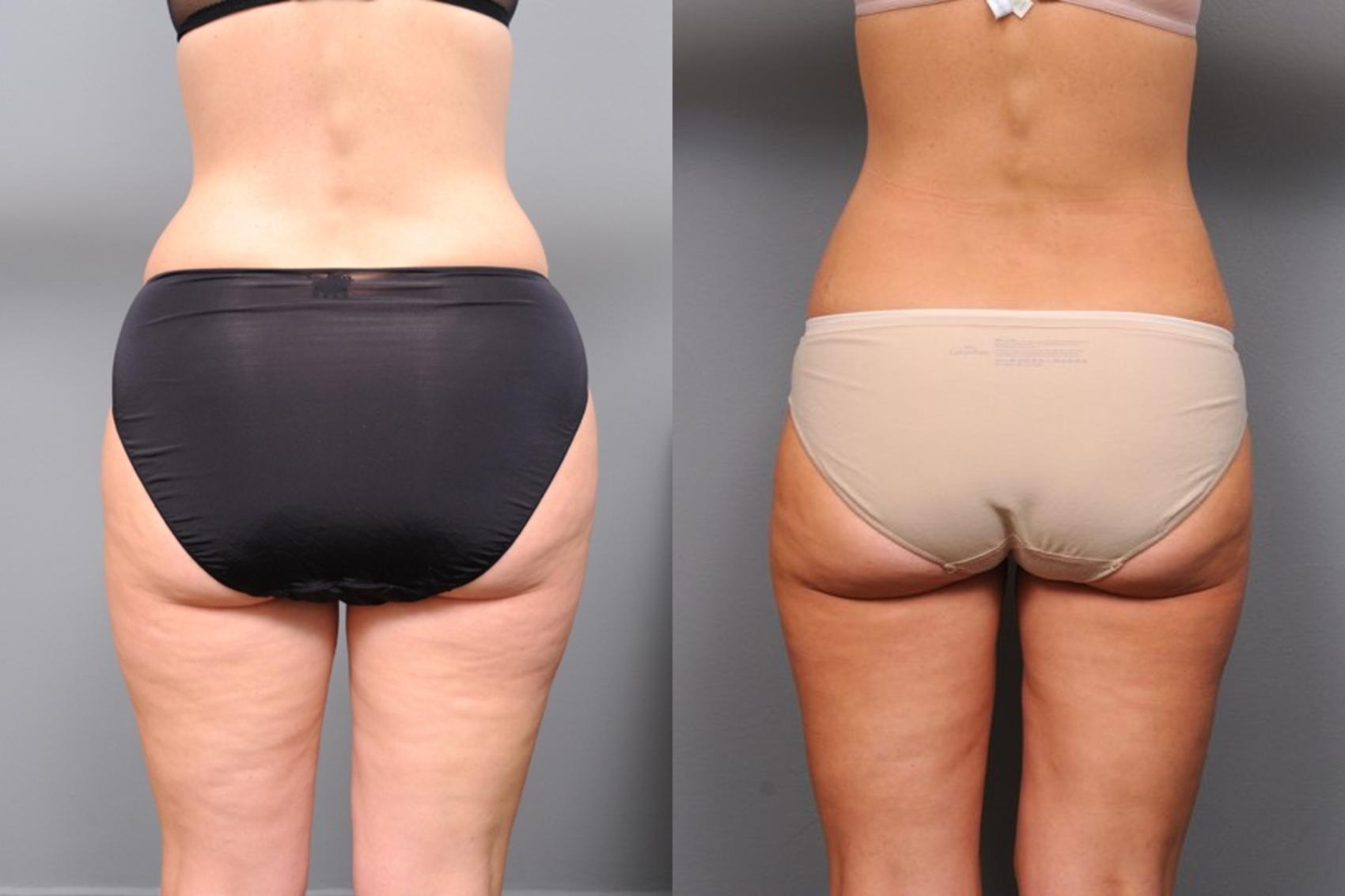
This is a 39-year-old woman who asked for hip and thigh liposuction using Smartlipo in NYC. Like so many of us, she had been struggling with diet and exercise for years but was never able to get her hips or thighs to be quite as small as she wanted them to be.
In this case, we chose to perform Smartlipo liposuction of the hips and thi... Read More
In this case, we chose to perform Smartlipo liposuction of the hips and thi... Read More
Before & After
Liposuction Case #230

Before & After
Lipo 360 sculpts the entire torso for an overall fit and natural look
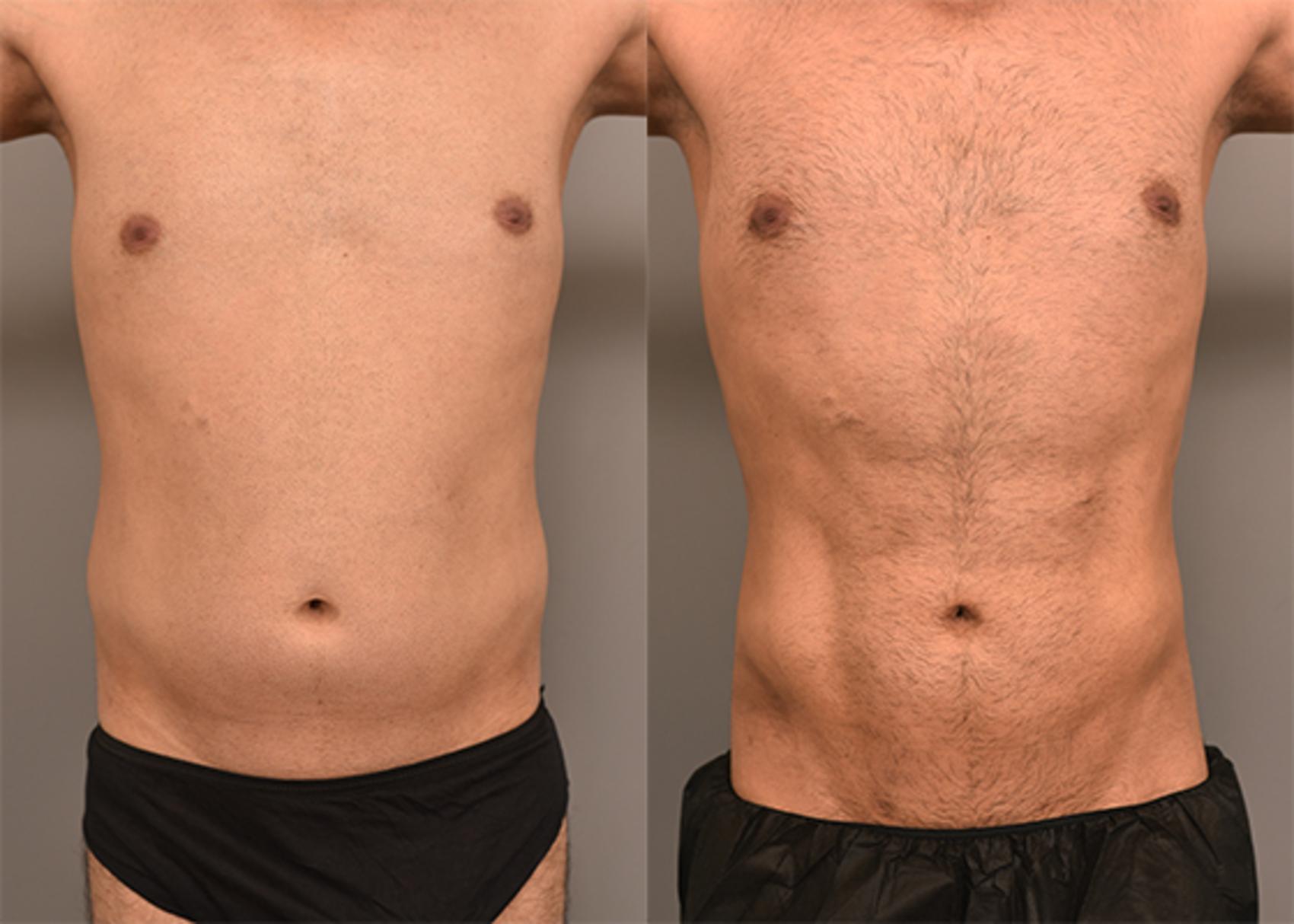
This is one of our younger male patients who wanted a more fit appearance and was asking for liposuction. We chose to use a technique called "Lipo 360" to address his entire torso circumferentially. This procedure required sedation due to its aggressive nature - and it really cannot be tolerated with local anesthesia. That s... Read More
Before & After
Lipo 360 and Liposculpture for Men
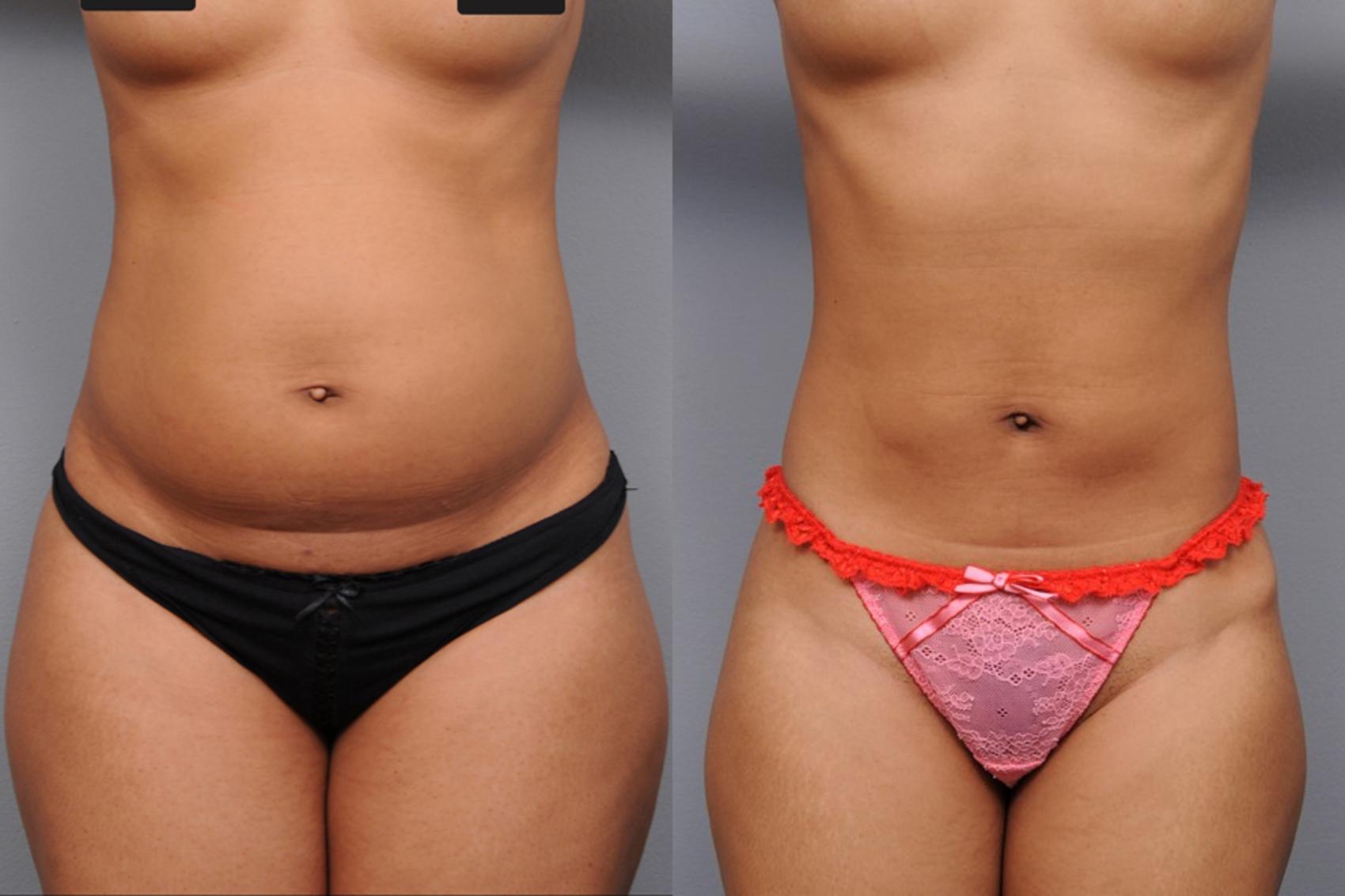
This male patient in his mid 30's was looking to improve his physique and asked me for liposuction of his abdomen and flanks. I thought he was a perfect candidate for Lipo 360 and (fortunately) was able to help him understand why this was a better choice. With Lipo 360, I don't simply suction the front and back of the patient in t... Read More
Before & After
Laser Liposuction
This 27-year-old woman was 5 feet 4 inches tall and 125 pounds. She wanted laser liposuction at our New York office with the Smartlipo™ system. We were able to melt her fat and tighten her skin at the same time in our private OR.
Dr. Sterry performs a lot of body contouring procedures, but liposuction is clearly the mo... Read More
Dr. Sterry performs a lot of body contouring procedures, but liposuction is clearly the mo... Read More
Before & After
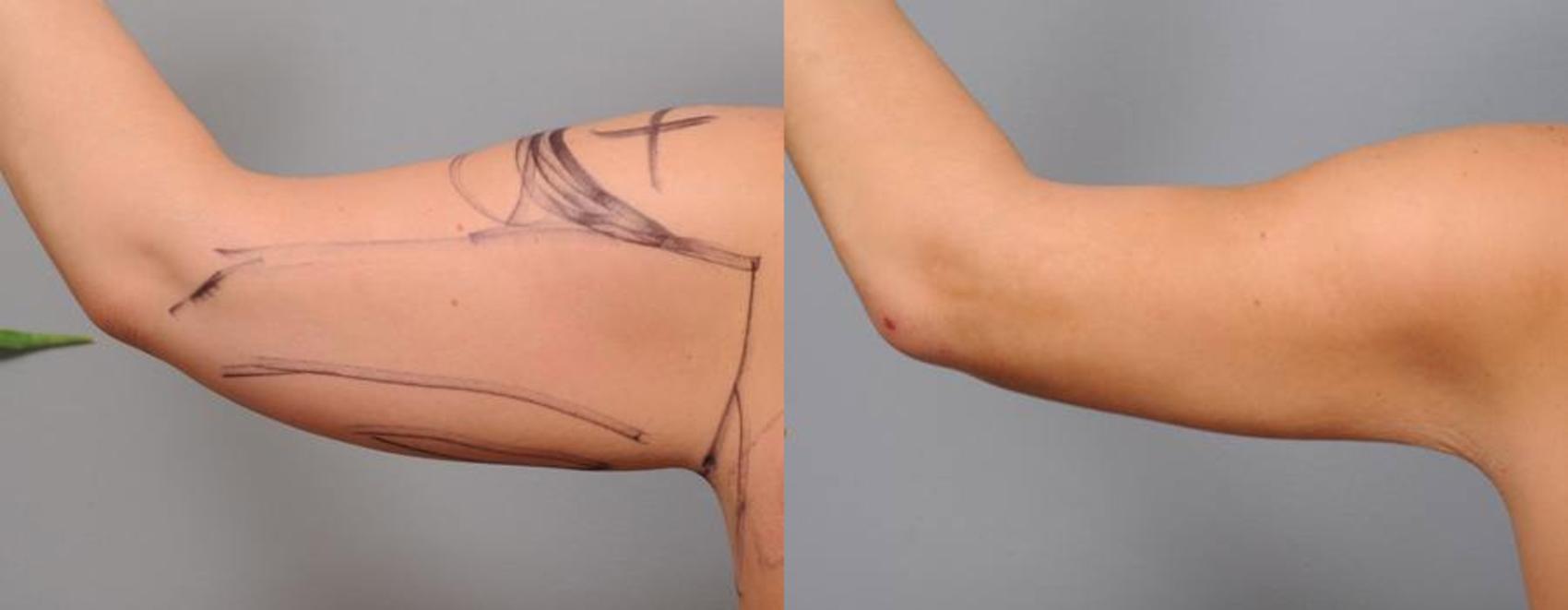
Arm Liposuction Using Smartlipo™
This is a patient in her 20s who was upset by her upper arm fat and loose skin. She wanted a solution that did not involve a long scar on the upper arm such as an arm lift or brachioplasty would create, but she still wanted tight arms and an athletic look.
Dr. Sterry has good experience with the Smartlipo liposuction technique... Read More
Dr. Sterry has good experience with the Smartlipo liposuction technique... Read More
Keep in mind that each patient is unique and your results may vary.
Liposuction is easily one of the most popular procedures in New York City.
Good Liposuction Candidates
A good candidate for liposuction is reasonably fit, but has areas of fat that don’t respond to diet and exercise. Many people have these areas of stubborn body fat despite being at or near their target weight. Some women may find that losing weight causes their breasts to get smaller, but does nothing to reduce “saddlebags” or belly fat. Men tend to have problems in the flank area — typically called a “spare tire.”
There’s something about these areas — a genetic preference for the body to put fat there. So sucking out that fat and getting those fat cells out of the area results in more evenly distributed weight fluctuations in the future.
Dr. Thomas P. Sterry
Thomas Sterry, MD, is a board-certified New York City plastic surgeon with over 20 years of experience. He has been president of both the New York State Society of Plastic Surgeons and the New York Regional Society of Plastic Surgeons. In addition, he sits on the executive council of the New York County Medical Society and has been a delegate to the Medical Society of the State of New York for years. At his inviting, boutique-style practice in Manhattan, he focuses on each patient’s unique needs and aesthetic goals so that he can provide the most attractive and natural-looking outcomes possible.
Meet Dr. Sterry Request a ConsultationCredentials you can trust



Which areas can be improved with liposuction?
Dr. Sterry uses liposuction to reduce localized fat deposits on virtually any part of the body. Areas he commonly treats include:
- Abdomen
- Flanks
- Inner and outer thighs
- Buttocks
- Upper and lower back
- “Bra bulge” in the mid-back
- Upper arms
- Enlarged male breasts
- Neck and under the chin
- Upper chest near the armpit
- Knees, calves and ankles
- Back of thighs above the knees
Smartlipo Triplex
When it comes to liposuction, men and women can trust Dr. Sterry to offer them the most recent technologies available. For local anesthesia with minimal downtime, Smartlipo is the latest in liposuction. Men particularly appreciate being able to get rid of their “spare tire” as shown in this patient of Dr. Sterry:
I am convinced that Smartlipo yields tighter skin and a better liposuction result in areas like the arms, chin, and neck.
Your Liposuction Procedure
Liposuction is a customized procedure Dr. Sterry tailors to meet your needs. He performs liposuction in his office using a local anesthetic or using general anesthesia at Mount Sinai Hospital in Manhattan. The advantage of using a local anesthetic is that patients do not need general anesthesia; many get up and walk out of the office without assistance.
Dr. Sterry performs tumescent liposuction, a classic, tried-and-true method that works very well. He first injects a saline solution directly into the fatty tissue. The solution contains a local anesthetic, lidocaine, and epinephrine (adrenaline). The adrenaline constricts the blood vessels to minimize bleeding during the procedure and bruising afterward. After injecting the solution, Dr. Sterry waits 15 or 20 minutes for the adrenaline to take effect.
Next, Dr. Sterry begins the procedure by making tiny incisions — only 1/8 to 1/2-inch each — and inserting a hollow, blunt rod called a cannula so the tip penetrates the underlying fat. The cannula is attached to a flexible plastic tube connected to a high-powered vacuum machine. He then suctions excess fat from your body.
Liposuction is a common, safe procedure, but Dr. Sterry’s experience helps him create excellent results. He tells his patients, “Liposuction is easy to do—but hard to do well. I’m a stickler for symmetry; I’ve invested in equipment to make sure I achieve it.”
Why Compression Garments Are Important After Liposuction
After your liposuction surgery, Dr. Sterry will instruct you to wear a compression garment for a few days to several weeks, depending on the treated areas. The reason for this is to minimize bruising and the buildup of fluid under the skin and help the skin heal flush with your new contours. The gentle pressure can also minimize discomfort in the early stages of healing.
“Awesome doctor. Definitely more on the conservative side, and won’t talk you into having a million things done. Really nice guy and his staff is really supportive.”
Wantanewlook, Smartlipo of abdomen and flanks patient on RealSelf.com
*Your results may vary.
Dr. Sterry Answers Common Liposuction Questions
Are people simply programmed to carry fat in certain places?
I’m a strong believer in ‘genetic fat’ or ‘diet-resistant fat,’ whatever you want to call it. It really does exist. I have weight-loss patients who have lost 100, 150, even 250 pounds. Of course, I evaluate them and take photographs.
Their faces are drawn-out; they have ‘turkey necks’ hanging. Their breasts are empty sacks of skin. If you look at their lab values, they’re on the verge of malnutrition. They have to take vitamin supplements every day and they’re constantly trying to get enough protein into their body.
But when I examine them, I find that their hips and buttocks are still tremendous, despite their weight loss. You can’t convince me that there’s not something about our genes that makes us put fat there, because God does not want you to let go of that.
So now you extrapolate that to normal-weight people, and it’s no surprise that many women can’t get rid of their saddlebag hips without liposuction. We all know people like that—they’re pear-shaped for whatever reason.
How has liposuction evolved over the years?
Today we have much smaller, narrower cannulas than ever before. Even though these smaller cannulas make liposuction takes a little bit longer, we find that we get smoother, more consistent results.
And we don’t suction nearly as much fat as we used to. We’ve learned over the years that it can be dangerous to remove too much fat.
How much fat can you remove during liposuction?
I will remove up to five liters of fat in one session, but never more than that. I typically remove 2,000 to 3,000 cc’s—which is 2-3 liters.
Can liposuction help you lose weight?
No. It’s important to realize that liposuction is not intended as a weight-loss technique. It’s for spot reduction; it’s to help you improve your shape. You’d be surprised at how much that fat doesn’t weigh.
It always amazes me. I remove volumes of fat during liposuction, and it really doesn’t weigh very much. But if I gain 10 pounds, it’s enormous.
You’ve probably heard that 10 pounds of fat take up a lot more volume than 10 pounds of muscle. It’s true.
Is liposuction a good method to trim women’s tummies after pregnancy?
That’s something that needs to be evaluated on an individual basis. Some women, even when they manage to lose the weight they gained during pregnancy, tend to have a different shape—particularly in the flank area. A little suctioning right there certainly helps them out quite a bit.
But as for suctioning the abdomen itself, it depends. Sometimes when women are left with a lot of loose abdominal skin, they don’t need liposuction—they need a tummy tuck. I often perform liposuction as part of Mommy Makeover surgery to refine my results.
Would you ever combine liposuction with a tummy tuck?
People have read on the internet that you can’t do both. It depends. I can certainly do liposuction on the flanks and do a tummy tuck at the same time. I can suction the hips and do a tummy tuck at the same time, and nobody would ever care.
The question that arises is, ‘Can you suction the abdomen if you’re doing an abdominoplasty?’ That is a little bit more tricky. I will do it, but only if I have done my tummy tuck in a specific way. I try to leave a lot more blood vessels intact; then I have a lot more faith that liposuction on the abdomen will do well.
Tummy Tuck and Liposuction Before & After Photos
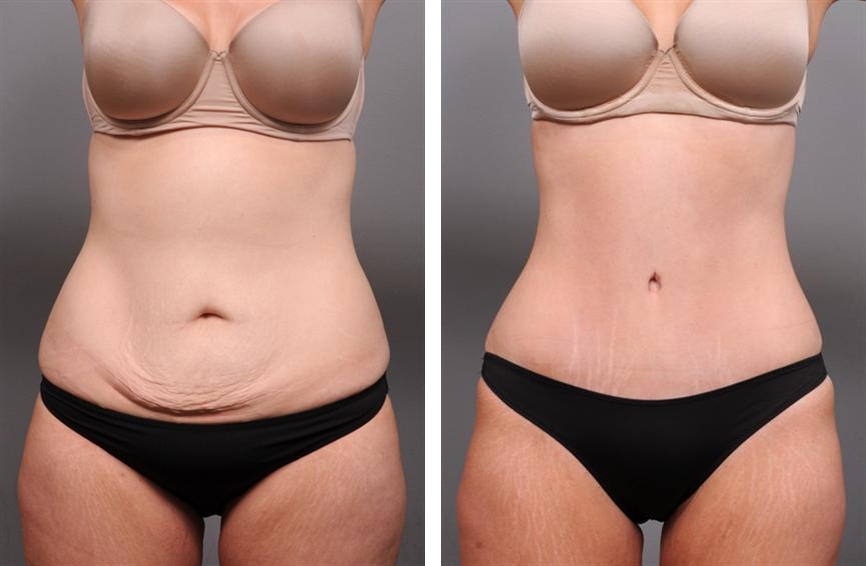
This 30-year-old woman had a tummy tuck and liposuction of the waistline to rejuvenate her midsection after pregnancy. For more photos of Dr. Sterry’s tummy tuck patients, visit our photo gallery. Your results may vary.
Do you ever combine liposuction with other procedures?
Yes. I often combine liposuction with other plastic surgery procedures; for example, I use it as part of:
- Lower body lifts to help mobilize the tissues on the outside of the thighs, to lift them.
- Breast reduction.
- Facelift in some cases to reduce jowls.
- Neck lift to clean up a ‘turkey neck’.
- Arm lift in some cases.
Many times, liposuction is sort of like the finishing touch—feathering out the changes in contour that we’ve made so that things fall into place a little bit more gracefully.
What should you know about choosing a surgeon to do liposuction?
I would caution patients against having liposuction performed by anyone other than a board-certified plastic surgeon. Other physicians may not have been trained in liposuction and can get into unexpected trouble.
Liposuction is not just a matter of pushing a cannula back and forth and sucking out fat. You really have to pay attention to where you’re taking the fat from. For instance, you need to stay deep, not superficial—otherwise, you’ll get divots and grooves.
How long does it take to recover after liposuction?
The funny thing about lipo is that the incisions in the skin are very small, but the wound is large, depending on what you’re having suctioned. The local anesthesia remains in the treated tissue, which helps minimize discomfort, but you will be sore. Sometimes people are a little bit surprised at just how sore they are.
You may have some slight bruising or swelling, but scarring is minimal due to the tiny size of the incisions.
Recovery takes anywhere from three days to a week, depending on the area you’ve had done. You may not want to work out right away or go jogging—that might take a few weeks.
In my experience, if I suction you on a Friday, you’re going back to work on Monday if you have a desk job. If you’re digging trenches, it might take a little longer.
A few patients have told me that massage has helped them—but I wouldn’t recommend it until two or three weeks after surgery.
How soon after liposuction will you see the results?
On the day of surgery, you can see an effect. But by the next morning, you’ll be swollen to probably as big as you were before liposuction. The day after surgery, some patients might say, ‘It looks like you didn’t do anything to me. What is this?’
You need to wait several weeks to see results. Some of the swelling will start to go down in two weeks, but it takes six weeks to three months before you start to have a good idea of what liposuction has accomplished. And the final effect is not apparent until about a year later.
What happens if you gain weight after liposuction?
If you gain weight after liposuction, it’s much more likely to be evenly distributed. Once we suck out those fat cells, they’re not there anymore, so they can’t get bigger. Society doesn’t accept that we make more fat cells; they just get bigger.
When I do liposuction on patients, they really have a hard time gaining weight in that spot again. Any weight they gain should be distributed more evenly. Of course, you should maintain a healthy regimen of diet and exercise after liposuction to maintain your results.
Are most patients happy with their liposuction results?
Yes—liposuction has a pretty high patient satisfaction rate. My little comment to patients when they come in for lipo is, ‘It’s the greatest gift that God ever gave to man.’ It’s very handy.
To tell you the truth, I want to get suctioned this fall because I’m tired of my flanks—I want to get rid of them already. If I really work out and stay on top of myself, I can keep it off. But you know, you can’t live that way all the time and forever. So I think lipo is helpful for people in that situation.
To find out more about liposuction in Manhattan, request a consultation with board-certified plastic surgeon Dr. Sterry or call (212) 249-4020 to schedule an appointment.
A Reputation Built on Results
Dr. Sterry did lipo 360 and rib remodeling on me and I have stunning results! My waist started at 31.5...

I absolutely loved going to see Dr. Sterry and his team. They were so kind to me every time I visited....
From the very first consultation, I felt completely comfortable and genuinely cared for. The doctor...
I got chin and cheek lipo with Dr. Sterry three months ago and I am so happy with the results. The procedure...
Ask Us About Our
Skincare Products

Recent
Liposuction Posts from our Blog
 March 22, 2026
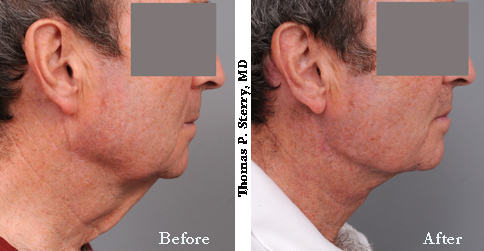
Male Neck Lift Options…
Male neck lift options can feel complex when a patient is comparing fat, bands, and loose skin. In New York, NY, Dr Thomas Sterry, Plastic Surgeon, s…
Read Now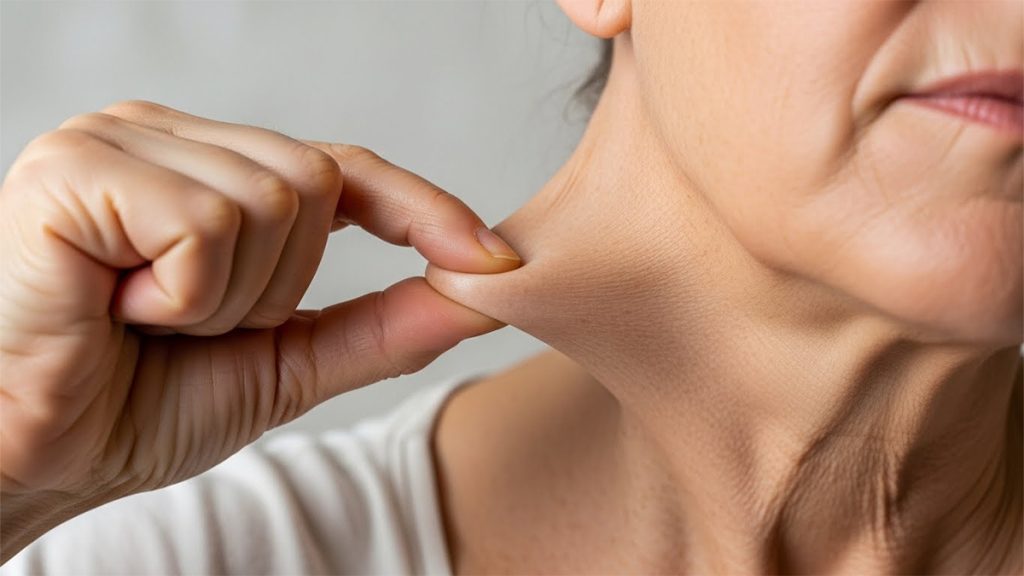 February 3, 2026
Neck Liposuction vs. Neck Lift Surgery: …
A youthful, defined neck and jawline can significantly enhance your overall appearance and boost your confidence. Many patients seek neck contouring …
Read Now January 30, 2026
SmartLipo Neck Liposuction or Mini Neck …
When it comes to rejuvenating the neck and achieving a more defined, youthful profile, two popular options stand out: neck liposuction using SmartLip…
Read Now